Top Grilling Gadgets That Solve 5 Common BBQ Problems (2026)
Discover the best grilling gadgets of 2026 that solve common BBQ problems. From flare-ups to uneven heat, upgrade your cookout with practical picks.
The 5 Biggest Grilling Headaches (And How to Fix Them)
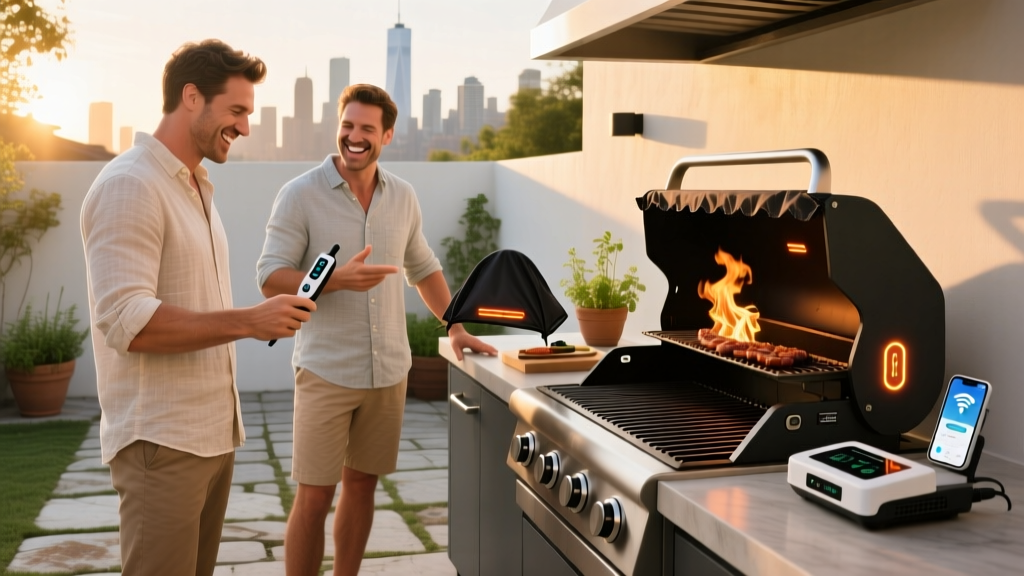
Grilling is an exercise in thermodynamics, airflow management, and Maillard reaction timing. Yet, even the most seasoned backyard pitmasters run into the same recurring friction points: uncontrollable flare-ups, ruined fish skin, and the dreaded 'lid lift' heat loss. As we navigate the 2026 grilling season, the market has thankfully shifted away from gimmicky novelty tools toward high-utility, problem-solving engineering. Below, we break down five universal BBQ problems and the exact grilling gadgets that solve them, complete with real-world pricing, material specs, and edge-case failure modes.
Problem 1: Unpredictable Flare-Ups and Sooty Food
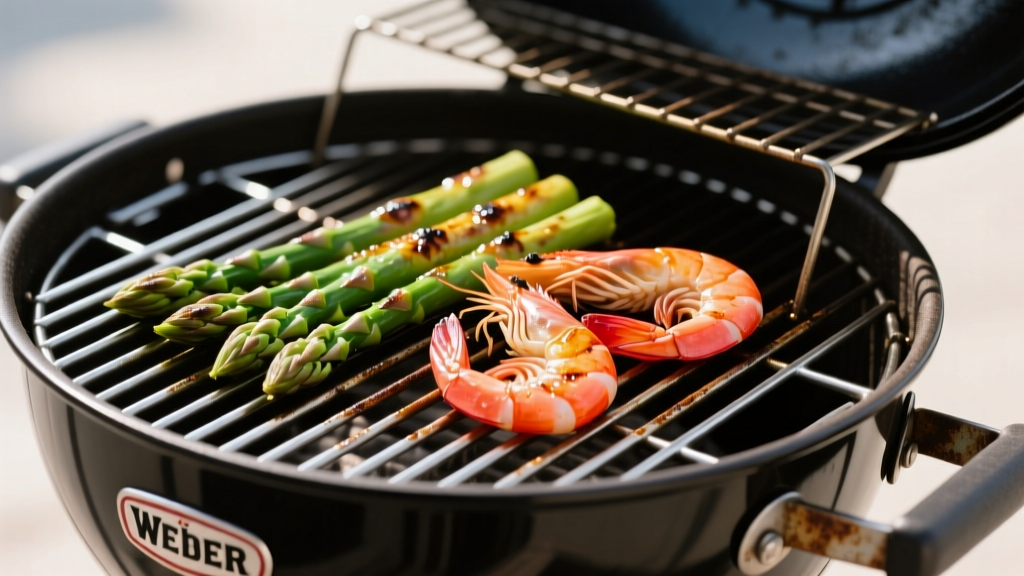
When rendering fat drips onto hot charcoal or flavorizer bars, it vaporizes and ignites. This isn't just dangerous; it deposits bitter, unburned carbon (soot) onto your meat. According to the food scientists at AmazingRibs.com, true flare-ups are a sign of poor grease management, not a badge of honor.
The Fix: GrillGrates Precision Panels (Hard Anodized Aluminum)
Instead of buying a new grill, swap your stock wire grates for GrillGrates. These interlocking panels feature raised rails on one side and a flat griddle surface on the other. By placing them 'upside down' (flat side up) for delicate items, or right-side up for steaks, the valleys catch and vaporize drippings safely away from direct flames, infusing the food with a clean smoke flavor without the soot.
- Cost: $115 - $145 (depending on grill width)
- Material: Hard anodized aluminum (will not rust)
- Failure Mode: If used inside a Kamado-style ceramic cooker pushed past 700°F without proper venting, the extreme thermal shock can cause the aluminum to warp over time.
Problem 2: Overcooked Edges and Raw Centers
Carryover cooking ruins more expensive cuts of meat than any other mistake. Pulling a brisket or thick tomahawk off the grill at the exact target temperature guarantees it will overcook while resting. You need instantaneous, laboratory-grade data.
The Fix: ThermoWorks Thermapen ONE
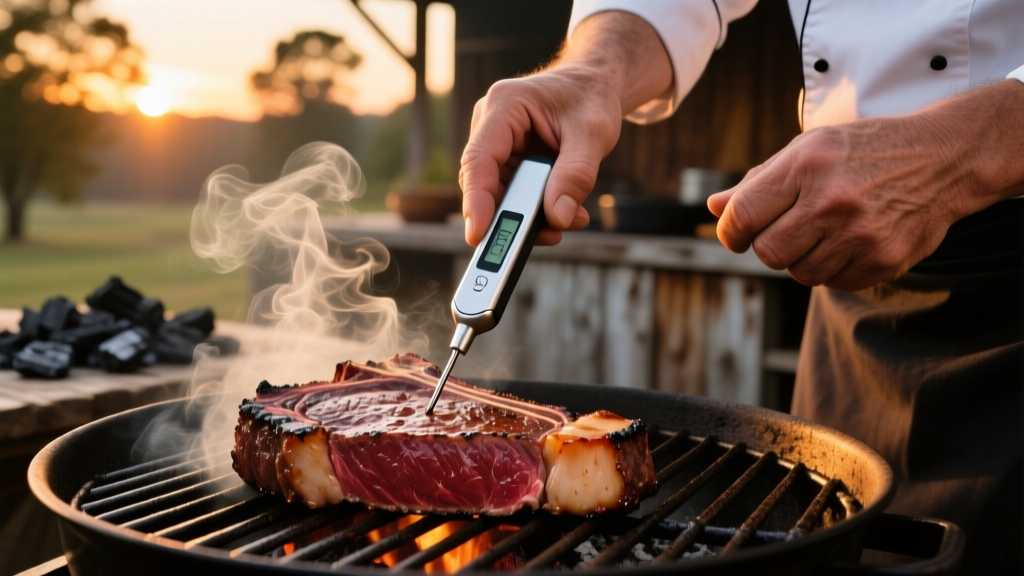
While cheap dial thermometers take 10-15 seconds to register a temperature (during which the grill lid is open and heat is escaping), the Thermapen ONE uses a professional Type-K thermocouple sensor to deliver an accurate reading in one second. The 2026 models feature an auto-rotating, backlit display and an IP67 waterproof rating, meaning you can drop it in a bucket of soapy water or a marinade bath without killing the circuitry.
'Speed matters. The longer your probe is in the meat, the more heat escapes the cooking chamber. A one-second read time is the difference between a perfect medium-rare and a well-done disappointment.' — ThermoWorks Engineering Team
- Cost: $105
- Accuracy: ±0.5°F (±0.3°C)
- Failure Mode: The auto-rotating screen sensor can occasionally glitch if heavy, carbonized grease builds up inside the hinge housing. Keep the pivot point clean.
Problem 3: The 'Stuck-to-the-Grate' Seafood Disaster
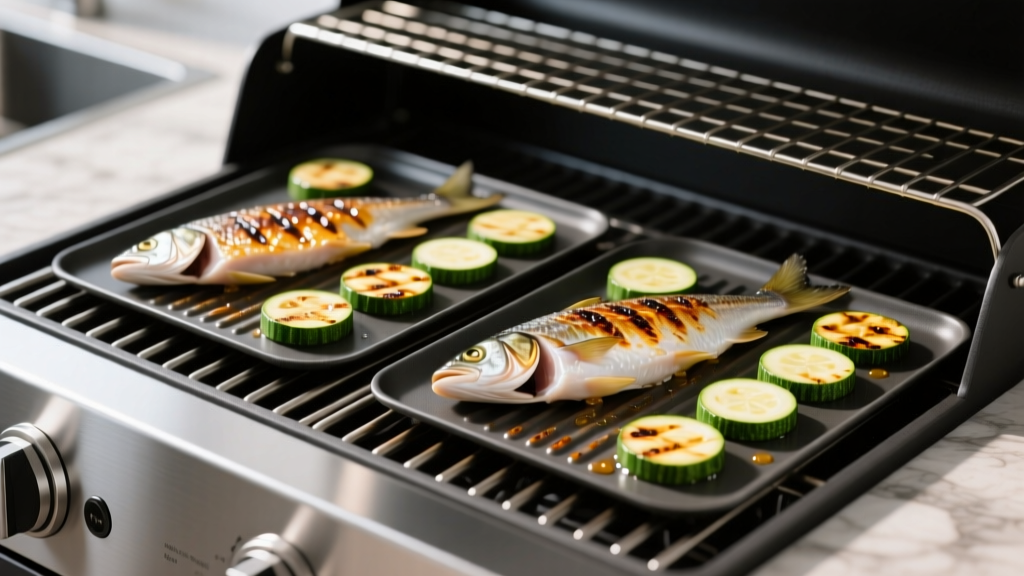
Delicate proteins like salmon fillets, scallops, or thinly sliced vegetables will bond chemically with standard cast iron or steel grates if the grill isn't perfectly seasoned and blazing hot. The result? Torn skin and half your dinner left on the grill.
The Fix: Kona Heavy Duty BBQ Grill Mats
These mats are constructed from PTFE-coated fiberglass fabric. They provide a completely non-stick, unified cooking surface while still allowing smoke to circulate around the edges. They are particularly useful for cooking diced veggies or bacon that would otherwise fall through standard grate gaps.
| Brand/Model | Material | Max Temp Limit | Price (2-Pack) | Best For |
|---|---|---|---|---|
| Kona Heavy Duty | PTFE Fiberglass | 500°F | $22 | Fish, Veggies, Bacon |
| Grillaholics XL | Copper PTFE | 500°F | $25 | High heat searing, Pizza |
| Generic Amazon Basics | Thin PTFE | 400°F | $14 | Low-and-slow baking only |
Critical Warning: Never expose PTFE mats to direct, open flames exceeding 500°F. At extreme temperatures, PTFE can begin to degrade and release fumes. Always use them over indirect heat or moderate gas settings.
Problem 4: Losing Heat Every Time You Check the Lid
There is an old pitmaster adage: 'If you're looking, you ain't cooking.' Every time you lift the lid to check a wired probe or visually inspect the bark on a pork shoulder, the ambient temperature plummets, extending your cook time and drying out the meat.
The Fix: MEATER Plus Wireless Smart Thermometer
The MEATER Plus eliminates the tether. It uses a dual-sensor stainless steel probe that monitors both internal meat temperature and ambient grill temperature simultaneously. The 2026 firmware updates have vastly improved the Bluetooth-to-Wi-Fi bridge handoff, allowing you to monitor a 12-hour brisket cook from your phone inside the house without losing the data stream.
- Cost: $99
- Max Internal Temp: 212°F (100°C)
- Max Ambient Temp: 527°F (275°C)
- Failure Mode: If the ambient sensor (located at the top of the probe) is exposed to direct radiant heat from a broiler or a direct flare-up exceeding 527°F, the internal battery can be permanently damaged.
Problem 5: Ash Cleanup and Grease Fires
For charcoal purists, the post-cook cleanup is a massive deterrent. Dumping hot ashes into a plastic bin is a fire hazard, and wind can easily blow fine ash dust all over your patio.
The Fix: Weber Performer Premium Ash Catcher
Designed as a retrofit for 22-inch kettle grills, this enclosed, high-capacity ash catcher seals off the bottom of the bowl. It features a one-touch cleaning system that sweeps ash directly into a fully enclosed, wind-proof aluminum cylinder. It reduces cleanup time from 15 minutes to roughly 30 seconds.
- Cost: $75 - $85
- Compatibility: Weber 22' Kettle Grills (verify your manufacturing year for exact bolt alignment)
Quick-Reference Decision Matrix
Not sure which gadget you actually need? Use this problem-to-solution framework before adding to your cart.
| Your Primary Frustration | Recommended Gadget | Expected ROI (Time/Money Saved) |
|---|---|---|
| Bitter tasting meat from soot | GrillGrates Panels | Prevents ruining $50+ steaks |
| Guessing when meat is done | Thermapen ONE | Saves overcooked expensive cuts |
| Torn fish skin / lost veggies | Kona Heavy Duty Mats | $22 investment, zero lost food |
| Dry meat from lid-lifting | MEATER Plus | Reclaims hours of cook time |
| Messy, dangerous ash disposal | Weber Ash Catcher | Saves 15 mins per cookout |
FAQ: Maintaining Your Grilling Gear
How do I clean PTFE grill mats without ruining the non-stick coating?
Never use metal scouring pads or sharp spatulas on grill mats. Wait for the mat to cool completely, then wash it in the sink with warm water, dish soap, and a soft microfiber cloth. They are also top-rack dishwasher safe, though hand washing extends the PTFE lifespan significantly.
Can I leave my MEATER Plus probe in the grill during a high-heat sear?
No. The internal battery and ambient sensor have strict temperature limits (212°F internal / 527°F ambient). Insert the probe during the low-and-slow smoking or roasting phase, and remove it before you move the meat to a 600°F+ direct sear zone.
Do hard anodized aluminum grates need to be seasoned like cast iron?
No. One of the primary benefits of anodized aluminum is that it is non-porous and rust-proof. Simply brush them off while warm and wipe them down with a high-smoke-point oil (like avocado or canola) on a rag. Never put them in a dishwasher, as the harsh detergents can dull the anodized finish.
Upgrading your arsenal with the right grilling gadgets isn't about buying more clutter; it's about engineering the friction out of your cookout. By solving these five core problems, you'll spend less time troubleshooting the fire and more time enjoying the results. For more deep-dives into outdoor cooking gear, check out our comprehensive guides on Serious Eats and stay tuned to GadgetGuideNet for the latest 2026 outdoor tech reviews.
Written by
Priya SharmaPriya Sharma holds a Ph.D. in Acoustical Engineering from the University of Southampton and a B.Tech in Electronics from IIT Delhi. She has spent 9 years as a consumer electronics journalist, with deep specialization in audio equipment, camera systems, and assistive technology. Priya is an active member of the Audio Engineering Society (AES) and has co-authored papers on spatial audio perception published in the Journal of the Acoustical Society of America. Her reviews of headphones, portable DACs, and studio monitors include objective measurements using Audio Precision analyzers alongside subjective listening tests. She also serves on the advisory board of the Global Accessibility Reporting Initiative (GARI), evaluating mobile devices for users with visual and hearing impairments.