Helpful Kitchen Gadgets for Storage: Beginner vs Expert
Discover the most helpful kitchen gadgets for storage and organization. We compare beginner-friendly basics with expert-level container systems.
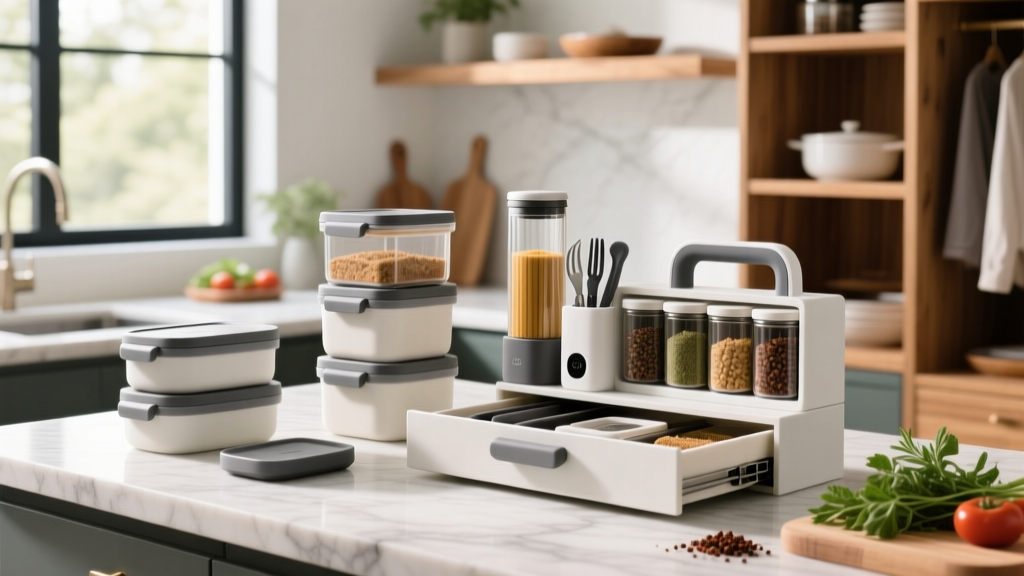
The Storage Divide: Why Experience Changes Your Gadget Needs
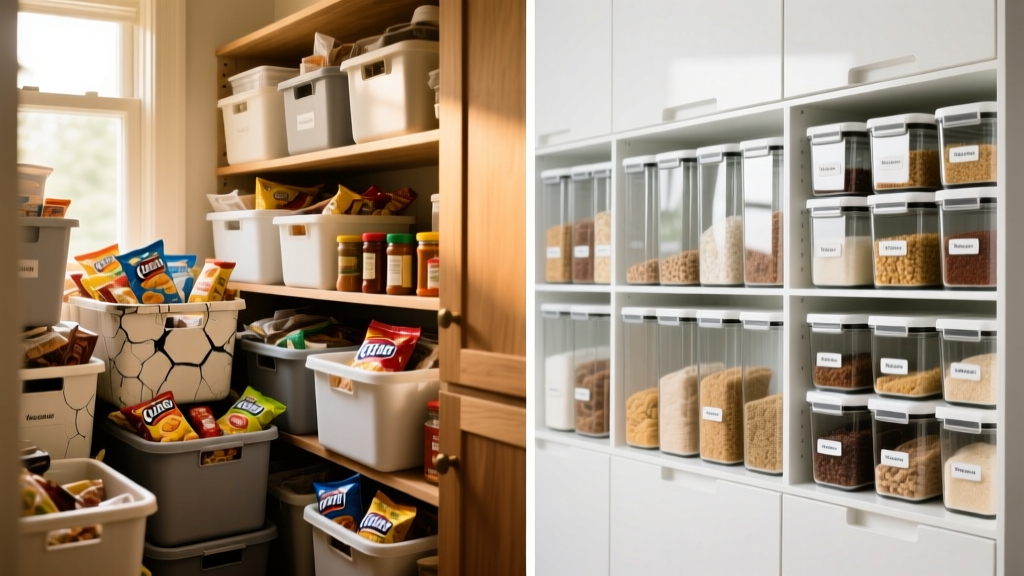
When compiling a list of the most helpful kitchen gadgets, home cooks often prioritize flashy prep tools over storage solutions. However, how you store your ingredients dictates your food waste, pantry efficiency, and cooking speed. The divergence between a novice and a seasoned culinary expert becomes immediately apparent in their choice of organizational gadgets. Beginners typically select storage based on low upfront costs, visual aesthetics, or multipurpose claims. Experts, conversely, invest in atmospheric control, volumetric modularity, and specific failure-mode mitigation.
According to the Natural Resources Defense Council (NRDC), the average American family of four discards roughly $1,500 worth of food annually, much of which stems from improper storage environments. Upgrading from basic bins to precision-engineered storage gadgets is not just an organizational preference; it is a financial and culinary necessity.
Pantry Containers: Snap-Locks vs. Vacuum-Sealed Modularity
The pantry is where the beginner vs. expert gap is most visible. Dry goods require protection from humidity, oxidation, and pantry pests like weevils.
The Beginner Pick: OXO Good Grips POP Containers
The OXO POP line (specifically the 4.4 Qt model, retailing around $16) is the default entry-level choice. They feature a push-button mechanism that lifts a silicone gasket to create a seal. While visually uniform and stackable, they suffer from a critical failure mode: fine powders like flour, cornstarch, or powdered sugar easily infiltrate the button mechanism, causing it to stick and breaking the airtight seal. Furthermore, the polycarbonate plastic is prone to micro-scratches and clouding if washed in the bottom rack of a dishwasher where heating elements exceed 140°F.
The Expert Pick: Zwilling Fresh & Save Vacuum System
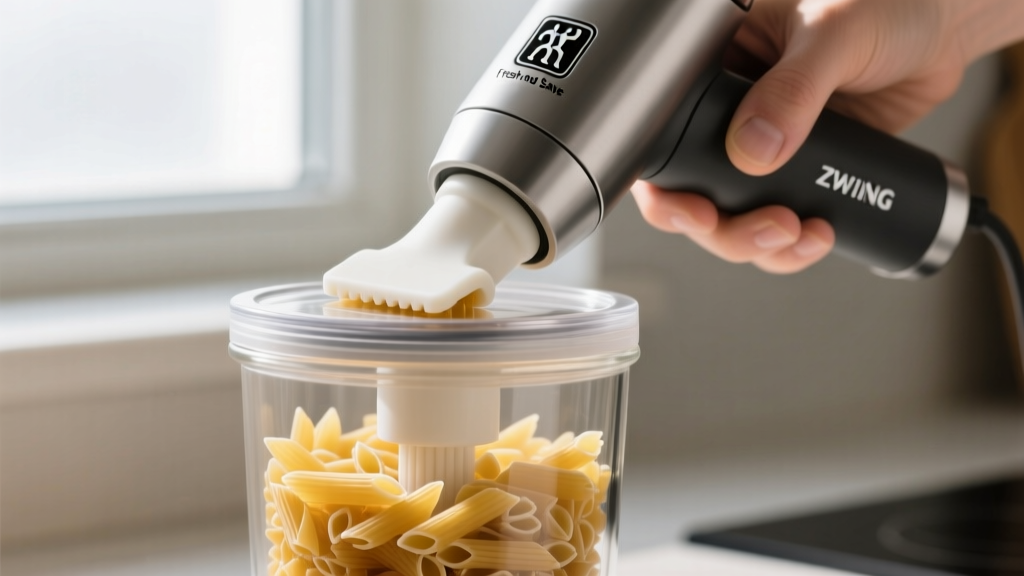
Experts prioritize atmospheric displacement. The Zwilling Fresh & Save 10-piece starter set ($130) utilizes borosilicate glass containers and a handheld vacuum pump that extracts up to 90% of the air. By drastically reducing oxygen levels, this system slows the oxidation of fats in nuts and whole-grain flours, extending their shelf life by up to three times compared to standard snap-lock bins. The USDA FoodKeeper App confirms that reducing oxygen exposure is the primary factor in extending the viability of dry pantry goods. Expert caveat: When storing fine powders in vacuum containers, experts place a paper coffee filter over the food to prevent dust from clogging the silicone vacuum valve on the lid.
While OXO POP containers cost roughly $0.28 per cubic inch of storage, the Zwilling glass system costs $0.65 per cubic inch. However, factoring in the reduction of spoiled specialty ingredients (like $12 bags of almond flour or $18 bottles of cold-pressed oils), the Zwilling system achieves a positive ROI within 8 months for avid bakers.
Drawer Organization: Static Trays vs. Dynamic Tension Systems
Utensil and lid storage is where generic gadgets fail to account for the physical realities of kitchen cabinetry. Standard base cabinets feature drawers that are 21 to 24 inches deep and subject to violent kinetic force when slammed shut.
Beginner: Bamboo Expandable Dividers
Novices frequently purchase spring-loaded bamboo drawer dividers ($15-$20). These rely on weak internal springs to push against the drawer walls. In a standard 21-inch drawer, the lateral force required to keep heavy stainless steel utensils from shifting is greater than the spring tension these gadgets provide. The result is a collapsed divider and a jumbled drawer every time it is closed.
Expert: Lynk Professional Tension Dividers and YouCopia StoraLid
Experts utilize heavy-duty, screw-tensioned steel dividers, such as the Lynk Professional line ($18 for a 2-pack). These use a threaded steel rod that expands and locks with a twist, providing over 40 lbs of lateral holding force—enough to withstand aggressive drawer closure without slipping. For Tupperware lids, experts abandon stacking entirely, opting for the YouCopia StoraLid ($22), which stores lids vertically like files in a cabinet, utilizing adjustable tension rods to accommodate everything from 4-cup Pyrex lids to massive 12-quart stockpot covers.
Comparison Matrix: Storage Gadget Showdown
| Category | Beginner Gadget | Expert Gadget | Key Differentiator |
|---|---|---|---|
| Dry Goods | OXO POP (Polycarbonate) | Zwilling Fresh & Save (Glass) | Vacuum displacement vs. basic gasket seal |
| Drawers | Spring-loaded Bamboo | Lynk Screw-Tension Steel | 40+ lbs lateral force vs. 5 lbs spring force |
| Produce | Silicone Stretch Lids | OXO GreenSaver Keepers | Ethylene gas absorption vs. moisture trapping |
Fridge & Produce Storage: Cling Film vs. Ethylene Gas Absorbers
Refrigerator organization requires managing humidity and botanical hormones. The Environmental Protection Agency (EPA) notes that fruits and vegetables make up the largest percentage of discarded food by weight, largely due to accelerated ripening and rot in the crisper drawer.
Beginner: Generic Silicone Stretch Lids
Beginners often replace single-use plastic wrap with reusable silicone stretch lids. While eco-friendly, stretching a non-permeable silicone membrane over a bowl of cut fruit or leafy greens traps ambient moisture and anaerobic bacteria against the produce, accelerating slime formation and decay within 48 hours.
Expert: OXO GreenSaver Produce Keepers
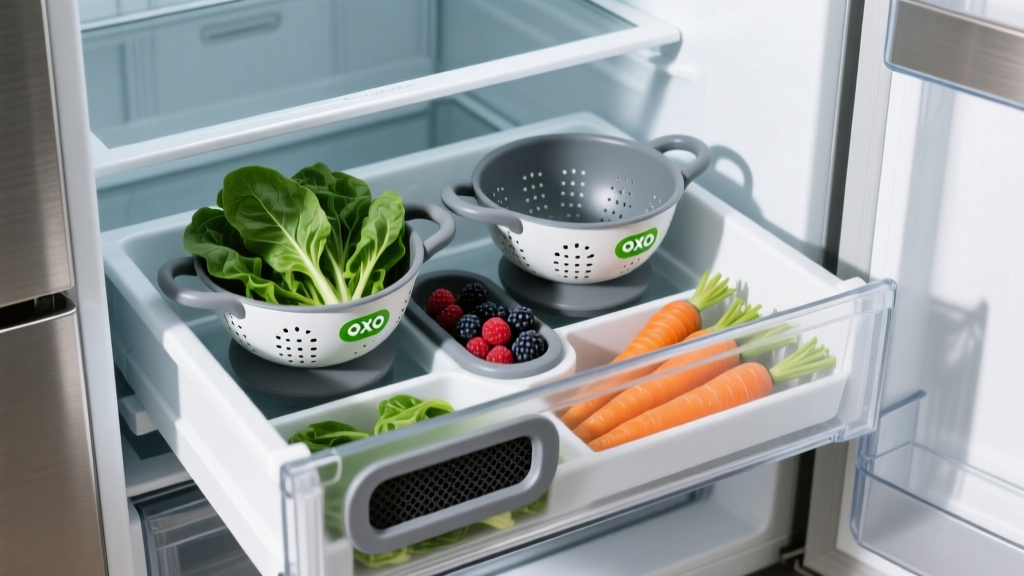
Experts manage the invisible culprit of produce spoilage: ethylene gas. The OXO GreenSaver system (4.8 Qt model, $22) utilizes a three-part design. An elevated inner colander keeps produce away from pooled condensation, preventing bottom-layer rot. The outer shell traps the ethylene gas emitted by ripening fruit, while the activated carbon filter insert (requiring a $8 replacement every 30 days) chemically adsorbs the gas, halting the ripening cascade. This specific gadget can extend the lifespan of delicate items like spring mix and berries from 4 days to over 12 days.
"Amateurs focus on keeping the cold air in. Professionals focus on keeping the ethylene gas out. If you store ethylene-producing apples next to ethylene-sensitive carrots without a carbon barrier, your carrots will turn bitter and limp in three days."
The Financial Breakdown: Building Your System
Outfitting a standard 24-inch wide, 5-shelf pantry reveals the true cost of the beginner vs. expert divide.
- The Beginner Route ($110 - $140): Purchasing 15 assorted snap-lock plastic bins, 2 packs of bamboo dividers, and a box of silicone stretch lids. This setup requires replacement every 2-3 years due to plastic warping, stained lids, and broken springs, and results in higher ongoing food waste.
- The Expert Route ($380 - $450): Investing in a Zwilling vacuum starter set, modular glass jars for non-vacuum items, steel tension dividers, and GreenSaver produce bins. This system is built with borosilicate glass and stainless steel, carrying a 10+ year lifespan.
While the expert route demands a 3x higher initial capital outlay, the mitigation of $1,500 in annual food waste means the expert storage gadgets pay for themselves in roughly three months. Ultimately, the most helpful kitchen gadgets are not those that chop or blend, but those that preserve the integrity of the ingredients you spent time and money acquiring.
Written by
Lena ChenLena Chen earned her M.S. in Human-Computer Interaction from Carnegie Mellon University and a B.S. in Electrical Engineering from the University of Washington. She has spent the past decade specializing in smart home architecture and IoT ecosystems, helping over 200 homeowners design fully connected living spaces. Lena is a certified Matter protocol consultant and has published peer-reviewed research on voice-first interface design in the ACM Digital Library. Her reviews of smart home products combine deep technical analysis with real-world usability testing, evaluating everything from Zigbee mesh stability to Alexa skill responsiveness. She regularly speaks at CEDIA Expo and CES smart home panels.