Budget Mini PCs & SBCs: Sourcing Wholesale Gadget Parts in 2026
Discover the best budget mini PCs and SBCs for 2026. Learn how sourcing wholesale gadget parts can slash costs for your next compact desktop build.
The 2026 Compact Computing Landscape
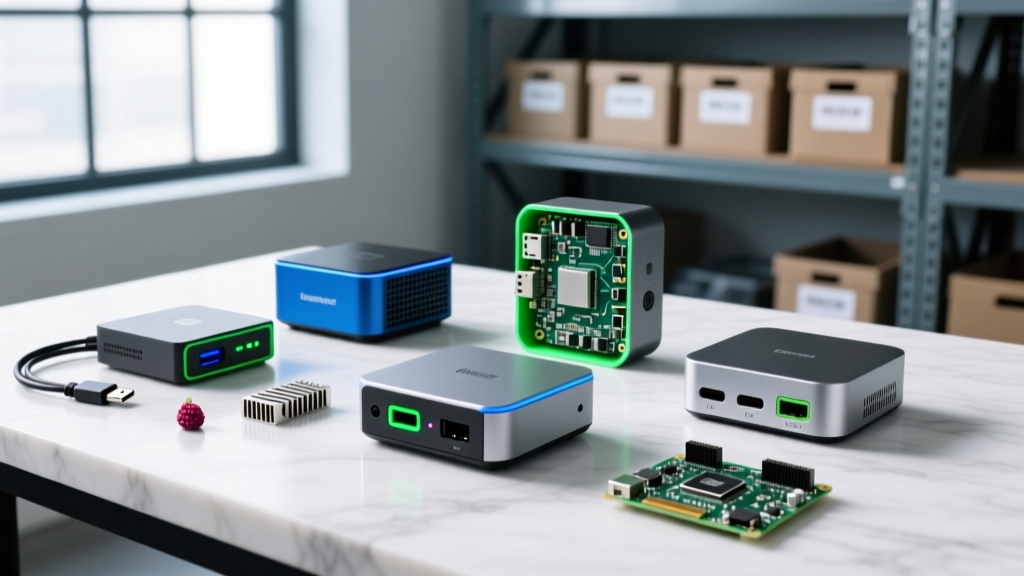
The era of the sprawling, power-hungry desktop tower is firmly in the rearview mirror for homelab enthusiasts and edge-computing tinkerers. As we navigate 2026, single-board computers (SBCs) and ultra-compact mini PCs have achieved a level of performance that rivals mid-range desktops from just three years ago. Whether you are deploying a local LLM inference node, building a Kubernetes cluster, or setting up a low-power pfSense router, compact computing is the undisputed king of efficiency.
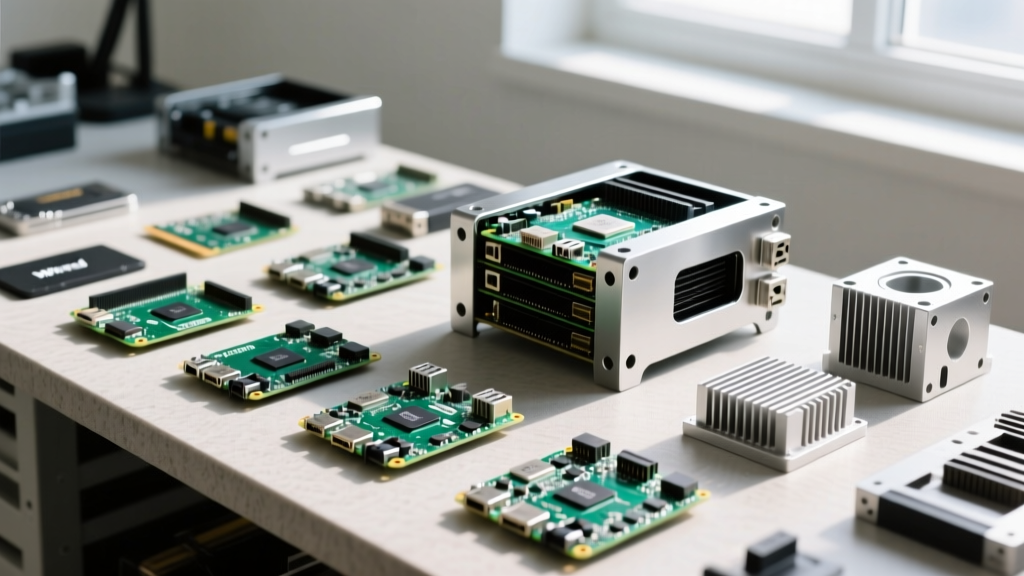
However, the 'base price' of a mini PC or SBC is rarely the final price. Barebones kits require memory, storage, and specialized cooling. For enthusiasts scaling up to multi-node clusters, retail markups on accessories can easily double your budget. This is where a strategic approach to sourcing components comes into play, fundamentally changing the economics of your build.
Top Budget Mini PCs and SBCs for Enthusiasts
Before we dive into component sourcing, let us establish the best foundation platforms available this year. These models offer the highest performance-per-dollar ratios for tinkerers.
| Model | Processor / SoC | Base Price (2026) | Max RAM | Best Use Case |
|---|---|---|---|---|
| Beelink SER8 | AMD Ryzen 7 8845HS | $489 (Barebone) | 64GB DDR5 | Local AI, Emulation, Daily Driver |
| Minisforum NAB6 | Intel Core i7-12650H | $429 (Barebone) | 64GB DDR5 | Proxmox Host, Virtualization |
| Raspberry Pi 5 | BCM2712 (Quad A76) | $80 (8GB) | 8GB LPDDR4X | IoT, Lightweight Docker, GPIO |
| Orange Pi 5 Plus | Rockchip RK3588 | $125 (16GB) | 16GB LPDDR4X | ARM Cluster, NPU Edge AI |
Maximizing Margins with Wholesale Gadget Parts
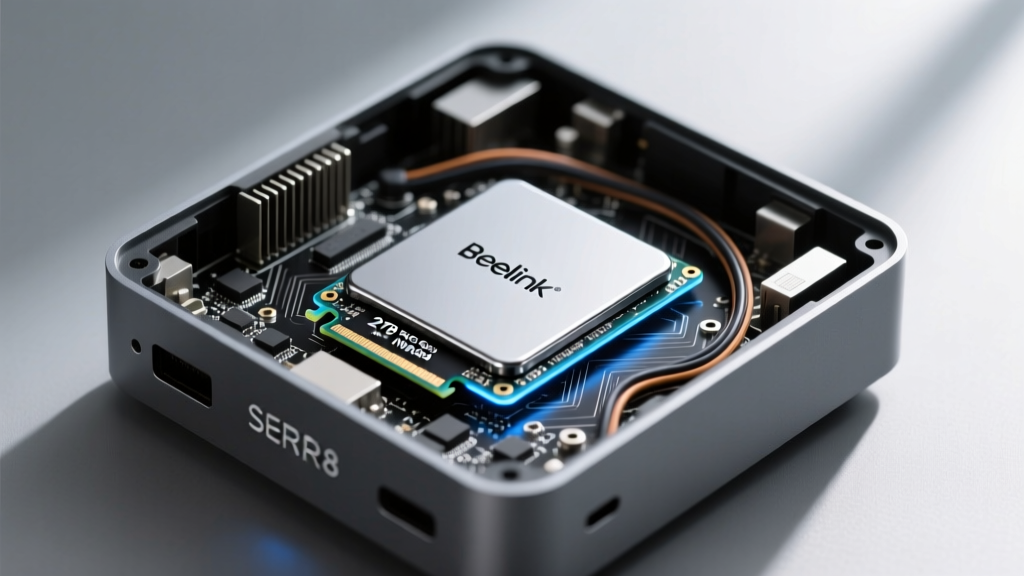
When outfitting a Beelink SER8 with 64GB of RAM and a 2TB boot drive, or building a five-node Raspberry Pi 5 cluster, buying accessories from standard retail storefronts will drain your wallet. Savvy enthusiasts in 2026 are turning to the global supply chain, specifically sourcing wholesale gadget parts directly from Shenzhen-based manufacturers via platforms like Alibaba, LCSC, or direct factory storefronts on AliExpress.
Essential Components to Source in Bulk
Not every part of your build should be bought wholesale. CPUs and motherboards require local warranties. But peripherals, interconnects, and upgrade modules are prime candidates for bulk purchasing.
- DDR5 SO-DIMM Modules: Brands like Fanxiang or KingSpec offer 32GB DDR5-5600 SO-DIMM kits. While retail pricing hovers around $75 per stick, wholesale tiers (even at low MOQs of 5-10 units) drop the price to roughly $42 per stick.
- PCIe Gen4 NVMe SSDs: For Proxmox boot drives or SBC NVMe HATs, DRAM-less Gen4 drives (like the KingSpec NX series) can be sourced for under $35 for 1TB when buying in small wholesale batches, compared to $65+ retail.
- SBC Active Coolers & Heatsinks: The Raspberry Pi 5 Active Cooler retails for $10. Through wholesale electronics channels, identical dual-ball-bearing PWM coolers can be acquired for $2.80 each in packs of 20.
- Custom Interconnects & PoE HATs: If you are building an SBC cluster, Power over Ethernet (PoE) is mandatory for clean cable management. Wholesale PoE+ HATs and custom flat-flex ribbon cables cost a fraction of official retail add-ons.
The Math: Retail vs. Wholesale Component Sourcing
To illustrate the real-world impact on your budget, let us look at the cost of upgrading a barebones Minisforum NAB6 and building a 3-node Orange Pi cluster using retail versus wholesale channels.
Expert Insight: When ordering wholesale gadget parts from overseas suppliers, always factor in shipping and potential customs duties. However, for orders over $150, suppliers often use expedited DDP (Delivered Duty Paid) shipping, meaning the price you see at checkout is the final landed cost, arriving in 7-12 days.
Scenario A: Upgrading a Barebones Mini PC (64GB RAM + 2TB SSD)
- Retail Route: 2x 32GB Crucial DDR5 ($150) + 2TB WD Black SN850X ($160) = $310
- Wholesale Route: 2x 32GB KingSpec DDR5 ($84) + 2TB Fanxiang Gen4 NVMe ($72) = $156 (50% Savings)
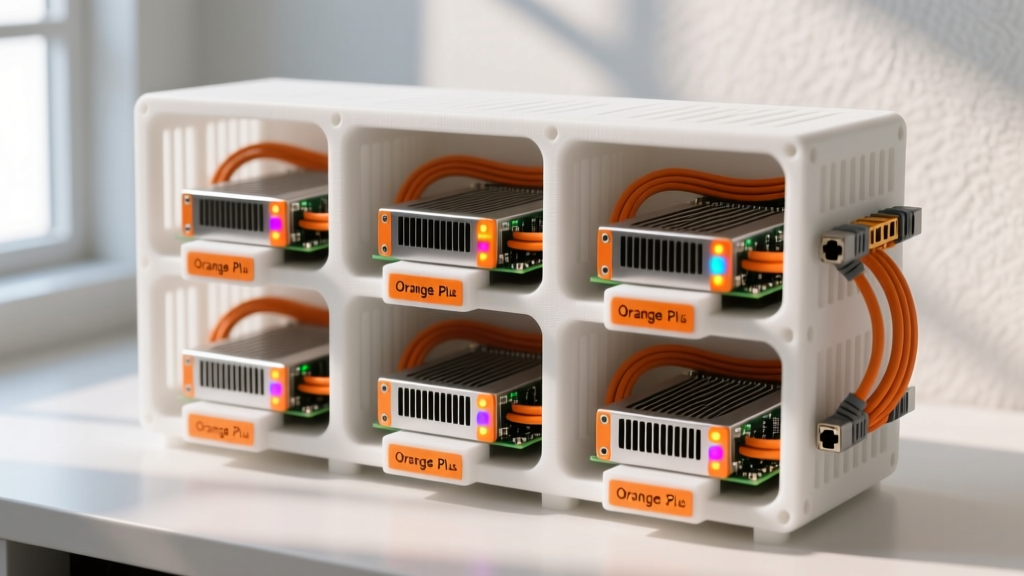
Scenario B: 3-Node Orange Pi 5 Plus Cluster Accessories
- Retail Route: 3x Official Power Supplies ($45) + 3x Acrylic Cases ($60) + 3x NVMe HATs ($45) = $150
- Wholesale Route: 3x 27W USB-C PD GaN adapters ($18) + 3x Custom Aluminum chassis ($27) + 3x Generic PCIe HATs ($12) = $57 (62% Savings)
Step-by-Step: Assembling Your Budget Compact Rig
Sourcing the parts is only half the battle. Here is a streamlined workflow for integrating these budget components into your compact desktop or SBC setup.
1. Validate Compatibility and Clearances
Wholesale NVMe drives often use single-sided NAND layouts, which is perfect for the ultra-tight M.2 slots found in mini PCs like the Beelink SER8. However, always check the Z-height clearance. If your SBC uses an NVMe HAT, ensure the wholesale ribbon cable includes the correct 22-pin FPC connector (some cheap batches ship with 16-pin cables meant for older Pi 4 setups).
2. Flash and Stress Test Immediately
Budget storage and memory require validation. Upon receiving your wholesale DDR5 SO-DIMMs, boot into MemTest86 for a full 4-pass cycle. For NVMe drives, use fio or CrystalDiskMark to write 500GB of dummy data, monitoring thermals with nvme-cli. According to Tom's Hardware, thermal throttling is the primary failure point in compact builds, making your wholesale cooling solutions critical.
3. Implement Cluster Networking
If you are utilizing SBCs, avoid relying on Wi-Fi. Use your wholesale sourcing to buy a spool of Cat6a Ethernet cable and a budget 5-port unmanaged 2.5GbE switch. As noted by the edge-computing experts at CNX Software, the Rockchip RK3588 SoC in the Orange Pi 5 Plus natively supports PCIe 3.0, meaning a wholesale 2.5GbE HAT will saturate the bus without bottlenecking your cluster communication.
FAQ: Navigating Wholesale Electronics for Homelabs
What is the typical MOQ (Minimum Order Quantity) for these parts?
For enthusiast-grade wholesale gadget parts, the MOQ is surprisingly low. Most Alibaba suppliers will allow 'sample orders' of 2 to 5 units at a 10-15% premium over the 100-unit tier price. This is still vastly cheaper than Western retail.
Are wholesale DDR5 modules safe for daily-driver mini PCs?
Yes, provided you stick to reputable Shenzhen brands that utilize actual Samsung, Micron, or SK Hynix NAND/DRAM chips. Avoid unbranded 'white label' sticks. Brands like KingSpec, Fanxiang, and Netac have established track records in the budget space.
How do I handle RMA and warranties on wholesale components?
Assume there is no practical warranty. The cost of shipping a defective $35 NVMe drive back to Guangdong province exceeds the cost of replacement. Factor in a 5% 'defect rate' buffer into your budget. If you order three wholesale active coolers and one arrives with a dead PWM fan, you are still ahead of the retail curve.
Final Thoughts
Building a high-performance homelab or edge-computing cluster in 2026 does not require enterprise budgets. By pairing top-tier barebones mini PCs and SBCs with strategically sourced wholesale gadget parts, you can achieve massive computational density for a fraction of the traditional cost. Do your due diligence, stress-test your silicon, and enjoy the unmatched satisfaction of a high-performance, budget-optimized compact build.
For more deep-dives into compact server architectures and networking topologies, be sure to check out the extensive mini-PC teardowns at ServeTheHome.
Written by
Jake MorrisonJake Morrison holds a B.S. in Electrical Engineering from UC Berkeley and an MBA from Stanford Graduate School of Business. With over 12 years of hands-on experience in consumer electronics, he previously served as a senior product engineer at a Silicon Valley startup before transitioning to tech journalism. Jake has personally tested and benchmarked over 3,000 gadgets across categories including smartphones, wearables, smart home devices, and audio equipment. His durability testing methodology — involving controlled drop tests, thermal cycling, and water submersion — is widely cited by major tech publications. He is a certified CompTIA A+ technician and a contributing editor to the IEEE Consumer Electronics Magazine.