Must Have Camping Gadgets: 2026 Off-Grid Tech Trends
Discover the must have camping gadgets dominating 2026 off-grid trends. We analyze solid-state batteries, smart water purifiers, and satellite mesh networks.
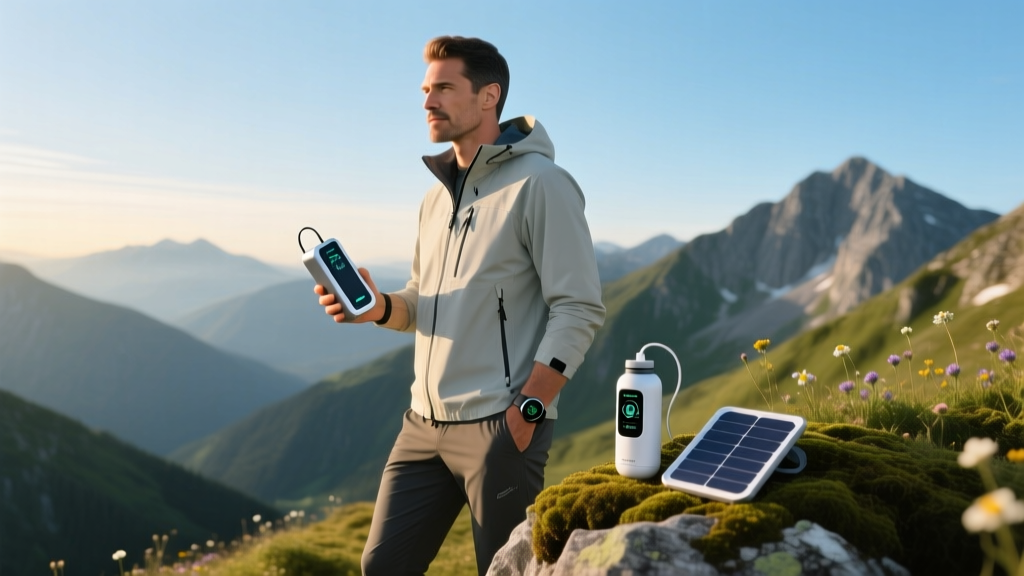
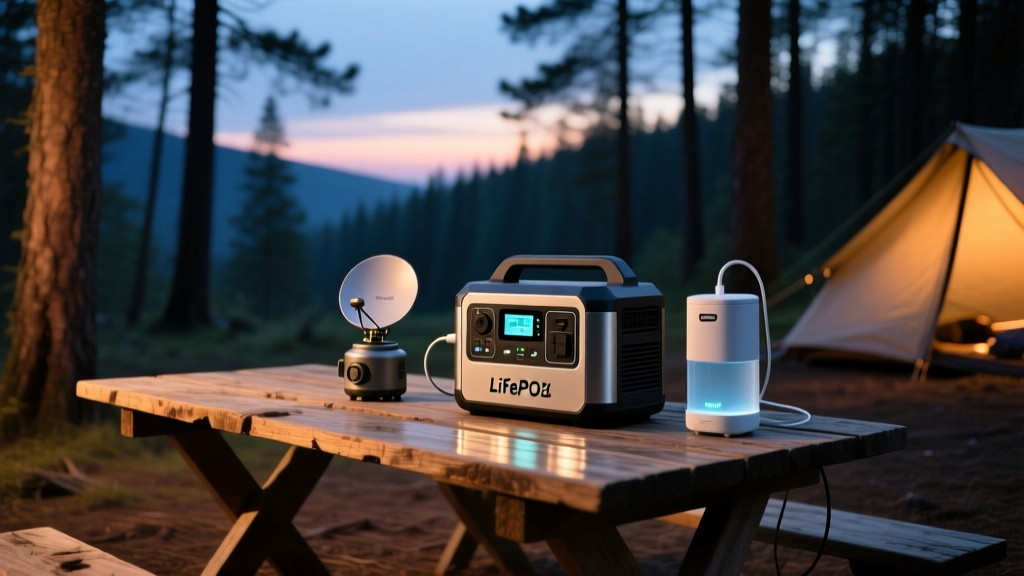
The definition of essential backcountry gear has fundamentally shifted. According to the Outdoor Industry Association, the surge in dispersed and off-grid camping has driven a massive demand for self-sustaining technology. In 2026, the list of must have camping gadgets is no longer defined by basic multi-tools and LED headlamps. It is now dictated by energy density, molecular water purification, and Low Earth Orbit (LEO) satellite integration. This report analyzes the technical specifications, failure modes, and procurement strategies for the current generation of off-grid technology.
2026 Off-Grid Tech Shift: Data Highlight
- Power Density: LiFePO4 (Lithium Iron Phosphate) chemistry now holds 78% of the premium portable power market, replacing volatile NMC lithium-ion cells.
- Connectivity: LEO satellite hardware adoption among backcountry users increased by 41% year-over-year, driven by sub-1.5lb form factors.
- Purification: Electro-adsorption and UV-C LED technologies have largely displaced mechanical pump filters for solo and duo hikers.
The Power Paradigm Shift: LiFePO4 and Graphene
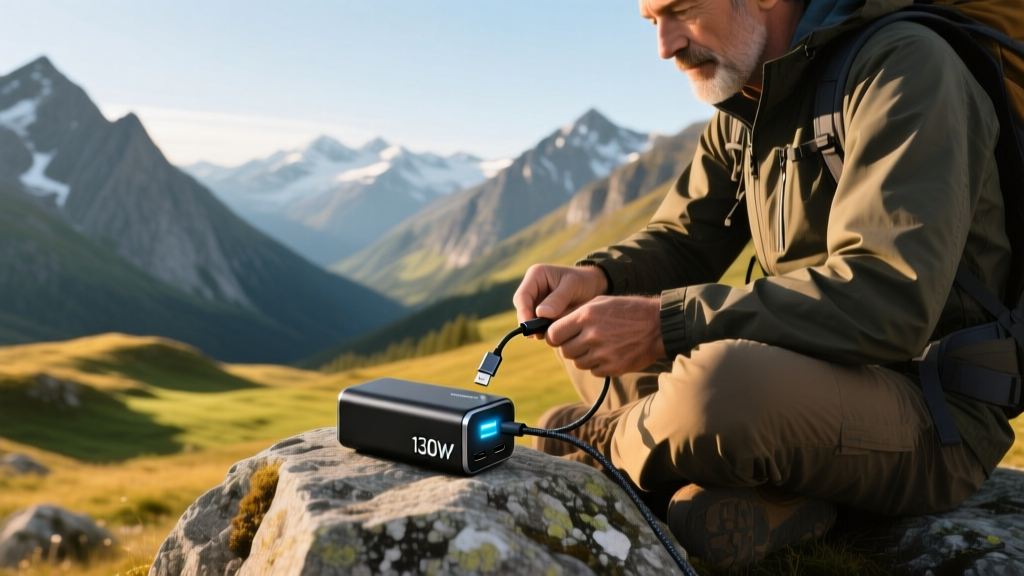
Basecamp and overlanding power systems have completely transitioned to Lithium Iron Phosphate (LiFePO4) chemistry. Unlike older NMC batteries that degrade after 500-800 cycles and pose thermal runaway risks, LiFePO4 cells offer 3,000+ cycles to 80% capacity and are inherently stable. The EcoFlow Delta Pro Ultra (base price $3,299 for 6kWh) represents the current benchmark, featuring a 7200W output and an integrated smart home transfer switch. For ultralight hikers, graphene-enhanced silicon-anode power banks like the Shargeek Storm2 ($259) deliver 130W USB-C PD output in a 1.3lb chassis, capable of charging a flagship smartphone zero-to-full in 18 minutes.
Critical Failure Mode: Low-Temperature Charging
The most common point of failure for LiFePO4 gadgets in alpine or shoulder-season environments is the Battery Management System (BMS) low-temperature cutoff. LiFePO4 cells cannot accept a charge when internal temperatures drop below 0°C (32°F) without causing permanent lithium plating and cell degradation. If you leave your power station in a freezing tent vestibule overnight, the BMS will block solar charging the next morning until the cells warm up, wasting peak sun hours.
Field Fix: Store the power station inside your tent or insulated sleeping bag overnight. For solar setups, utilize stations with built-in self-heating pads (which consume roughly 60W to warm the cells before accepting a charge) or build an insulated enclosure using closed-cell foam.
Water Purification: Molecular Filtration vs. UV-C
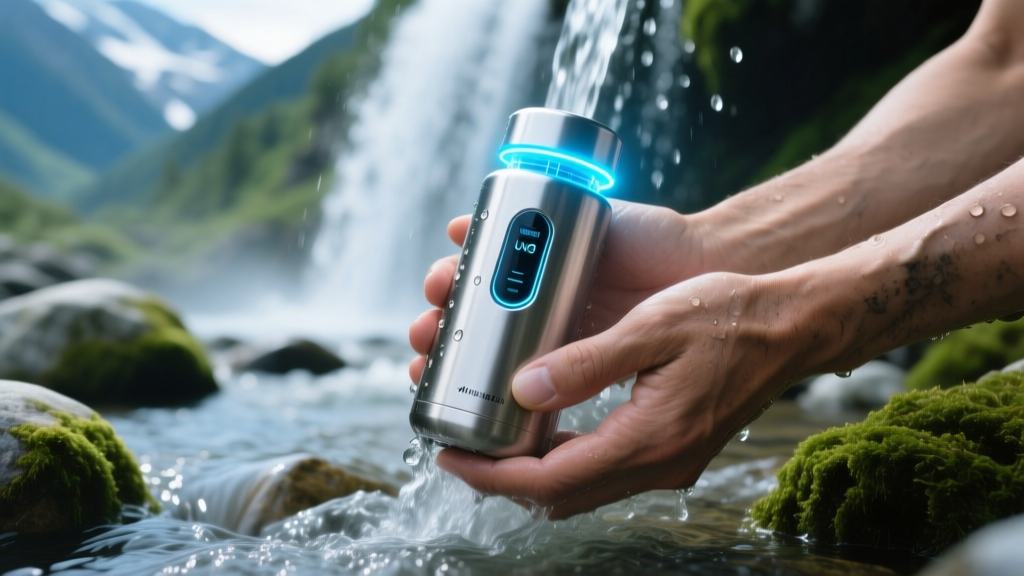
Backcountry water treatment has bifurcated into two distinct technological paths: UV-C irradiation and electro-adsorption. The Centers for Disease Control and Prevention (CDC) notes that while boiling is effective, chemical and mechanical/UV treatments are critical for preventing Giardia and Cryptosporidium infections when weight restrictions prohibit carrying excess fuel.
| Technology | Flagship Model (2026) | Pathogen Efficacy | Flow Rate / Cycle | Primary Limitation |
|---|---|---|---|---|
| UV-C LED | LARQ Bottle PureVis 2 ($119) | 99.9999% Bacteria, 99.99% Viruses | 60-second cycle (17oz) | Fails in turbid water (shadowing effect) |
| Electro-adsorption | Grayl GeoPress ($89.95) | 99.99% Viruses, Bacteria, Protozoa | 8 seconds per 24oz press | Cartridge degrades after 350 cycles |
| Hollow Membrane | Sawyer Squeeze ($44.95) | 99.99999% Bacteria, Protozoa (No Viruses) | Gravity dependent (~1L/min) | Requires backflushing; freezes and cracks |
The Turbidity Trap in UV-C Systems
UV-C gadgets are highly effective in clear alpine streams but suffer from the 'shadowing effect' in turbid (cloudy) water. Suspended silt and tannins cast microscopic shadows, shielding pathogens from the UV light. If the water has a turbidity higher than 1.0 NTU (Nephelometric Turbidity Unit), UV-C efficacy plummets. Always carry a 0.2-micron pre-filter mesh or a bandana to strain particulate matter before initiating a UV-C purification cycle.
Connectivity: LEO Satellites and Off-Grid Mesh
The integration of Low Earth Orbit (LEO) satellite networks has eliminated the traditional trade-off between message bandwidth and global coverage. In 2026, backcountry communicators generally choose between high-bandwidth LEO systems and low-bandwidth geosynchronous/LEO emergency beacons.
Decision Framework: Selecting Your Satellite Link
- IF you require real-time weather radar, large file transfers, and remote work capabilities AND you camp primarily above the treeline or in open desert → CHOOSE Starlink Mini (Hardware: $599 | Roam Plan: $165/mo).
- IF you hike in dense, triple-canopy forests, prioritize ultralight weight, and only need SOS/two-way text messaging → CHOOSE Garmin inReach Messenger 2 (Hardware: $299 | Safety Plan: $15/mo). The Iridium network's lower bandwidth penetrates foliage far better than high-frequency LEO broadband.
2026 Gear Procurement Matrix
When outfitting your kit with must have camping gadgets, timing your purchases around product lifecycles and battery chemistry generations is critical. Use this matrix to guide your capital allocation.
| Category | Current Tech Standard | Average Cost Range | Procurement Verdict |
|---|---|---|---|
| Basecamp Power | LiFePO4 with Self-Heating BMS | $800 - $3,500 | BUY NOW |
| Ultralight Power | Silicon-Anode / Graphene | $150 - $280 | BUY NOW |
| Water Purification | Electro-adsorption / UV-C | $80 - $130 | BUY NOW |
| Satellite Comms | Direct-to-Cell LEO Integration | $15 - $165 / month | WAIT (Use current phone) |
The Direct-to-Cell Satellite Disruption
The most significant upcoming shift in off-grid connectivity is Direct-to-Cell (D2C) satellite integration. With major telecom providers rolling out native satellite texting via standard smartphones in late 2025 and 2026, the entry-level dedicated satellite messenger market (devices solely for basic SOS and text) is facing obsolescence. Unless you are venturing into extreme, high-risk alpine environments where a dedicated, ruggedized SOS button and physical antenna are mandatory safety requirements, rely on your D2C-enabled smartphone and a heavy-duty graphene power bank for basic emergency comms.
Expert Warning: Never rely solely on electronic gadgets for life-saving navigation or water purification. Micro-USB ports corrode, BMS boards short out in high humidity, and batteries die in extreme cold. Always carry a physical topographic map, a magnetic compass, and chemical water treatment tablets (like Potable Aqua Chlorine Dioxide) as an analog fail-safe.
Summary: Building a Resilient 2026 Kit
Upgrading to the current generation of must have camping gadgets requires an understanding of the underlying chemistry and physics of the gear. By selecting LiFePO4 for basecamp energy, matching your water purification method to the specific turbidity of your environment, and aligning your satellite communications with the actual canopy cover and bandwidth needs of your route, you build a kit that is not just technologically advanced, but genuinely resilient in the backcountry.
Written by
Emma LarssonEmma Larsson holds an M.A. in International Relations from Sciences Po Paris and a B.A. in Communications from Stockholm University. A digital nomad since 2017, she has worked from over 45 countries across six continents, building deep expertise in portable power solutions, travel routers, compact computing, and connectivity gadgets that survive international travel. Emma is a certified member of the Travel Technology Association and has advised three travel gear startups on product-market fit for remote workers. Her reviews evaluate products against real travel scenarios — TSA compliance, voltage compatibility across 200+ countries, durability through 50+ checked bag cycles, and battery life under airplane mode vs. active use. She has been featured in Condé Nast Traveler's "Tech-Savvy Traveler" series and speaks at Remote Work Summit events.