7 Problem-Solving Camera Gadgets That Fix Photo Frustrations (2026)
Discover the best problem-solving camera gadgets for 2026. Fix audio clipping, color casts, and overheating with these practical, expert-tested photography tools.
The Hidden Costs of Bad Gear: Why Problem-Solving Camera Gadgets Matter
Every photographer and videographer has experienced the sinking feeling of a ruined shoot. You capture the perfect fleeting expression, only to realize later that the audio is clipped, the white balance is hopelessly skewed by mixed lighting, or your mirrorless camera shut down due to thermal throttling. While buying a newer camera body is the instinctive reaction, the real solutions often lie in specialized, problem-solving camera gadgets. In 2026, the most valuable gear in your bag isn't necessarily the most expensive lens; it is the targeted accessory that eliminates specific field failures. According to industry analyses from DPReview, over 40% of ruined professional takes are attributed to environmental and ergonomic failures rather than sensor limitations. This guide bypasses generic accessories and dives deep into the exact camera gadgets engineered to solve the most expensive and frustrating problems in modern photography and videography.
1. The Audio Clipping Eliminator: DJI Mic 2 (32-Bit Float)
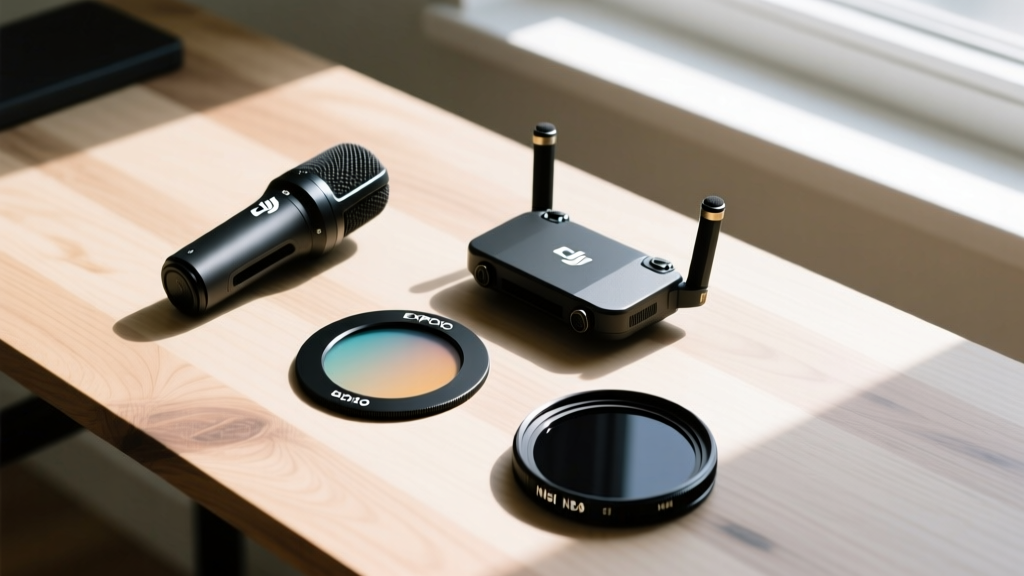
There is nothing worse than watching a perfect documentary interview back, only to hear harsh digital distortion when the subject suddenly laughs or raises their voice. Traditional wireless microphones require you to manually set analog gain, turning audio recording into a stressful guessing game. The DJI Mic 2 solves this with 32-bit float internal recording. Priced at $329 for the dual-transmitter kit, this gadget records an effectively limitless dynamic range. You can literally set the gain blindly, and recover a whisper or a screaming cheer in post-production without a single decibel of digital clipping. PetaPixel audio tests confirm that 32-bit float eliminates the need for safety tracks, saving hours of sync work and preventing catastrophic audio loss in unpredictable run-and-gun environments.
2. The Color Cast Corrector: ExpoDisc 2.0 Custom White Balance
Mixed lighting environments—like a venue with tungsten practicals, fluorescent overheads, and window daylight—create muddy, uncorrectable skin tones. The ExpoDisc 2.0 ($49.95) is a deceptively simple optical gadget that solves this in seconds. By placing it over your lens and capturing a single reference frame toward your primary light source, you generate a flawless custom white balance profile in-camera. Instead of spending 15 minutes per session using the eyedropper tool in Lightroom and attempting to match color temperatures across different angles, the ExpoDisc ensures your RAW files are perfectly neutralized straight out of the camera. It is an indispensable tool for event and wedding photographers facing chaotic venue lighting.
3. The Overheating Savior: Tilta Tactical Cooling Fan for Sony FX3/A7S III
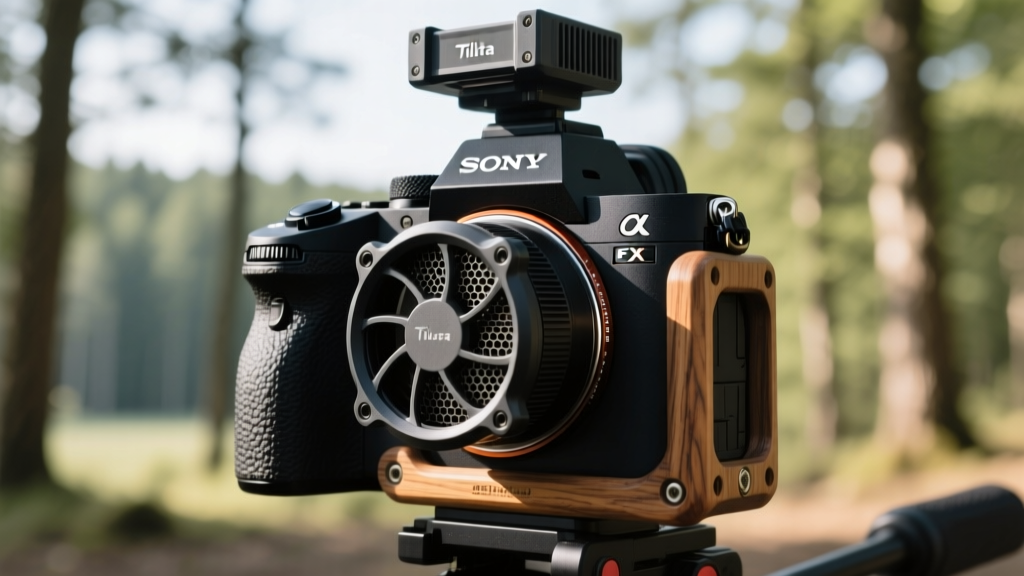
High-resolution, high-framerate video pushes modern mirrorless sensors to their thermal limits. Shooting 4K at 120fps on a Sony FX3 or A7S III will eventually trigger an overheat warning, forcing a mandatory shutdown right in the middle of a crucial take. The Tilta Tactical Cooling Fan ($129) attaches directly to the camera's side port, utilizing active thermoelectric cooling to drop internal sensor temperatures by up to 15°C. Unlike bulky external cages that unbalance your gimbal, this low-profile gadget draws power directly from the camera's dummy battery or a V-mount plate, allowing for indefinite 4K 120fps recording even in direct sunlight. As noted by B&H Photo Video experts, active cooling is no longer optional for solo videographers pushing compact cinema lines.
Quick Comparison Matrix: Problem vs. Gadget Solution
| Field Problem | Gadget Solution | Estimated Cost | Time Saved |
|---|---|---|---|
| Unpredictable Audio Clipping | DJI Mic 2 (32-Bit Float) | $329 | Hours of audio repair |
| Mixed-Lighting Color Casts | ExpoDisc 2.0 | $49.95 | 15+ mins per edit session |
| Mirrorless Thermal Shutdown | Tilta Tactical Cooling Fan | $129 | Prevents lost takes entirely |
| Urban Sodium Light Glare | NiSi Natural Night V2 | $129 (82mm) | Hours of DaVinci grading |
| Neck Strain & Slow Access | Peak Design Capture Clip V3 | $79.95 | Instant camera deployment |
4. The Urban Glare Destroyer: NiSi Natural Night Filter V2
Nighttime cityscape and astrophotography are frequently ruined by the sickly yellow-orange glow of sodium vapor streetlights. This specific light pollution peaks at the 580nm wavelength, creating a color cast that destroys contrast and is notoriously difficult to grade out without crushing your shadows. The NiSi Natural Night Filter V2 ($129 for the 82mm thread) uses specialized nano-coatings to selectively block the 580nm spectrum while allowing natural starlight and moonlight to pass through. The result is a dramatically cleaner image with deep, neutral blacks and accurate neon signage colors, straight out of the camera. It is a mandatory piece of glass for any urban landscape photographer working after dusk.
5. The Neck-Strain Reliever: Peak Design Capture Clip V3
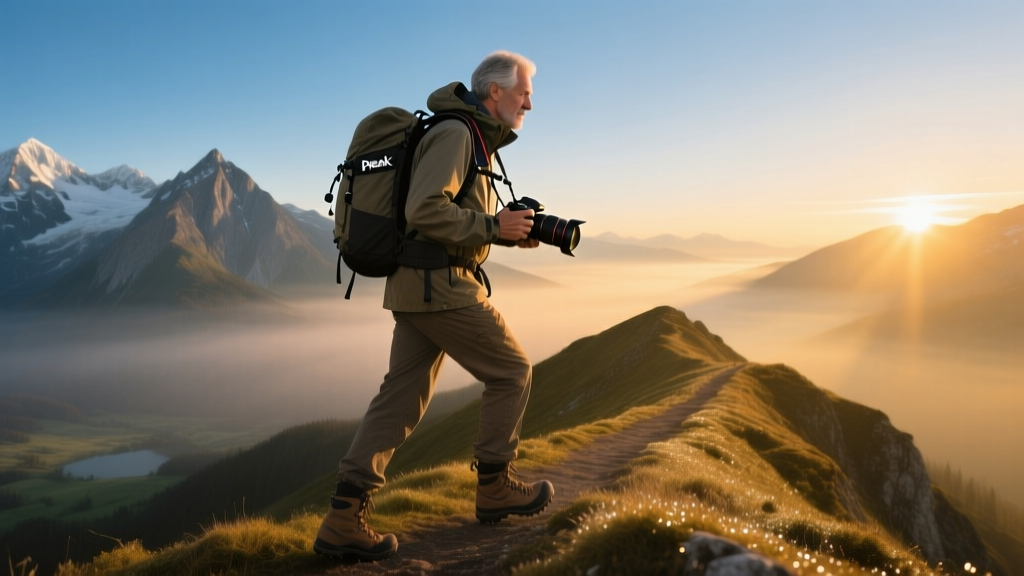
Carrying a professional mirrorless rig with a heavy 24-70mm f/2.8 lens on a traditional neck strap leads to severe cervical fatigue and slow reaction times when a spontaneous photo opportunity arises. The Peak Design Capture Clip V3 ($79.95) solves this ergonomic nightmare by securely locking your camera to your backpack strap or belt via an anodized aluminum quick-release plate. Rated to hold over 20 lbs, it features a locking pin mechanism that prevents accidental drops even during rigorous hiking or climbing. It shifts the weight from your neck to your core or shoulders, while keeping the camera grip instantly accessible in your peripheral vision.
Decision Framework: Which Camera Gadgets Do You Actually Need?
Not every photographer needs every tool. Use this practical framework to audit your kit and invest only in the camera gadgets that solve your specific bottlenecks:
- For Event & Wedding Shooters: Prioritize the ExpoDisc and DJI Mic 2. Mixed lighting and unpredictable speeches are your biggest liabilities; these tools neutralize them instantly.
- For Solo Filmmakers: The Tilta Cooling Fan is non-negotiable if you shoot high-framerate B-roll. A $129 investment prevents the loss of thousands of dollars in client footage.
- For Landscape & Travel Photographers: The Peak Design Capture Clip and NiSi Natural Night filter will drastically improve your physical endurance and nighttime image quality.
'The best camera gadgets don't necessarily add new capabilities to your camera; they remove the friction between your creative intent and the final capture.'
Frequently Asked Questions
Are expensive camera gadgets always better for solving field issues?
No. Some of the most effective problem-solving camera gadgets are remarkably affordable. The ExpoDisc, for example, costs less than $50 but saves hours of post-production color grading. Conversely, an expensive motorized gimbal might solve stabilization but introduce a new problem: a 15-minute setup time that causes you to miss fleeting candid moments. Always evaluate a gadget based on the specific friction point it removes from your unique workflow, not just its price tag or feature list.
How do I maintain these gadgets for long-term reliability?
Maintenance depends on the gadget's mechanics. For the Peak Design Capture Clip, periodically blow out the quick-release mechanism with compressed air to remove trail dust and grit that can jam the locking pin. For optical gadgets like the NiSi filter and ExpoDisc, use only sensor-safe optical cleaning solution and a microfiber cloth; never use harsh solvents that will strip the delicate nano-coatings. For active electronics like the DJI Mic 2 and Tilta fan, ensure firmware is updated via their respective desktop apps to maintain compatibility with newer 2026 camera bodies.
Written by
Marcus WebbMarcus Webb served as a U.S. Army logistics officer for 8 years, where he managed field equipment procurement and tactical gear evaluation across three combat deployments. After honorable discharge, he earned a certification from the Professional Knife Makers Association and became a certified Wilderness First Responder (WFR). Marcus has tested over 500 EDC products in extreme environments — from -40°F in Alaska to 120°F in the Mojave Desert — using military-spec testing protocols. His reviews of multi-tools, tactical flashlights, and survival gear are known for their rigorous methodology: controlled drop tests from 6 feet, 120-minute water submersion at 2 meters, and lateral torque testing at 45 Nm. He is a member of the Blade Show judging panel and contributes to OutdoorGearLab.