Cool Health and Wellness Gadgets for Women in 2026
Discover quirky, cool health and wellness gadgets for women in 2026. From smart pelvic floor trainers to vagus nerve stimulators, upgrade your self-care.
Beyond Step Trackers: The New Era of Self-Care
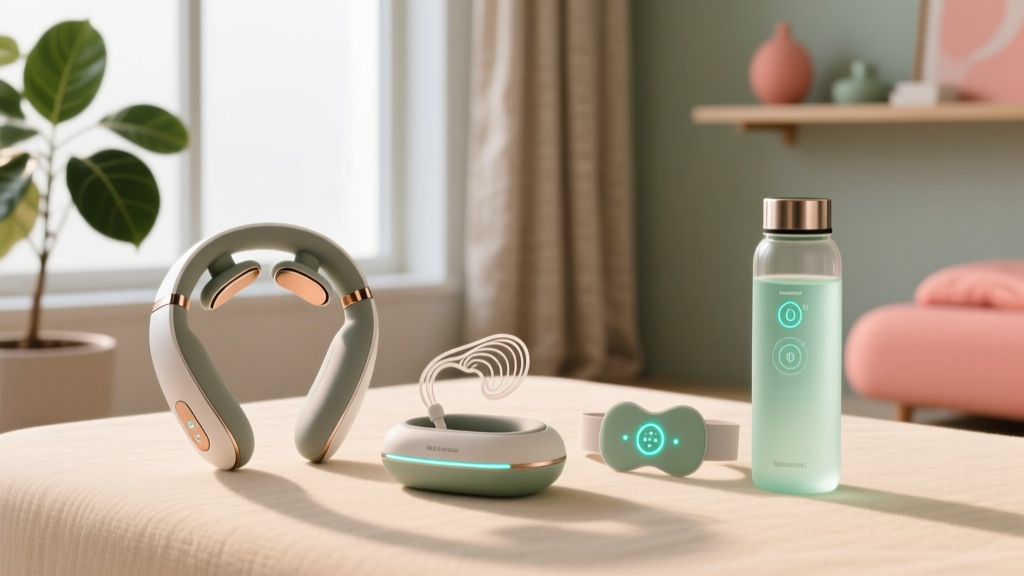
If your idea of self-care technology is still limited to counting steps and tracking calories, it is time for a major upgrade. In 2026, the most innovative health and wellness gadgets for women have moved far beyond basic fitness metrics. Today's cutting-edge devices target the root causes of burnout, hormonal imbalance, and nervous system dysregulation. We are talking about non-invasive vagus nerve stimulators, gamified biofeedback for pelvic health, and metabolic breathalyzers.
As a senior tech reviewer specializing in women's wellness, I have tested dozens of niche devices to separate the genuine medical-grade innovations from the expensive gimmicks. Below, we dive into the coolest, most unique finds that actually deliver measurable physiological changes.
1. Nervous System Regulation: Hacking the Vagus Nerve
Chronic stress keeps the sympathetic nervous system (fight-or-flight) engaged, leading to poor sleep, digestive issues, and hormonal disruption. Instead of just 'meditating it off,' women are turning to neuro-tech to manually down-regulate their nervous systems.
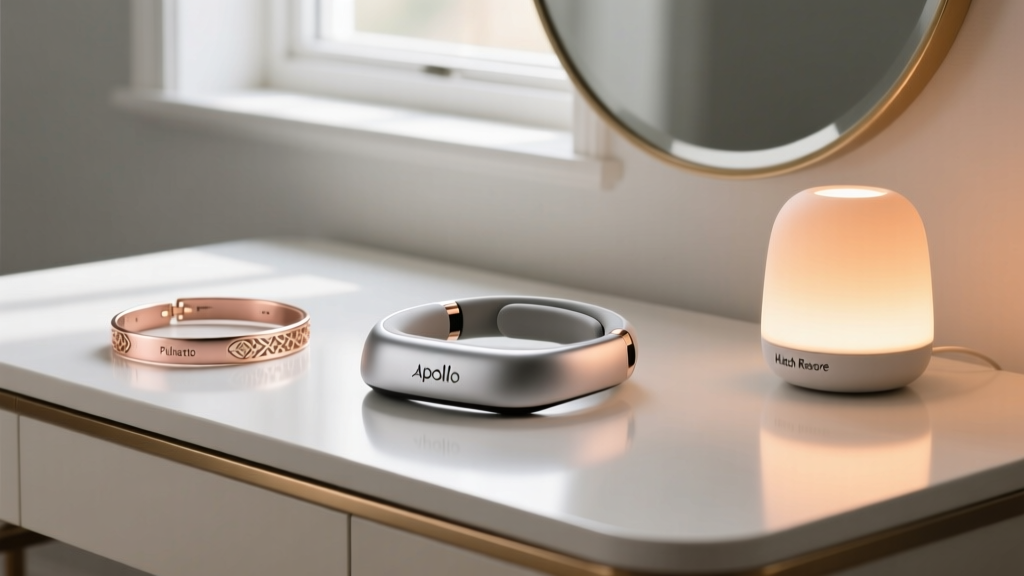
Apollo Neuro vs. Pulsetto: Which is Right for You?
Both devices aim to reduce stress, but they use entirely different mechanisms and form factors.
| Feature | Apollo Neuro (Gen 4) | Pulsetto 2.0 |
|---|---|---|
| Primary Mechanism | Silent haptic vibrations (touch therapy) | Electrical Vagus Nerve Stimulation (VNS) |
| Form Factor | Wearable band (ankle or wrist) | Ergonomic neckband |
| Session Length | Continuous / All-day background use | 4 to 10-minute targeted sessions |
| Price (2026) | $349 (No subscription required) | $299 (Optional premium app features) |
| Best For | Anxiety relief during work, sleep onset | Acute panic, deep nervous system resets |
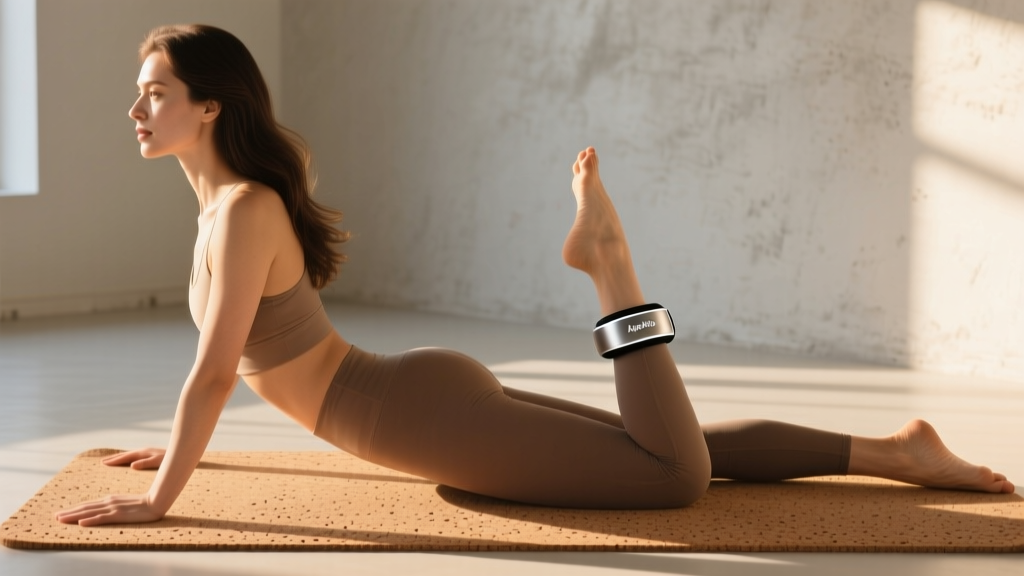
The Apollo Neuro uses specific low-frequency sound waves transmitted through haptic motors to signal safety to the brain. According to clinical studies highlighted by the National Institutes of Health (NIH), non-invasive vagus nerve and somatosensory stimulation can significantly lower heart rate variability (HRV) stress markers. Apollo is perfect for wearing under your desk during high-stakes meetings.
The Pulsetto, on the other hand, delivers mild electrical impulses directly to the vagus nerve located in the neck. It requires conductive gel and a dedicated 4-minute session, but the physiological 'reset' is often described as profound. If you suffer from acute stress spikes or insomnia, Pulsetto's active intervention is a game-changer.
2. Metabolic Intelligence: Fueling the Female Body
Women's metabolic needs fluctuate wildly across the menstrual cycle, yet most diet advice treats our bodies as static. Enter Lumen, a handheld device that measures your metabolism in real-time through your breath.
'By analyzing the CO2 concentration in your exhalation, Lumen determines whether your body is burning carbs or fats for energy. This takes the guesswork out of cycle-syncing your nutrition.'
Priced at $299 with a $19/month subscription, Lumen is an investment. However, for women dealing with PCOS, unexplained fatigue, or those trying to optimize their luteal phase nutrition, the data is invaluable. You simply exhale into the sensor for 10 seconds, and the app tells you exactly how many carbs to eat that day to maintain metabolic flexibility. It is one of those rare health and wellness gadgets that bridges the gap between clinical metabolic testing and daily lifestyle management.
3. Pelvic Floor Biofeedback: Gamifying Intimate Health
Pelvic floor dysfunction affects up to 25% of women, yet it remains heavily stigmatized and poorly treated. The Elvie Trainer ($199) has revolutionized this space by turning Kegel exercises into an engaging, data-driven game.
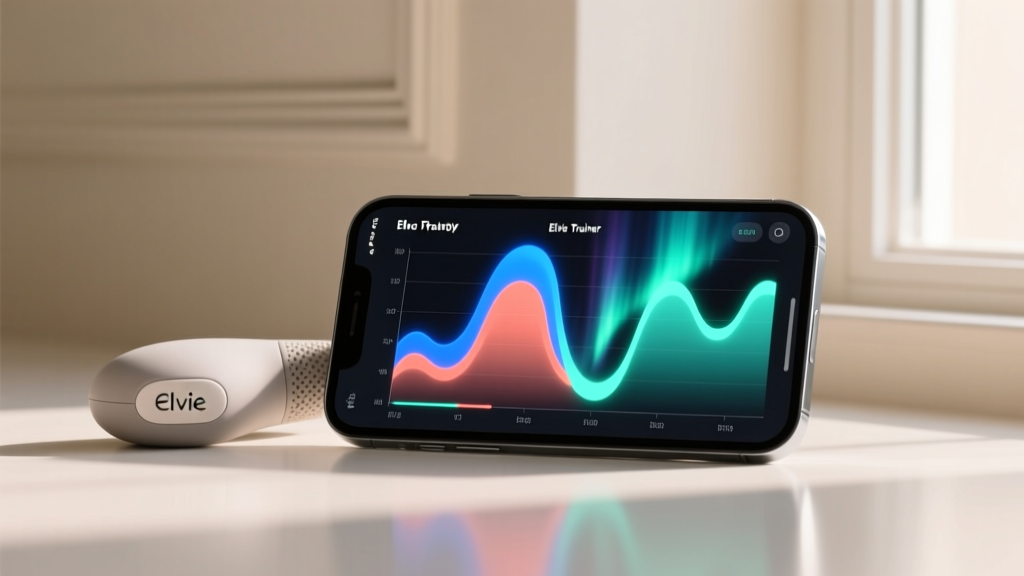
Unlike traditional biofeedback machines that require clinic visits, Elvie is a medical-grade silicone device that connects via Bluetooth to your smartphone. It measures the force and duration of your contractions in real-time. The American College of Obstetricians and Gynecologists (ACOG) consistently recommends targeted pelvic floor muscle training for preventing and managing pelvic organ prolapse and incontinence. Elvie ensures you are actually engaging the correct muscles (rather than compensating with your glutes or abs), providing visual feedback that guarantees proper form.
Why Elvie Stands Out in 2026:
- Adaptive Resistance: The app adjusts the difficulty of the 'games' based on your daily muscle fatigue.
- Postpartum Safe: Includes specific, gentle recovery programs cleared by physical therapists.
- Discreet Design: Completely silent and waterproof for use in the shower or bath.
4. Circadian Syncing: The Hatch Restore 3
We cannot discuss wellness without addressing sleep architecture. The Hatch Restore 3 ($129) is not just a smart alarm; it is a biometric-synced circadian light therapy device. Leveraging advanced LED spectrums, it filters out all blue and green light wavelengths in the evening, promoting natural melatonin production. In the morning, it mimics a gradual sunrise. As noted by the Sleep Foundation, morning light exposure is critical for setting the master circadian clock, which regulates everything from cortisol release to core body temperature. Hatch integrates with your wearable (like the Oura Ring or Apple Watch) to trigger the sunrise alarm during your lightest sleep phase, eliminating morning grogginess.
The 2026 Decision Matrix: Which Gadget Do You Need?
Do not buy all of them. Choose the tool that addresses your primary wellness bottleneck:
- If your bottleneck is chronic anxiety and burnout: Invest in the Apollo Neuro for passive, all-day nervous system regulation.
- If your bottleneck is hormonal weight gain or PCOS: Choose Lumen to master your metabolic flexibility.
- If your bottleneck is postpartum recovery or core weakness: The Elvie Trainer is non-negotiable for targeted rehab.
- If your bottleneck is insomnia and morning grogginess: The Hatch Restore 3 will fix your circadian rhythm.
Frequently Asked Questions
Are vagus nerve stimulators like Pulsetto safe for daily use?
Yes, non-invasive transcutaneous vagus nerve stimulation (tVNS) devices like Pulsetto are FDA-cleared and generally safe for daily use. However, women with pacemakers, implanted electronic devices, or certain neurological conditions should consult their physician before use.
Do I need a subscription for the Apollo Neuro?
No. Unlike many modern health and wellness gadgets, the Apollo Neuro Gen 4 does not require a monthly subscription to access its core vibration modes, sleep tracking integrations, and focus routines. You pay a one-time hardware fee.
Can I use the Elvie Trainer while pregnant?
Elvie offers specific, safe programs designed for use during pregnancy to help prepare the pelvic floor for birth. Always consult your OB-GYN or midwife before beginning any new exercise regimen during pregnancy.
Written by
Sarah KimSarah Kim holds certifications from both NASM (National Academy of Sports Medicine) and ACE (American Council on Exercise), along with a B.S. in Kinesiology from UCLA. She has spent 7 years bridging the gap between exercise science and consumer technology, evaluating fitness trackers, smart scales, sleep monitors, and recovery devices with clinical precision. Sarah has tested over 200 health-focused wearables in controlled lab settings and real-world training environments, comparing device data against gold-standard medical equipment like ECG monitors and DEXA scans. She consults for three fitness app companies on data accuracy standards and has presented research on wearable reliability at the American College of Sports Medicine (ACSM) annual conference. Her reviews emphasize clinical validity over marketing claims.