7 Cheap Gadgets That Actually Solve Everyday Problems (2026)
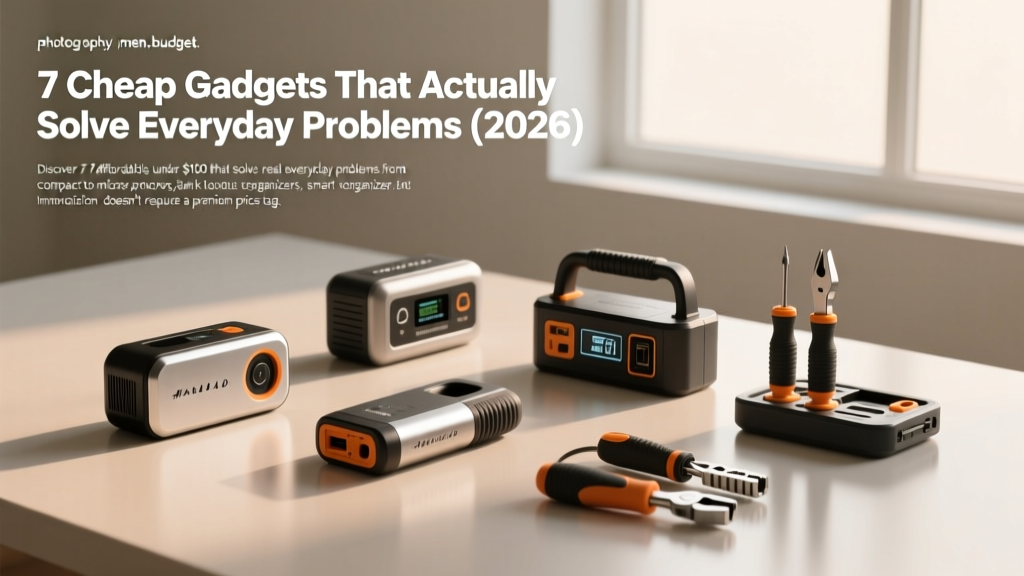
Discover 7 cheap gadgets under $100 that solve real everyday problems. From jump starters to precision repair kits, upgrade your daily carry in 2026.
The Shift Toward Utility in 2026
When hunting for cheap gadgets, it is dangerously easy to fall into the trap of buying novelty items that end up gathering dust in a desk drawer. But the budget tech landscape in 2026 has matured significantly. Today, sub-$100 electronics are no longer just about flashy RGB lights or gimmicky smart home novelties; they are highly engineered problem solvers. Whether you are dealing with a dead car battery in a freezing parking lot, stripped screws on a vintage appliance, or sensory overload on a red-eye flight, there is a budget-friendly tool built specifically to eliminate that friction.
We have curated a list of practical, value-driven picks that boast high cost-per-use ratios, premium build quality, and genuine everyday utility. No fluff, no gimmicks—just reliable gear that earns its place in your daily carry.
Quick Comparison Matrix: Problem vs. Solution
| Gadget | Core Problem Solved | Est. Price | Key Spec / Feature |
|---|---|---|---|
| NOCO Boost Plus GB40 | Dead 12V car batteries | $99.95 | 1000A Peak, IP65 Rated |
| Tile Pro (Latest Gen) | Losing high-value EDC gear | $34.99 | 400ft Range, 120dB Ring |
| Anker MagGo 10K (Qi2) | Tethered charging & dead phones | $49.99 | 15W Qi2, Smart Digital Display |
| iFixit Mako Driver Kit | Stripped screws & broken tech | $39.95 | 64 Precision Bits, Aluminum Chassis |
| Work Sharp Guided Field | Dull EDC knives & tools | $35.00 | 5 Abrasive Stages, Diamond Plate |
| Twelve South AirFly Pro 2 | Airplane IFE Bluetooth limits | $59.99 | aptX Low Latency, Dual Pairing |
| Loop Quiet Plus | Sensory overload & poor sleep | $24.95 | NRR 24-26dB, Soft-Touch Silicone |
7 Problem-Solving Cheap Gadgets Under $100
1. NOCO Boost Plus GB40: The Dead Battery Eraser
The Problem: You return to your car after leaving the dome light on, or your aging 12V battery fails on a freezing morning. Waiting for roadside assistance costs time and money.
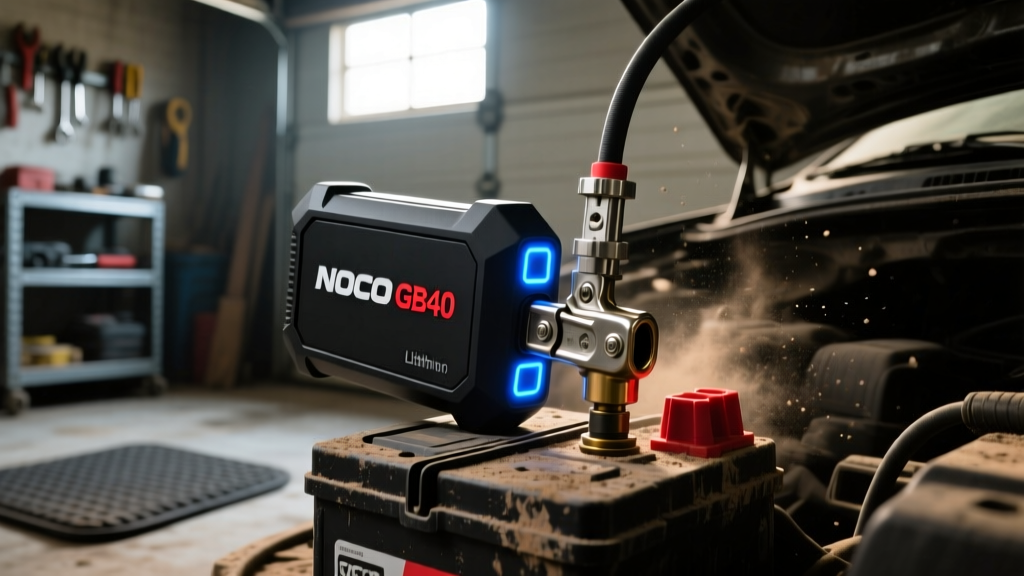
The Solution: The NOCO GB40 is a compact lithium-ion jump starter that delivers 1,000 peak amps. It can jump-start a 6.0-liter gas engine or a 3.0-liter diesel engine up to 20 times on a single charge. According to Wirecutter's extensive testing on portable jump starters, NOCO's spark-proof technology and reverse polarity protection make it exceptionally safe for novices. It also doubles as a rugged power bank with a built-in 100-lumen LED flashlight featuring an SOS strobe mode. At roughly $99, it is the ultimate insurance policy for your glovebox.
2. Tile Pro: Rugged Tracking for Heavy-Duty EDC
The Problem: Misplacing a high-value backpack, camera bag, or set of keys in crowded or noisy environments.
The Solution: While Apple AirTags are great for the Apple ecosystem, the Tile Pro remains the undisputed king of rugged, cross-platform tracking. With a Bluetooth range of up to 400 feet and a piercing 120-decibel ring, it cuts through the noise of a busy airport terminal or a cluttered garage. The replaceable CR2032 battery ensures a 12-month lifespan, and its IP67 water resistance means it survives being dropped in puddles or caught in the rain. As highlighted in The Verge's tracker roundup, Tile's crowd-finding network and integration with smart home assistants give it a distinct edge for Android users and cross-platform households.
3. iFixit Mako Driver Kit: The Right to Repair in Your Pocket
The Problem: Stripped screws on a laptop, a loose hinge on your favorite sunglasses, or a dead smart home device that requires a proprietary Torx bit to open.
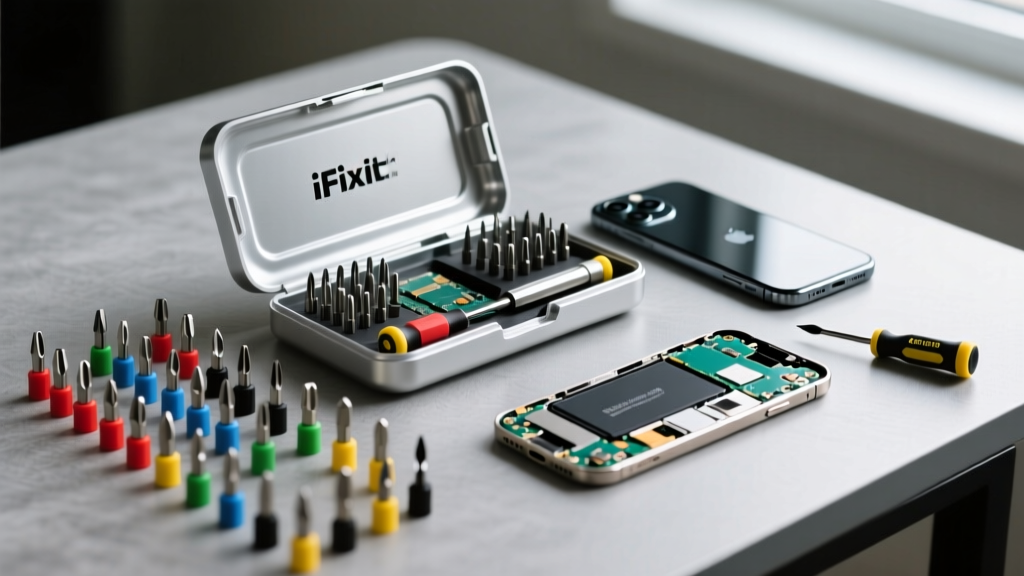
The Solution: Stop throwing away repairable gear. The iFixit Mako Driver Kit is the gold standard for precision repair. It features an aluminum CNC-machined chassis housing 64 precision driver bits, including obscure security bits like the Nintendo Tri-wing and the Apple Pentalobe. The magnetic socket and knurled grip allow for rapid, high-torque spinning. At $39.95, it pays for itself the first time you successfully replace a $20 laptop fan instead of buying a $1,000 replacement machine.
4. Anker MagGo Power Bank (10K): Untethered Qi2 Power
The Problem: Carrying bulky power banks and dealing with frayed, tangled charging cables that inevitably break at the connector.
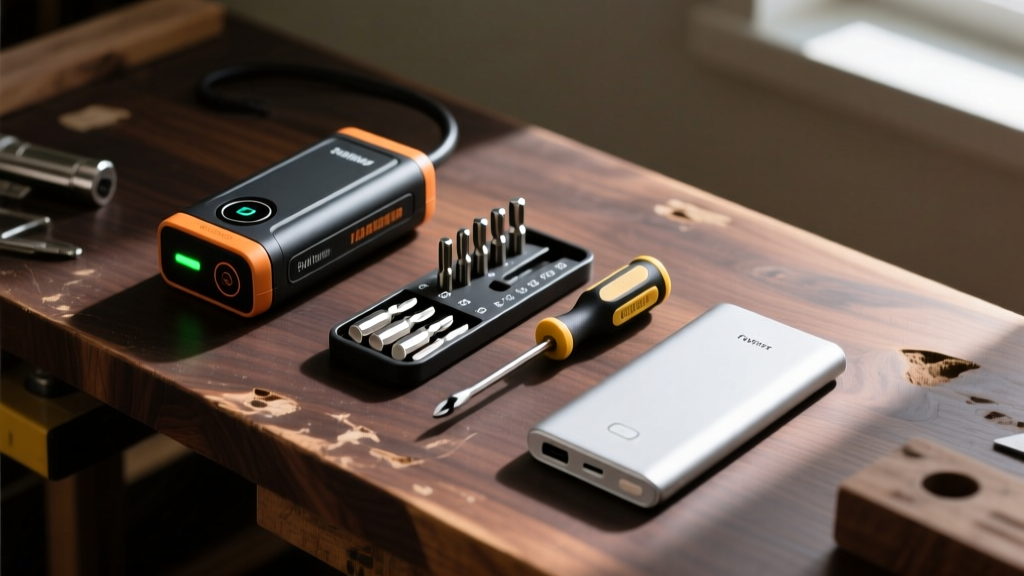
The Solution: The Qi2 wireless standard has fully matured in 2026, and Anker's MagGo 10,000mAh power bank leverages it perfectly. It snaps magnetically to the back of your phone, delivering a true 15W of wireless charging without the need for a cable. The standout feature is the smart digital display on the side, which shows the exact battery percentage, estimated recharge time, and real-time output wattage. It is slightly thicker than a standard phone but eliminates the anxiety of hunting for a wall outlet during a long commute.
5. Work Sharp Guided Field Sharpener: Edge Maintenance Anywhere
The Problem: Your everyday carry (EDC) pocket knife or kitchen chef's knife loses its razor edge, turning simple cutting tasks into frustrating tearing chores.
The Solution: Pull-through carbide sharpeners destroy knife steel over time. The Work Sharp Guided Field Sharpener offers a professional 5-stage sharpening process in a package the size of a candy bar. It includes 220 and 320 grit diamond plates for repairing damaged edges, a ceramic rod for honing, and a leather strop infused with abrasive compound for polishing to a mirror finish. The built-in 20-degree angle guides take the guesswork out of maintaining a consistent bevel. Priced around $35, it is a lifetime tool for anyone who respects good steel.
6. Twelve South AirFly Pro 2: First-Class Audio in Economy
The Problem: You have invested $300 in premium noise-canceling Bluetooth headphones, but the airplane's in-flight entertainment (IFE) system only has a 3.5mm analog jack.
The Solution: The AirFly Pro 2 bridges the analog-to-digital gap flawlessly. It plugs into the airplane's headphone jack and transmits high-quality audio via Bluetooth 5.2 to your wireless earbuds or over-ear headphones. The 'Pro' model supports aptX Low Latency (eliminating the annoying lip-sync delay in movies) and allows you to pair two sets of headphones simultaneously so you and your travel partner can watch the same screen. With a 25+ hour battery life, it easily covers ultra-long-haul flights from New York to Singapore.
7. Loop Quiet Plus: Analog Noise Cancellation
The Problem: Sensory overload from city noise, snoring partners, or the inability to focus in an open-plan office, without wanting to wear bulky electronic headphones all day.
The Solution: Loop Quiet Plus earplugs are crafted from soft-touch silicone and feature a patented acoustic channel that reduces noise by 24 to 26 decibels without completely muffling the sound. Unlike cheap foam plugs that expand painfully in your ear canal, the Loop's flexible oval tip conforms to your ear shape for all-night comfort. They are fully washable, come with multiple tip sizes, and slide discreetly into a pocket-sized aluminum case. At under $25, they are a massive upgrade for sleep quality and deep-work focus.
Pro Tip: When evaluating budget tech, always check the replaceability of the battery. Gadgets with user-replaceable cells (like the Tile Pro or NOCO's internal maintenance modes) will outlast sealed units by years, offering a vastly superior return on investment.
The Cost-Per-Use Decision Framework
Not all cheap gadgets are created equal. To ensure you are spending your money wisely, apply the Cost-Per-Use (CPU) Framework before checking out:
- High Frequency / Low Cost: Items like the Loop Quiet Plus or Anker MagGo are used daily. A $50 power bank used 300 times a year yields a CPU of $0.16. This is a no-brainer purchase.
- Low Frequency / High Impact: The NOCO GB40 might only be used twice a year, but the 'impact' (saving a $100 tow truck fee and hours of stranded time) justifies the $99 price tag immediately.
- The Repairability Multiplier: Tools like the iFixit Mako Kit actually save you money. If it helps you fix one pair of Ray-Bans or upgrade one laptop's RAM, the kit has paid for itself.
Frequently Asked Questions
Are cheap gadgets under $100 durable enough for daily use?
Yes, provided you choose brands that prioritize utility over novelty. Companies like NOCO, iFixit, and Anker engineer their budget-tier products with high-grade materials (like CNC aluminum and IP-rated plastics) because their brand reputation relies on reliability. Avoid unbranded, white-label dropshipped items on massive online marketplaces if you want longevity.
Do I need to update the firmware on these budget gadgets?
Most of the analog or single-purpose gadgets on this list (like the Work Sharp sharpener or Loop earplugs) require zero software maintenance. For smart gadgets like the Tile Pro or Anker MagGo, occasional firmware updates via their respective smartphone apps can improve battery optimization and connectivity stability, but they are generally plug-and-play out of the box.
What is the best way to maintain lithium-ion jump starters?
Lithium-ion batteries degrade if left at 0% or 100% for extended periods in extreme heat. Store your NOCO GB40 in the cabin of your car (or your garage) rather than a baking trunk, and top off the charge every 3 to 6 months. Most modern units feature low-self-discharge technology, but a quick quarterly check ensures it is ready when an emergency strikes.
Written by
Sarah KimSarah Kim holds certifications from both NASM (National Academy of Sports Medicine) and ACE (American Council on Exercise), along with a B.S. in Kinesiology from UCLA. She has spent 7 years bridging the gap between exercise science and consumer technology, evaluating fitness trackers, smart scales, sleep monitors, and recovery devices with clinical precision. Sarah has tested over 200 health-focused wearables in controlled lab settings and real-world training environments, comparing device data against gold-standard medical equipment like ECG monitors and DEXA scans. She consults for three fitness app companies on data accuracy standards and has presented research on wearable reliability at the American College of Sports Medicine (ACSM) annual conference. Her reviews emphasize clinical validity over marketing claims.