Real-Life Batman Arkham Gadgets for Your Outdoor Utility Belt
Transform your outdoor gear into a real-life utility belt. We map Batman Arkham gadgets to the best thermal, climbing, and survival tech.
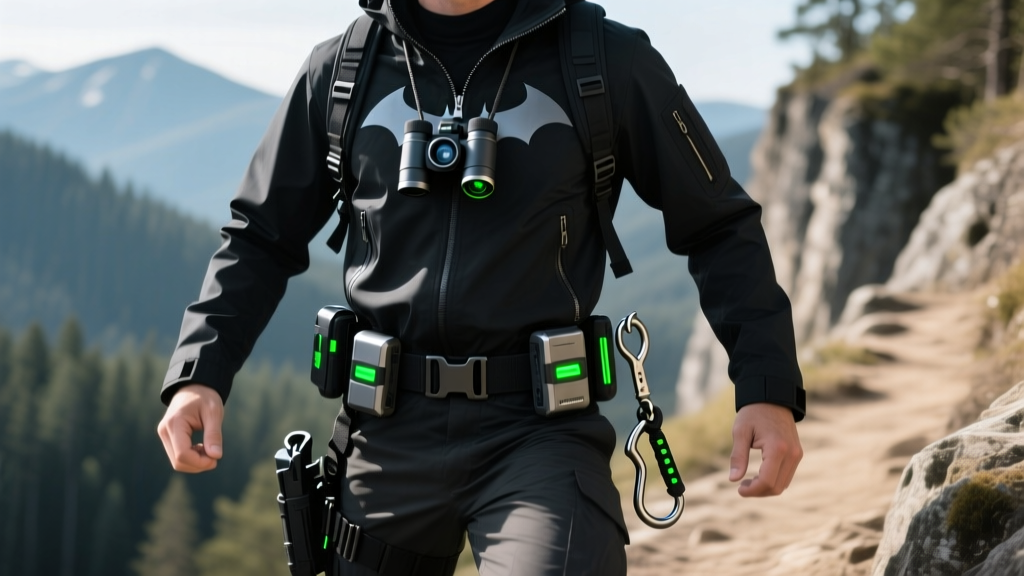
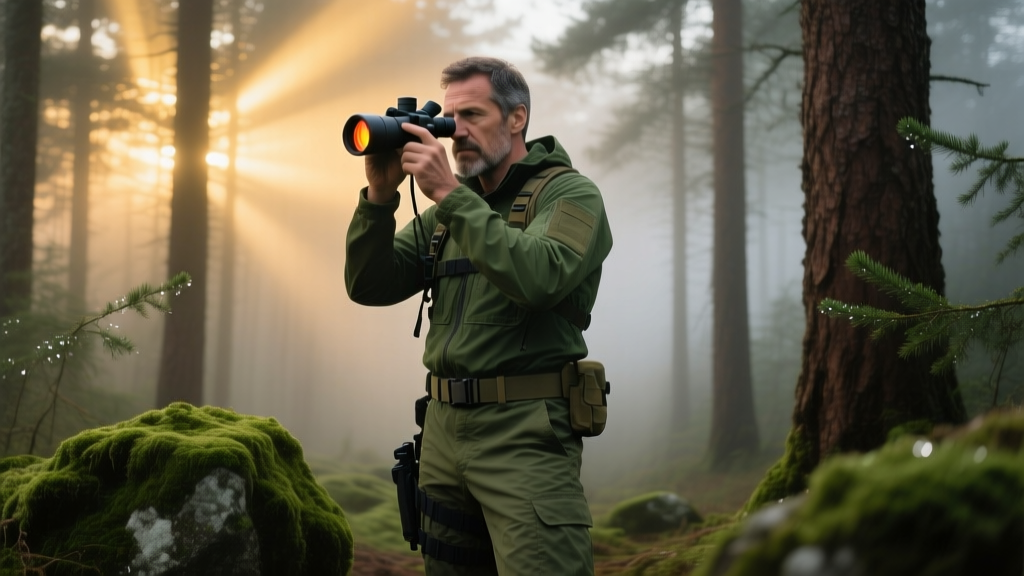
The Dark Knight’s Utility Belt: Translating Arkham Tech to the Wild
When Rocksteady Studios released the Batman: Arkham series, they didn't just give us a masterclass in superhero combat; they gave us a masterclass in tactical gadgetry. From the grappling hook to thermal vision, Bruce Wayne’s R&D department designed tools that solve complex environmental puzzles. But what happens when you take those fictional batman arkham gadgets and map them to real-world, high-end outdoor and survival gear?
As we navigate the 2026 seasonal shifts—from deep winter tracking to spring alpine expeditions—building a modern utility belt requires a blend of cutting-edge optics, rugged mechanical hardware, and reliable signaling tech. Whether you are an avid backcountry hunter, a search-and-rescue volunteer, or an EDC (Everyday Carry) enthusiast looking to upgrade your seasonal loadout, this guide translates Gotham’s greatest tech into actionable, real-world outdoor essentials.
Detective Mode: Thermal Imaging for Night Navigation
In Arkham City, Detective Mode allowed Batman to track heat signatures through walls and pinpoint enemies in the dark. In the backcountry, this translates directly to modern thermal imaging monoculars, an absolute game-changer for nighttime navigation, wildlife tracking, and search-and-rescue operations.
The Real-World Equivalent: AGM Rattler V2 TM35-384
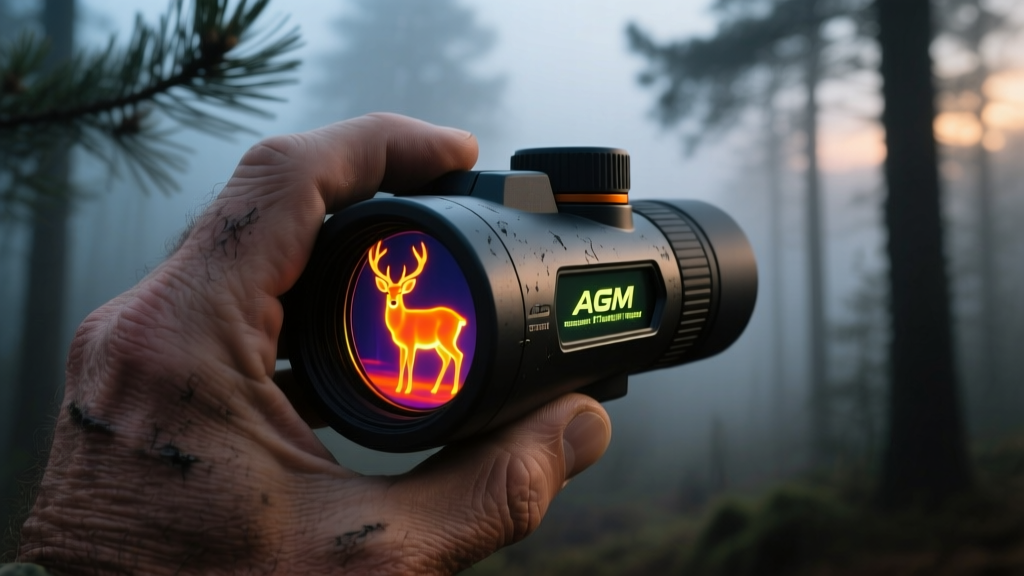
Forget the clunky, low-resolution FLIR attachments of the early 2010s. The AGM Rattler V2 TM35-384 represents the current pinnacle of portable thermal optics. Featuring a 12μm pixel pitch and a 384×288 resolution sensor paired with a 35mm objective lens, this monocular can detect human-sized heat signatures at over 1,800 yards.
- Detection Range: 1,824 yards (approx. 1 mile)
- Battery Life: Up to 16 hours continuous runtime via dual 18650 rechargeables
- Weight: 1.25 lbs (easily harness-mounted)
- Price: ~$2,399
Pro Tip: In dense autumn foliage or heavy winter fog, standard night vision (which relies on ambient light amplification) fails completely. Thermal optics read infrared radiation, making them immune to visual obstructions like fog, smoke, and light snow.
For authoritative specs on sensor sensitivity and refresh rates, you can review the latest optical benchmarks at AGM Global Vision.
The Grapnel Gun: Modern Ascenders and Tactical Grappling
Batman’s Grapnel Gun is arguably his most iconic tool, allowing for rapid vertical ascents. While a wrist-mounted, gas-powered winch remains in the realm of science fiction due to the laws of physics and tensile strength, the modern outdoor equivalent relies on high-grade mechanical ascenders and forged tactical hooks.
Building the Ascension Kit
To safely replicate the Grapnel experience for rock scrambling, canyon retrieval, or tactical tree-stand setup, you need a three-part system:
- The Hook: The CMI (Campbell Mountain Industries) Tactical Grappling Hook. Forged from high-carbon steel, it boasts a Minimum Breaking Strength (MBS) of 36 kN (8,092 lbs).
- The Rope: A 10.5mm dynamic climbing rope (like the Sterling IonR), which absorbs shock loads if the hook slips or you take a fall.
- The Ascender: The Petzl Ascension right-hand rope clamp. This mechanical cam allows you to ratchet yourself up the rope safely.
According to Petzl's safety standards, proper UIAA-certified gear is non-negotiable when suspending human weight. Never use paracord or un-rated carabiners for vertical ascension. The total cost for a safe, real-life grappling setup hovers around $450, and the total weight adds roughly 6 lbs to your pack.
Batarangs & Proximity Mines: Precision Tools & Area Denial
The Batarang is a versatile tool for disarming, striking, and cutting. In an outdoor survival context, we translate this to precision throwing tools for processing wood or hunting, while "proximity explosives" translate to area-denial wildlife deterrents.
Processing & Defense: SOG Throwing Hawks
While throwing knives are fun at the range, the SOG Throwing Hawk is a functional outdoor tool. With a 10.75-inch overall length and a 420 stainless steel head, it functions as a light tomahawk. It can be used for processing small game, driving tent stakes, or chopping kindling. The paracord-wrapped handle ensures a secure grip even in freezing, wet conditions.
Area Denial: Bear Banger Deterrent Kit
Instead of gel explosives, backcountry travelers in grizzly country rely on Bear Bangers. These are small pyrotechnic cartridges fired from a pen-sized launcher. They travel up to 300 feet and explode with a loud bang (around 120 decibels), effectively acting as a non-lethal proximity mine to scare off aggressive wildlife before they enter your camp perimeter.
Smoke Pellets & Cryptographic Sequencers: Signaling and Comms
Batman uses smoke pellets to break line-of-sight and check wind direction, while the Cryptographic Sequencer hacks secure networks. In the wild, your "network" is the satellite grid, and your smoke is for survival signaling and micro-climate reading.

Wind & Signaling: Enola Gaye WP40 Smoke Grenades
Hunters and alpinists use colored smoke to check thermal updrafts and wind direction before making a move. The Enola Gaye WP40 is a wire-pull smoke grenade that produces a massive, non-toxic cloud of colored smoke for 90 seconds. In a search-and-rescue scenario, popping a violet or orange WP40 in a clearing allows overhead helicopters to spot your exact coordinates through dense canopy.
Hacking the Wild: Garmin inReach Mini 2
Your Cryptographic Sequencer is the Garmin inReach Mini 2. Weighing just 3.5 ounces, this device connects to the Iridium satellite network, allowing you to send two-way text messages, trigger an SOS to the GEOS International Emergency Response Coordination Center, and track your breadcrumb route. As detailed in the Garmin inReach Mini 2 specifications, the device offers up to 14 days of battery life in 10-minute tracking mode, ensuring you are never truly off the grid.
Building Your 2026 Seasonal Loadout: Weight and Cost Matrix
To build a functional "utility belt" for your pack, you must balance weight against utility. Below is a breakdown of the Arkham-inspired loadout for a standard 3-day backcountry excursion.
| Arkham Gadget | Real-World Equivalent | Weight | Est. Price | Primary Outdoor Use |
|---|---|---|---|---|
| Detective Mode | AGM Rattler V2 TM35-384 | 1.25 lbs | $2,399 | Night nav, tracking, SAR |
| Grapnel Gun | CMI Hook + Petzl Ascension | 6.10 lbs | $450 | Scrambling, retrieval |
| Batarang | SOG Throwing Hawk | 1.15 lbs | $55 | Wood processing, camp tasks |
| Proximity Mine | Bear Banger Kit (3-pack) | 0.20 lbs | $45 | Wildlife area denial |
| Smoke Pellet | Enola Gaye WP40 (Orange) | 0.35 lbs | $13 | Wind checking, SAR signaling |
| Crypto Sequencer | Garmin inReach Mini 2 | 0.22 lbs | $400 | Satellite comms, SOS |
Frequently Asked Questions (FAQ)
Are Enola Gaye smoke grenades legal to carry in national parks?
While WP40s are non-toxic and classified as pyrotechnic signaling devices rather than explosives, many National Parks and state forests have strict fire codes that ban all pyrotechnics during dry seasons. Always check local USFS or NPS regulations before packing smoke grenades.
Can I actually use a grappling hook to climb cliffs like in the games?
No. The Arkham games ignore the immense shock-load generated when a swinging body catches a rope. In reality, you use a grappling hook strictly for retrieving ropes over branches or hauling gear up a ridge. For human ascension, the hook must be placed on a verified, load-tested anchor point by a trained professional.
Is thermal imaging worth the high price tag for casual campers?
For casual car camping, a standard headlamp suffices. However, if you engage in backcountry hunting, winter alpine trekking, or volunteer for local search-and-rescue teams, a high-resolution thermal monocular like the AGM Rattler is a critical piece of life-saving safety gear.
Written by
Ryan TanakaRyan Tanaka holds a B.S. in Mechanical Engineering from Oregon State University and is a certified AWS Solutions Architect. He has built over 80 custom electronics projects ranging from CNC machines to IoT sensor networks, and has reviewed development boards, 3D printers, soldering equipment, and maker tools for the past 6 years. Ryan is an active contributor to 12 open-source hardware projects on GitHub and teaches monthly workshops at three hackerspaces across the Pacific Northwest. His reviews combine engineering rigor with accessibility — he evaluates products not just on specs but on documentation quality, community support, and learning curve for beginners. He has presented at Maker Faire Bay Area, Open Hardware Summit, and the Adafruit community showcase, and maintains a popular blog documenting his build processes.