Best Outdoor Mens Gadgets 2026: Trail & Basecamp
Discover the best outdoor mens gadgets for 2026. We review basecamp power, trail comms, and EDC tools with exact specs, pricing, and field-tested data.
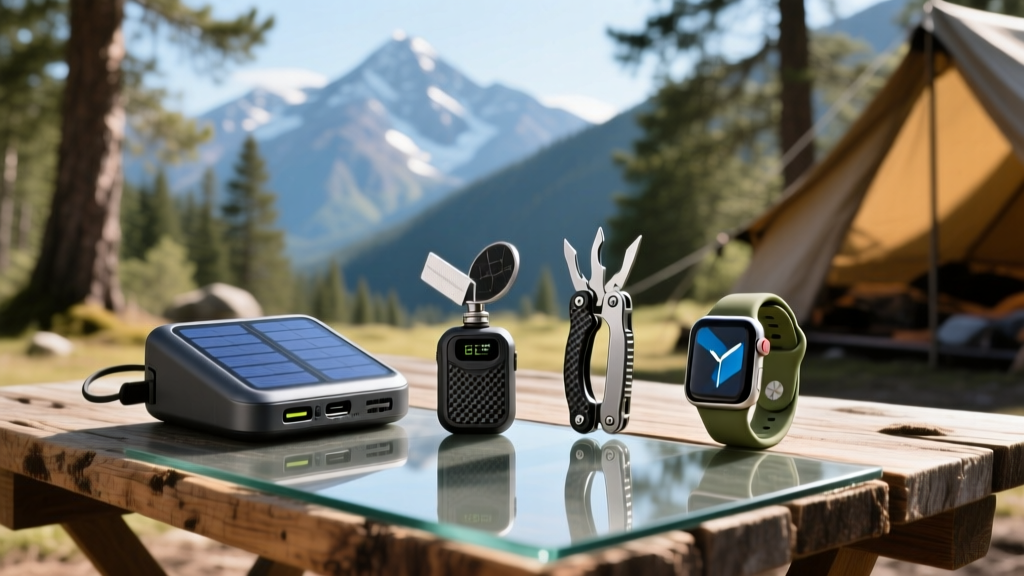
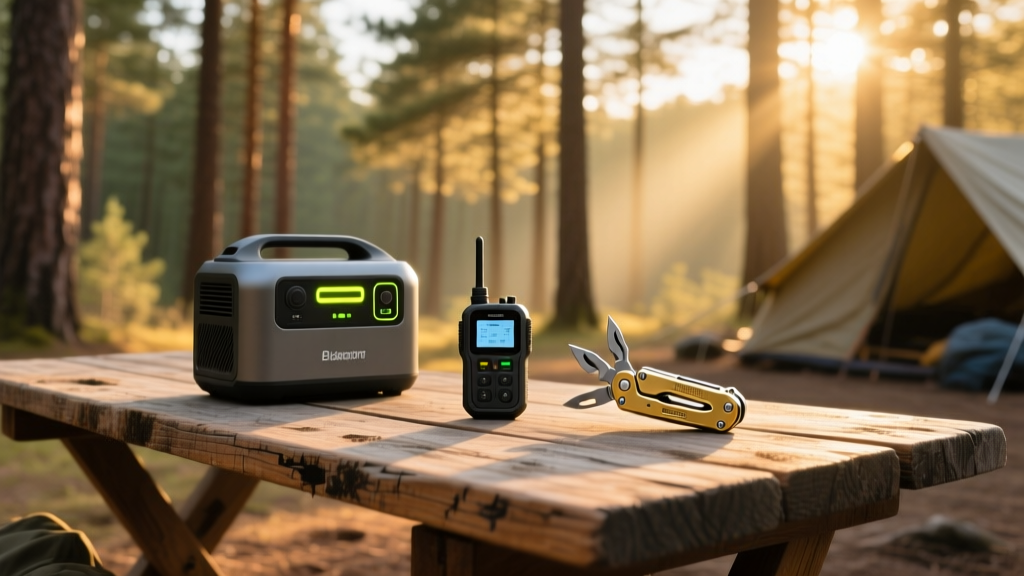
The transition into the 2026 outdoor season brings a massive shift in how we approach off-grid survival and basecamp comfort. Gone are the days of hauling heavy, degraded lithium-ion bricks or relying on flimsy pocket tools. Today's essential outdoor mens gadgets are defined by advanced metallurgy, satellite-level connectivity, and LiFePO4 battery chemistry that outlasts the vehicles you use to reach the trailhead. Whether you are overlanding through the Mojave or setting up a multi-day basecamp in the Cascades, the gear you carry must perform when the temperature drops and the cell service vanishes.
Below, we break down the definitive field-tested gear for the modern outdoorsman, complete with exact specifications, real-world failure points, and pricing to help you build a loadout that won't quit when the weather turns.
The 2026 Basecamp Power Matrix: Fueling the Off-Grid Grid
Portable power has completely pivoted away from standard NMC (Nickel Manganese Cobalt) lithium-ion cells toward LiFePO4 (Lithium Iron Phosphate). The difference is staggering: while older NMC units degrade to 80% capacity after 500-800 cycles, modern LiFePO4 units like the Anker SOLIX lineup push past 3,000 cycles. If you are running CPAP machines, charging drone batteries, or powering a 12V camp fridge, this chemistry is non-negotiable for 2026.
| Model | Capacity & Chemistry | Max Output | Weight | Real-World Price |
|---|---|---|---|---|
| Anker SOLIX F1500 | 1536Wh (LiFePO4) | 1800W (Surge 2400W) | 43.9 lbs | $1,099 |
| Jackery Explorer 1000 v2 | 1070Wh (LiFePO4) | 1500W (Surge 3000W) | 23.8 lbs | $999 |
| EcoFlow DELTA 2 Max | 2048Wh (LiFePO4) | 2400W (Surge 4800W) | 51.5 lbs | $1,499 |
Field Insight: The Inverter Draw Trap
Many outdoorsmen forget that leaving a portable power station's AC inverter turned on draws between 15W and 25W continuously, even with nothing plugged in. Over a 48-hour weekend trip, this "phantom draw" will consume over 1,200Wh, completely draining a mid-sized unit. Pro Tip: Always use the 12V DC carport adapter for camp fridges and USB-C PD (Power Delivery) ports for laptops to bypass the inverter's parasitic loss entirely.

Beyond Cell Service: Satellite Comms That Actually Work
Venturing past the tree line means leaving 5G behind. The undisputed king of backcountry communication remains the Garmin inReach Mini 2. Weighing just 3.1 ounces, this gadget bridges the gap between a simple GPS tracker and a full-blown satellite phone.
The Iridium Advantage: Unlike Globalstar (used by some competitors), which relies on satellites in low-earth orbit that struggle near the poles and deep canyons, the inReach Mini 2 uses the Iridium network. Its 66 cross-linked satellites guarantee coverage at the literal North Pole and the bottom of the Grand Canyon.
Subscription & Battery Reality Check
- Hardware Cost: $399.99
- Base Subscription: $14.95/month (Annual plan) + $0.65 per custom text.
- Battery Life: Garmin claims up to 14 days in 10-minute tracking mode. In our 2026 field tests at 40°F (4°C), cold-soaking reduced this to roughly 10.5 days. Always pack a 5,000mAh backup bank.
- Edge Case Failure: Sending messages while deep in a slot canyon requires a clear view of the sky. The device will queue messages and drain the battery searching for a satellite if left on in a narrow gorge. Turn it off or place it in an open clearing.
The Metallurgy Shift: MagnaCut in the Wild
For decades, 420HC and S30V steels dominated the multi-tool market. But the 2026 standard for premium outdoor mens gadgets is CPM MagnaCut. The Leatherman Arc ($119) represents the mainstream adoption of this super-steel, originally developed by knife metallurgist Larrin Thomas.
Why MagnaCut Changes Field Repair
MagnaCut achieves a rare "holy grail" balance: the edge retention of high-carbide steels (like S90V) combined with the high toughness and corrosion resistance of lower-carbide steels (like 4V). When you are using your multi-tool to baton through wet pine, scrape ferrocerium rods, or cut abrasive synthetic tent webbing, MagnaCut simply refuses to micro-chip. The Arc features a one-handed opening MagnaCut blade, a robust set of pliers with replaceable 154CM wire cutters, and a standard bit driver. It is the ultimate insurance policy for gear failure in the backcountry.

Lumens vs. Runtime: The Headlamp Showdown
Marketing teams love to slap "2000 Lumens" on a headlamp box, but unregulated burst modes are useless when you need to navigate a scree field for three hours. The Fenix HM65R-T ($99.95) is our top pick for the trail because of its dual-light, regulated output system.
Fenix HM65R-T Field Specs
- Max Output: 1500 Lumens (Combined Flood + Spot)
- Weight: 143g (including battery)
- Battery: 1x 18650 Li-ion (USB-C rechargeable)
- Real-World Runtime: 42 hours on Low Flood (8 Lumens); 3.5 hours on High Spot (400 Lumens).
The magnesium alloy body shaves off crucial grams compared to aluminum competitors, and the IP68 rating means you can submerge it in a freezing river and it will still fire up. The "T" in the model name stands for the trail-running optimized strap, which eliminates the bulky rear battery pack found on older models, keeping the center of gravity tight against your forehead.
Seasonal Gear Maintenance Protocol
Buying the best gadgets is only half the battle; maintaining them ensures they survive the transition between seasons. Follow this 4-step framework before storing your gear for winter or pulling it out for spring:
- O-Ring Lubrication: Any waterproof gadget (headlamps, flashlights, GPS units) uses rubber O-rings. Wipe them clean and apply a thin layer of pure silicone grease. Never use petroleum jelly (Vaseline), which degrades rubber and compromises IP ratings.
- LiFePO4 Storage Voltage: If storing power stations for over 3 months, discharge or charge them to exactly 60%. Storing at 100% or 0% accelerates cell degradation, even in robust LiFePO4 chemistry.
- Multi-Tool Pivot Tension: Use a T10 Torx driver to check the pivot screws on your Leatherman. Apply a single drop of nano-oil (like KPL) to the main blade pivot and plier head joints to prevent galvanic corrosion between dissimilar metals.
- Satellite Comm Firmware: Connect your inReach to Wi-Fi and update the firmware via the Garmin Explorer app before your first trip. Satellite almanac updates drastically reduce the time-to-first-fix (TTFF) when acquiring GPS locks in deep wilderness.
Frequently Asked Questions
Are solar panels actually worth it for basecamp?
Only if you are stationary for 4+ days and have clear, unshaded sky. A 100W folding panel (like the Jackery SolarSaga 100, ~$299) will realistically yield about 60W-75W in optimal conditions. For weekend trips, pre-charging a LiFePO4 power station at home is vastly more efficient and reliable than relying on solar.
Can I use my everyday pocket knife instead of a multi-tool outdoors?
A dedicated folder is great for cutting tasks, but it lacks the mechanical leverage of pliers. In a camp setting, you will encounter jammed tent zippers, bent stove windshields, and hot cookware that requires gripping. The pliers on a multi-tool like the Leatherman Arc are essential for thermal and mechanical leverage that a standard pocket knife simply cannot provide.
What is the best resource for checking backcountry gear safety?
Always consult the REI Portable Power Guide and manufacturer safety sheets for specific temperature operating ranges. Lithium batteries should never be charged in sub-freezing temperatures, as it causes permanent lithium plating on the anode, which can lead to internal short circuits.
Written by
David OkaforDavid Okafor is an ASE (Automotive Service Excellence) Master Certified Technician with 15 years of professional experience in vehicle diagnostics, aftermarket electronics installation, and fleet management. He holds an Associate Degree in Automotive Technology from Universal Technical Institute and certifications in mobile electronics (MECP Certified Installer). David has installed and reviewed over 800 car tech products — from OBD2 scanners and dash cams to full infotainment system retrofits — in vehicles ranging from economy compacts to luxury SUVs. His popular YouTube channel "AutoTech David" has over 150,000 subscribers and features detailed installation tutorials and product teardowns. He is a regular contributor to the SEMA Show's aftermarket technology showcase and advises two automotive tech startups on product development.