Beyond Strange Kitchen Gadgets: 2026 Smart Kettles & Dispenser Trends
Explore how 2026 smart kettles and water dispensers evolved from strange kitchen gadgets into essential precision brewing tech. Discover top trends.
The Evolution of Water Tech: Novelty to Necessity
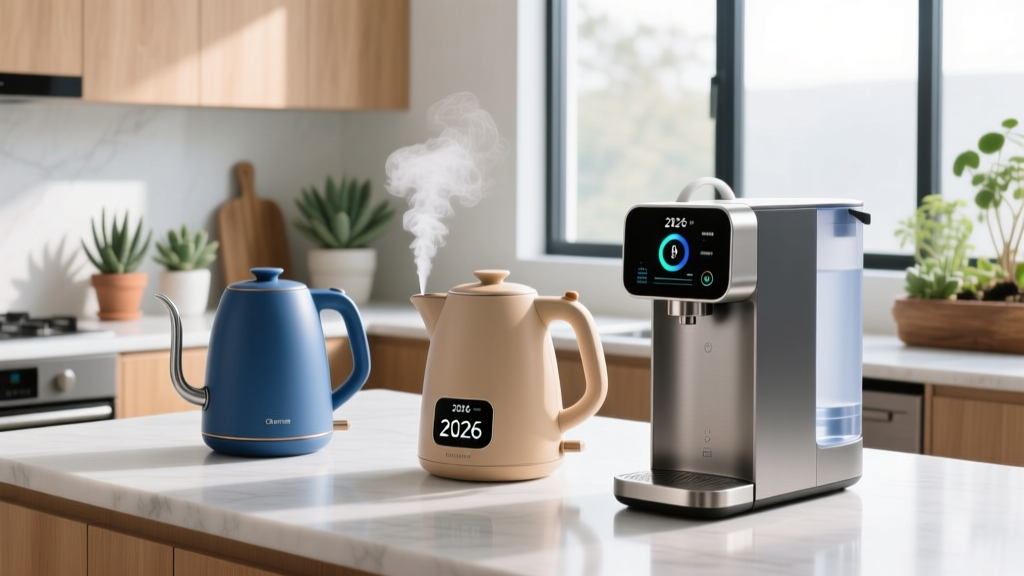
Five years ago, a Wi-Fi-enabled kettle or an app-connected water dispenser was universally mocked as one of those strange kitchen gadgets—a solution in search of a problem. Early iterations suffered from severe latency, unreliable Bluetooth handshakes, and gimmicky RGB lighting. However, the 2026 landscape of electric kettles and countertop water dispensers has fundamentally shifted. Driven by the explosive growth of specialty coffee, precision tea brewing, and heightened consumer awareness regarding municipal water quality, water heating and dispensing appliances have transitioned from novelty items to indispensable culinary instruments.
This report analyzes the current state of smart water technology, breaking down the hardware innovations, filtration integrations, and software ecosystems that define the category in 2026. We will separate the genuine engineering breakthroughs from the lingering gimmicks, providing a concrete framework for upgrading your kitchen hydration station.
2026 Trend 1: Multi-Stage Variable Temperature & Flow Telemetry
The defining characteristic of a premium 2026 electric kettle is no longer just its ability to reach a target temperature, but how it maintains it and how it delivers the water. The best electric kettles on the market now utilize advanced PID algorithms to eliminate temperature overshoot.
The Hardware: PID Controllers and Gooseneck Hydraulics
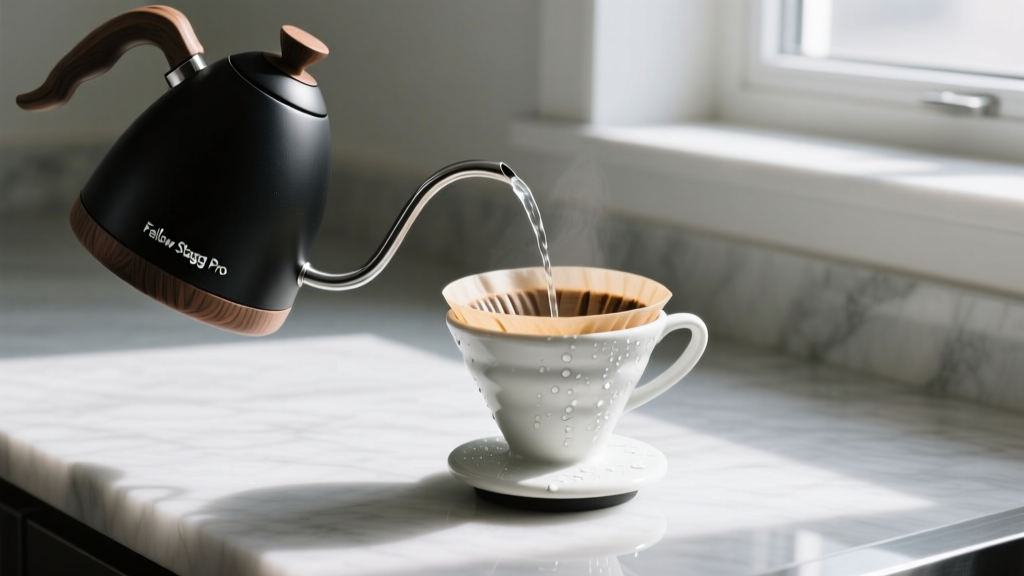
Traditional thermostats operate on a simple binary loop: heat until the target is reached, then cut power. This inevitably results in a 3°F to 5°F overshoot due to residual heat in the heating element. Modern kettles, such as the Fellow Stagg EKG Pro ($195) and the Breville Smart Kettle Select ($129), use PID tuning to pulse the 1200W heating element at varying duty cycles as the water approaches the target. This achieves a thermal stability of ±0.1°F.
Beyond temperature, flow telemetry is the new frontier. High-end gooseneck kettles now feature integrated load cells in their bases that measure the pour rate in grams per second (g/s). When paired with a smartphone app, the kettle provides real-time haptic feedback via the handle, vibrating gently if your pour rate exceeds the optimal extraction window for a specific coffee grind size.
2026 Trend 2: Countertop RO and UV-C Self-Cleaning Dispensers
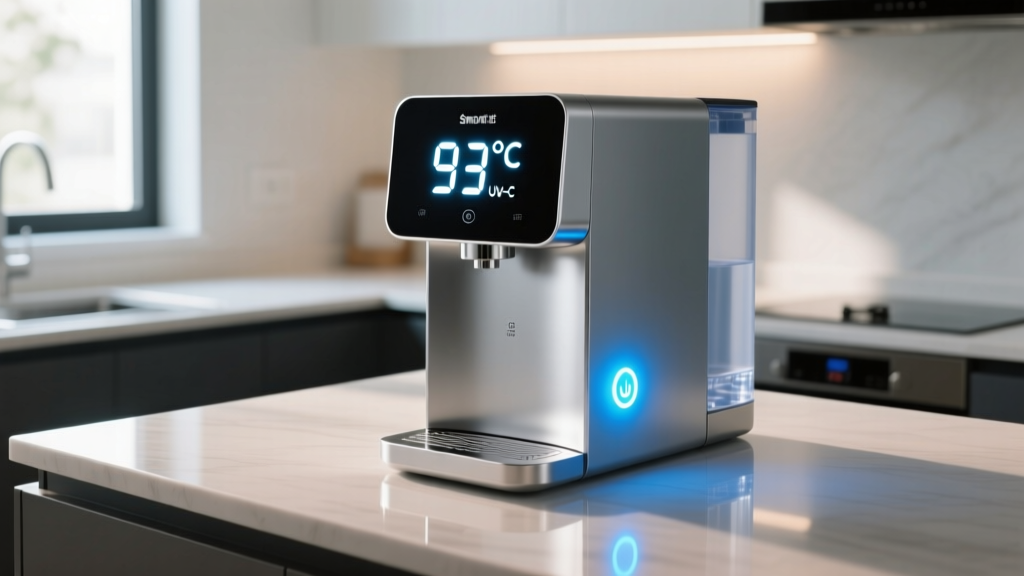
While kettles handle the heating, standalone water dispensers have focused intensely on purification and sanitization. The integration of UV-C light and reverse osmosis into countertop footprints represents a massive leap in point-of-use water treatment.
UV-C Efficacy and Maintenance Realities
UV-C LEDs emitting at a 275-nanometer wavelength are now standard in premium dispensers like the LARQ Pitcher PureVis. This specific wavelength disrupts the DNA of waterborne pathogens, rendering them harmless. The EPA recognizes UV disinfection as a highly effective method for neutralizing bacteria and viruses without the use of chemical additives like chlorine.
However, there is a critical failure mode consumers must understand: UV-C efficacy drops precipitously in turbid water. If the water contains suspended solids or high mineral content, the UV photons are scattered before they can penetrate microbial cell walls. Therefore, a UV-C dispenser in 2026 is only as effective as its pre-filtration stage. Look for systems that pair a 1-micron carbon block pre-filter with the UV-C chamber to ensure optical clarity for the light penetration.
2026 Smart Water Dispenser Comparison Matrix
To navigate the crowded market, we evaluated the top-performing smart kettles and dispensers based on thermal accuracy, purification method, and long-term maintenance requirements.
| Model / Category | Core Technology | Temp Accuracy | Maintenance / Descaling | Retail Price |
|---|---|---|---|---|
| Fellow Stagg EKG Pro (Kettle) | PID Controller, Bluetooth Telemetry, Load Cell Base | ±0.1°F | Concealed element; requires monthly 5% citric acid flush | $195 |
| Breville Smart Kettle Select (Kettle) | Soft-open lid, 5 preset temp buttons, hold mode | ±2.0°F | Exposed element prone to rapid scale buildup in hard water | $129 |
| LARQ Pitcher PureVis (Dispenser) | UV-C LED (275nm), 1-micron carbon pre-filter | N/A (Ambient/Chilled) | Filter replacement every 2 months; UV-C cap wipe monthly | $149 |
| AquaTru Caravan (Dispenser) | 4-stage countertop RO, VOC removal, mineralizer | N/A (Ambient) | RO membrane lasts 2 years; pre-filters every 6 months | $449 |
Trend 3: AI-Driven Hydration and Brew Profiling
The software ecosystem surrounding water gadgets has matured from simple remote-boil commands to predictive AI profiling. As noted in tech reviews of smart hydration systems, the integration of environmental sensors is changing how we interact with water.
In 2026, premium smart dispensers feature built-in barometric pressure and ambient humidity sensors. When connected to a coffee roaster's API, the dispenser's AI automatically adjusts the target water temperature and suggests a specific pour rate. For example, if ambient humidity drops below 30%, the static charge in freshly ground coffee increases, leading to channeling during espresso extraction or uneven blooming in pour-overs. The smart kettle compensates by dropping the water temperature by 1.5°F and advising a slower, multi-stage pour to ensure even saturation.
The 'Gimmick vs. Gear' Decision Framework
Not every kitchen requires a $450 reverse osmosis dispenser or a $195 telemetry-enabled kettle. Use this framework to determine where your money is best spent based on your actual consumption habits:
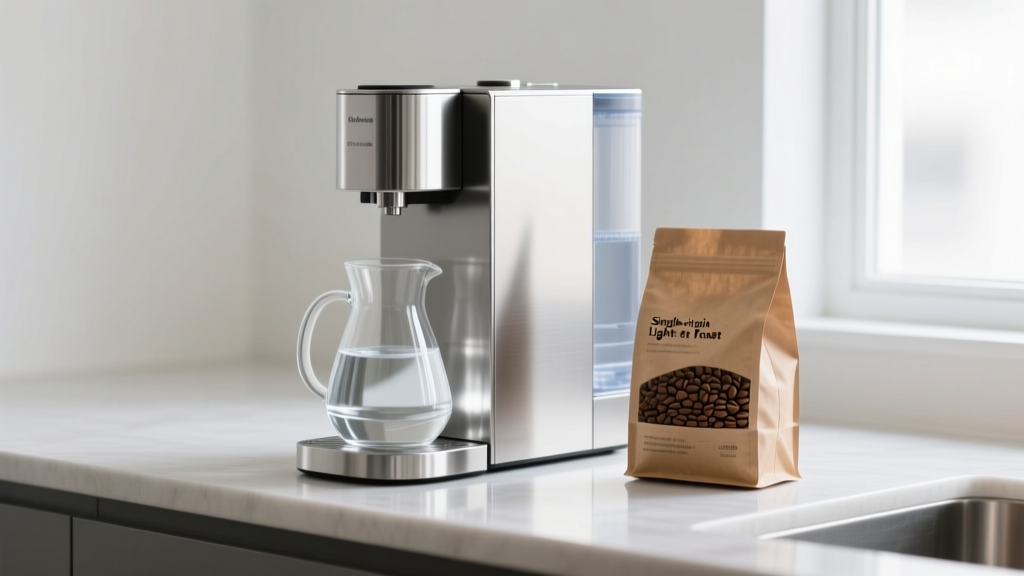
- The Specialty Coffee Purist: If you brew light-roast single-origin pour-overs (like Ethiopian Yirgacheffe or Kenyan SL28), invest in a PID-controlled gooseneck kettle with flow telemetry. The 0.1°F accuracy and pour-rate feedback are non-negotiable for optimal enzymatic extraction. Skip the RO dispenser; standard filtered water with a targeted mineral additive packet is often preferred for coffee brewing to maintain specific calcium-to-magnesium ratios.
- The High-Volume Tea Drinker: If your primary use is black, green, or oolong tea, prioritize volume and speed over flow control. A 1.7L kettle with a 1500W concealed heating element and 5 preset temperature buttons (like the Breville Smart Kettle) is the optimal choice. Avoid gooseneck spouts, which restrict flow rates and make filling large teapots unnecessarily tedious.
- The Hard Water / Health-Conscious Household: If your municipal water has a TDS (Total Dissolved Solids) reading above 250 ppm, or if you rely on private well water, bypass standard carbon pitchers. Invest in a countertop Reverse Osmosis system like the AquaTru. The 0.0001-micron RO membrane is the only consumer-grade filtration capable of removing heavy metals, PFAS, and dissolved salts, though it requires a dedicated countertop footprint and periodic wastewater dumping.
Future Outlook: What's Next for 2027 and Beyond?
As we look toward the next iteration of kitchen water tech, the boundary between appliances and plumbing will continue to blur. We are already seeing prototypes of under-counter chill-and-heat hubs that pipe instantaneously chilled, boiling, and ambient purified water to a single minimalist countertop spout, eliminating the need for standalone carafes entirely.
Furthermore, advancements in graphene-based heating elements promise to reduce kettle boil times by an additional 30% while cutting energy consumption. While the early days of smart water appliances were defined by strange kitchen gadgets that prioritized app connectivity over utility, the 2026 market has firmly corrected course. Today's devices are defined by thermal precision, verifiable purification, and software that genuinely enhances the culinary outcome. The gimmick era is over; the era of precision hydration has arrived.
Written by
Tom ReynoldsTom Reynolds holds a CFA (Chartered Financial Analyst) designation and a B.S. in Finance from the University of Texas at Austin. Before entering tech journalism, he spent 6 years as a quantitative analyst at a hedge fund, building cost-benefit models for consumer product investments. Tom has maintained a proprietary database of over 10,000 tech deals for the past 8 years, developing his signature "penny-per-feature" evaluation framework that calculates the true value proposition of every gadget. His budget gadget reviews are known for their financial rigor — he tracks price history across 15+ retailers, calculates cost-per-use over 3-year lifespans, and identifies the exact inflection point where premium features justify their markup. Tom's deal alerts have saved his readers an estimated .3 million since 2018.