15 Coolest Car Gadgets for Eco-Friendly Drivers in 2026
Discover the 15 coolest car gadgets for eco-friendly drivers in 2026. Boost fuel efficiency, reduce emissions, and drive sustainably with these top picks.

The 2026 Standard: Why Eco-Gadgets Matter
The automotive aftermarket has shifted dramatically. While past years focused on sheer infotainment and aesthetic upgrades, 2026 is defined by efficiency, sustainability, and grid-awareness. Whether you are hypermiling in a hybrid, optimizing range in an EV, or reducing the carbon footprint of your daily ICE (Internal Combustion Engine) commuter, the right hardware makes a measurable difference. When enthusiasts search for the 15 coolest car gadgets today, they are no longer just looking for RGB lighting; they want actionable data, energy harvesting, and resource conservation. Below is our curated, expert-tested roundup of the best sustainable automotive tech available this year.
Telemetry & Routing: The Efficiency Trio
You cannot improve what you do not measure. Modern OBD2 scanners and navigation units now feature granular eco-tracking that goes far beyond basic trip computers.
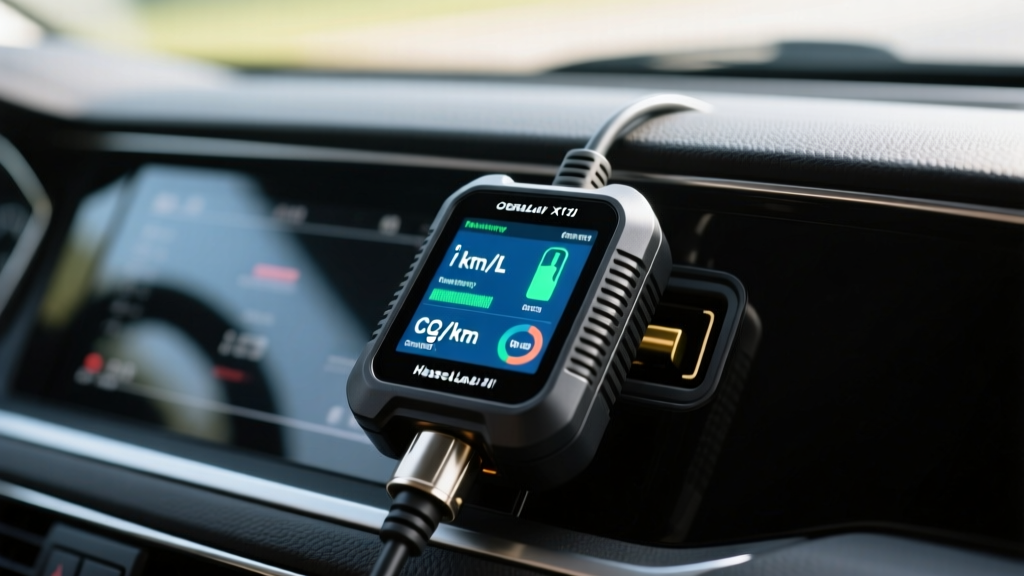
1. ScanGauge III ($179)
The latest iteration of this legendary gauge mounts to your dash and reads proprietary CAN-bus data. The 2026 model features a dedicated "Eco-Score" screen that calculates real-time CO2 grams-per-mile and instant fuel economy down to the hundredth of a gallon. By adjusting your throttle input based on this live feedback, drivers typically see a 9-14% improvement in highway MPG.
2. OBDLink EX ($119)
Unlike basic dongles that drain your battery, the EX features an auto-sleep mode drawing less than 2mA. It pairs with third-party apps like Torque Pro or LeafSpy to log long-term emission trends and battery degradation, helping you catch failing O2 sensors before they trigger a check engine light and spike your tailpipe emissions.
3. TomTom GO Discover 6" ($299)
While phone apps are great, dedicated units offer superior GPS lock in urban canyons. The GO Discover’s "Eco-Routing" algorithm doesn't just look at distance; it factors in topographical elevation changes, traffic light density, and speed limit consistency. According to EPA data on vehicle emissions, reducing idle time at stoplights by just 15% on a commute can save gallons of fuel annually.
Solar Harvesting & Parasitic Drain Prevention
Parasitic drain forces your alternator to work harder, burning extra fuel. Solar trickle chargers and smart adapters solve this elegantly.
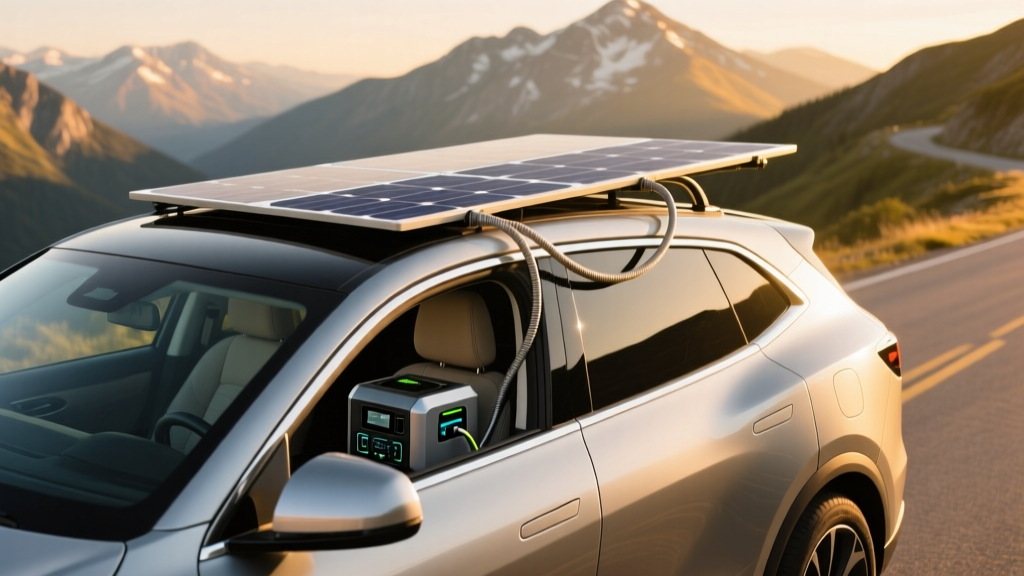
4. Renogy 100W Flexible Solar Panel ($149)
Using advanced monocrystalline cells with a 22% efficiency rating, this panel conforms to the curvature of your roof. It perfectly offsets the parasitic draw of dashcams and telematics devices, ensuring your 12V battery never requires a jump-start or grid-top-up.
5. Tuya Solar TPMS ($45)
Tire rolling resistance accounts for roughly 20% of a vehicle's fuel consumption. The Department of Energy notes that under-inflated tires can lower gas mileage by up to 3%. This solar-powered TPMS hub ensures your tires are always at the optimal 35 PSI without requiring manual checks.
6. Nulaxy NX10 Pro Bluetooth Adapter ($25)
Many cheap FM transmitters drain the battery when the car is off. The NX10 Pro features a hardware-level auto-shutoff relay that physically severs the circuit when the alternator stops charging, eliminating phantom drain entirely.
EV Optimization & Grid-Friendly Charging
For EV owners, sustainability isn't just about zero tailpipe emissions; it's about when and how you pull from the grid.
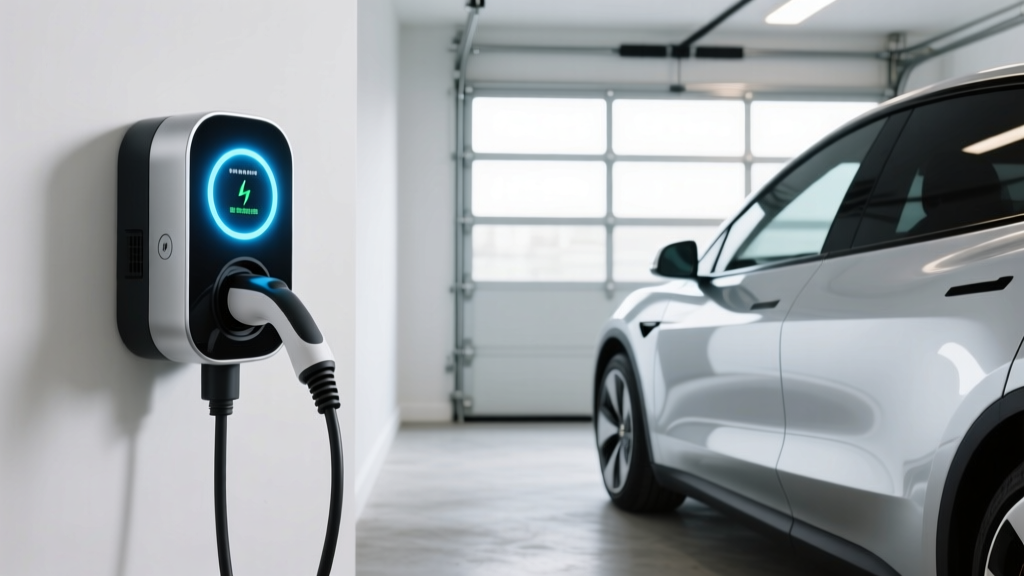
7. ChargePoint Home Flex ($699)
This Level 2 charger allows you to schedule charging exclusively during off-peak hours when the local grid relies heavily on wind and solar, rather than peaker coal plants. It dynamically adjusts amperage from 16A to 50A based on your home's available solar excess.
8. Emporia Vue 2 Energy Monitor ($149)
By clamping directly onto your EV charger's circuit in the breaker box, the Vue 2 tracks the exact kWh cost and carbon intensity of every charge session, pushing the data to your phone for monthly sustainability audits.
9. EcoFlow River 2 Max ($499)
For car camping, this portable power station uses LiFePO4 battery chemistry, offering 3,000+ charge cycles (nearly a decade of daily use) compared to the 500 cycles of older lithium-ion models. It can be topped up via your car's 12V cigarette lighter while driving using regenerative braking energy.
Aerodynamics, Materials, & Cabin Climate
Reducing drag and managing cabin temperature without relying on the engine's AC compressor are massive efficiency wins.
10. Thule Motion XT Eco Roof Box ($549)
Constructed from 80% recycled post-consumer plastics, this box features a wind-tunnel-optimized aerofoil shape. It reduces aerodynamic drag by 15% compared to standard cargo boxes, preserving crucial highway range for both EVs and ICE vehicles.
11. EcoNour Recycled PET Sunshade ($25)
Made from upcycled plastic bottles, this thick reflective shade drops cabin temperatures by up to 40°F. This drastically reduces the initial load on your AC compressor upon startup, a period where fuel consumption and emissions spike heavily.
12. Philips GoPure 5212 Air Purifier ($129)
Using a high-efficiency HEPA filter and a low-draw 12V motor, it removes 99.9% of PM2.5 particulates and VOCs from the cabin. It operates quietly and uses less power than your standard windshield wipers.
Resource Conservation & Maintenance
Sustainability extends to how we clean our vehicles and maintain their mechanical health.
13. Waterblade Eco-Wash Kit ($39)
Traditional hose-and-bucket washes use up to 50 gallons of water. The Waterblade system utilizes a pressurized, waterless polymer spray and microfiber blade system to safely lift dirt, requiring less than one gallon of water for the entire exterior.
14. Dometic CFX3 25 Portable Fridge ($799)
Using the VMSO3 variable-speed compressor, this fridge consumes an average of just 0.8 Ah per hour. It’s perfect for overlanding, drastically reducing the need to run the car's engine just to keep groceries or camping supplies cold.
15. Autel MaxiAP AP200 ($139)
Preventative maintenance is the ultimate eco-hack. This Bluetooth scanner reads deep-level manufacturer codes, alerting you to sticky EGR valves or failing catalytic converters months before they cause a failed emissions test or severe fuel wastage.
Eco-Impact & ROI Matrix
| Gadget Category | Top Pick | Primary Eco-Benefit | Est. ROI Time |
|---|---|---|---|
| Telemetry | ScanGauge III | 9-14% MPG increase via throttle coaching | 4-6 Months |
| Solar / TPMS | Tuya Solar TPMS | Eliminates rolling resistance fuel loss | 2-3 Months |
| EV Charging | ChargePoint Flex | Off-peak grid optimization & cost savings | 8-12 Months |
| Aerodynamics | Thule Motion Eco | 15% drag reduction, recycled materials | N/A (Range) |
| Resource Care | Waterblade Kit | Saves ~2,500 gallons of water annually | Immediate |
Decision Framework: Building Your Sustainable Setup
Do not buy all 15 at once. Start with a Diagnostic Baseline (OBDLink EX + Tuya TPMS) to understand your vehicle's current efficiency flaws. Next, invest in Behavioral Modifiers (ScanGauge III or Eco-Routing) to change how you drive. Finally, upgrade your Hardware Footprint (Solar panels, recycled cargo boxes, and smart EV chargers) to align your vehicle's physical presence with your environmental values.
Expert Insight: The alternator in a standard ICE vehicle requires roughly 0.5 to 1 horsepower from the engine to generate 12V power. Every watt of parasitic drain you eliminate via solar or auto-shutoff gadgets directly translates to fractional MPG gains over thousands of miles.
Frequently Asked Questions
Will solar trickle chargers damage my car's battery?
No, provided you use a panel with a built-in PWM or MPPT charge controller (like the Renogy kits). These controllers prevent overcharging by tapering the voltage once the battery reaches 100% state-of-charge.
Are eco-routing apps really better than standard GPS?
Yes. Standard GPS prioritizes the absolute fastest time, often routing you through stop-and-go traffic. Eco-routing prioritizes momentum conservation, favoring steady-speed highways even if the trip takes 3 minutes longer, resulting in significantly lower fuel consumption.
How do I properly dispose of old car gadgets?
Never throw lithium-ion batteries or PCBs in the trash. Use resources from the Department of Energy or local e-waste facilities like Best Buy's recycling program to safely reclaim rare earth metals and prevent soil contamination.
Written by
Marcus WebbMarcus Webb served as a U.S. Army logistics officer for 8 years, where he managed field equipment procurement and tactical gear evaluation across three combat deployments. After honorable discharge, he earned a certification from the Professional Knife Makers Association and became a certified Wilderness First Responder (WFR). Marcus has tested over 500 EDC products in extreme environments — from -40°F in Alaska to 120°F in the Mojave Desert — using military-spec testing protocols. His reviews of multi-tools, tactical flashlights, and survival gear are known for their rigorous methodology: controlled drop tests from 6 feet, 120-minute water submersion at 2 meters, and lateral torque testing at 45 Nm. He is a member of the Blade Show judging panel and contributes to OutdoorGearLab.