Eco-Friendly Spice Tools: Beyond New Kitchen Gadgets 2025
Discover heirloom-quality, eco-friendly spice grinders and racks that outlast fleeting trends. A deep dive into sustainable materials and burr mechanics.
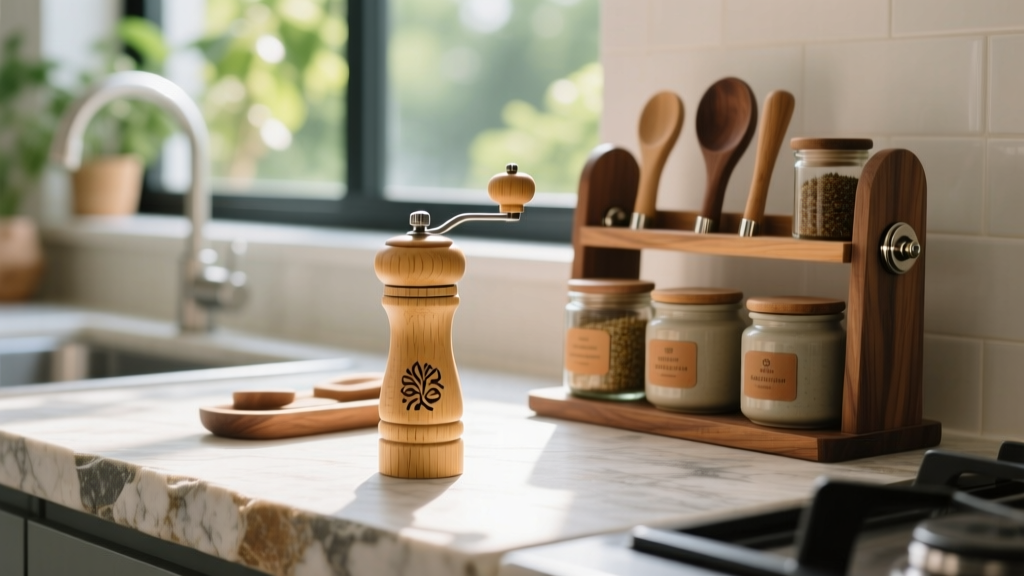
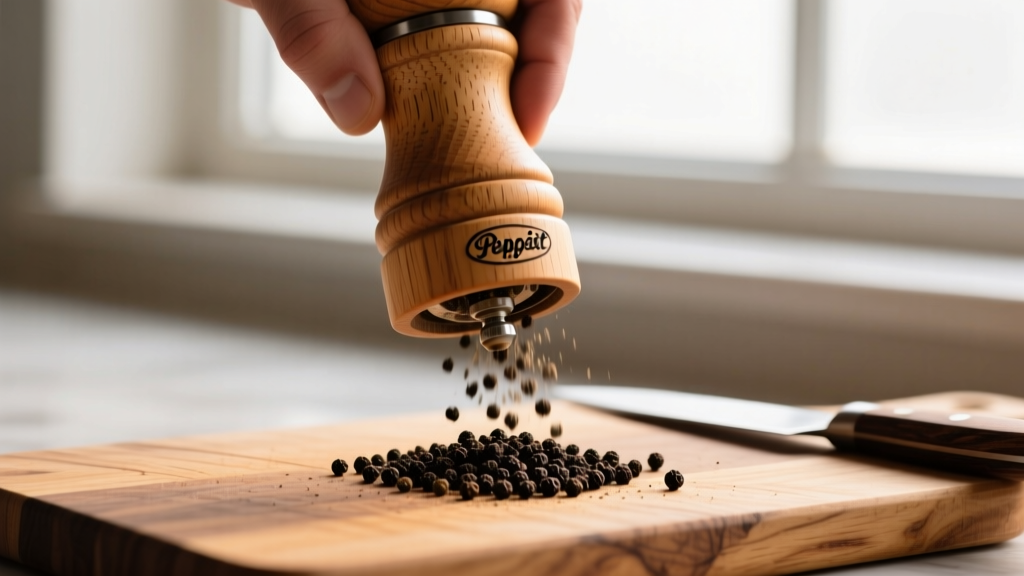
The rush for new kitchen gadgets 2025 introduced a wave of battery-operated, mixed-material spice grinders and acrylic racks. While heavily marketed for convenience, these trend-driven tools often rely on unrecyclable ABS plastics, short-lived lithium-ion cells, and toxic urea-formaldehyde glues. As we move through 2026, the culinary focus has decisively shifted toward heirloom-quality, sustainable spice preparation. True sustainability in the kitchen means investing in tools engineered to last decades, utilizing responsibly harvested materials and replaceable mechanical parts.
The Hidden Cost of Battery-Operated Spice Trends
Motorized spice mills dominate mass-market catalogs, but their environmental and functional footprint is problematic. According to EPA guidelines on e-waste, small kitchen appliances containing integrated lithium batteries are notoriously difficult to recycle, frequently ending up in landfills where heavy metals leach into the soil. Functionally, battery-powered grinders lack the torque required for dense spices like allspice, dried chilies, or star anise, often stripping their internal nylon gears within 18 months of daily use. Manual, mechanically driven grinders eliminate e-waste entirely while providing superior tactile control over grind consistency.
Material Science: Decoding Sustainable Spice Tool Manufacturing
Not all "natural" materials are created equal. The distinction between a genuinely sustainable spice rack and one that is merely greenwashed lies in the adhesives, finishes, and forestry certifications used in production.
Bamboo vs. FSC-Certified Hardwood
Bamboo: While bamboo grass grows up to 30 times faster than traditional hardwoods, manufacturing bamboo kitchenware requires shredding the grass and binding it with resins. Many cheap bamboo products off-gas urea-formaldehyde. When buying bamboo, you must verify the use of food-safe, formaldehyde-free adhesives.
FSC-Certified Hardwood: Woods like beech, acacia, and walnut offer natural density and antimicrobial properties without synthetic binders. The Forest Stewardship Council (FSC) certification ensures the timber is harvested from forests that maintain biodiversity and benefit local communities, making it the gold standard for wooden spice mills.
Heirloom-Quality Eco-Friendly Spice Grinders
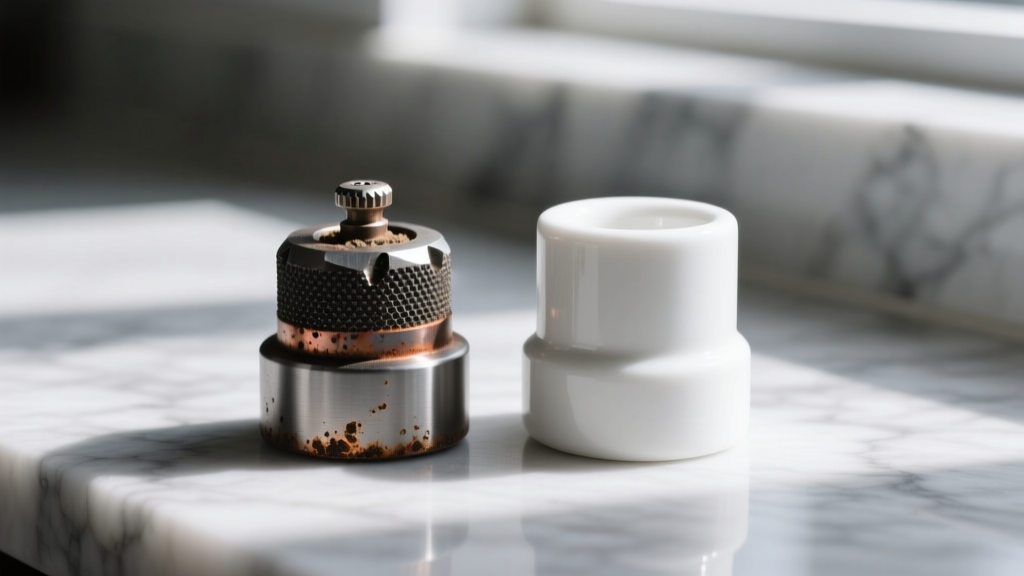
When evaluating manual grinders, the burr mechanism dictates both lifespan and flavor preservation. Carbon steel burrs offer aggressive, precise cuts ideal for hard peppercorns, while ceramic burrs resist corrosion and excel with coarse sea salts and mixed spice blends.
Peugeot Paris u'Select Nature (304-Grade Steel & FSC Beech)
Retailing around $65, the Peugeot Paris u'Select Nature strips away synthetic lacquers, leaving the FSC-certified beechwood body unfinished. This allows the cook to treat the wood with their choice of food-grade mineral oil or beeswax, extending its life indefinitely. Peugeot's proprietary case-hardened steel burr is guaranteed against manufacturing defects for 25 years. The u'Select dial at the base offers six precise grind settings, from ultra-fine (150 microns) for soups to coarse (850 microns) for steak crusts. Limitation: The steel burr will corrode if used exclusively with wet sea salts; reserve this mill strictly for dry peppercorns and coriander seeds.
Zassenhaus Quito (Ceramic Burr & Sustainable Acacia)
Priced at approximately $85, the Zassenhaus Quito utilizes a high-density ceramic grinding mechanism that is entirely impervious to moisture and salt corrosion. The body is crafted from FSC-certified acacia wood, a fast-growing, drought-resistant hardwood that requires minimal irrigation compared to traditional timber. Zassenhaus engineers their ceramic burrs to withstand forces up to 40% higher than standard steel, allowing you to grind rock-hard Himalayan salt blocks or dried ghost peppers without dulling the cutting edges. The stepless grind adjustment knob on the base provides infinite granularity, a crucial feature for chefs dialing in exact extraction rates for spice rubs.
Zero-Waste Spice Racks and Storage Ecosystems
A sustainable grinder is only half the equation; how you store your spices determines their volatile oil retention and shelf life. Exposure to UV light and ambient humidity degrades piperine and essential oils rapidly.
Bambu Home Spice Carousel (Organic Bamboo & Glass)
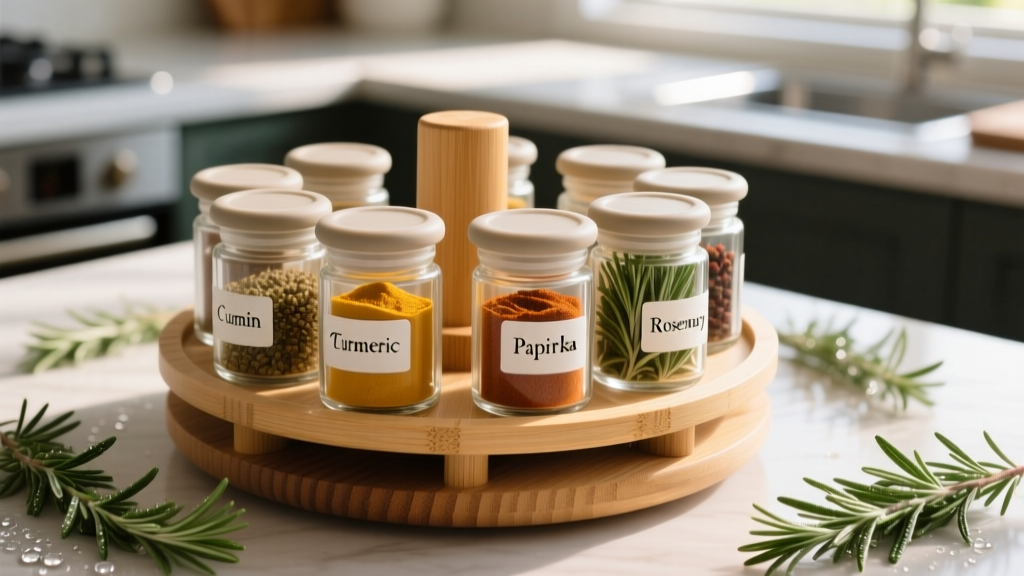
At $45, this carousel avoids the plastic hinges and synthetic finishes common in big-box store racks. Bambu Home uses organically grown bamboo and a proprietary, food-safe water-based sealant. The included glass jars feature silicone gaskets that create a near-vacuum seal, extending the viability of ground cumin and paprika from the standard 6 months to over 14 months. The tiered design ensures labels are visible without moving jars, reducing accidental spills and waste.
Etee Silicone & Glass Modular Pods
For those who buy spices in bulk from zero-waste refilleries, Etee's modular glass pods ($28 for a set of four) replace single-use plastic lids with medical-grade, biodegradable silicone cones. These cones stretch over the mouth of virtually any standard glass jar, creating an airtight seal that blocks moisture and pantry moths. The silicone is fully compostable at the end of its multi-year lifespan, closing the loop on kitchen storage waste.
Sustainability & Performance Matrix
| Product | Primary Material | Burr / Seal Type | Price Range | Eco-Certification |
|---|---|---|---|---|
| Peugeot Paris u'Select Nature | Unfinished Beechwood | Case-Hardened Steel | $60 - $70 | FSC Wood |
| Zassenhaus Quito | Acacia Wood | High-Density Ceramic | $80 - $90 | FSC Wood |
| Bambu Home Carousel | Organic Bamboo | Silicone Gasket Jars | $40 - $50 | Formaldehyde-Free Glue |
| Etee Modular Pods | Borosilicate Glass | Compostable Silicone | $25 - $30 | Zero-Waste / Plastic-Free |
The 3-Step Maintenance Protocol for Natural Wood Mills
According to Serious Eats' comprehensive pepper mill teardowns, the primary cause of mechanical failure in manual grinders is spice oil buildup and wood desiccation. Follow this protocol bi-annually to ensure a 20+ year lifespan:
- Clear the Burr Channel: Once a month, grind a tablespoon of coarse, uncooked white rice through the mill. The rice acts as an abrasive sponge, absorbing trapped volatile oils and dislodging micro-particles of spice from the burr teeth. Discard the rice flour.
- Hydrate the Hardwood: Every six months, apply three drops of food-grade fractionated coconut oil or pure beeswax to a lint-free cloth. Rub it into the exterior wood grain, avoiding the internal grinding shaft. This prevents the wood from micro-cracking due to seasonal humidity fluctuations.
- Recalibrate the Tension Spring: If the grind becomes inconsistent, remove the top knob and inspect the tension spring. A single drop of mineral oil on the spring coil will eliminate metal-on-metal friction and restore smooth torque transfer.
Frequently Asked Questions
Can I use a ceramic burr grinder for wet spices like garlic or ginger?
No. While ceramic resists rust, the physical gaps in the burr mechanism will clog with wet fibers, creating a breeding ground for mold. Reserve manual grinders strictly for dry, hard spices.
Is acrylic spice rack storage safe for long-term use?
Cast acrylic (PMMA) is highly durable and BPA-free, but it scratches easily and degrades under direct UV sunlight, eventually becoming brittle and shattering. Glass and FSC-wood remain superior for multi-decade use.
How do I safely dispose of a broken battery-operated spice mill?
Never throw lithium-integrated appliances in standard trash. Disassemble the housing using a precision screwdriver, separate the plastic shell (check local recycling codes for #7 mixed plastics), and drop the battery module at a designated municipal e-waste facility or hardware store take-back program.
Written by
Emma LarssonEmma Larsson holds an M.A. in International Relations from Sciences Po Paris and a B.A. in Communications from Stockholm University. A digital nomad since 2017, she has worked from over 45 countries across six continents, building deep expertise in portable power solutions, travel routers, compact computing, and connectivity gadgets that survive international travel. Emma is a certified member of the Travel Technology Association and has advised three travel gear startups on product-market fit for remote workers. Her reviews evaluate products against real travel scenarios — TSA compliance, voltage compatibility across 200+ countries, durability through 50+ checked bag cycles, and battery life under airplane mode vs. active use. She has been featured in Condé Nast Traveler's "Tech-Savvy Traveler" series and speaks at Remote Work Summit events.