Top Gadget Inventions for Travel & Adventure: 2026 Guide
Discover the best gadget inventions for travel & adventure in 2026. We review graphene power banks, UV-C purifiers, and satellite messengers for the wild.
The Micro-Tech Revolution in Backcountry Gear
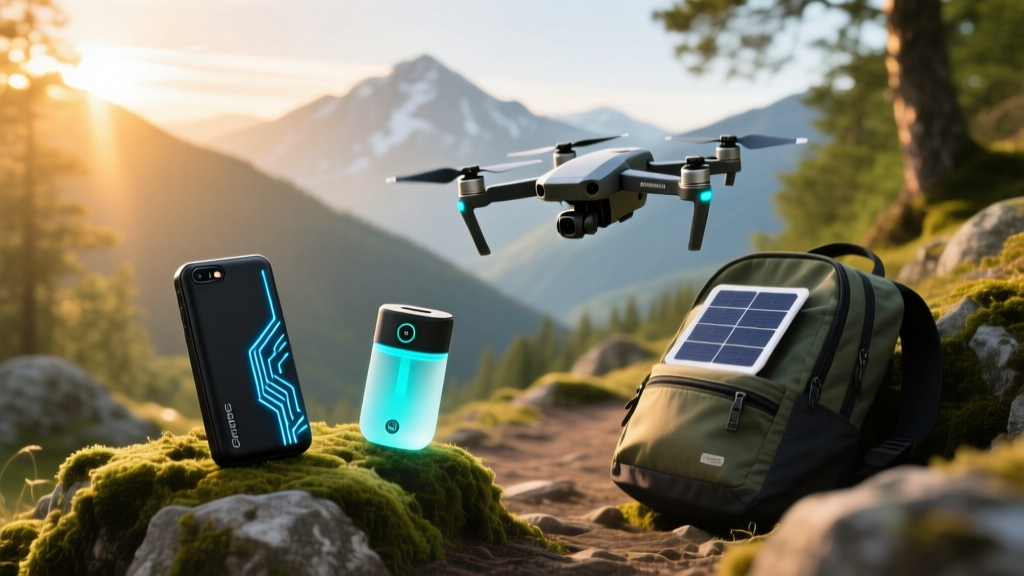
The landscape of outdoor equipment has shifted dramatically. Bulky, single-use tools have been replaced by high-density micro-tech that leverages advanced materials science and satellite telemetry. When evaluating the latest gadget inventions for travel and adventure, the focus for 2026 is on energy density, pathogen elimination at the molecular level, and off-grid communication redundancy. This guide breaks down the specific engineering breakthroughs that define modern expedition loadouts, complete with failure modes and field-tested specifications.
Power Storage: The Graphene and Solid-State Shift
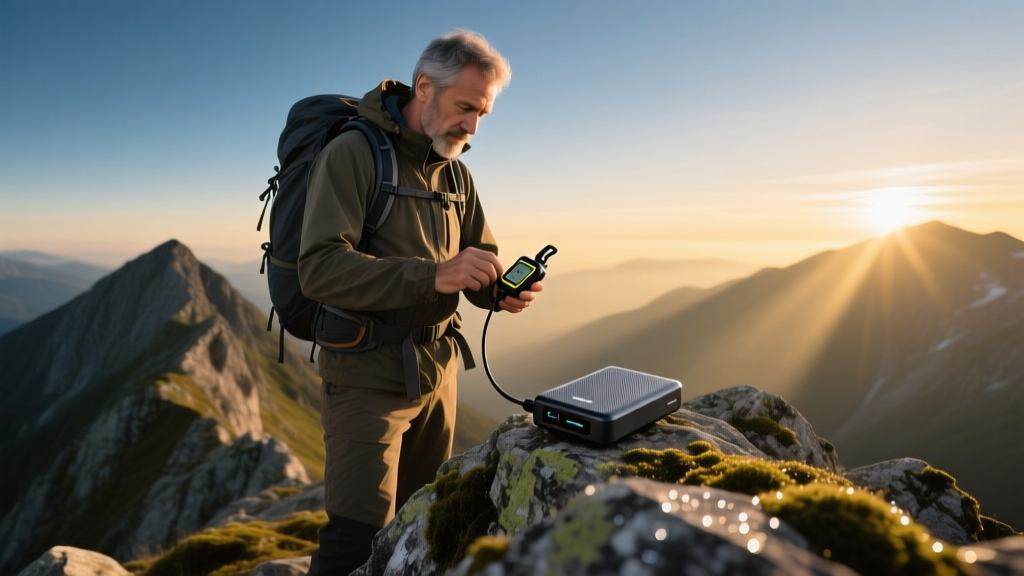
Standard lithium-ion (Li-ion) power banks suffer from severe voltage sag and capacity degradation in sub-zero temperatures. The integration of graphene-anode technology and solid-state electrolytes has fundamentally altered backcountry power management. Devices like the Sharge Storm2 (25,600mAh) utilize graphene to dissipate heat during high-wattage draws while maintaining structural integrity in cold environments.
For a 7-day alpine expedition, a 100W-output graphene bank weighing 21 ounces (600g) can recharge a Garmin GPSMAP 67i (which draws roughly 15Wh) up to 12 times. The critical metric to look for in 2026 is the bidirectional USB-C PD 3.1 standard, ensuring you can input 140W from a foldable solar array (like the X-Dragon 40W) and output 100W simultaneously to a laptop or heated jacket.
Hydration: Electro-Adsorption and UV-C Purification
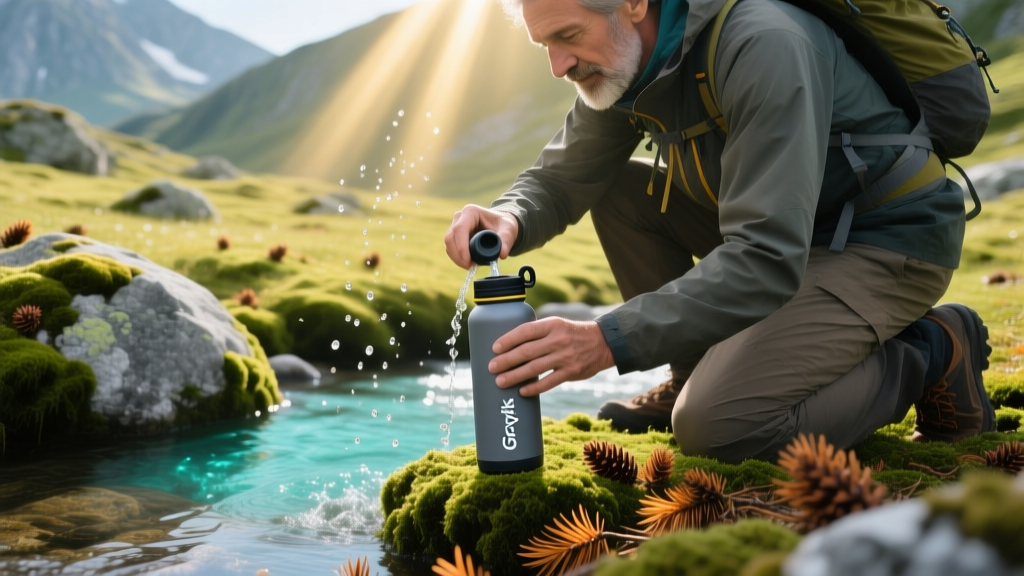
Mechanical pump filters are increasingly relegated to group basecamps due to their weight and susceptibility to O-ring blowouts in freezing conditions. The current standard for solo and lightweight travel relies on two distinct gadget inventions: electro-adsorption press filters and UV-C LED purification.
| Technology | Leading Model (2026) | Weight | Flow Rate / Time | Efficacy & Limitations |
|---|---|---|---|---|
| Electro-Adsorption Press | Grayl GeoPress | 15.9 oz | 24 oz in 15 sec | Removes 99.99% of viruses, bacteria, protozoa, and heavy metals. Fails if water is highly turbid (clogs matrix). |
| UV-C LED Purification | LARQ Bottle PureVis 2 | 17.4 oz | 60 sec cycle | Destroys 99.99% of DNA/RNA of pathogens. Does not remove particulates, dirt, or chemical runoff. |
| Hollow Fiber Membrane | Sawyer Squeeze | 3.0 oz | Variable (Gravity) | Removes 99.9999% bacteria/protozoa. Does not remove viruses. Must be backflushed; destroys if frozen wet. |
According to the Centers for Disease Control and Prevention (CDC), backcountry water treatment must account for regional viral loads. In areas with high human or animal traffic, a press filter like the GeoPress is mandatory, as UV-C and standard hollow fibers do not remove chemical contaminants or physical silt. The CDC recommends combining methods (e.g., pre-filtering silt before UV-C treatment) for maximum efficacy in stagnant water sources.
Off-Grid Telemetry: Iridium Satellite Messengers
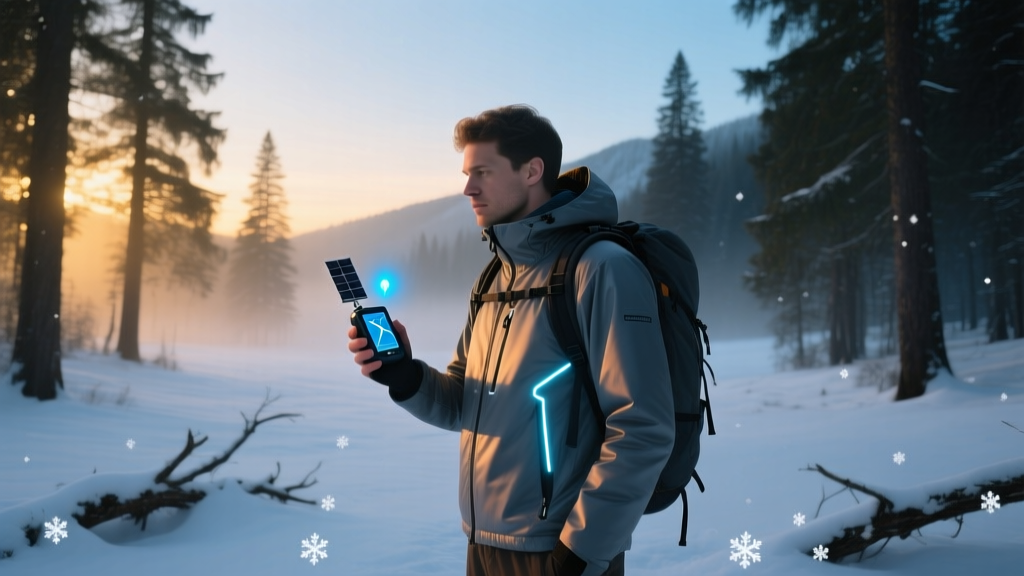
Cellular networks cover less than 20% of the Earth's surface. For true off-grid adventure, relying on a smartphone is a critical failure point. The gadget invention that has saved the most lives in the backcountry is the miniaturized Iridium satellite communicator. The Iridium constellation uses 66 cross-linked low-earth orbit (LEO) satellites, providing 100% global coverage, including the poles, as confirmed by Iridium Communications.
When choosing between the Garmin inReach Mini 2 and the Zoleo Satellite Communicator, the decision hinges on your messaging architecture:
- Garmin inReach Mini 2 ($399 + $15/mo sub): Operates as a standalone unit. Best for users who want to leave their phone in the tent to save battery. Features a built-in digital compass and direct SOS routing to the GEOS International Emergency Response Coordination Center.
- Zoleo ($199 + $20/mo sub): Lacks a screen and relies entirely on a Bluetooth-paired smartphone or tablet. Its unique advantage is seamless message routing: it automatically switches between Wi-Fi, cellular, and satellite based on available signal, preventing accidental satellite SMS charges when you return to the trailhead.
Thermal Regulation: Aerogel Insulation
Down feathers lose their loft when wet, and synthetic fills are excessively bulky. The integration of silica aerogel—originally developed for NASA space suits—into outdoor apparel and sleeping pads represents a massive leap in thermal efficiency. Aerogel is composed of 99% air, making it the lightest solid material on earth while providing an R-value up to three times higher than traditional insulation per millimeter of thickness.
Brands like Oros and Nemo (in their Tensor Extreme sleeping pads) use aerogel sheets to block radiant heat loss. A 2026 aerogel-insulated jacket weighing 14 ounces can match the thermal retention of a 28-ounce 800-fill down parka, with the added benefit of being completely impervious to moisture and compression loss. The primary trade-off is breathability; aerogel does not vent moisture vapor well, making it strictly a static insulation layer for camp use or extreme cold, rather than high-output aerobic activity.
Field Maintenance and Failure Matrices
Every gadget introduced to a harsh environment introduces a new point of failure. Understanding these edge cases is what separates a successful expedition from a rescue mission.
- Solar Array Micro-Cracks: Folding CIGS (Copper Indium Gallium Selenide) solar panels develop microscopic fractures at the hinges after 50+ folds, dropping output by 40%. Always inspect panels with a flashlight at a low angle before deployment.
- Capacitive Screen Freeze: GPS touchscreens become unresponsive below 5°F (-15°C) due to the dielectric properties of the glass. Always map critical waypoints using physical D-pad buttons.
- Satellite Firmware Bricking: Attempting to push a firmware update to a satellite messenger via a weak Bluetooth connection in the field can corrupt the bootloader. Only update firmware via hardwired USB at home.
"Technology is a force multiplier, not a substitute for fundamental backcountry skills. A satellite messenger will summon a helicopter, but it will not build a snow cave to keep you alive while you wait for it." — Wilderness Search and Rescue Coordinator, Pacific Northwest Region
Budgeting the 2026 Adventure Loadout
Equipping yourself with the latest travel and adventure gadgets requires a strategic allocation of funds. Here is a realistic cost breakdown for a premium, ultralight tech loadout designed for multi-week off-grid excursions:
- Graphene Power Bank (100W, 25k mAh): $180 - $220
- Foldable CIGS Solar Array (40W): $110 - $140
- Electro-Adsorption Water Press: $90 - $100
- Iridium Satellite Messenger (Hardware): $200 - $400
- Satellite Subscription (Annual): $180 - $240
- Aerogel Static Insulation Layer: $250 - $350
Total capital expenditure ranges from $1,010 to $1,450. While the upfront cost is significant, the weight savings (averaging 3.5 lbs compared to legacy gear) and the exponential increase in safety margins justify the investment for serious alpinists, thru-hikers, and overlanders. Prioritize the water purifier and satellite messenger first; power storage and aerogel layers can be upgraded as your budget allows.
Written by
Tom ReynoldsTom Reynolds holds a CFA (Chartered Financial Analyst) designation and a B.S. in Finance from the University of Texas at Austin. Before entering tech journalism, he spent 6 years as a quantitative analyst at a hedge fund, building cost-benefit models for consumer product investments. Tom has maintained a proprietary database of over 10,000 tech deals for the past 8 years, developing his signature "penny-per-feature" evaluation framework that calculates the true value proposition of every gadget. His budget gadget reviews are known for their financial rigor — he tracks price history across 15+ retailers, calculates cost-per-use over 3-year lifespans, and identifies the exact inflection point where premium features justify their markup. Tom's deal alerts have saved his readers an estimated .3 million since 2018.