Best Gadgets for Traveling Off-Grid: 2026 Outdoor Essentials
Discover the best gadgets for traveling off-grid in 2026. Expert picks for extreme heat, alpine cold, and unpredictable shoulder seasons.
The Physics of Off-Grid Travel: Why Standard Gear Fails
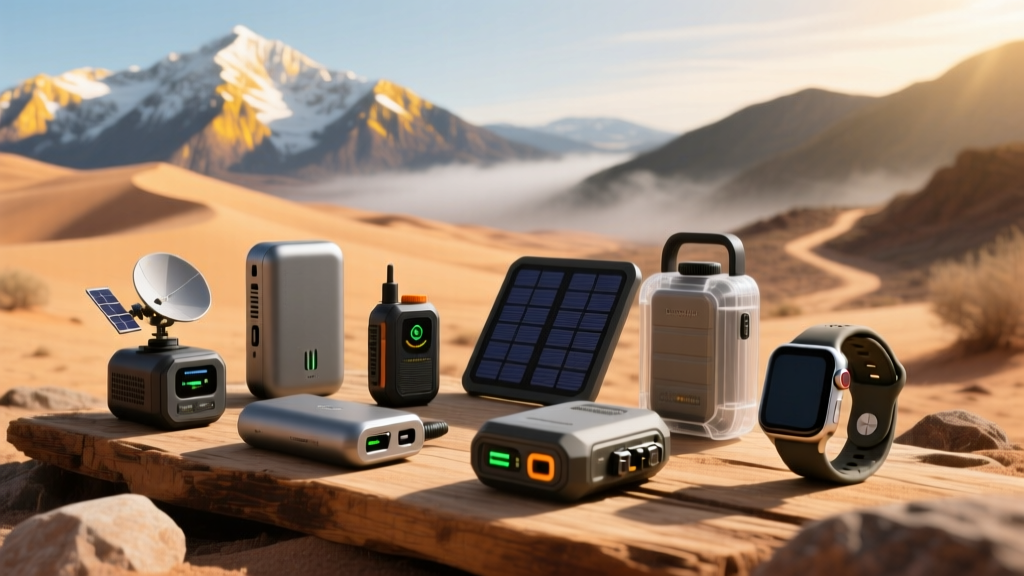
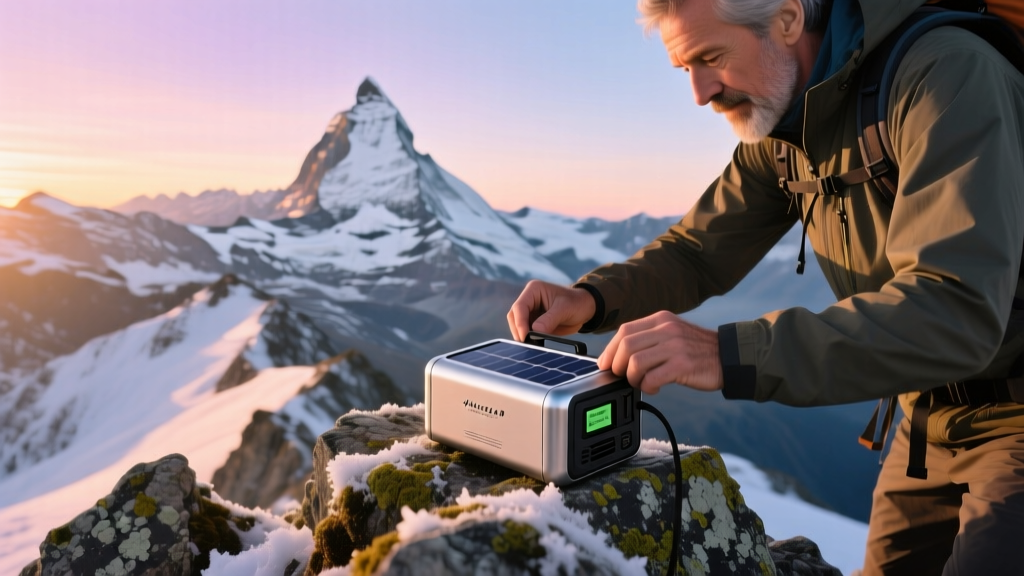
Venturing beyond the reach of cellular towers and wall outlets requires more than just a standard power bank and a headlamp. The environment actively works against your electronics. Standard lithium-ion batteries lose up to 50% of their effective capacity when temperatures drop below -10°C (14°F) due to increased electrolyte viscosity. Conversely, exposing power banks to direct desert sun exceeding 45°C (113°F) risks permanent cell degradation or thermal runaway. Finding the best gadgets for traveling in extreme environments means selecting hardware engineered to bypass these physical limitations.
This guide breaks down the essential off-grid technology for 2026, categorized by the specific environmental threats they mitigate.
Seasonal Gadget Priority Matrix
Before packing, match your destination's primary environmental threat to the correct hardware category. Overpacking multi-use gear that fails in extremes is a common novice mistake.
| Season / Environment | Primary Threat | Core Gadget Category | Top 2026 Pick | Est. Price |
|---|---|---|---|---|
| Winter / Alpine | Battery failure, hypothermia | Cold-resistant power, active heating | Nitecore NB20000 Gen 3 | $119 |
| Summer / Desert | Heatstroke, waterborne pathogens | Thermoelectric cooling, UV purification | Sony Reon Pocket 5 | $150 |
| Shoulder / Unpredictable | Sudden storms, lost navigation | Satellite comms, redundant GPS | Zoleo Satellite Communicator | $250 |
Winter & Alpine Expeditions: Defeating the Deep Freeze
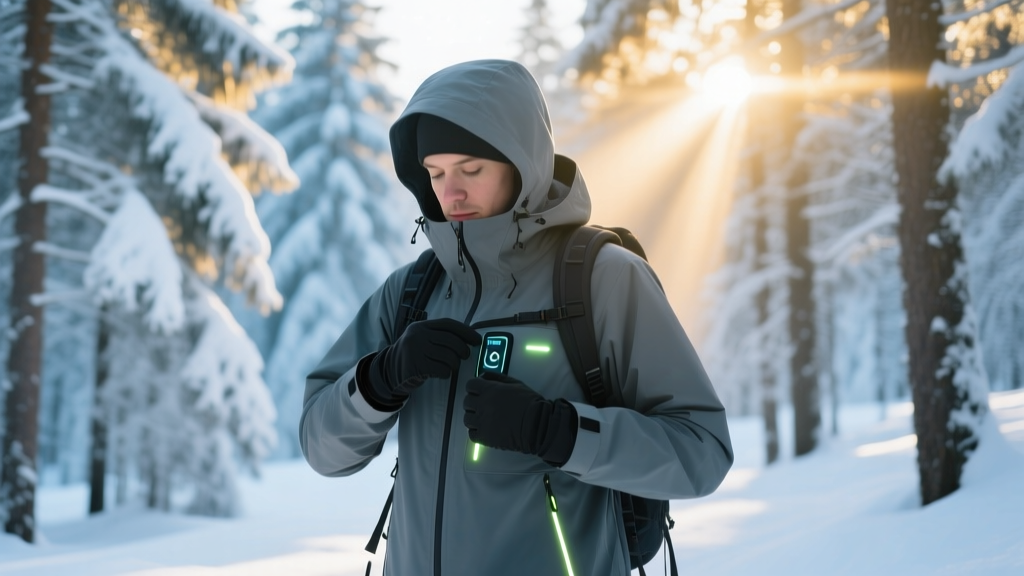
According to FEMA's Extreme Cold guidelines, maintaining core body temperature and protecting critical electronics are the two pillars of winter survival. Standard heated apparel relies on brittle metal alloy wires that snap after repeated packing and washing. The 2026 generation of heated gear utilizes carbon nanotube heating elements, which are flexible, washable, and provide a wider surface area for heat distribution.
Active Thermal Regulation
The Ororo Gen 4 Classic Heated Jacket ($199) uses these carbon nanotube pads across the chest, back, and collar. Unlike older models that required proprietary 7.4V batteries, the Gen 4 supports USB-C Power Delivery (PD) input, allowing you to run the jacket directly off any standard 20V/3A laptop power bank. This interoperability saves crucial weight in a winter pack.
Cold-Rated Power Architecture
To keep that jacket—and your GPS—running, you need a battery designed for the cold. The Nitecore NB20000 Gen 3 Carbon Fiber Power Bank ($119) is the current benchmark. It features a specialized low-temperature electrolyte formula and an internal heating circuit that safely warms the cells before drawing heavy current. It outputs 20,000mAh at a weight of just 11.8 ounces, making it the highest power-to-weight ratio cold-weather bank on the market.
Summer & Desert Treks: Thermoelectric Cooling and Purification
Desert and tropical environments present the opposite challenge. FEMA's Extreme Heat preparedness data emphasizes that core temperature regulation is critical when ambient shade temperatures exceed 100°F. Evaporative cooling towels fail in high-humidity jungles, and standard battery-operated fans merely blow hot air.
The Peltier Effect in Your Pocket
The Sony Reon Pocket 5 ($150) solves this using thermoelectric cooling based on the Peltier effect. When an electrical current passes through the junction of two different conductors inside the device, it absorbs heat on one side and dissipates it on the other. Placed in the specialized mesh pocket at the base of your neck (where major blood vessels sit close to the skin), it actively drops your perceived body temperature by up to 23°F in seconds. It runs for roughly 90 minutes on high via a USB-C rechargeable internal cell.
Water Purification Without Chemicals
Boiling water consumes valuable fuel and time. The LARQ Bottle PureVis 2 ($129) utilizes a 280-nanometer UV-C LED embedded in the cap. This specific wavelength disrupts the DNA of bacteria and viruses, rendering them harmless. A 60-second cycle neutralizes 99.999% of biological contaminants. The 2026 model features an upgraded 400mAh battery, yielding up to 45 purification cycles per charge, and a self-cleaning mode that activates every two hours to prevent biofilm buildup inside the stainless steel vessel.
Shoulder Seasons: Satellite Communications and Routing
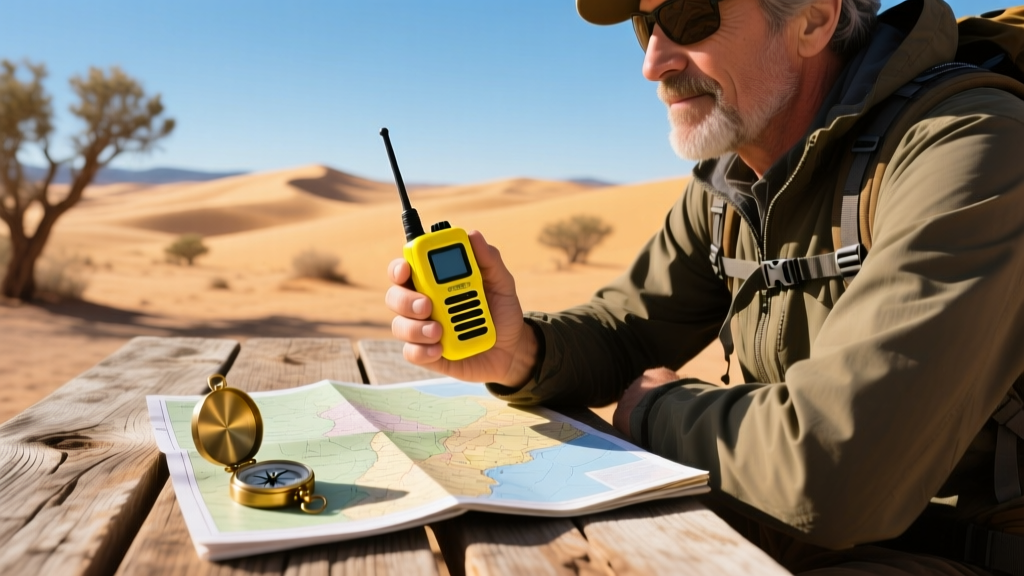
Spring and autumn bring unpredictable weather windows, sudden whiteouts, and flash floods. When cellular networks are non-existent or overloaded during regional emergencies, satellite communication transitions from a luxury to a lifeline.
Network Bridging vs. Pure Satellite
The Garmin inReach Mini 2 remains a stalwart for pure satellite messaging via the Iridium network. However, the Zoleo Satellite Communicator ($250 hardware + $20/month subscription) offers a superior framework for modern travelers. Zoleo seamlessly bridges three networks: it routes messages through Wi-Fi or cellular when available (saving satellite data), and automatically switches to the Iridium 66-satellite constellation when you step off the grid. Furthermore, Zoleo provides a dedicated SMS and email address for your contacts, meaning your family can reply to you from their standard phone apps without needing to download a proprietary tracking portal.
Building a 3-Tier Redundant Power System
Relying on a single power source off-grid is a critical failure point. Adhering to Leave No Trace principles means packing out all your gear safely; a dead GPS or headlamp can lead to dangerous off-trail routing that damages fragile alpine or desert ecosystems. Build this three-tier architecture:
- Tier 1: The Base Load (High Capacity). A cold/heat-resistant power bank like the Nitecore NB20000 Gen 3. This handles daily charging for headlamps, cameras, and comms.
- Tier 2: The Replenishment (Solar). A foldable ETFE-coated solar panel, such as the BigBlue 28W SunPower Folder ($79). ETFE (Ethylene Tetrafluoroethylene) panels degrade significantly slower in UV light than older PET panels, maintaining a 22% conversion efficiency over years of use. Angle it precisely at the sun using the built-in sun dial compass.
- Tier 3: The Fail-Safe (Kinetic). The K-Tor Pocket Generator ($99). This hand-crank pedal generates up to 10 watts of continuous power via a planetary gear system. It is heavy and tedious to use, but it guarantees you can generate enough juice to send a single SOS ping on your satellite communicator when all else fails.
"The difference between a minor inconvenience and a survival situation off-grid is rarely physical fitness; it is almost always the failure of primary navigation and communication hardware due to poor power management." — Wilderness Medical Society Field Guidelines
Pre-Departure Hardware Audit Checklist
- Cycle all power banks fully (0% to 100%) three days before departure to calibrate the battery management system (BMS) chips.
- Update firmware on all GPS and satellite devices via Wi-Fi at home; over-the-air updates via satellite consume massive data limits.
- Apply a hydrophobic nano-coating to all exposed USB-C ports to prevent corrosion from high humidity or salt spray.
- Download offline topographic maps (Gaia GPS or OnX Backcountry) to your primary and secondary devices, ensuring the cache is stored locally, not on an external SD card that could vibrate loose.
Written by
Tom ReynoldsTom Reynolds holds a CFA (Chartered Financial Analyst) designation and a B.S. in Finance from the University of Texas at Austin. Before entering tech journalism, he spent 6 years as a quantitative analyst at a hedge fund, building cost-benefit models for consumer product investments. Tom has maintained a proprietary database of over 10,000 tech deals for the past 8 years, developing his signature "penny-per-feature" evaluation framework that calculates the true value proposition of every gadget. His budget gadget reviews are known for their financial rigor — he tracks price history across 15+ retailers, calculates cost-per-use over 3-year lifespans, and identifies the exact inflection point where premium features justify their markup. Tom's deal alerts have saved his readers an estimated .3 million since 2018.