Toy Spy Gadgets in 2026: The Future of Covert Safety
Discover how toy spy gadgets are evolving into essential covert safety tools for women in 2026, featuring tech trends, risks, and top disguised gear.
The Blurring Line Between Novelty and Necessity
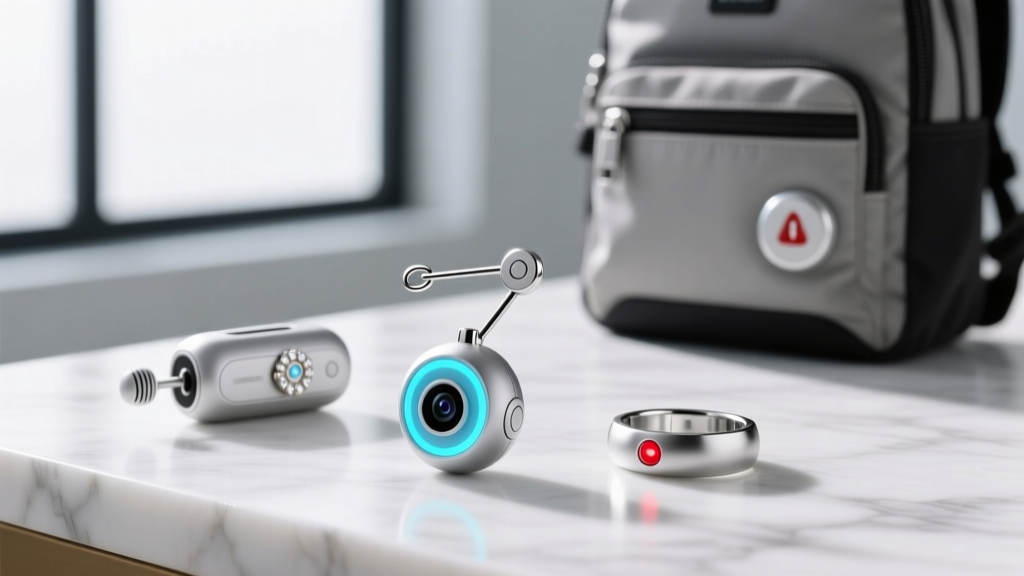
When most consumers hear the phrase toy spy gadgets, they immediately picture novelty items from mall kiosks—plastic magnifying glasses with hidden compartments or cheap walkie-talkies. However, as we navigate through 2026, the micro-miniaturization driving the novelty toy market has inadvertently birthed a goldmine for covert personal security. The same manufacturing pipelines that produce hyper-realistic remote-control micro-drones and interactive digital pets are now being leveraged to create discreet, highly effective safety and surveillance tools for women.
For women navigating complex safety scenarios—ranging from stalking and domestic abuse to general situational awareness in urban environments—overt security gear isn't always the best option. A visible dashcam or a traditional panic button can escalate a volatile situation. This is where the evolution of toy-grade micro-electromechanical systems (MEMS) and complementary metal-oxide-semiconductor (CMOS) sensors steps in, offering military-grade surveillance and tracking in innocuous, everyday form factors.
Top Covert 'Toy-Like' Safety Categories for 2026
The modern safety gadget landscape relies heavily on 'security through obscurity.' Here are the leading categories where toy-grade tech intersects with serious personal protection.
1. Plush & Aesthetic Nursery Cameras
Originally designed as baby monitors, high-end plush cameras have been adopted by women to monitor shared living spaces, hotel rooms, or Airbnb rentals for hidden threats. Models like the Spy-Max Teddy Bear 4K (retailing around $289) utilize pinhole lenses hidden in the toy's button eyes. Unlike early 2020s models that suffered from poor low-light performance, 2026 iterations feature 1/2.8-inch Sony STARVIS sensors, delivering full-color night vision without emitting the tell-tale red glow of traditional infrared LEDs. These devices record locally to encrypted microSD cards, bypassing Wi-Fi networks that could be compromised by a tech-savvy abuser.
2. Fidget & Wearable Aesthetic Trackers
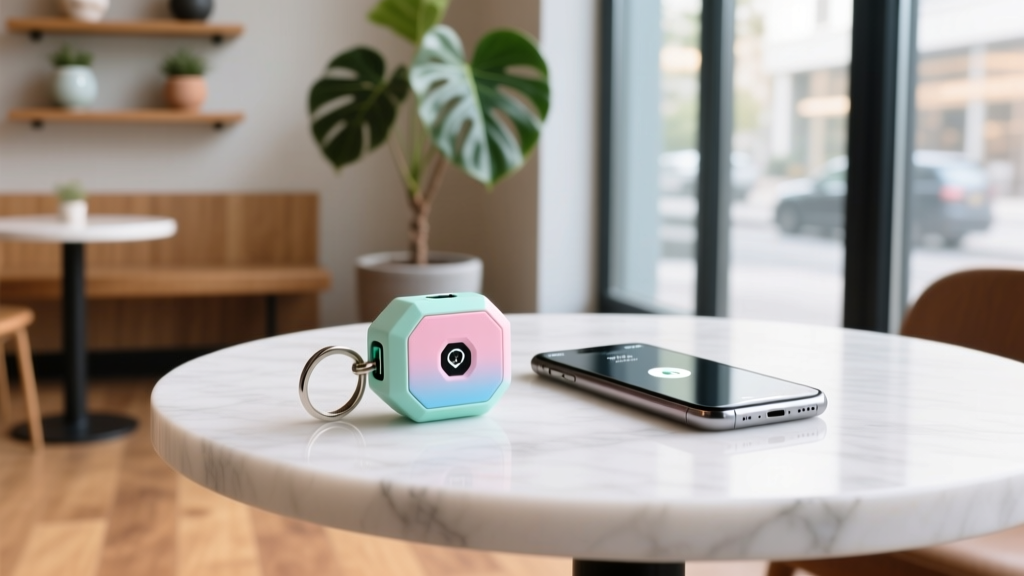
GPS trackers have moved beyond the utilitarian black plastic square. Today, trackers are disguised as aesthetic bag charms, tamagotchi-style digital pets, and even fidget toys. The Tile Charm 2026 Edition and specialized Apple AirTag silicone sleeves designed to look like retro gaming keychains allow women to track their belongings, vehicles, or even slip a secondary tracker into an abusive partner's vehicle for evidence-gathering purposes (where legally permissible). These devices leverage ultra-wideband (UWB) precision finding, allowing users to locate a hidden item within a 3-inch margin of error using their smartphone's AR interface.
3. Gamified Smart Panic Buttons
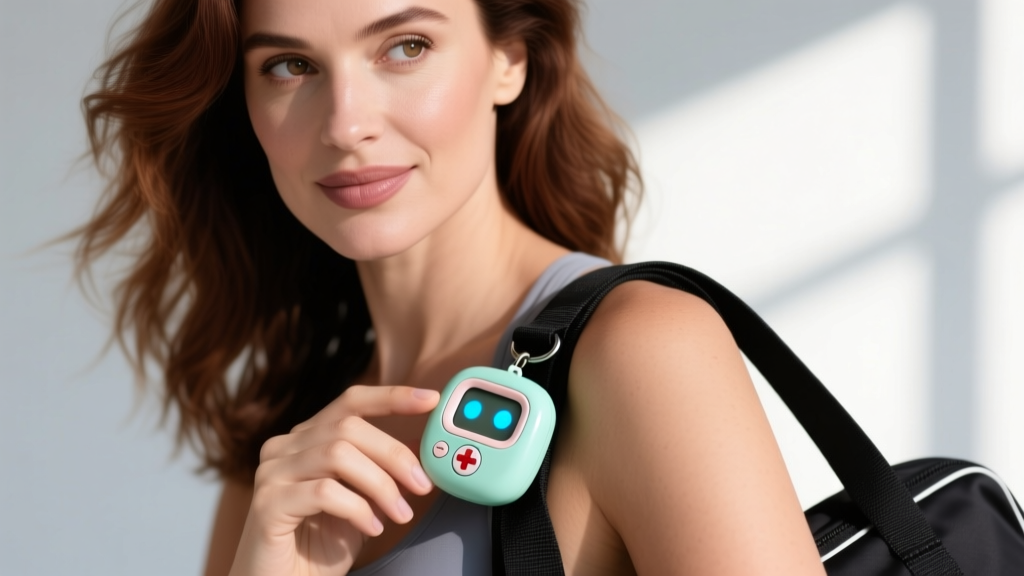
Traditional personal alarms are loud and conspicuous. The new wave of 'gamified' panic buttons mimics the look of nostalgic 90s digital toys or high-end fidget spinners. The She's Birdie Micro, disguised as a minimalist keychain toy, emits a 130-decibel siren and strobe light when the 'toy's' top ring is pulled. More advanced iterations integrate silently with smartphone APIs, sending live GPS coordinates and a 10-second audio snippet to emergency contacts without triggering an audible alarm, which is critical for de-escalation in domestic violence scenarios.
Data Matrix: Toy-Grade vs. Pro-Grade Covert Devices
Understanding the trade-offs between disguised 'toy' gadgets and traditional professional security gear is crucial for building a comprehensive safety strategy.
| Device Category | Disguise Type | Battery Life | Avg. Price (2026) | Best Use Case |
|---|---|---|---|---|
| Spy-Max Teddy 4K | Plush Toy / Nanny Cam | 14 Hours (Active) | $289 | Hotel room sweeps, shared space monitoring |
| Tile Charm UWB | Bag Charm / Keychain | 12 Months (Replaceable) | $45 | Luggage tracking, covert vehicle placement |
| Birdie Micro Alarm | Retro Digital Pet Toy | Standby: 1 Year | $32 | Jogging, late-night transit, campus walking |
| Jepod JMD-9000 | Handheld Gaming Console | 8 Hours (Scanning) | $75 | Detecting hidden cameras and GPS stalkers |
The Dark Side: Counter-Surveillance and Privacy Risks
While toy spy gadgets empower women to reclaim their privacy, the exact same technology is frequently weaponized by stalkers and abusers. The affordability of micro-cameras and Bluetooth trackers has led to a spike in tech-facilitated domestic abuse. According to the National Network to End Domestic Violence (NNEDV), tech-facilitated stalking often involves perpetrators hiding AirTags or micro-cameras disguised as toys or everyday objects in a victim's car, purse, or bedroom.
'The miniaturization of surveillance tech means that a perpetrator no longer needs technical expertise to monitor a victim. A $30 toy-grade Bluetooth tracker slipped into a coat pocket provides real-time location data, fundamentally altering the power dynamic in abusive relationships.' — Security Analyst, NNEDV Safety Net Project
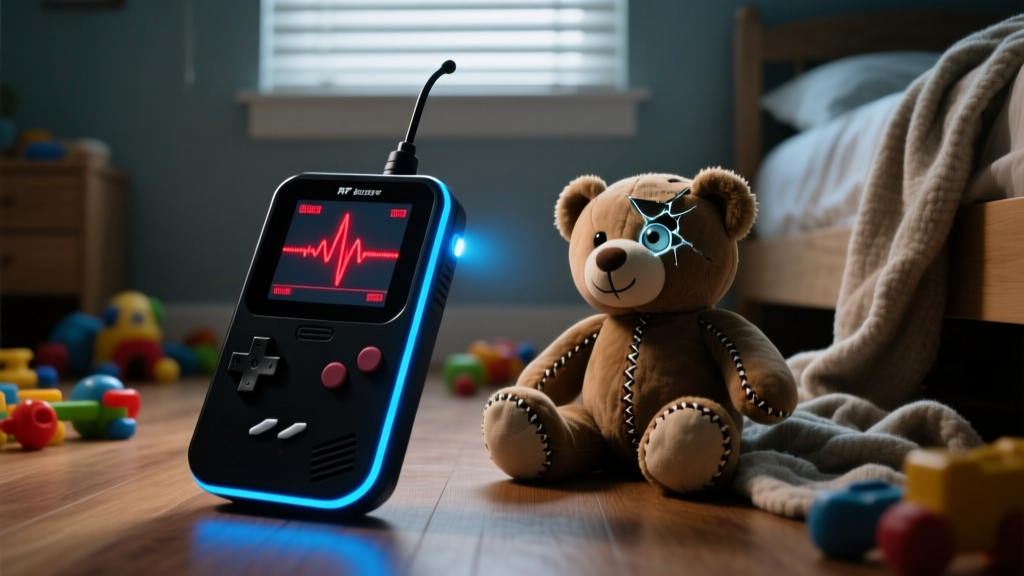
To combat this, counter-surveillance has become a vital component of women's safety. Handheld RF (Radio Frequency) detectors, such as the Jepod JMD-9000 (which cleverly mimics the form factor of a retro handheld gaming console), allow women to sweep their living spaces, rental cars, and hotel rooms for hidden transmitting devices. By sweeping the 1MHz to 8GHz frequency range, these devices can detect the cellular uplinks of hidden micro-cameras or the Bluetooth pings of unauthorized trackers.
Expert Decision Framework: Overt vs. Covert Deterrence
When designing your personal security ecosystem, it is vital to understand the psychological difference between overt and covert gadgets. Use this framework to decide which tool to deploy:
- Overt Deterrence (Visible Cameras, Large Pepper Spray, Loud Alarms): Best for stranger danger and property crime. The goal is to make the perpetrator realize the risk outweighs the reward, causing them to flee.
- Covert Evidence Gathering (Toy Spy Gadgets, Hidden Trackers, Silent Alarms): Best for intimate partner violence, gaslighting, and stalking. In these scenarios, overt deterrence can trigger lethal escalation. Covert gadgets allow victims to gather court-admissible evidence of harassment or property tampering without alerting the abuser, facilitating safer exit planning.
For a deeper understanding of the legalities surrounding covert recording and tracking in your jurisdiction, consult resources provided by the Federal Trade Commission (FTC) regarding stalking and digital privacy rights.
Future Outlook: What's Next in Micro-Surveillance?
Looking toward the late 2020s, the integration of Edge AI into toy spy gadgets will revolutionize personal safety. Currently, hidden cameras record continuously or rely on basic motion detection, which triggers false alarms from pets or shadows. By 2027, we expect to see micro-cameras equipped with localized neural processing units (NPUs). These chips will allow a camera disguised as a desk toy to differentiate between a pet walking by and an unauthorized human entering a restricted zone, instantly pushing a high-priority alert to the user's smartwatch.
Furthermore, kinetic and solar charging fabrics are being tested in plush and wearable tech. Imagine a stuffed animal or a bag charm that never requires plugging in, harvesting ambient indoor light and kinetic movement to maintain a perpetual state of passive surveillance and GPS broadcasting.
Frequently Asked Questions (FAQ)
Are toy spy gadgets legal to use for personal safety?
Legality varies heavily by jurisdiction. Using a hidden camera in your own private space (like your bedroom or personal vehicle) is generally legal. However, recording audio without consent violates wiretapping laws in many two-party consent states. Always consult local laws before deploying covert recording devices in shared spaces or workplaces.
How can I tell if a 'toy' given to me contains a hidden tracker?
If you receive an unexpected gift, particularly a plush toy, keychain, or electronic trinket from someone you do not trust, perform a physical inspection. Look for unnatural weight distribution, pinhole lenses, or rigid internal compartments. Use an RF detector or download a Bluetooth scanner app (like Apple's 'Find My' or Android's 'Tracker Detect') to scan for unauthorized UWB or Bluetooth signals emitting from the object.
Do Bluetooth trackers work if the stalker has an iPhone?
Yes, but with caveats. Apple and Google have implemented cross-platform anti-stalking alerts. If an unknown AirTag or Tile tracker is moving with you, your smartphone will alert you. However, sophisticated abusers may use older, off-brand Bluetooth trackers or GPS devices that rely on cellular networks (SIM cards), which bypass these specific smartphone alerts. This is why an RF scanner remains a critical layer of defense.
For more comprehensive guides on digital privacy and physical security, explore our complete Electronic Frontier Foundation (EFF) Surveillance Self-Defense resources.
Written by
Emma LarssonEmma Larsson holds an M.A. in International Relations from Sciences Po Paris and a B.A. in Communications from Stockholm University. A digital nomad since 2017, she has worked from over 45 countries across six continents, building deep expertise in portable power solutions, travel routers, compact computing, and connectivity gadgets that survive international travel. Emma is a certified member of the Travel Technology Association and has advised three travel gear startups on product-market fit for remote workers. Her reviews evaluate products against real travel scenarios — TSA compliance, voltage compatibility across 200+ countries, durability through 50+ checked bag cycles, and battery life under airplane mode vs. active use. She has been featured in Condé Nast Traveler's "Tech-Savvy Traveler" series and speaks at Remote Work Summit events.