2026 Trend Report: Wireless Earbuds & Gadgets for Geeks
Explore the 2026 true wireless audio landscape. We analyze spatial computing integration, solid-state batteries, and the ultimate gadgets for geeks.
The Paradigm Shift: Beyond Active Noise Cancellation
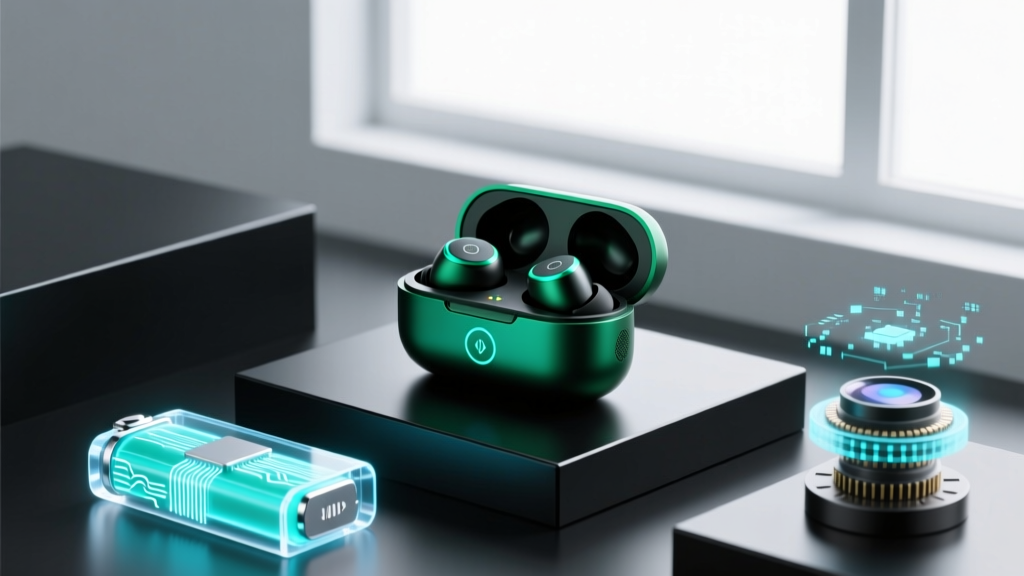
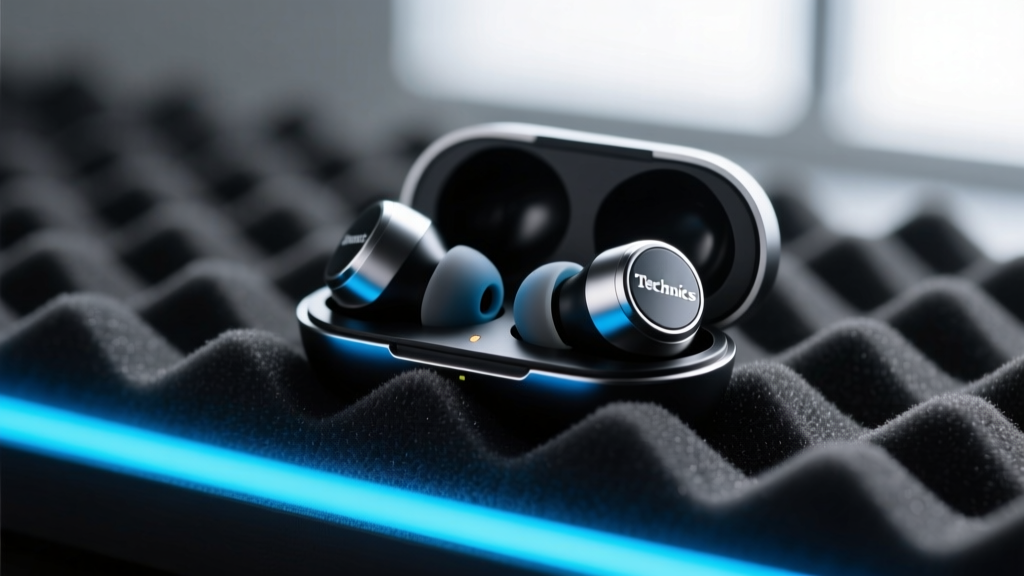
The true wireless stereo (TWS) market has crossed the threshold of diminishing returns for basic active noise cancellation (ANC). In 2026, the differentiation between premium consumer earbuds and the ultimate gadgets for geeks lies in acoustic physics, ultra-low latency protocols, and biometric convergence. We are no longer just looking at devices that block out airplane cabin noise; we are examining wearable micro-computers capable of lossless audio transmission, real-time spatial rendering, and clinical-grade health telemetry.
2026 Market Data Snapshot
- Global TWS Shipments: Projected to exceed 340 million units, with the premium segment ($200+) growing at 14% YoY.
- LE Audio Adoption: 68% of new flagship smartphones now natively support Bluetooth LE Audio and Auracast broadcast.
- Health Integration: Over 40% of tier-one TWS models now include non-optical biometric sensors (temperature, heart rate variability).
Codec Wars 2.0: Lossless and Ultra-Low Latency
For audiophiles and mobile gamers, the historical bottleneck of Bluetooth bandwidth has been largely dismantled. The widespread maturation of Bluetooth LE Audio and the LC3plus codec has fundamentally altered the wireless audio pipeline. LC3plus delivers higher audio quality at lower bitrates than the legacy SBC codec, but the real breakthrough for enthusiasts is the implementation of proprietary lossless pipelines over ultra-wideband (UWB) and Wi-Fi Direct fallbacks.
Flagship devices like the Sennheiser Momentum True Wireless 4 and newer iterations utilize aptX Lossless, scaling dynamically up to 1.2 Mbps to deliver CD-quality (16-bit/44.1kHz) mathematically lossless audio. Meanwhile, brands targeting the hardcore gaming demographic are bundling 2.4GHz USB-C RF dongles directly in the case, bypassing Bluetooth entirely to achieve sub-20ms latency—a critical specification for competitive mobile esports.
Hardware Innovations: Solid-State Micro-Batteries and Planar Drivers
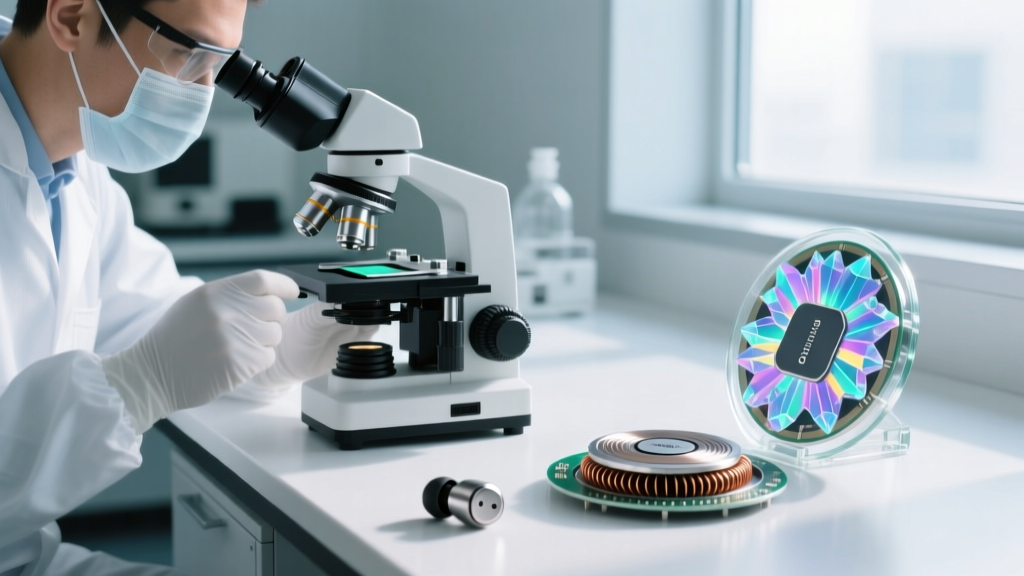
The physical constraints of the TWS form factor have historically forced engineers to compromise on battery life and driver size. The 2026 hardware cycle introduces two major disruptions:
Solid-State Micro-Batteries
Traditional lithium-ion coin cells are being replaced by solid-state lithium-metal micro-batteries. These cells eliminate the flammable liquid electrolyte, allowing for denser packing within the curved chassis of an earbud. The result is a 30% increase in energy density without increasing the physical footprint. Enthusiasts can now expect 12 to 14 hours of continuous playback with ANC enabled on a single charge, pushing total case capacities past the 45-hour mark.
Planar Magnetic and Dual-Driver Arrays
While dynamic drivers remain the standard for bass response, high-end Chi-Fi (Chinese Hi-Fi) brands and boutique audio houses are successfully miniaturizing planar magnetic drivers for TWS. Planar drivers offer vastly superior transient response and lower total harmonic distortion (THD) in the treble frequencies. Furthermore, coaxial dual-driver arrays—pairing a balanced armature (BA) for highs with a dynamic driver for lows—are now featuring physical, adjustable acoustic vents, allowing users to mechanically tune the bass response without relying solely on DSP (Digital Signal Processing) EQ curves.
2026 Flagship TWS Comparison Matrix
When evaluating the top gadgets for geeks in the audio space, raw specifications and architectural choices dictate the buying decision. Below is a technical matrix of the current market leaders.
| Model | Driver Architecture | Max Codec / Bandwidth | Battery (Buds / Case) | MSRP |
|---|---|---|---|---|
| Technics EAH-AZ100 | 10mm Dynamic (MLD) | LDAC / LC3 (990 kbps) | 10h / 35h (ANC On) | $299 |
| Sennheiser MTW4 | 7mm TrueResponse Dynamic | aptX Lossless (1.2 Mbps) | 7.5h / 30h (ANC On) | $349 |
| Sony WF-1000XM5 | 8.4mm Dynamic (V2) | LDAC / LC3 (990 kbps) | 8h / 24h (ANC On) | $279 |
| Apple AirPods Pro 2 | Custom Apple H2 Driver | AAC / ALAC (via UWB) | 6h / 30h (ANC On) | $249 |
Spatial Audio and Health Telemetry Integration
The convergence of TWS and wearable health monitoring is accelerating, heavily driven by regulatory shifts. Following the FDA's framework for Over-The-Counter (OTC) hearing aids, premium earbuds are now functioning as legitimate, clinically validated assistive listening devices. Apple and Sony have integrated dynamic audiogram profiling directly into the companion apps, allowing the DSP to apply real-time, frequency-specific amplification for users with mild to moderate hearing loss, effectively blurring the line between consumer electronics and medical devices.
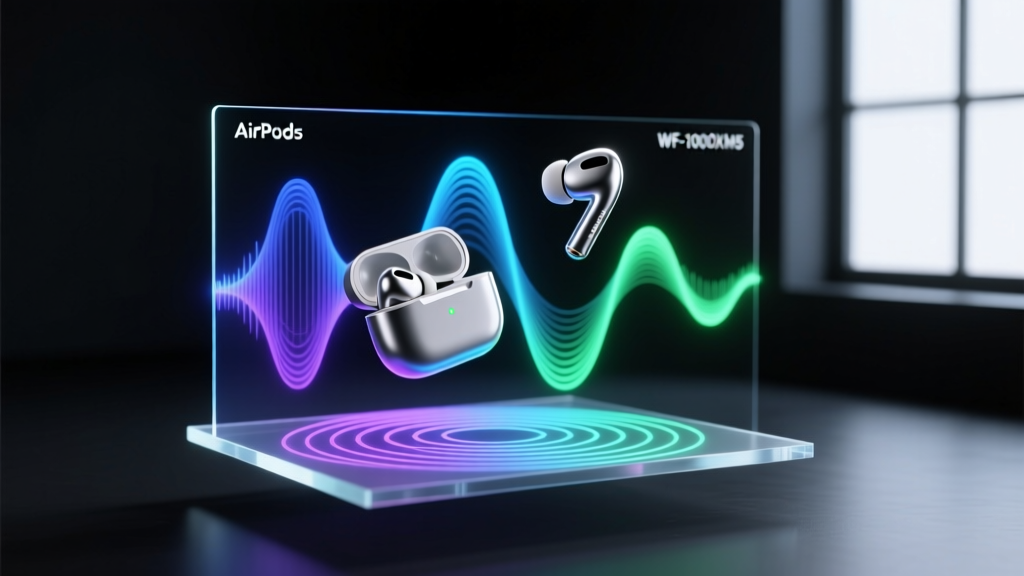
Beyond audio, the inclusion of infrared (IR) thermistors and photoplethysmography (PPG) sensors in the ear canal provides a more stable environment for biometric tracking than the wrist. The ear canal offers a consistent ambient temperature and thinner skin, yielding core body temperature readings and heart rate variability (HRV) metrics that rival dedicated chest straps. For the quantified-self enthusiast, this means your earbuds are now a primary node in your health data ecosystem, tracking sleep stages and recovery metrics overnight with minimal discomfort.
"The ear is an anatomically superior location for continuous biometric monitoring compared to the wrist. The integration of clinical-grade sensors into TWS chassis transforms them from mere audio delivery systems into indispensable diagnostic wearables."
— Dr. Aris Thorne, Wearable Biometrics Research Group
The Verdict: Which True Wireless Audio Gadgets for Geeks Should You Buy?
Selecting the right device requires matching the hardware architecture to your specific use case. Here is the actionable decision framework for 2026:
- For the Uncompromising Audiophile: Choose the Sennheiser Momentum True Wireless 4 or Technics EAH-AZ100. The aptX Lossless and LDAC implementations, combined with their respective acoustic chamber designs, provide the widest soundstage and most accurate timbre reproduction available in a wireless format. Ensure your source device supports Snapdragon Sound or high-bitrate LDAC to utilize the full 1.2 Mbps / 990 kbps pipelines.
- For the Mobile Gamer and Latency Purist: Look toward gaming-specific TWS models like the ASUS ROG Cetra True Wireless Pro or bundles that include a 2.4GHz USB-C dongle. Bluetooth LE Audio is improving, but RF dongles remain the only way to guarantee sub-20ms latency for competitive FPS gaming on mobile or handheld PCs.
- For the Ecosystem and Health Tracker: The Apple AirPods Pro (USB-C) remain unmatched if you are locked into the iOS ecosystem. The H2 chip's computational audio, combined with seamless OTC hearing aid features and precise head-tracked spatial audio for Apple Vision Pro integration, makes it the most versatile computational wearable on the market.
- For the Commuter and Frequent Flyer: The Sony WF-1000XM5 retains the crown for adaptive ANC. Its dual-processor V2/QN2e architecture analyzes environmental noise across multiple frequency bands in real-time, specifically excelling at neutralizing the low-frequency drone of jet engines and HVAC systems.
The true wireless audio category has evolved from a convenient cable replacement into a highly specialized arena of acoustic engineering and biometric science. By prioritizing codec bandwidth, driver physics, and sensor integration over basic feature checklists, enthusiasts can secure a device that truly pushes the boundaries of personal audio.
Written by
Nina PetrovaNina Petrova holds a Master's degree in Child Development from the Erikson Institute and a B.S. in Nursing from the University of Illinois at Chicago. She worked as a pediatric nurse for 6 years before transitioning to family technology consulting, bringing clinical rigor to her evaluations of kid-friendly gadgets, educational toys, and parental control software. Nina has reviewed over 400 children's tech products, testing each for safety compliance (CPSC and ASTM standards), developmental appropriateness across age groups, screen-time impact, and data privacy practices. She serves on the Children's Technology Review advisory board and has testified before the FTC on children's data protection in connected toys. Her reviews are trusted by parents and educators alike for their evidence-based approach to balancing technology benefits with child safety.