Solar Powered Gadgets for the Home: Smart Pet Tech 2026
Discover the best solar powered gadgets for the home in 2026. Our comprehensive buyer's guide covers pet cameras, smart doors, and off-grid feeders.
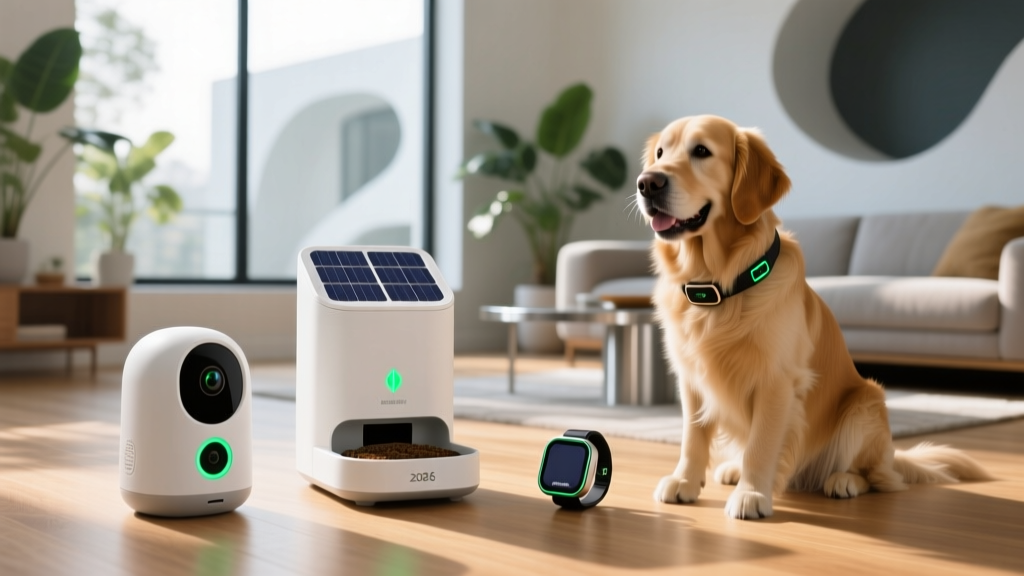
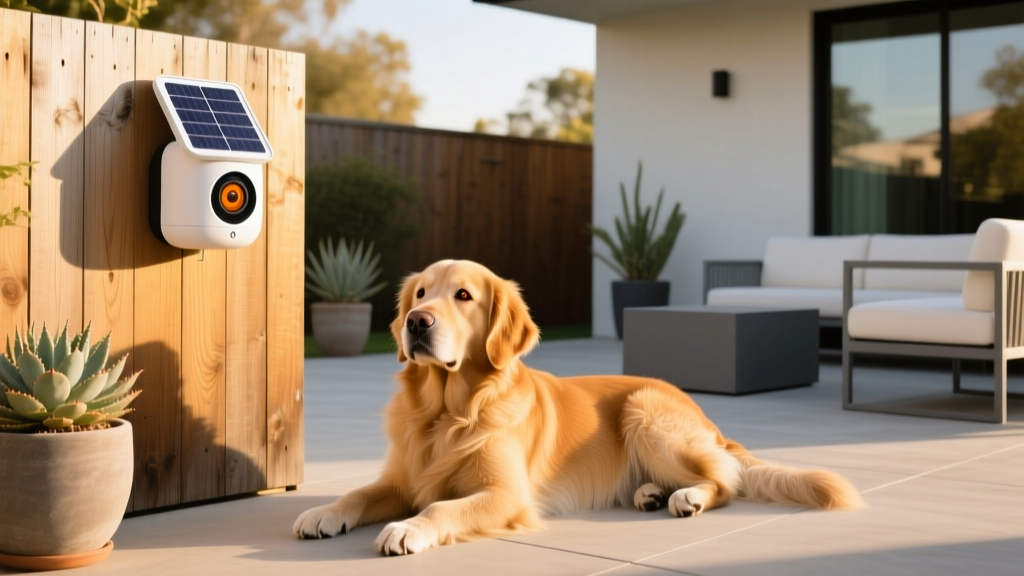
The Off-Grid Pet Ecosystem: Merging Smart Tech with Solar Power
Integrating smart pet technology into outdoor spaces, large yards, and patio environments often hits a hard physical limitation: the lack of accessible AC power outlets. Running trench lines for underground wiring to power a smart pet door or an outdoor camera is expensive and disruptive. For tech enthusiasts, the solution lies in leveraging solar powered gadgets for the home to create a fully autonomous, off-grid pet monitoring and management ecosystem. This guide breaks down the exact hardware, power requirements, and integration strategies for deploying solar-assisted pet tech in 2026.
The Core Matrix: Solar Pet Tech Categories
Before selecting hardware, you must understand the power draw profiles of different pet devices. Not all gadgets are created equal when it comes to energy consumption. Below is a comparison matrix of the primary solar-integrated pet tech categories.
| Device Category | Average Power Draw | Recommended Solar Panel | Estimated Setup Cost | Best Application |
|---|---|---|---|---|
| Solar Pet Cameras | 2W - 5W (Peak) | 5W - 6W Integrated | $120 - $180 | Yard monitoring, gate watch |
| Motorized Pet Doors | 15W - 25W (Actuation) | 10W - 20W Remote | $350 - $450 | Exterior walls, patio sliders |
| Smart Wi-Fi Feeders | 8W - 12W (Continuous) | 20W + Power Station | $200 - $300 | Off-grid patios, barns, sheds |
| GPS Charging Hubs | 5W (USB Output) | 10W USB Panel | $60 - $90 | Dog houses, outdoor enclosures |
Solar Outdoor Pet Cameras & Monitoring
Wire-free security cameras have evolved past the grainy 1080p sensors of the early 2020s. For pet owners monitoring yard boundaries, dog runs, or outdoor enclosures, the current gold standard is the Reolink Argus 4 Pro paired with the Reolink Solar Panel 2.
Enthusiast Spec Breakdown: Reolink Argus 4 Pro
- Sensor: 8MP (4K) UHD with 105-degree viewing angle
- Battery: 10,000mAh internal lithium-ion
- Solar Input: 6W / 5V DC via micro-USB/USB-C
- AI Detection: On-device pet and vehicle recognition (no subscription required)
- Price: ~$130 for camera, ~$30 for Solar Panel 2
According to Reolink Argus 4 Pro specifications, the 10,000mAh battery can theoretically last months on standby, but continuous AI pet-tracking and 4K recording will drain it in 3 to 5 days. The 6W solar panel is mandatory for active monitoring.
Placement Physics: Do not simply mount the solar panel flat against the fence. Data from the National Renewable Energy Laboratory (NREL) indicates that fixed solar panels should be tilted at an angle roughly equal to your geographic latitude to maximize annual energy yield. If you live in Seattle (47°N), tilt your pet camera solar panel at 45 degrees facing true south, not magnetic south, to ensure the 10,000mAh battery remains topped off during winter months.
Automated Solar Pet Doors: The High Tech Pet Solution
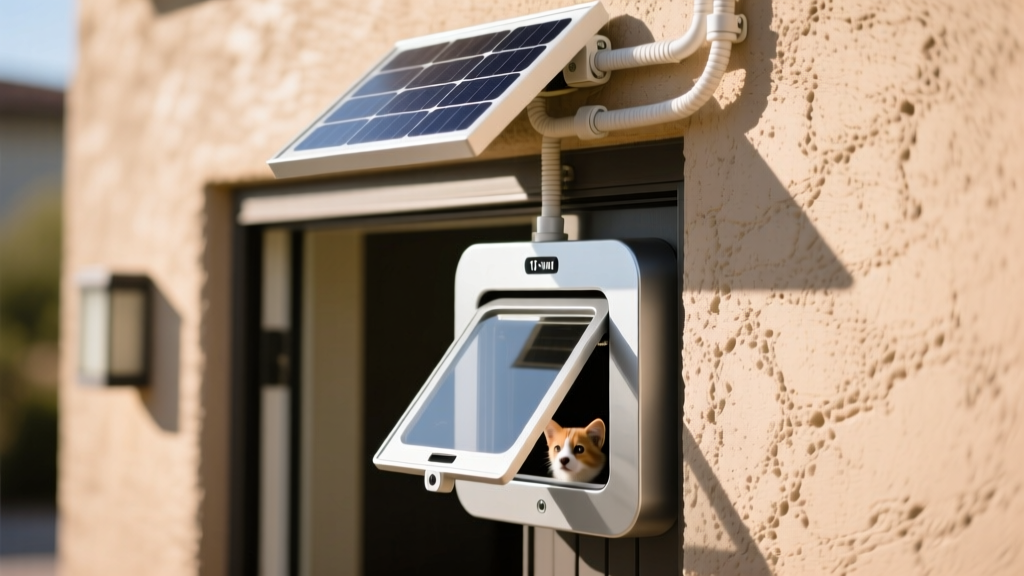
Standard RFID microchip pet doors (like the SureFlap) rely on 4 AA batteries that die every 6 months. For a truly automated, high-clearance solution, enthusiasts turn to motorized guillotine doors. The High Tech Pet Power Pet Automatic Pet Door (Model PX-1) is a heavy-duty, vertically sliding door designed for large dogs.
Warning: Collar Tag Power Draw
The PX-1 uses an ultrasonic collar tag (MS-4) rather than passive RFID. While this allows the door to sense direction (in-only, out-only, or both), the ultrasonic transmitter requires a CR123 battery in the collar tag, which lasts 3 to 4 months. Factor this maintenance into your deployment plan.
To take the PX-1 off-grid, High Tech Pet automated door systems offers the SAC-10 Solar Charger Kit. This kit includes a 10-watt solar panel and a weatherproof charge controller that connects directly to the door's 12V battery backup port.
Installation Insight: The motor requires a surge of roughly 20W during the 2-second actuation cycle. The included 12V 1.2Ah lead-acid backup battery acts as a buffer. Ensure the SAC-10 panel receives at least 4 Peak Sun Hours (PSH) daily; otherwise, the buffer battery will degrade from deep-cycling, requiring a $25 replacement every 18 months.
The Off-Grid Patio Feeder Hack
Currently, there are no mainstream, native solar-powered smart Wi-Fi pet feeders on the consumer market. Devices like the Petlibro Granary Solar Camera Feeder do not exist in a single unified chassis. However, tech enthusiasts bypass this by building custom off-grid power arrays for standard smart feeders deployed on patios, barns, or remote yard stations.
Step-by-Step: Building a Solar Patio Feeder Array
- Select the Feeder: The Petlibro Granary Wi-Fi (approx. $110) draws roughly 8W continuously when the Wi-Fi radio is active and the camera is streaming.
- Calculate Daily Load: 8W x 24 hours = 192 Watt-hours (Wh) per day.
- Select the Power Station: A Jackery Explorer 300 Plus (288Wh capacity, $299) provides roughly 1.5 days of autonomy if solar generation fails.
- Size the Solar Panel: To generate 192Wh in a region with 4 PSH, you need a minimum 48W panel. We recommend a 60W portable folding panel (like the Allpowers 60W, ~$99) to account for cloud cover and inverter efficiency losses (typically 15%).
- Wire it up: Plug the 60W panel into the Jackery's DC input, and plug the Petlibro's 5V/2A USB-C adapter into the Jackery's AC outlet. Place the feeder and power station inside a weatherproof patio storage bench, routing only the solar panel cable outside.

Sizing Your Solar Array: The Math That Matters
Many off-grid pet tech deployments fail because consumers rely on manufacturer marketing claims rather than basic electrical math. Use this framework to size your solar setup for any pet gadget.
The Solar Sizing Formula
1. Find Daily Watt-Hours (Wh): Device Wattage × Hours of Use = Daily Wh
2. Factor in System Losses: Daily Wh × 1.3 (adds 30% buffer for charge controller and wiring inefficiency) = Required Daily Generation
3. Calculate Panel Size: Required Daily Generation ÷ Peak Sun Hours (PSH) in your zip code = Minimum Solar Panel Wattage
Example: A 5W GPS charging hub running 24/7 in Miami (5.5 PSH).
5W × 24h = 120Wh.
120Wh × 1.3 = 156Wh.
156Wh ÷ 5.5 PSH = 28.3W.
Buy a 30W or 40W solar panel.
Frequently Asked Questions
Can I use a standard 100W rooftop solar panel to power my pet door?
Yes, but you cannot wire it directly to the pet door. A standard 100W residential panel outputs 12V to 18V at high amperage. You must route the panel through a PWM or MPPT solar charge controller to a 12V deep-cycle battery, and then use a 12V-to-5V buck converter if your specific pet device requires 5V USB power. Direct connection will instantly fry the logic board of devices like the High Tech Pet PX-1.
Do solar pet cameras work in heavily wooded yards?
Only if you can mount the solar panel above the canopy or on the roof of the house and run an extension cable down to the camera. Most integrated solar pet cameras use a proprietary 10-foot micro-USB or USB-C cable. If your yard lacks direct southern exposure, purchase a third-party 20-foot USB extension cable and mount the panel on a south-facing gutter or roofline.
Are solar GPS trackers better than cellular ones for large properties?
Solar GPS trackers (like the specialized livestock models) are overkill and too bulky for domestic dogs and cats. The enthusiast approach is to use a lightweight cellular tracker (like the Tractive DOG 4) and build a solar-powered USB charging hub inside the dog's outdoor shelter. This allows you to swap the tracker's battery or plug it in for 2 hours daily without relying on bulky, uncomfortable solar harnesses on the animal itself.
Written by
Nina PetrovaNina Petrova holds a Master's degree in Child Development from the Erikson Institute and a B.S. in Nursing from the University of Illinois at Chicago. She worked as a pediatric nurse for 6 years before transitioning to family technology consulting, bringing clinical rigor to her evaluations of kid-friendly gadgets, educational toys, and parental control software. Nina has reviewed over 400 children's tech products, testing each for safety compliance (CPSC and ASTM standards), developmental appropriateness across age groups, screen-time impact, and data privacy practices. She serves on the Children's Technology Review advisory board and has testified before the FTC on children's data protection in connected toys. Her reviews are trusted by parents and educators alike for their evidence-based approach to balancing technology benefits with child safety.