6 Unique Bedroom Gadgets for Your Sleep Sanctuary in 2026
Discover 6 cool and unique bedroom gadgets for 2026. From AI temperature control to acoustic white noise, upgrade your sleep sanctuary today.
The Evolution of Sleep Tech: Beyond Basic Alarm Clocks
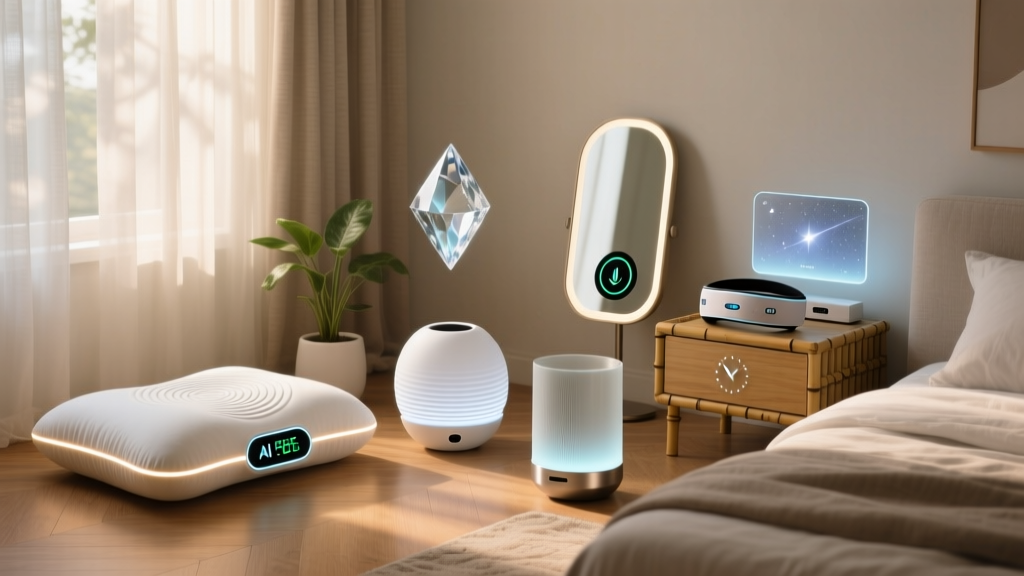
When curating the ultimate sleep environment, the right bedroom gadgets can mean the difference between chronic fatigue and deep, restorative rest. As we navigate 2026, the market has moved far beyond basic smart bulbs and Bluetooth speakers. Today's premier sleep technology focuses on biometric integration, circadian rhythm alignment, and acoustic masking. According to the Sleep Foundation, optimizing your bedroom's thermal and acoustic environment can increase deep sleep phases by up to 20%.
But with thousands of products claiming to cure insomnia, how do you separate the gimmicks from the genuine sleep sanctuaries? Below, we have curated a list of six incredibly cool, highly unique bedroom gadgets that leverage cutting-edge 2026 engineering to transform your nightly rest.
6 Cool & Unique Bedroom Gadgets for 2026
1. Eight Sleep Pod 4 Ultra: AI-Driven Thermal Regulation
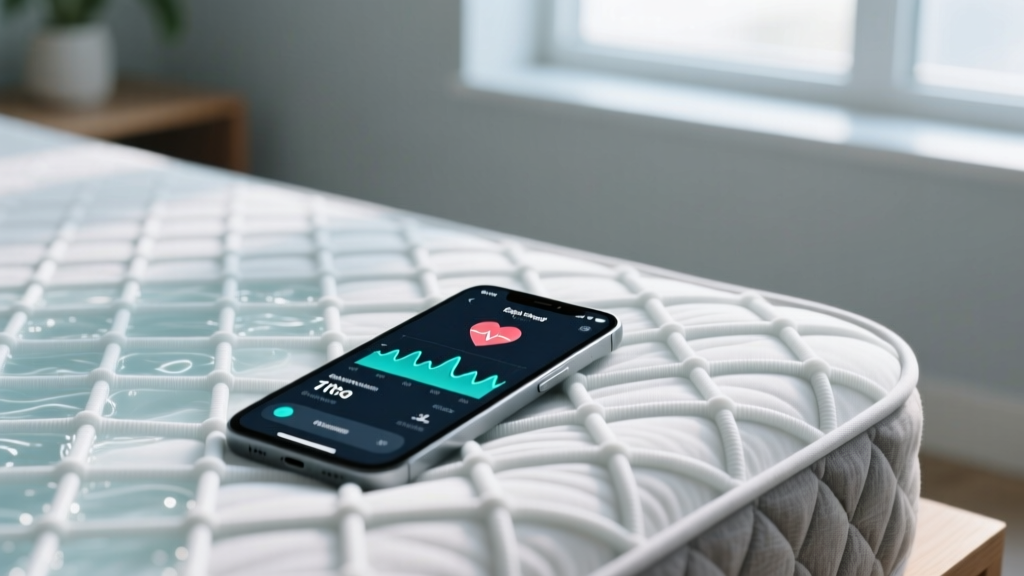
Forget electric blankets that overheat or noisy mattress pads. The Eight Sleep Pod 4 Ultra uses a silent, water-based thermal grid to dynamically adjust your bed's temperature throughout the night. It cools down to 55°F and heats up to 110°F. The true 'unique' factor is its Autopilot AI, which reads your biometric data (heart rate, respiratory rate, and HRV) via built-in sensors and adjusts the micro-climate in real-time without any wearables.
- Price: $2,295 (Queen setup)
- Standout Feature: Dual-zone temperature control and snore-detection vibration alerts.
- Best For: Hot sleepers and couples with conflicting temperature preferences.
2. Snooz Mechanical White Noise Machine
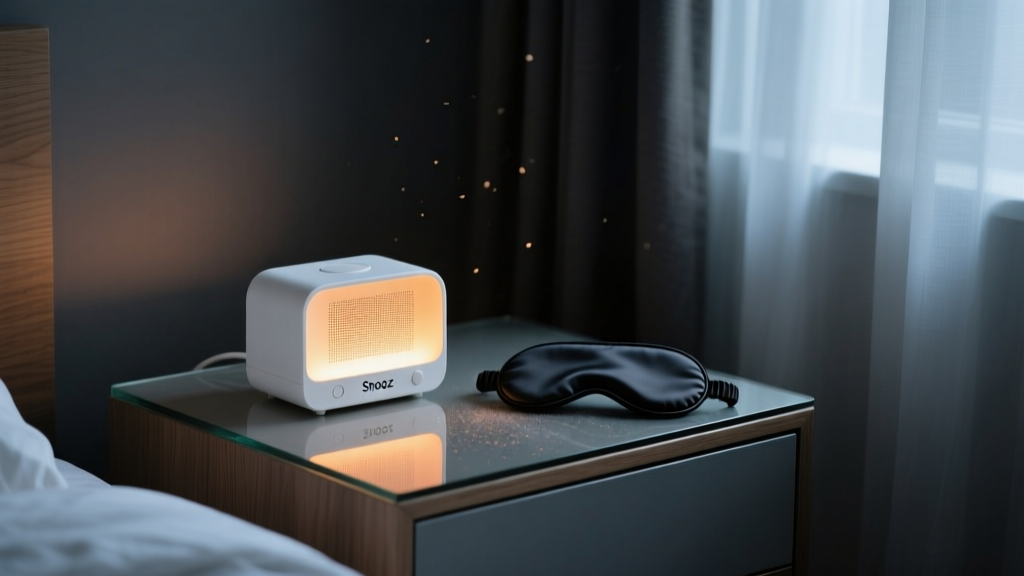
Most white noise machines use digital loops played through cheap speakers. Snooz took a radically different approach: they put a real, mechanical fan inside an acoustic resonance chamber. By adjusting the physical air intake vents, you change the pitch and volume of the actual wind. It produces a deeply authentic, non-looping sound spectrum that masks traffic and neighborhood noise far better than digital audio.
- Price: $99.95
- Power Draw: A remarkably low 5 watts.
- Standout Feature: True analog fan sound with a built-in dimmable amber nightlight.
3. Hatch Restore 3: Circadian Sunrise Simulator
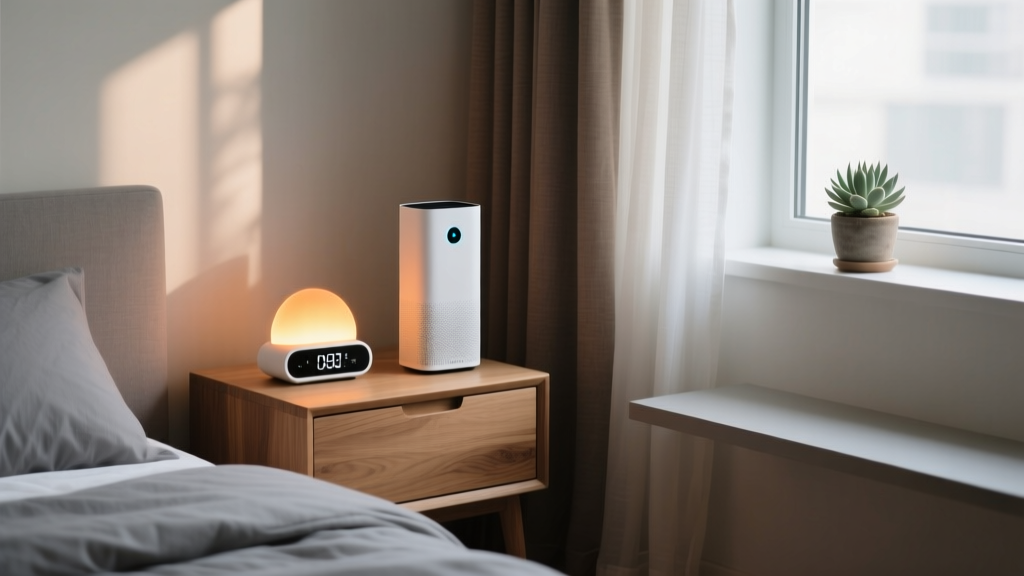
Waking up to a blaring alarm spikes cortisol. The Hatch Restore 3 combats this by utilizing a specialized LED array that gradually increases in brightness, peaking at a room-filling 10,000 lux to mimic a natural sunrise. This signals your brain to halt melatonin production gently. The 2026 iteration features an adaptive reading light that automatically shifts from cool blue to warm amber as your local sunset approaches, preparing your brain for sleep.
- Price: $129.95
- Standout Feature: 12 customizable wind-down routines integrating light, meditation audio, and smart home triggers.
4. Manta Sleep Mask Sound: Bone Conduction Audio
Sleeping with earbuds can cause ear canal fatigue and block out crucial emergency alarms. The Manta Sleep Mask Sound solves this with integrated bone conduction speakers resting gently on your temples. You get immersive, high-fidelity audio (like binaural beats or sleep stories) without anything inside your ears. Coupled with its modular, 100% blackout eye cups, it is a travel and shift-worker essential.
- Price: $149.00
- Standout Feature: Bluetooth 5.3 with bone conduction tech and infinitely adjustable eye cups.
5. Dyson Big+Quiet Formaldehyde BP04: Silent Air Purification
Air quality drastically impacts sleep apnea and congestion. The Dyson Big+Quiet BP04 is engineered specifically for large bedrooms. It projects purified air over 33 feet but operates in a 'Quiet' mode at just 56 decibels—quieter than a normal conversation. It also actively detects and destroys formaldehyde gas, a common VOC emitted by modern bedroom furniture and memory foam mattresses.
- Price: $999.00
- Standout Feature: Solid-state formaldehyde sensor and ultra-quiet acoustic baffling.
6. Govee Lyra RGBICWW Corner Floor Lamp
Overhead lighting disrupts circadian rhythms. The Govee Lyra is a corner-hugging floor lamp that bounces indirect, diffuse light off your walls. Using RGBICWW technology, it can display multiple colors simultaneously, allowing you to create a 'campfire' wind-down scene (deep oranges and reds at the base, fading to darkness at the top) that promotes melatonin production without straining your eyes.
- Price: $129.99
- Standout Feature: AI-generated circadian scenes and seamless music synchronization.
Comparative Breakdown: Specs, Power, and Pricing
When integrating new tech into your bedroom, power consumption and acoustic footprints are just as important as the price tag. Here is how these unique finds stack up against one another.
| Gadget | Primary Function | Price (Approx.) | Power Draw | Acoustic Output |
|---|---|---|---|---|
| Eight Sleep Pod 4 Ultra | Thermal Regulation | $2,295 | ~110W (Peak) | ~35 dB (Pump) |
| Snooz White Noise | Acoustic Masking | $99.95 | 5W | 40 - 70 dB |
| Hatch Restore 3 | Circadian Lighting | $129.95 | 12W | Silent / Audio |
| Manta Mask Sound | Blackout & Audio | $149.00 | Battery (20hr) | Private Audio |
| Dyson BP04 | Air Purification | $999.00 | 40W (Quiet) | 56 dB (Quiet) |
| Govee Lyra Lamp | Ambient Lighting | $129.99 | 24W | Silent |
The '3C' Framework for Curating a Low-EMF Sleep Sanctuary
Adding gadgets to a bedroom can sometimes backfire if they introduce excessive blue light, EMF (Electromagnetic Field) radiation, or digital anxiety. To ensure your bedroom gadgets actually improve your sleep, apply the 3C Framework:
1. Cooling (Thermoregulation): Your core body temperature needs to drop by about 2°F to initiate deep sleep. Prioritize gadgets like the Eight Sleep or smart AC controllers that automate this drop 60 minutes before bedtime.
2. Circadian (Lighting Alignment): Eliminate overhead LEDs after 8:00 PM. Rely on indirect, floor-level lighting (like the Govee Lyra) in the red/amber spectrum (2000K - 2700K) to protect your melatonin levels.
3. Calm (Acoustic Masking): Avoid using smartphone apps for white noise, which keep Wi-Fi/Cellular radios active near your head. Opt for dedicated, analog, or offline acoustic devices like the Snooz to maintain a low-EMF environment.
Frequently Asked Questions (FAQ)
Are smart bedroom gadgets safe regarding EMF radiation?
Most modern smart home devices emit very low levels of non-ionizing EMF radiation, which current scientific consensus deems safe. However, for optimal sleep hygiene, we recommend putting devices like the Hatch Restore or Govee Lyra into 'offline' or 'airplane' mode at night if they support local scheduling, or keeping Wi-Fi routers outside the bedroom.
How do I clean a water-based mattress cover like the Eight Sleep?
The Eight Sleep Pod 4 requires minimal maintenance. You simply add a capful of their proprietary hydrogen peroxide-based cleaning solution to the water reservoir every 2 to 3 months to prevent microbial growth in the micro-tubing. The outer cover is machine washable on a cold, gentle cycle.
Can white noise machines damage my hearing overnight?
Not if used correctly. The American Academy of Pediatrics recommends keeping white noise machines at least 7 feet away from the bed and under 50 decibels. The Snooz machine is excellent for this, as its physical fan creates a broad sound spectrum that masks jarring noises without requiring high, ear-damaging volume levels.
Written by
Tom ReynoldsTom Reynolds holds a CFA (Chartered Financial Analyst) designation and a B.S. in Finance from the University of Texas at Austin. Before entering tech journalism, he spent 6 years as a quantitative analyst at a hedge fund, building cost-benefit models for consumer product investments. Tom has maintained a proprietary database of over 10,000 tech deals for the past 8 years, developing his signature "penny-per-feature" evaluation framework that calculates the true value proposition of every gadget. His budget gadget reviews are known for their financial rigor — he tracks price history across 15+ retailers, calculates cost-per-use over 3-year lifespans, and identifies the exact inflection point where premium features justify their markup. Tom's deal alerts have saved his readers an estimated .3 million since 2018.