Cool USB Gadgets in Pet Tech: Beginner vs Expert Setups
Compare beginner and expert pet tech setups using cool USB gadgets. Discover local NVR camera hacks, GPS collar data pulls, and smart feeder upgrades.
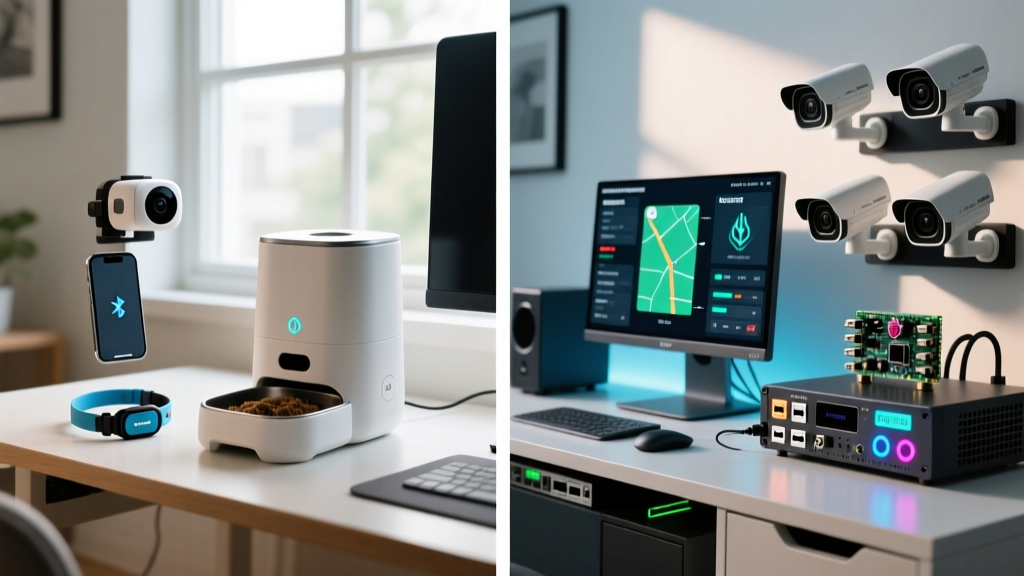
While most consumers associate cool USB gadgets with desktop novelties like plasma balls or mini-fridges, the pet tech industry has quietly co-opted the USB-C ecosystem to build sophisticated, life-saving animal monitoring networks. In 2026, the universal adoption of USB-C Power Delivery (PD) and high-speed data transfer has transformed how we track, feed, and monitor our pets. However, a massive divide exists between how beginners and experts deploy these devices. Beginners rely on plug-and-play convenience and cloud subscriptions, while experts leverage USB On-The-Go (OTG) data extraction, local Network Video Recorder (NVR) integrations, and precise current-limiting hubs to build bulletproof, subscription-free pet ecosystems.
The Beginner Baseline: Cloud-Reliant USB Pet Tech
Beginner setups prioritize out-of-the-box functionality. These users purchase devices, plug them into the nearest wall adapter, and rely entirely on the manufacturer's proprietary apps and cloud infrastructure. While functional, this approach introduces latency, recurring costs, and single points of failure.
USB-C Cameras and the MicroSD Bottleneck
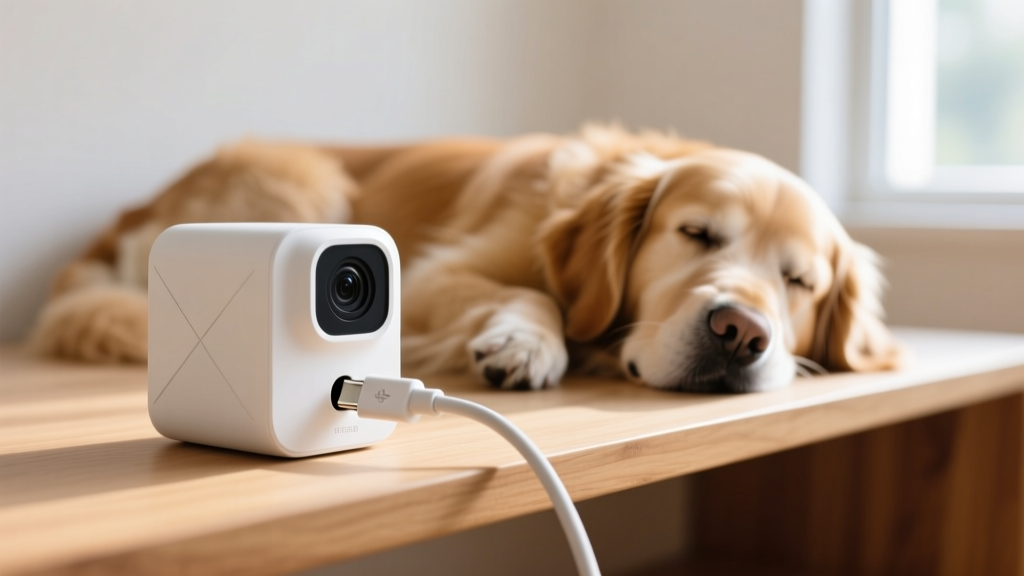
The entry-level standard for pet monitoring is the USB-C powered smart camera. Devices like the Wyze Cam v4 draw exactly 5V/2A via USB-C, delivering 2.5K resolution and AI-driven pet detection. Beginners typically pair this with a basic 32GB microSD card inserted into the camera's slot. The problem? MicroSD cards suffer from rapid write-cycle degradation when recording continuous 24/7 motion events. Within 8 to 14 months, the card typically corrupts, leaving the owner with gaps in footage during critical moments, like a pet ingesting a foreign object or a pet sitter arriving late.
5V USB Water Fountains and Basic Feeders
Similarly, beginner smart water fountains and gravity feeders utilize standard USB-A to barrel-jack or USB-C cables. These are often plugged directly into high-wattage laptop chargers. Because entry-level pet gadgets lack sophisticated PD negotiation chips, they blindly accept whatever voltage the charger initially handshakes with, which can lead to fried logic boards if a 20V PD trigger is accidentally engaged.
The Expert Tier: Local NVR, OTG Telemetry, and Environmental Control
Experts view cool USB gadgets not as standalone appliances, but as modular nodes in a broader, locally controlled network. By utilizing USB-C hubs, OTG adapters, and external solid-state drives, advanced users eliminate cloud fees, reduce latency, and gain access to raw telemetry data.
Bypassing the Cloud with USB-C Hubs and Local RTSP
Instead of paying $3 to $10 per month per camera for cloud storage, experts utilize the Real-Time Streaming Protocol (RTSP) built into advanced USB-powered pet cams. They connect a multi-port USB-C hub to a local edge server or a Raspberry Pi 5. By daisy-chaining a rugged external drive like the Samsung T7 Shield portable SSD via the hub's 10Gbps data lane, experts create a local NVR. This setup records 24/7 high-bitrate footage from multiple pet cameras directly to the SSD. The result is zero-latency playback, complete data ownership, and immunity to internet outages—a critical advantage if you need to review footage of a pet's seizure or an intruder while your home Wi-Fi is down.
USB OTG Diagnostics for GPS Collars
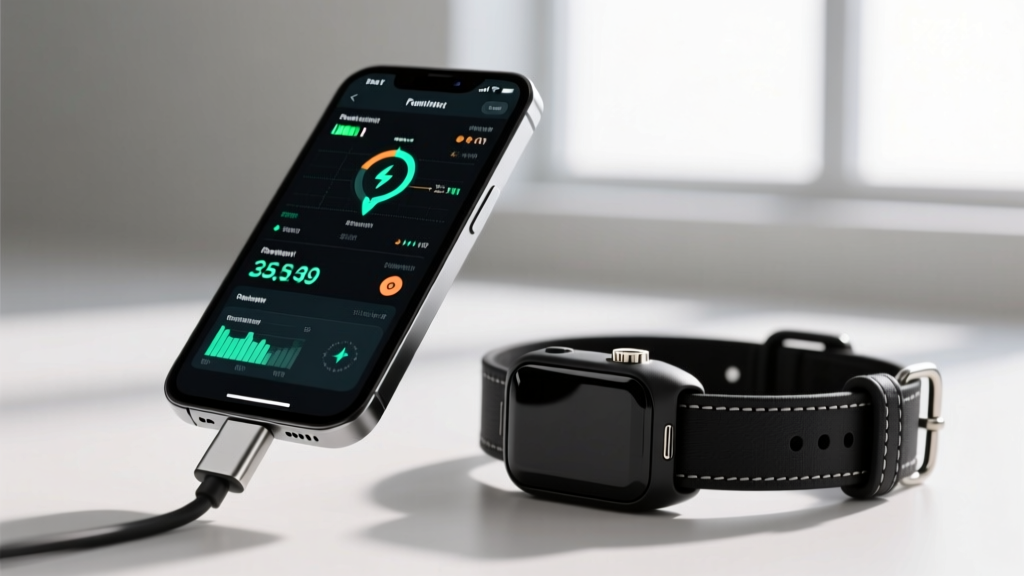
When hiking in remote areas where LTE-M networks drop, expert handlers use USB OTG (On-The-Go) cables to connect their Android smartphones directly to the charging ports of advanced trackers like the Fi Series 3 GPS collar. While the standard app only shows processed location pings, an OTG connection allows developers and advanced users to pull raw accelerometer logs and unfiltered GPS NMEA sentences directly from the collar's internal flash memory. This raw data is invaluable for analyzing a working dog's exact gait patterns, rest intervals, and battery drain rates under specific temperature conditions.
USB-Integrated Exotic Pet Environmental Controllers
For exotic pet owners, USB gadgets extend into life-support systems. Experts use USB-powered environmental controllers, such as the Inkbird IHC-200, which utilize USB probes to monitor terrarium humidity and temperature. Unlike basic reptile mats, these controllers log data via USB to a local PC, allowing herpetologists to map micro-climate fluctuations against a snake's shedding cycle or a gecko's breeding readiness with decimal-point precision.
Power Delivery (PD) Safety: The Hidden Killer of Pet Gadgets
The most common failure mode in USB-powered pet tech is not water damage or chewed cables; it is improper Power Delivery negotiation. Modern USB-C chargers can output up to 240W. If a $40 smart pet feeder lacks a proper PD sink chip, plugging it into a 65W MacBook charger can send 20V straight into a 5V logic board, instantly vaporizing the microcontroller.
- Beginner Mistake: Using a multi-device GaN charger with mixed PD profiles to power a pet camera and a smart feeder simultaneously, risking cross-talk voltage spikes.
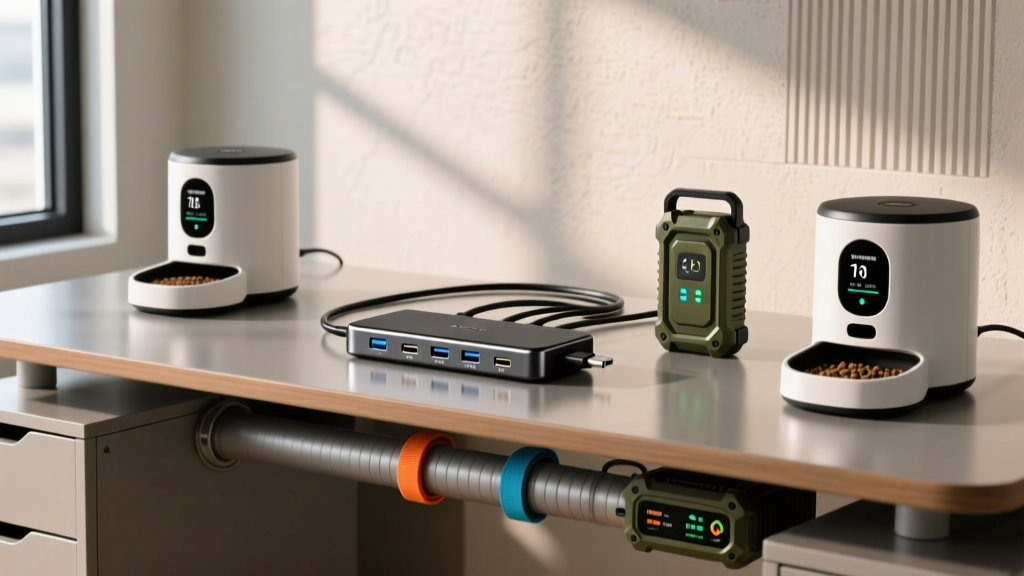
- Expert Solution: Deploying a dedicated, electrically isolated USB power supply unit (PSU) with individual over-current protection (OCP) on every port, ensuring a short in the water fountain's pump motor doesn't take down the pet camera's power.
Ecosystem Comparison Matrix
| Feature | Beginner USB Setup | Expert USB Setup |
|---|---|---|
| Camera Storage | MicroSD (High failure rate) or Cloud ($3-$10/mo) | Local NVR via USB-C Hub & External SSD (Zero monthly cost) |
| Power Source | Random wall bricks or high-wattage GaN chargers | Isolated USB hubs with per-port OCP and strict 5V/2A limits |
| GPS Collar Data | App-based location pings (LTE-M dependent) | USB OTG raw NMEA & accelerometer extraction for offline analysis |
| Network Latency | 1.5 to 4 seconds (Cloud routing) | < 200ms (Local RTSP over LAN) |
Strategic Upgrade Path: When to Transition
You do not need to build an expert-level USB ecosystem on day one. The beginner approach is perfectly adequate for casual monitoring of a healthy adult dog in a secure apartment. However, you should immediately transition to an expert USB architecture if:
- You own multiple pets or high-risk animals: If you have a senior pet prone to sudden health events, the 3-second cloud latency is unacceptable. A local USB-C RTSP setup provides instant, real-time monitoring.
- You are paying for three or more cloud subscriptions: Once your monthly cloud fees exceed $15, the ROI on a $100 USB-C hub and a $90 external SSD pays for itself in under a year, while providing vastly superior storage capacity.
- You travel or hike off-grid: If you work your dog in rural areas, relying solely on cloud-synced GPS apps is a liability. Carrying a simple $12 USB-C OTG adapter allows you to pull critical tracking data directly from the collar to your phone, completely bypassing the need for cellular coverage.
Ultimately, the most cool USB gadgets in the pet space aren't defined by blinking lights or novelty shapes. They are defined by their ability to integrate seamlessly into a localized, secure, and highly controlled data ecosystem that puts the owner—not the cloud provider—in charge of their pet's safety.
Written by
Jake MorrisonJake Morrison holds a B.S. in Electrical Engineering from UC Berkeley and an MBA from Stanford Graduate School of Business. With over 12 years of hands-on experience in consumer electronics, he previously served as a senior product engineer at a Silicon Valley startup before transitioning to tech journalism. Jake has personally tested and benchmarked over 3,000 gadgets across categories including smartphones, wearables, smart home devices, and audio equipment. His durability testing methodology — involving controlled drop tests, thermal cycling, and water submersion — is widely cited by major tech publications. He is a certified CompTIA A+ technician and a contributing editor to the IEEE Consumer Electronics Magazine.