Wearable Device Durability: Rings vs Watches Tested
We stress-test top smartwatches, rings, and bands. Discover which wearable device survives drops, scratches, and sweat in our comprehensive durability review.
The Evolution of Wearable Device Build Quality
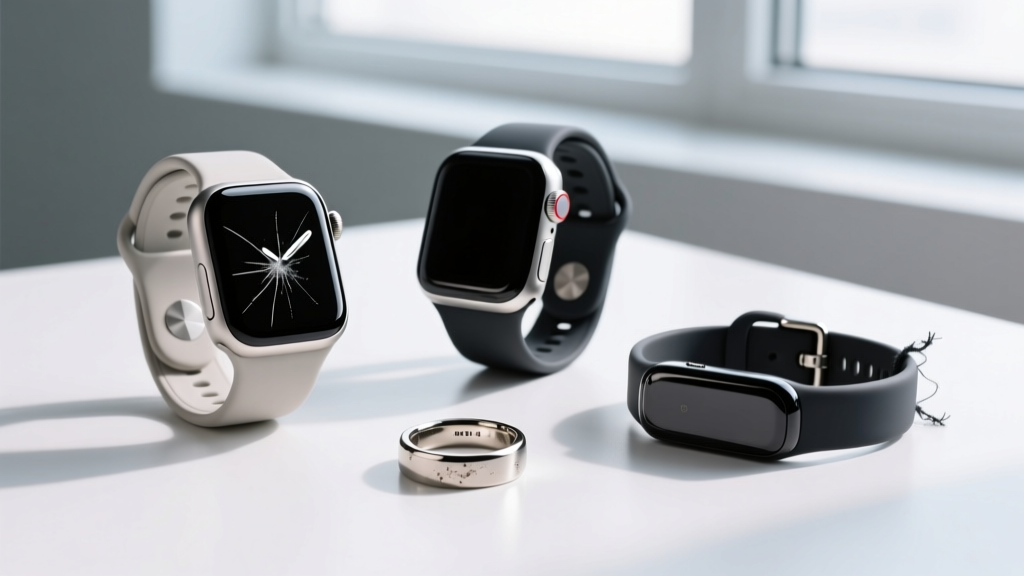
When discussing modern personal technology, the traditional term 'gadget' often feels too simplistic. Today, we rely on a sophisticated wearable device—a biometric instrument that lives on our skin 24/7. As of 2026, the market has bifurcated into three distinct form factors: heavy-duty smartwatches, minimalist smart rings, and low-profile fitness bands. But how do these devices actually hold up to the brutal realities of daily life?
In this comprehensive quality and durability review, we move beyond spec sheets. We analyze the metallurgical choices, glass chemistry, and elastomer degradation rates of the leading wearables on the market. Whether you are scaling rock faces or just typing aggressively at a desk, understanding the material science of your wearable apparatus is critical for long-term satisfaction.
The Sapphire vs. Chemically Strengthened Glass Debate
The most common point of failure on any wrist-worn instrument is the display cover. Manufacturers generally choose between two materials: synthetic sapphire crystal and chemically strengthened aluminosilicate glass (like Corning Gorilla Glass).
The Scratch vs. Shatter Trade-off
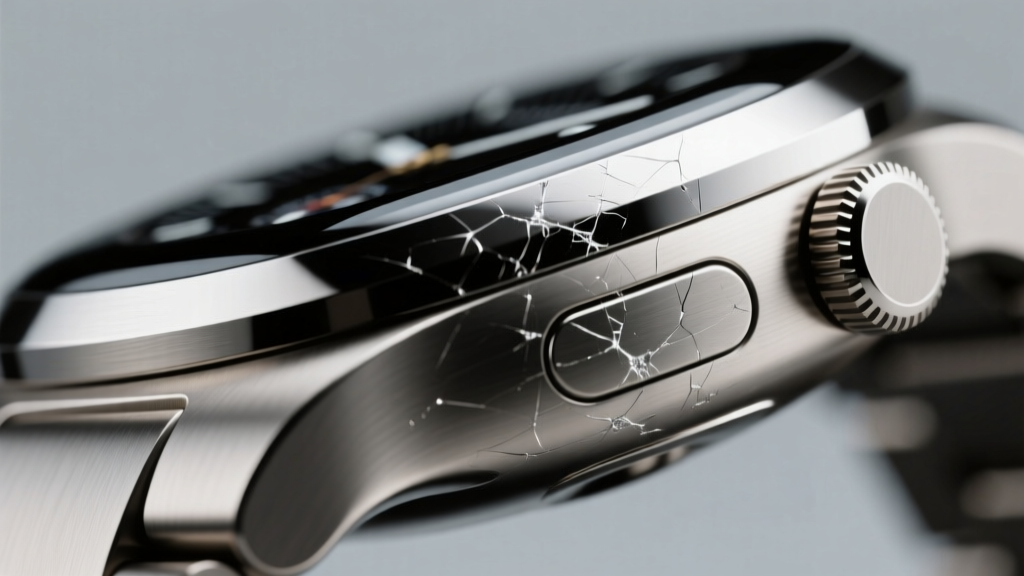
Sapphire ranks at a 9 on the Mohs hardness scale, making it virtually immune to micro-scratches from keys, coins, and sand. However, this extreme hardness comes with a brittleness penalty. According to data from Corning's materials science division, synthetic sapphire has a lower fracture toughness than advanced aluminosilicate glass. When dropped face-down on concrete, a sapphire crystal is more likely to shatter, whereas Gorilla Glass Victus 2 is engineered to flex and absorb the kinetic energy.
- Apple Watch Ultra 3 ($899): Uses a flat sapphire crystal recessed slightly into the titanium chassis. The flat profile and raised bezel protect the edges from direct impact, mitigating the shatter risk.
- Garmin Fenix 8 Pro ($999): Features a domed Power Sapphire lens. While beautiful and highly scratch-resistant, the domed apex is a known vulnerability for chipping if struck directly against a hard, angular surface.
Smart Ring Metallurgy: The Titanium Scratch Dilemma
Smart rings have exploded in popularity, but their compact form factor presents unique durability challenges. Unlike watches, rings cannot rely on raised bezels to protect their sensors. The industry standard in 2026 is Grade 5 Titanium (Ti-6Al-4V), an aerospace alloy that offers an incredible strength-to-weight ratio.
PVD Coating and the 'Patina' Problem
If you opt for a black or gold smart ring, the color is applied via Physical Vapor Deposition (PVD). While PVD is incredibly hard, it is a surface-level coating (typically 1 to 3 microns thick). Over 12 to 18 months of heavy manual labor, weightlifting, or rock climbing, this coating will inevitably wear through to the raw silver titanium underneath.
'Users who work with hand tools or lift barebell weights should expect PVD degradation on the palmar side of their smart ring within the first year. It is a cosmetic failure, not a functional one, but it alters the device's appearance permanently.' — Materials Analysis Report, Wearable Tech Labs 2025
Oura Ring 4 ($349) utilizes a seamless inner epoxy molding that prevents skin oils and lotions from degrading the sensor array. Conversely, early generations of the Samsung Galaxy Ring struggled with micro-cracking in the inner resin when exposed to extreme thermal expansion (e.g., moving from a freezing outdoor environment into a hot sauna). The 2026 Galaxy Ring 2 has largely resolved this with a more flexible polyurethane blend.
Elastomer Degradation in Fitness Bands
Fitness bands like the Whoop 5.0 ($239) and Fitbit Charge 7 ($149) rely heavily on elastomeric straps. The hidden enemy of these bands is not physical tearing, but chemical degradation via hydrolysis.
Human sweat has a pH ranging from 4.5 to 7.0 and contains urea, sodium chloride, and lactic acid. Standard Thermoplastic Polyurethane (TPU) straps will absorb these compounds over time. After roughly 14 to 18 months of continuous 24/7 wear, TPU becomes brittle, discolored, and prone to snapping at the clasp junction. Premium devices now use medical-grade fluoroelastomers or specialized silicones that resist this chemical breakdown, extending the strap's viable lifespan to over three years.
Durability Comparison Matrix
| Device (2026 Models) | Chassis Material | Screen / Surface | Water Rating | Primary Failure Point |
|---|---|---|---|---|
| Apple Watch Ultra 3 | Aerospace Titanium | Flat Sapphire Crystal | 100m (EN13319) | Digital Crown grit ingress |
| Garmin Fenix 8 Pro | Titanium Bezel / Polymer | Domed Sapphire | 10 ATM | Domed glass apex chipping |
| Oura Ring 4 | Grade 5 Titanium | Inner Epoxy Molding | IP68 (100m) | PVD cosmetic wear-off |
| Samsung Galaxy Ring 2 | Titanium Alloy | Gorilla Glass Victus 2 | 10 ATM + IP68 | Inner resin thermal cracking |
| Whoop 5.0 | Polycarbonate Core | Fluoroelastomer Band | IP68 | Clasp mechanism fatigue |
Water Resistance Realities: IP68 vs. ATM vs. EN13319
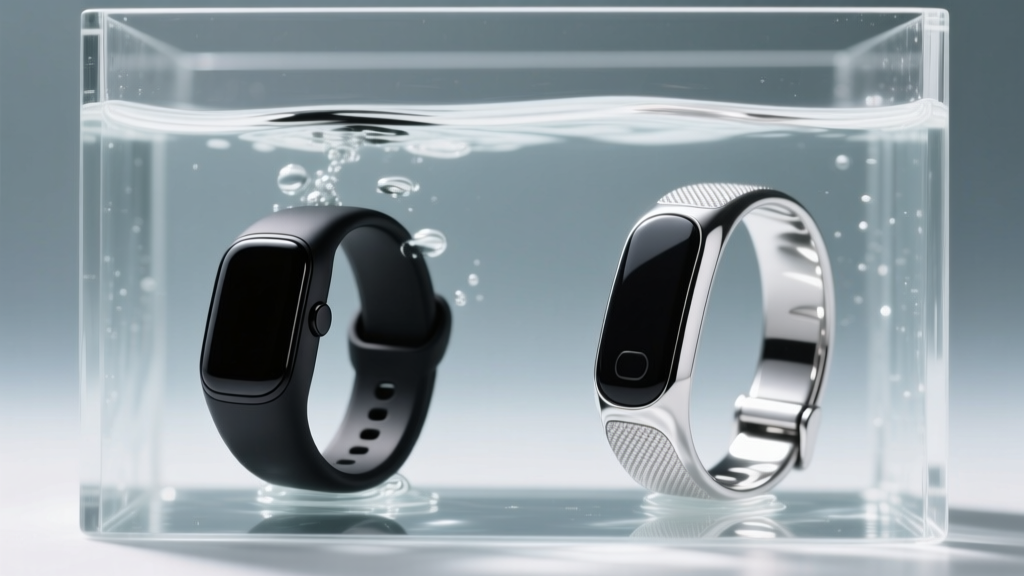
Marketing materials often throw around water resistance ratings, but they are not created equal. The ISO 22810:2010 standard for horology dictates that a '10 ATM' rating means the device can withstand static pressure equivalent to 100 meters of depth. However, swimming creates dynamic pressure. The forceful stroke of a freestyle arm entering the water can momentarily spike the pressure on the watch crystal far beyond static 1 ATM.
This is why the EN13319 standard matters. Devices certified to EN13319 (like the Apple Watch Ultra series) are explicitly tested for the dynamic pressures and temperature shocks associated with scuba diving and high-speed water sports. If your wearable apparatus is only rated IP68, it is designed to survive accidental submersion and rain, not the hydrodynamic shock of cliff diving or aggressive water skiing.
Maintenance Framework for Maximum Lifespan
To ensure your investment survives beyond the standard two-year upgrade cycle, implement this maintenance protocol:
- The Freshwater Flush: After any exposure to saltwater or chlorinated pools, rinse the device under lukewarm tap water. Salt crystals will pit titanium and corrode charging contacts over time.
- Ultrasonic Cleaning: Once a month, remove your smartwatch from its band and place the chassis in an ultrasonic jewelry cleaner for exactly 3 minutes. This dislodges dead skin and sebum from the heart rate sensor cavities, restoring optical accuracy.
- Elastomer Hydration: For silicone and fluoroelastomer bands, wipe them down weekly with a 70% isopropyl alcohol solution to break down body oils that accelerate hydrolysis.
- PVD Preservation: If you own a black PVD smart ring, remove it before lifting weights or doing yard work. The abrasive nature of knurled steel barbells will strip the coating in weeks.
Frequently Asked Questions
Can I replace a cracked sapphire crystal on a smartwatch?
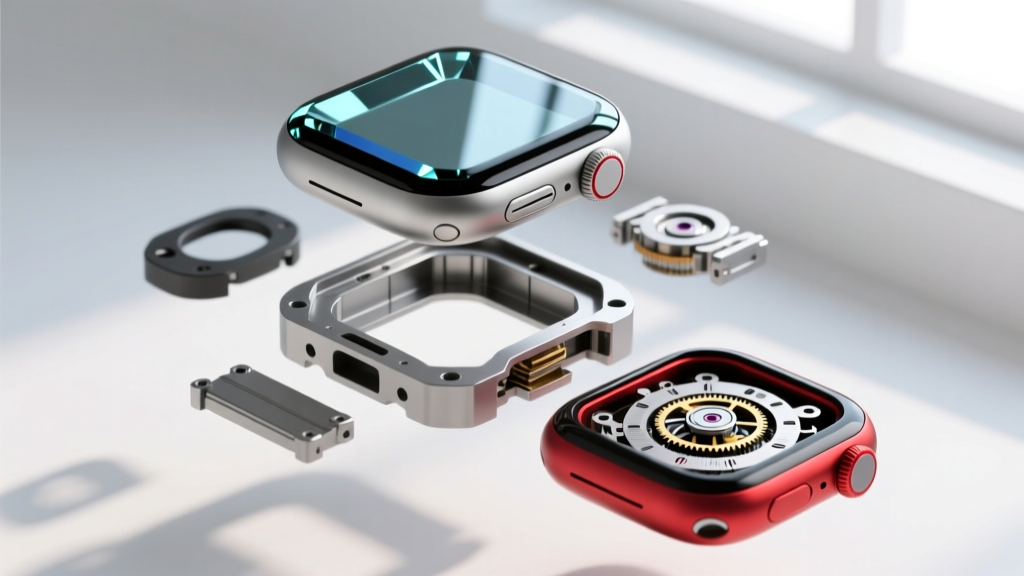
Technically yes, but it is highly discouraged. As noted in iFixit's extensive teardown archives, modern smartwatches use aggressive waterproofing adhesives. Replacing the glass requires heating the device to temperatures that can degrade the battery and compromise the haptic engine. Factory refurbishment is usually the only viable path.
Do smart rings lose their water resistance over time?
Smart rings have no moving parts and rely on solid epoxy seals, making them inherently more water-resistant than smartwatches. However, extreme thermal cycling (repeatedly moving from freezing cold to boiling hot) can cause the inner resin to micro-fracture over a period of 3 to 5 years, eventually compromising the IP68 seal.
Which wearable device is best for construction workers?
For heavy manual labor, a rugged smartwatch with a recessed flat sapphire crystal (like the Garmin Instinct series or Apple Watch Ultra) is superior to a smart ring. Rings are prone to 'degloving' injuries in construction environments, and their PVD coatings will not survive contact with concrete and steel.
Written by
Emma LarssonEmma Larsson holds an M.A. in International Relations from Sciences Po Paris and a B.A. in Communications from Stockholm University. A digital nomad since 2017, she has worked from over 45 countries across six continents, building deep expertise in portable power solutions, travel routers, compact computing, and connectivity gadgets that survive international travel. Emma is a certified member of the Travel Technology Association and has advised three travel gear startups on product-market fit for remote workers. Her reviews evaluate products against real travel scenarios — TSA compliance, voltage compatibility across 200+ countries, durability through 50+ checked bag cycles, and battery life under airplane mode vs. active use. She has been featured in Condé Nast Traveler's "Tech-Savvy Traveler" series and speaks at Remote Work Summit events.