Problem-Solving Beauty Gadgets for Women: 2026 Clinical Guide
Discover which beauty gadgets for women actually deliver clinical results. We match specific skin concerns to FDA-cleared tech and wavelengths.
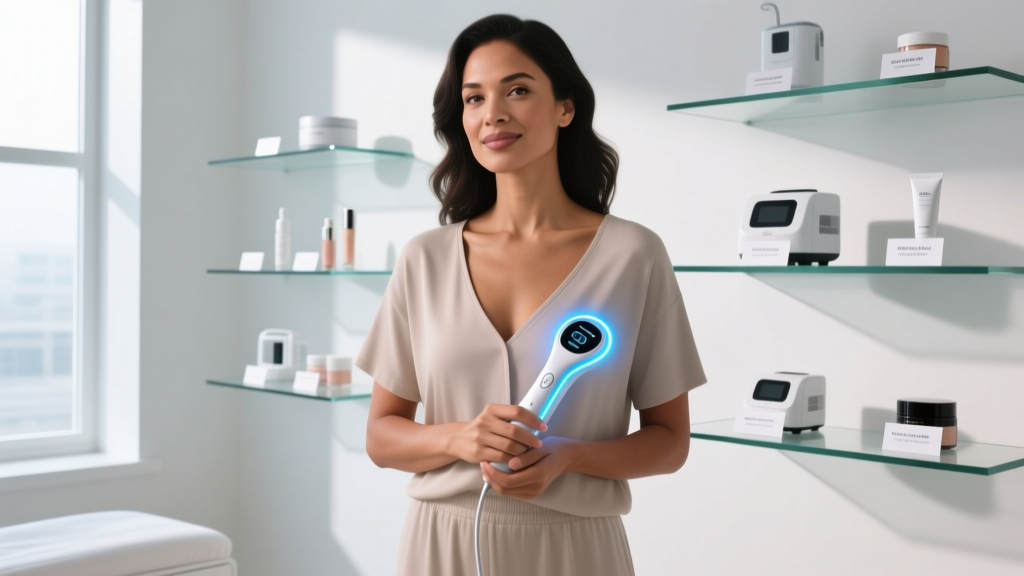
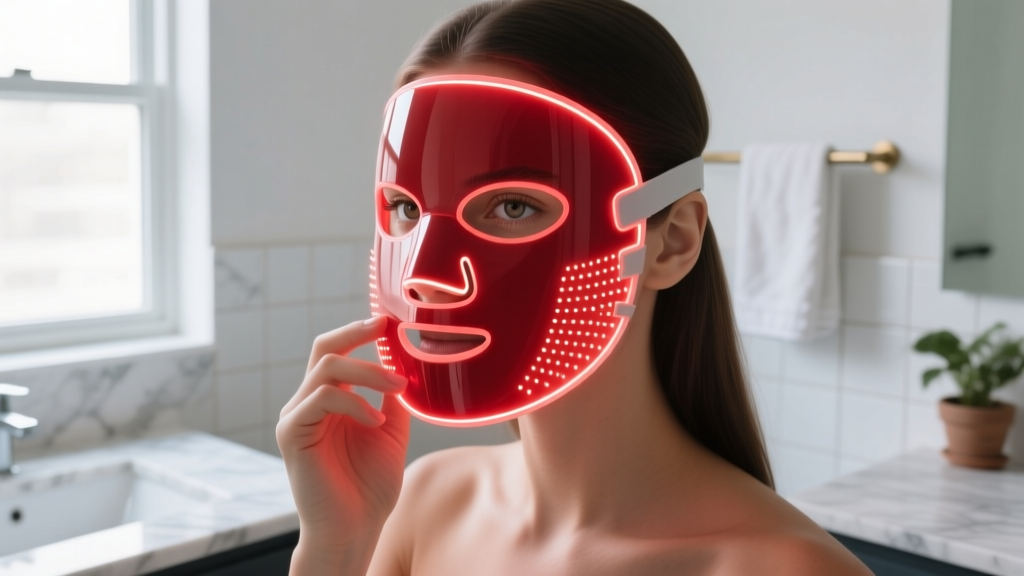
The at-home device market is saturated with $300 paperweights. While the global market for beauty gadgets for women is projected to exceed $12.4 billion in 2026, consumer return rates for sub-$100 devices remain notoriously high. The core issue is not the underlying technology; it is the misalignment between a device's energy output and the biological depth of the specific skin concern. A vibrating jade roller cannot remodel collagen, and a weak blue-light pen cannot penetrate a deep cystic nodule.
To separate clinical efficacy from marketing noise, we must evaluate these tools through the lens of dermatological physics. This guide maps specific, stubborn skin problems to the exact device mechanisms, wavelengths, and power outputs required to solve them.
Problem 1: Hormonal Cystic Acne & Deep Inflammation
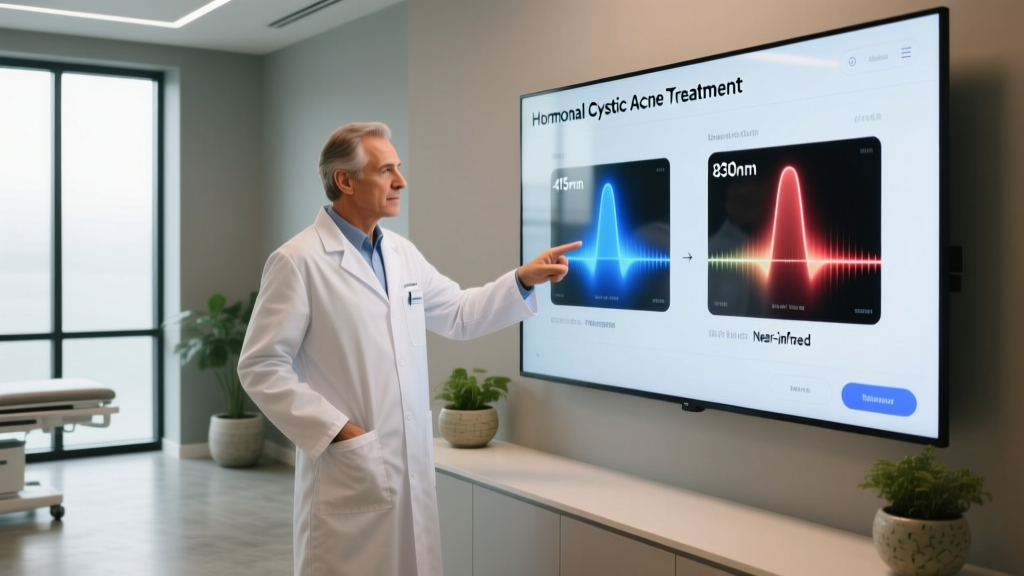
Hormonal acne, particularly along the jawline and chin, is driven by Cutibacterium acnes (C. acnes) bacteria and deep follicular inflammation. Topical treatments often fail to penetrate the follicle wall, while harsh chemical exfoliants compromise the moisture barrier.
The Fix: Dual-Wavelength Targeted Wands
The biological solution requires a two-pronged photobiomodulation approach. You need 415nm blue light to target porphyrins produced by C. acnes, creating singlet oxygen that destroys the bacteria from the inside out. Simultaneously, you need 830nm to 880nm near-infrared (NIR) light to penetrate deeper into the dermis, reducing inflammatory cytokines and accelerating tissue repair.
Problem 2: Tech-Neck Laxity & Jawline Blurring
The repetitive downward gaze required for smartphones and laptops accelerates the degradation of elastin fibers in the platysma muscle and cervical dermis, leading to horizontal neck lines and a blurred jawline. Microcurrent devices cannot generate the thermal energy required to trigger neocollagenesis (new collagen formation) in this thick tissue area.
The Fix: Multi-Radiofrequency (RF) + Dynamic Muscle Activation
To tighten lax neck skin, the dermis must be heated to exactly 40°C–42°C. This thermal shock causes immediate collagen contraction and stimulates fibroblasts to produce new Type I and Type III collagen over the following 12 weeks. Devices utilizing Multi-Radiofrequency (1 MHz to 1.5 MHz) combined with Dynamic Muscle Activation (DMA) are the only at-home tools capable of reaching the deep dermis without burning the epidermis.
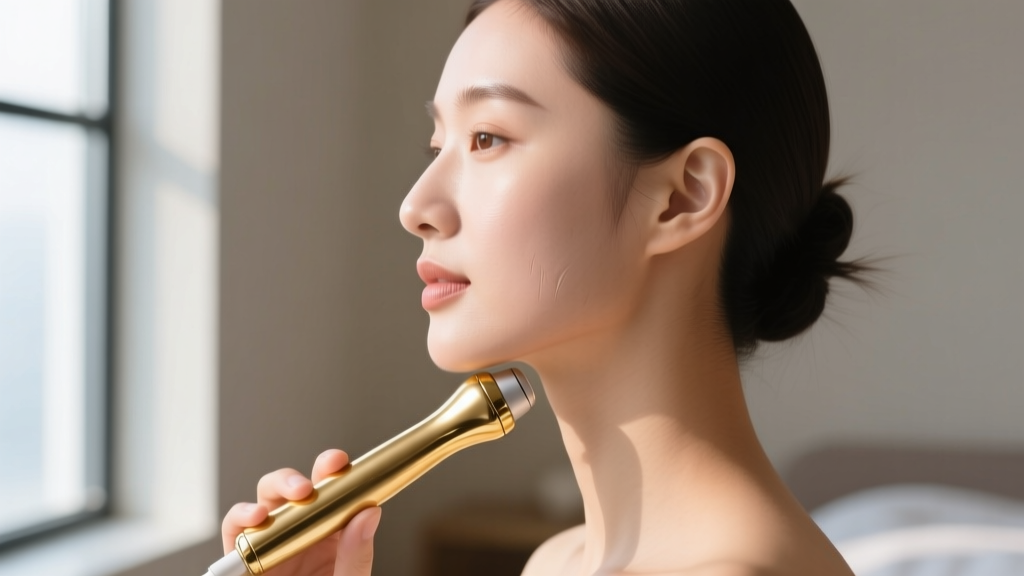
Practical Application: Devices like the Tripollar Stop Vx Gold 2 (approx. $599) use gold-plated electrodes to optimize impedance matching with the skin. Critical requirement: You must use a thick, glycerin-based conductive gel. Water-based gels evaporate too quickly under RF heat, leading to localized epidermal burns and hyperpigmentation. Treat the jawline in slow, circular motions for 12 minutes, twice a week.
Problem 3: Melasma & Post-Inflammatory Hyperpigmentation (PIH)
Melasma is notoriously reactive. Aggressive laser treatments, chemical peels, and heat-generating devices (like RF or IPL) can actually trigger melanocytes to produce more pigment, worsening the condition. This makes treating hormonal hyperpigmentation a delicate balancing act.
The Fix: Flexible Silicone LED Matrices (Red & NIR Only)
Unlike RF, LED light therapy generates zero thermal heat, making it entirely safe for melasma-prone skin. A flexible silicone matrix ensures the diodes sit flush against the skin, eliminating the light-loss gap found in rigid plastic masks. Look for devices emitting 633nm Red (to increase cellular ATP production and accelerate the shedding of pigmented keratinocytes) and 830nm NIR (to reduce underlying vascular inflammation that feeds melasma).
"For melasma patients, non-thermal photobiomodulation is one of the few adjunctive therapies that won't trigger a rebound hyperpigmentation response. The key is ensuring the device is FDA-cleared for safety and emits precise, narrow-band wavelengths rather than broad-spectrum light." — Consensus from dermatological phototherapy guidelines.
The Pick: The CurrentBody Skin LED Face Mask (approx. $419) or the Omnilux Contour Face. Both utilize medical-grade silicone and deliver clinical-grade irradiance. Use for 10 minutes daily, immediately after applying a water-based hyaluronic acid serum (never apply retinol or Vitamin C immediately before LED use, as it can cause photosensitivity).
Clinical Comparison Matrix: Match Your Concern
Use this decision framework to identify which technology aligns with your primary biological bottleneck. Do not purchase a device if your concern does not match the mechanism of action.
| Skin Concern | Required Mechanism | Target Depth | Device Category & Price | Contraindications |
|---|---|---|---|---|
| Active Cystic Acne | 415nm Blue Light (Bactericidal) | Epidermis / Superficial Dermis (1-2mm) | Targeted LED Wand ($250-$320) | Photosensitizing medications (Accutane, Tetracyclines) |
| Jawline Laxity / Tech-Neck | Multi-RF + DMA (Thermal + Muscle) | Deep Dermis / SMAS layer (3-4mm) | Multi-RF Wand ($450-$650) | Pacemakers, metal implants, active melasma |
| Melasma / PIH | 633nm Red / 830nm NIR (Non-thermal) | Mid-to-Deep Dermis (2-5mm) | Flexible LED Mask ($390-$450) | Lupus, history of seizures triggered by light |
| Morning Puffiness | Microcurrent (ATP stimulation) | Facial Musculature | Microcurrent Contouring Device ($200-$350) | Pregnancy, epilepsy, Botox within 2 weeks |
Problem 4: Morning Lymphatic Stagnation & Puffiness
Waking up with a puffy, undefined face is rarely a fat issue; it is a lymphatic drainage issue. Overnight, interstitial fluid pools in the periorbital and submental regions. While manual massage works, it is time-consuming and often performed with incorrect pressure.
The Fix: Microcurrent vs. Cryo-Thermo Cycling
There are two distinct technological approaches here, and your choice depends on your skin's reactivity:
- Microcurrent (e.g., NuFACE Trinity+, $225): Delivers low-level electrical currents (up to 335 microamps) to stimulate facial muscles and increase ATP production by up to 500%. This actively contracts the muscles, pushing stagnant lymphatic fluid toward the cervical lymph nodes. Protocol: 5 minutes daily, requires a water-based, oil-free conductive primer.
- Cryo-Thermo Cycling (e.g., Foreo Bear 2 or specialized thermal wands): Alternates between 6°C cooling (to constrict blood vessels and instantly reduce edema) and 42°C heating (to dilate vessels and flush metabolic waste). This is superior for those with highly reactive, redness-prone skin who cannot tolerate electrical currents.
Safety Contraindications & Regulatory Realities
When investing in high-output beauty gadgets for women, regulatory clearance is your only guarantee of safety and accurate wavelength output. The U.S. FDA regulates home-use aesthetic devices as radiation-emitting electronic products.
Before purchasing, verify the following:
- 510(k) Clearance: Search the FDA database for the manufacturer's 510(k) number. This proves the device is substantially equivalent to a clinically tested predicate device.
- Eye Safety Ratings: LED devices must include appropriate optical shielding or blackout goggles. The Skin Cancer Foundation notes that while LED therapy is generally safe, unprotected exposure to high-intensity blue light can contribute to retinal strain over time.
- Thermal Sensors: Any RF device must have built-in epidermal temperature sensors that automatically cut power if the skin surface exceeds 43°C to prevent second-degree burns.
Ultimately, the most effective beauty gadget is the one that aligns precisely with your skin's biological mechanism of failure. Stop treating collagen loss with surface vibration, and stop treating bacterial acne with thermal heat. Match the physics to the pathology, and the clinical results will follow.
Written by
Nina PetrovaNina Petrova holds a Master's degree in Child Development from the Erikson Institute and a B.S. in Nursing from the University of Illinois at Chicago. She worked as a pediatric nurse for 6 years before transitioning to family technology consulting, bringing clinical rigor to her evaluations of kid-friendly gadgets, educational toys, and parental control software. Nina has reviewed over 400 children's tech products, testing each for safety compliance (CPSC and ASTM standards), developmental appropriateness across age groups, screen-time impact, and data privacy practices. She serves on the Children's Technology Review advisory board and has testified before the FTC on children's data protection in connected toys. Her reviews are trusted by parents and educators alike for their evidence-based approach to balancing technology benefits with child safety.