8 Cool Gadgets for Men Under $50 Worth Buying in 2026
Discover 8 cool gadgets for men under $50 delivering premium utility. From EDC smart tools to desk tech, upgrade your daily carry on a strict budget.
The $50 Threshold: Where Budget Meets Genuine Utility
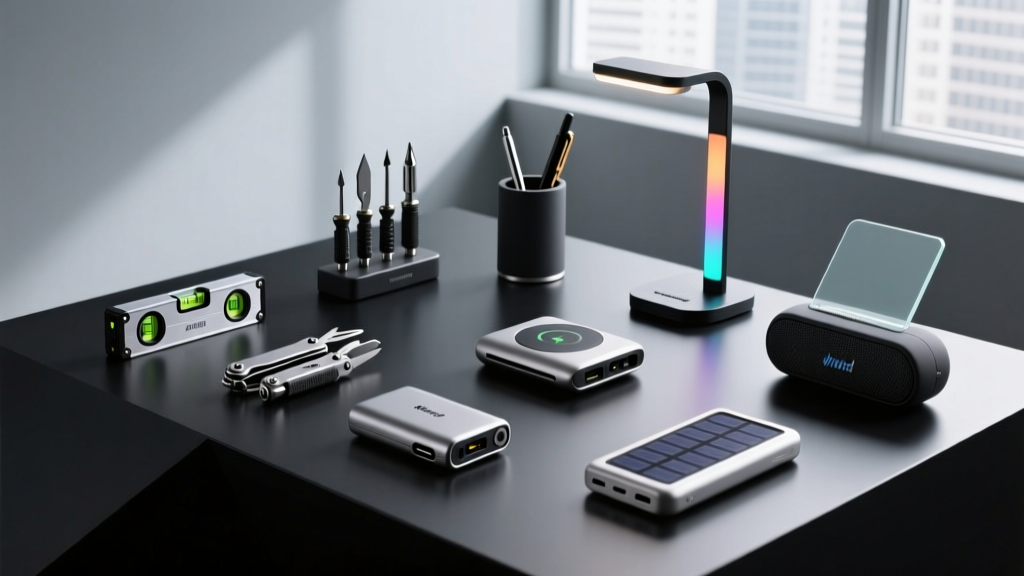
The sub-$50 tech market is heavily saturated with novelty items that break within a month. However, filtering out the gimmicks reveals a tier of high-utility tools that punch significantly above their price class. When evaluating cool gadgets for men under $50, the primary metric is not just affordability, but the cost-to-utility ratio over a multi-year lifespan. A $35 tool used daily for three years costs less than a cent a day, outperforming a $150 luxury item that sits in a drawer.
This 2026 roundup isolates eight specific products that utilize premium materials—like GaN semiconductors, X-Pac sailcloth, and high-carbon stainless steel—while strictly adhering to a $50 maximum retail price. These are not budget compromises; they are optimized daily drivers.
Everyday Carry (EDC) & Pocket Tech
Pocket real estate is limited. Every item must justify its weight and footprint through repeated daily use.
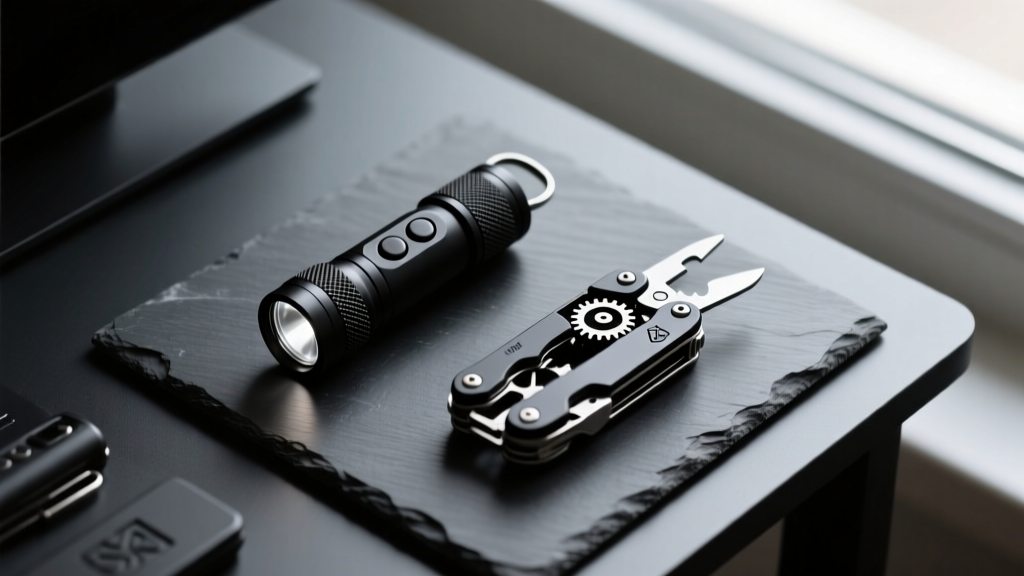
1. Nitecore TINI 2 Keychain Light ($39)
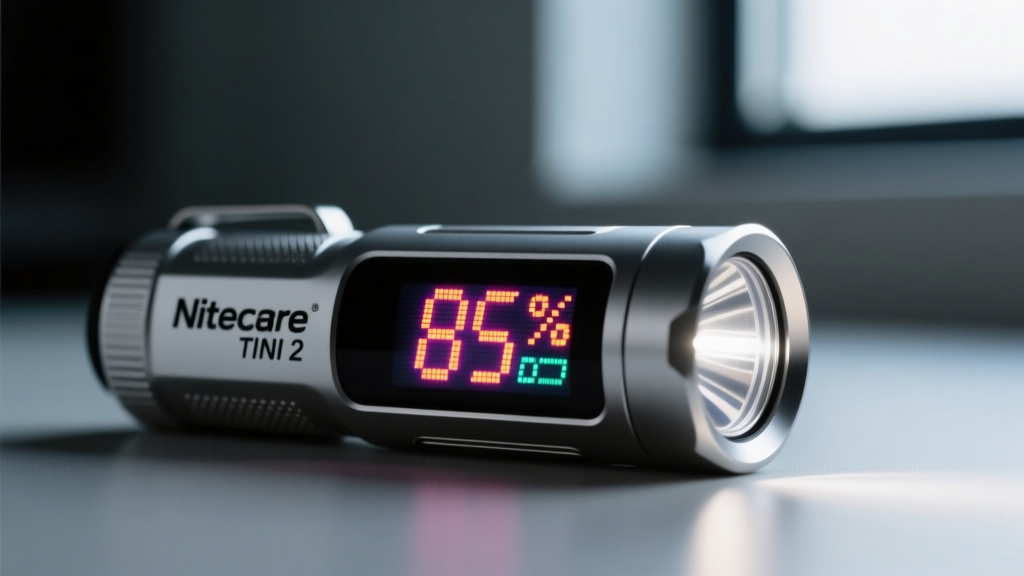
The original TINI was a breakthrough, but the TINI 2 addresses the primary failure points of micro-lights. It outputs a verified 500 lumens from a dual-core processor, powered by an integrated 650mAh Li-ion battery. The standout feature is the integrated OLED display, which provides real-time readouts of battery percentage and exact remaining runtime in hours and minutes.
- Material: Aerospace-grade aluminum alloy with a matte anodized finish.
- Water Resistance: IP54 rated (splash-proof, not submersible).
- Pro-Tip: Engage the 'Lockout Mode' (press both buttons for 3 seconds) before tossing it in a bag to prevent accidental activation and battery drain.
2. Gerber Dime Multi-Tool ($24)
Most sub-$30 multi-tools use soft, low-grade steel that dents when cutting hard wire. The Gerber Dime utilizes 5Cr15MoV stainless steel, offering a higher carbon content for edge retention. The 2.25-inch blade is complemented by spring-loaded pliers that reduce hand fatigue during extended use.
The critical differentiator is the dedicated wire cutter. Unlike standard multi-tools where the wire cutter is integrated into the primary blade edge (ruining the knife), the Dime features a separate, replaceable carbide insert designed to shear up to 12-gauge copper wire without compromising the cutting blades.
Digital Nomad & Travel Essentials
Travel gadgets must solve specific friction points: dead batteries, incompatible audio jacks, and cable tangles.
3. Twelve South AirFly SE ($35)
In-flight entertainment systems still rely on legacy 3.5mm analog outputs. The AirFly SE bridges this gap by transmitting audio from the seatback screen to your Bluetooth headphones. The 2026 hardware revision utilizes Bluetooth 5.3, reducing latency to under 40ms, effectively eliminating the lip-sync delay that plagued earlier generations.
Battery Reality Check: While marketed at 20+ hours, real-world testing at 70% volume with ANC headphones yields approximately 16 hours of continuous transmission. It charges via USB-C, meaning you can plug it directly into a modern seatback USB port to run indefinitely without draining the internal battery.
4. Alpaka Go Pouch Mini ($29)
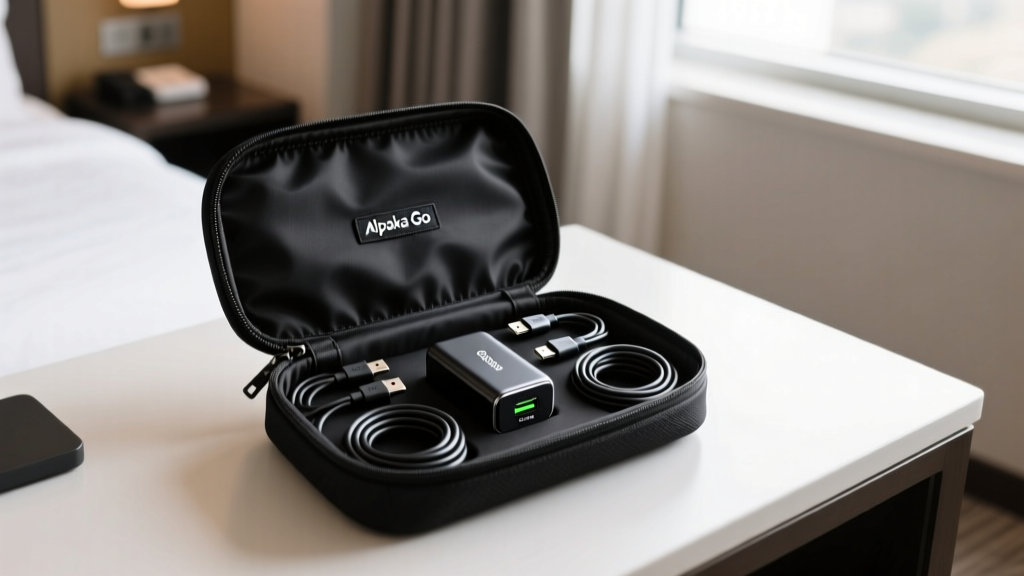
Cable organizers made of cheap nylon fray at the seams within a year. The Alpaka Go Pouch Mini is constructed from VX21 X-Pac fabric, a multi-layer laminate originally designed for racing sails. It offers a high strength-to-weight ratio and inherent water resistance. The magnetic clasp allows for one-handed opening, and the internal elastic loops are specifically sized to hold modern GaN bricks and 100W braided cables without stretching out over time.
Desk & Power Management
Thermal management and footprint are the defining characteristics of modern desktop power solutions.
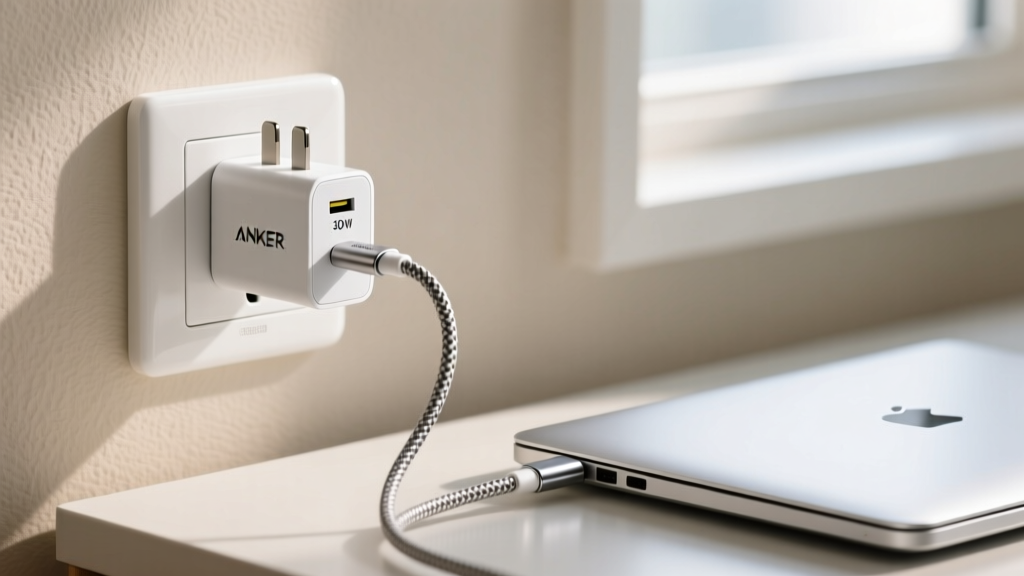
5. Anker Nano 30W GaN Charger ($25)
Gallium Nitride (GaN) technology allows chargers to run cooler and smaller than traditional silicon. The Anker Nano 30W measures just 1.1 x 1.1 x 1.2 inches with foldable prongs. According to CNET's comprehensive testing on GaN thermal efficiency, Anker's ActiveShield 2.0 firmware monitors internal temperatures up to 3 million times a day, dynamically throttling power output if the ambient temperature exceeds safe thresholds. This prevents the long-term battery degradation in connected devices caused by heat.
6. UGREEN Nexode 45W Wall Charger ($35)
For those needing to charge a ultrabook and a smartphone simultaneously, the UGREEN Nexode 45W splits output intelligently. When one device is connected, it delivers the full 45W (sufficient for a MacBook Air or Dell XPS 13 in sleep mode). When two devices are connected, it splits to 30W and 15W. It utilizes Planar Transformer technology, which flattens the magnetic components to reduce the overall volume of the power brick by 20% compared to traditional cylindrical transformers.
Value-Per-Dollar Comparison Matrix
Use this matrix to identify which gadget solves your specific daily bottleneck.
| Gadget | Price | Primary Utility | Key Material / Tech | Weight |
|---|---|---|---|---|
| Nitecore TINI 2 | $39 | Low-light navigation | OLED Display / 500 Lumens | 1.3 oz |
| Gerber Dime | $24 | Quick repairs / EDC | 5Cr15MoV Steel / Carbide | 2.2 oz |
| AirFly SE | $35 | In-flight audio routing | Bluetooth 5.3 / aptX LL | 0.5 oz |
| Alpaka Go Pouch | $29 | Cable organization | VX21 X-Pac Sailcloth | 2.1 oz |
| Anker Nano 30W | $25 | Phone / Tablet charging | GaN II / ActiveShield 2.0 | 1.8 oz |
| UGREEN 45W | $35 | Dual-device laptop charging | Planar Transformer | 3.4 oz |
How to Spot 'Fake' Budget Gadgets
Warning: The Counterfeit Power Brick Epidemic
When buying sub-$50 electronics online, particularly chargers, you are highly exposed to counterfeit units. Fake GaN chargers lack the physical thermal fuses and opto-isolators required to separate high-voltage AC from low-voltage DC. According to WIRED's field tests on everyday carry durability, using uncertified power bricks is a leading cause of motherboard frying in expensive laptops.
Verification Protocol:
- Look for the holographic UL (Underwriters Laboratories) mark, not just a printed 'CE' or 'FCC' logo which are easily faked.
- Check the weight. Counterfeit chargers omit the heavy copper heat sinks and potting compound, making them suspiciously light.
- Only purchase from 'Shipped and Sold by' the official brand or authorized major retailers, avoiding third-party marketplace sellers with alphanumeric names.
Sourcing & Longevity
The gadgets listed above represent the ceiling of what is achievable at the $50 price point in 2026. To maximize the lifespan of these tools, perform basic maintenance: lubricate the Gerber Dime's pivot joints with a drop of PTFE-based oil every six months, and store the Alpaka X-Pac pouch away from direct, prolonged UV exposure to prevent the laminate's waterproof coating from degrading. By focusing on material science and specific utility rather than brand hype, you can build a highly effective, premium-feeling tech ecosystem without exceeding a strict budget.
Written by
Lena ChenLena Chen earned her M.S. in Human-Computer Interaction from Carnegie Mellon University and a B.S. in Electrical Engineering from the University of Washington. She has spent the past decade specializing in smart home architecture and IoT ecosystems, helping over 200 homeowners design fully connected living spaces. Lena is a certified Matter protocol consultant and has published peer-reviewed research on voice-first interface design in the ACM Digital Library. Her reviews of smart home products combine deep technical analysis with real-world usability testing, evaluating everything from Zigbee mesh stability to Alexa skill responsiveness. She regularly speaks at CEDIA Expo and CES smart home panels.