Compact Cool Gadgets Men Use to Maximize Small Apartments
Discover space-saving cool gadgets men use to maximize small apartments. High-density EDC, micro-cinema projectors, and compact workspace tech reviewed.
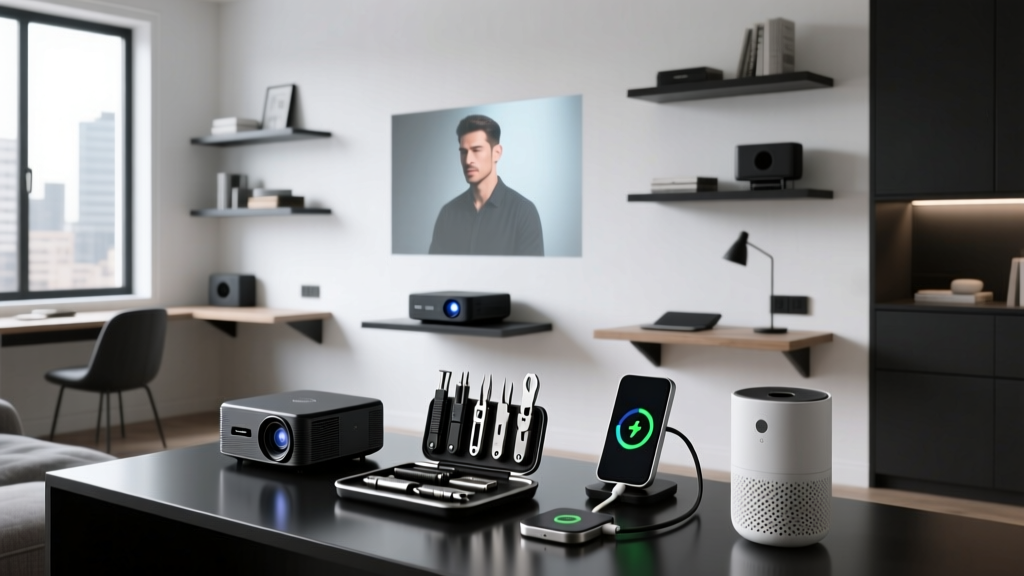
Urban square footage is shrinking. With the average new apartment size in major metropolitan areas dipping below 900 square feet, the era of sprawling home offices and dedicated media rooms is over for most renters. When searching for cool gadgets men can actually use in tight spaces, the priority shifts from sheer size to power density. You need gear that punches above its weight class, delivering full-size utility in a micro-footprint without relying on cheap, breakable plastics.
This guide breaks down the highest-density everyday carry (EDC), workspace, and entertainment gadgets available in 2026, analyzing their exact dimensions, material grades, and the specific mechanical compromises you accept when downsizing.
High-Density EDC: The Swiss Army Approach
Carrying a full-size tactical flashlight and a heavy multi-tool in a slim urban environment is a recipe for pocket fatigue and ruined upholstery. The solution is high-lumen micro-lighting and skeletonized steel.
Nitecore TINI 2 (USB-C)
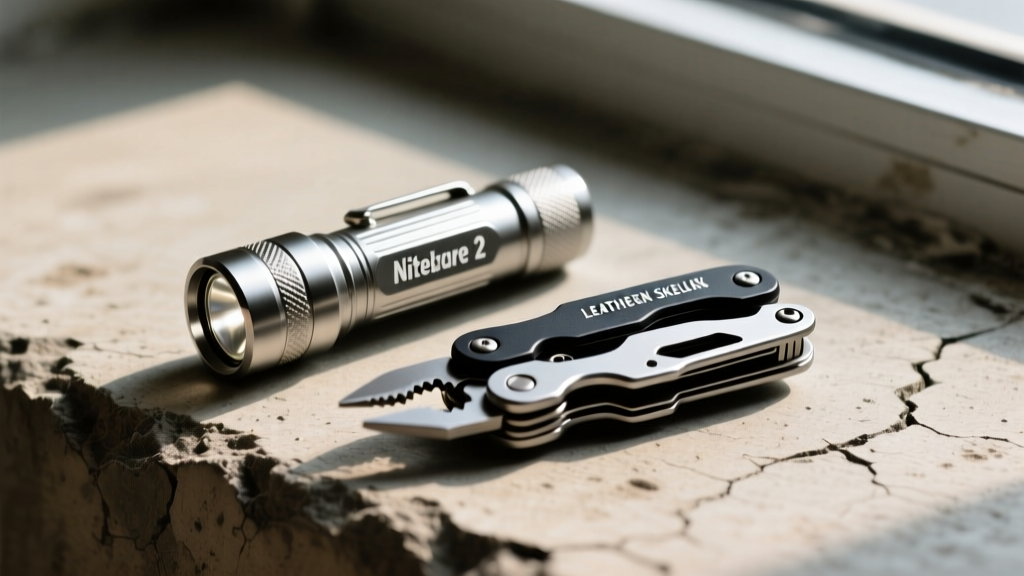
The original TINI was a pioneer, but the TINI 2 fixes its predecessor's thermal throttling issues. Machined from aerospace-grade aluminum alloy, it weighs just 43 grams (1.5 oz) and outputs a staggering 500 lumens on Turbo. It features a built-in 650mAh Li-ion battery charged via USB-C, eliminating the need to carry spare CR123A cells.
- Dimensions: 2.17 x 1.38 x 0.93 inches
- Beam Distance: 96 yards
- Failure Mode: Like all sub-2-inch flashlights, running it on Turbo for more than 3 minutes triggers a thermal step-down to 200 lumens to prevent the anodized chassis from burning your skin. Plan your high-output bursts accordingly.
Leatherman Skeletool CX
While heavier multi-tools offer 18+ implements, the Skeletool CX strips the fat, focusing on the four tools you actually use daily. The 154CM stainless steel blade holds an edge significantly longer than the standard 420HC steel found on budget models, and the carabiner/bottle opener doubles as a bit driver.
- Weight: 5.0 oz (142g)
- Blade Steel: 154CM (Premium grade, high carbon/molybdenum)
- Expert Insight: According to extensive durability testing by Wirecutter's multi-tool reviewers, the Skeletool's minimalist plier head is less prone to lateral wobble than complex folding mechanisms, making it highly reliable for precision wire stripping in cramped electrical boxes.
The Micro-Workspace: Zero-Footprint Productivity
Transforming a kitchen island or a narrow bedroom corner into a dual-monitor productivity hub requires gear that vanishes when not in use.
ASUS ZenScreen 16" OLED (MQ16AH)
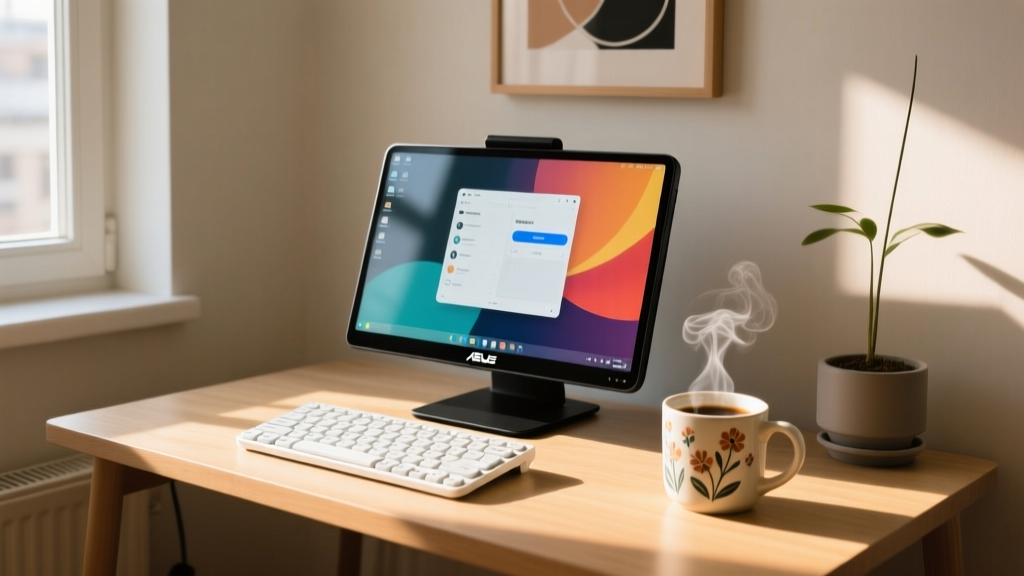
Traditional portable monitors rely on IPS panels with mediocre contrast. The ZenScreen MQ16AH utilizes a 15.6-inch OLED panel, delivering true blacks and a 100% DCI-P3 color gamut. At just 0.31 inches thin, it slips into a laptop sleeve seamlessly.
- Weight: 1.65 lbs (750g)
- Power Delivery: Draws power directly via a single USB-C cable (requires a laptop outputting at least 15W).
- The Compromise: To maintain this ultra-thin profile, ASUS limits the refresh rate to 60Hz. If your workflow involves high-framerate gaming or rapid timeline scrubbing, you will notice the lack of a 120Hz panel.
Logitech MX Keys Mini
Full-size mechanical keyboards are acoustic and spatial nightmares in small apartments. The MX Keys Mini uses low-profile scissor switches with spherical dishing on the keycaps, reducing the overall footprint by 30% compared to the standard MX Keys while retaining per-key smart illumination.
Volume vs. Utility: Compact Gear Matrix
Not all space-saving gadgets are created equal. Below is a breakdown of the physical volume you sacrifice versus the utility you retain.
| Gear Category | Model | Volume (cu in) | Weight | Primary Engineering Compromise |
|---|---|---|---|---|
| Portable Display | ASUS ZenScreen 16 OLED | 48.2 | 1.65 lbs | 60Hz refresh rate; fragile OLED edge |
| Micro-Cinema | XGIMI MoGo 2 Pro | 145.0 | 2.4 lbs | Lacks optical zoom; relies on digital keystone |
| Espresso Maker | Wacaco Nanopresso | 25.1 | 0.75 lbs | Manual pumping fatigue; small 80ml water tank |
| Audio | Bose SoundLink Micro | 14.8 | 0.64 lbs | Rolls off sub-bass below 80Hz |
Micro-Cinema & Audio: Projection Over Panels
A 65-inch TV requires a massive media console and dominates a small living room. A micro-projector, however, occupies less space than a hardcover book and projects a 100-inch image directly onto a blank wall.
XGIMI MoGo 2 Pro (2026 Edition)
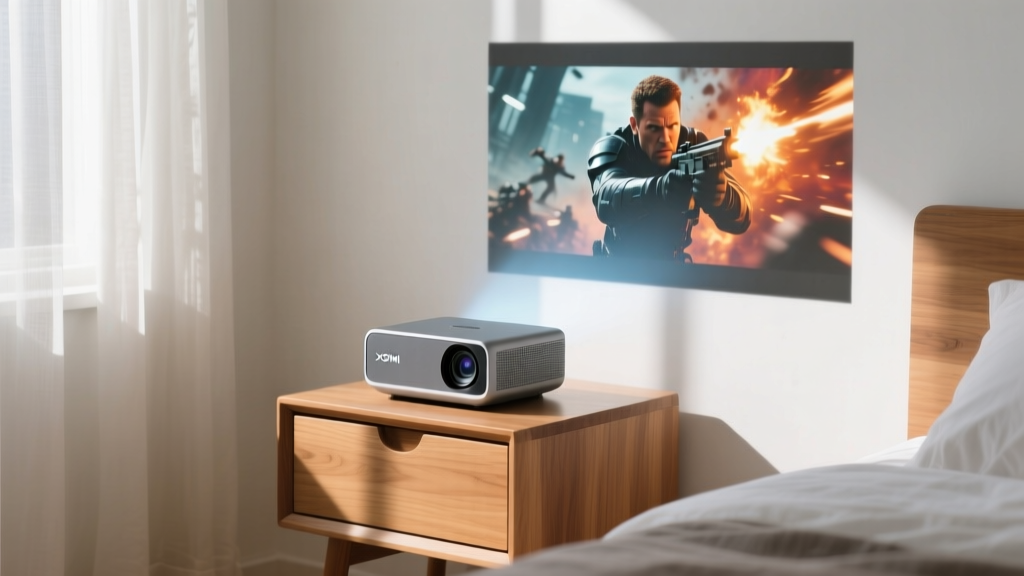
The MoGo 2 Pro outputs 450 ISO lumens in native 1080p. Unlike older LED projectors that required manual focus wheels, XGIMI's ISA 2.0 (Intelligent Screen Adaptation) uses a ToF (Time of Flight) sensor and a 3D ToF camera to auto-focus, auto-keystone, and auto-screen-fit in under three seconds. It effectively turns any blank wall or ceiling into a display.
- Throw Ratio: 1.2:1 (Requires about 8.5 feet of distance for a 100-inch screen).
- Audio: Built-in 2x 3W Harman Kardon speakers. While sufficient for a bedroom, they lack the chest-thumping bass of a dedicated soundbar.
- Expert Insight: Independent testing by RTINGS portable projector analysts notes that while the MoGo 2 Pro excels in dark environments, its 450 ISO lumens will wash out significantly in rooms with uncontrolled ambient daylight. Pair it with blackout curtains for optimal contrast.
Failure Modes: Where Compact Gear Compromises
Buying compact gadgets means accepting specific physical limitations. Understanding these failure modes prevents buyer's remorse and broken gear.
1. Thermal Throttling in High-Output Micro Tech
Physics cannot be cheated. High lumens and high processing power generate heat. In sub-3-inch flashlights and ultra-thin laptops, the surface area is insufficient to dissipate heat passively. Expect performance step-downs. If you need sustained 100% output for hours (e.g., night photography or rendering), buy the larger, actively cooled version.
2. Hinge and Pivot Fatigue
Collapsible gear—from folding keyboards to multi-tools—relies on pivot joints. In budget compact gear, these are made of soft aluminum or plastic that develops lateral play after 500 articulation cycles. Always look for stainless steel or titanium pivot hardware with replaceable Torx screws, allowing you to tighten the tension when it inevitably loosens.
3. Li-Ion Battery Swelling
Compact gadgets pack batteries tightly against logic boards. Heat from processors degrades the battery chemistry faster, leading to swelling. Never leave compact projectors or micro-PCs plugged in at 100% charge 24/7; use the manufacturer's battery conservation software to cap the charge at 80% if the device remains on a desk.
Decision Framework: Should You Buy the Compact Version?
Before swapping your full-size gear for a space-saving alternative, run it through this three-point checklist:
- Is the primary use case mobile or stationary? If the gear never leaves your apartment, the premium you pay for miniaturization is wasted. Buy standard sizes for stationary desks; buy compact for hybrid/remote workers.
- Can you tolerate the thermal ceiling? Check the manufacturer's specs for 'sustained output' rather than 'peak output'. Peak is a marketing number; sustained is reality.
- Is the chassis serviceable? Compact gear often uses heavy adhesives instead of screws to save millimeters. If the battery dies in three years, can you open it, or is it e-waste? Prioritize gear with visible fasteners.
Maximizing a small apartment isn't about buying smaller versions of big things; it's about rethinking the utility entirely. A 100-inch projected image takes up zero floor space, and a 500-lumen keychain light replaces a heavy tactical torch. Density is the ultimate luxury.
Written by
David OkaforDavid Okafor is an ASE (Automotive Service Excellence) Master Certified Technician with 15 years of professional experience in vehicle diagnostics, aftermarket electronics installation, and fleet management. He holds an Associate Degree in Automotive Technology from Universal Technical Institute and certifications in mobile electronics (MECP Certified Installer). David has installed and reviewed over 800 car tech products — from OBD2 scanners and dash cams to full infotainment system retrofits — in vehicles ranging from economy compacts to luxury SUVs. His popular YouTube channel "AutoTech David" has over 150,000 subscribers and features detailed installation tutorials and product teardowns. He is a regular contributor to the SEMA Show's aftermarket technology showcase and advises two automotive tech startups on product development.