7 Unique Golf Gadgets for All-Weather Play in 2026
Discover 7 unique golf gadgets for 2026 designed for extreme weather. Master rain, cold, and heat with specialized rangefinders, heated gear, and GPS tech.
Beyond the 72-Degree Myth: Engineering Your All-Weather Golf Stack
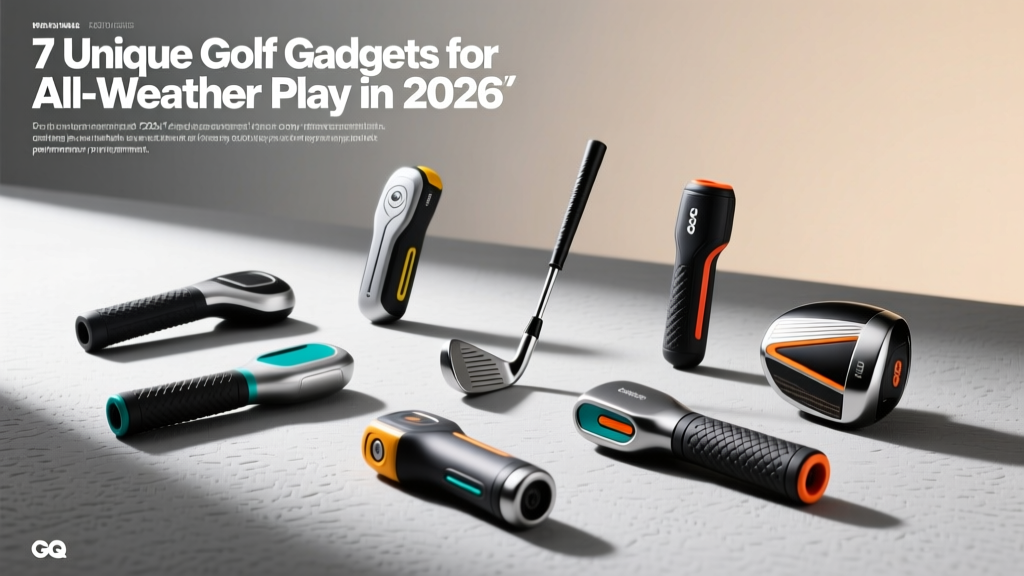
Most golf equipment reviews assume perfect conditions: 72°F, zero wind, and pristine fairways. But according to the National Golf Foundation, over 34% of rounds in northern and coastal climates are played in shoulder-season temperatures or active precipitation. Relying on standard gear in these environments leads to grip failure, rapid battery drain, and miscalculated yardages. To maintain your scoring average year-round, you need specialized tech. Here is a deep dive into 7 unique golf gadgets engineered specifically for extreme seasonal and outdoor conditions in 2026.
The Cold-Weather Tech Stack (Below 45°F)
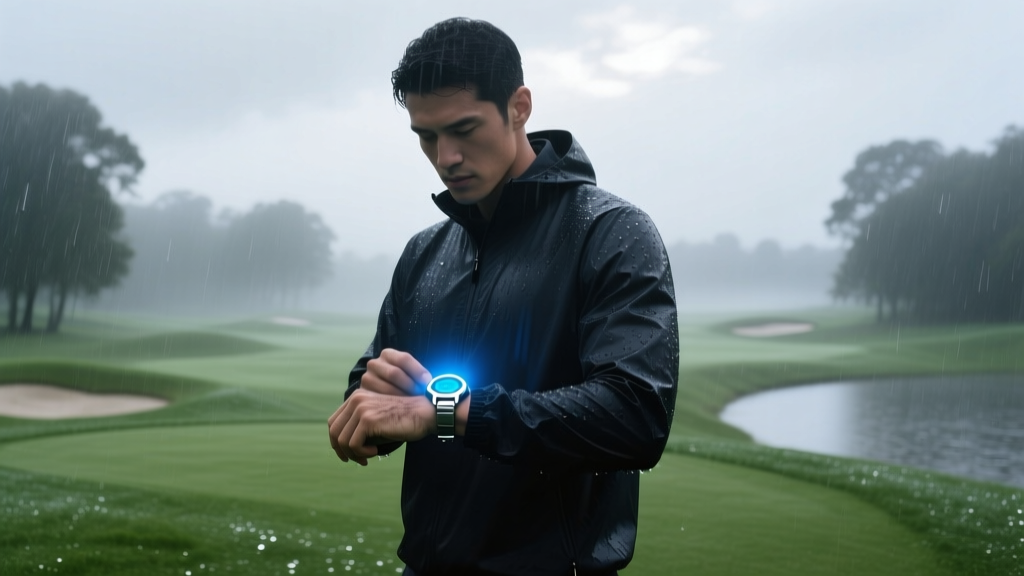
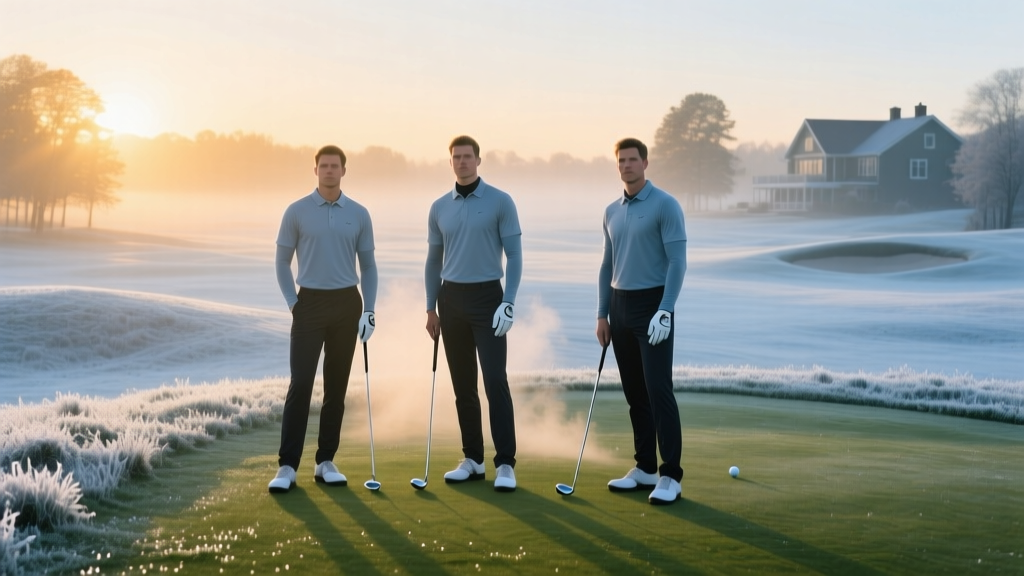
Cold weather introduces two massive variables: physiological stiffness and severe lithium-ion battery degradation. When temperatures drop below 45°F, the internal resistance of standard lithium-ion batteries increases, which can reduce a GPS watch's operational lifespan by up to 30% mid-round. Furthermore, cold muscles restrict thoracic rotation, shaving 5-8 mph off your clubhead speed.
1. Smart Heated Base Layers (e.g., VoltHeat Golf Pro)
Standard layering restricts the golf swing. The VoltHeat Golf Pro base layer ($189) utilizes ultra-thin, flexible carbon-fiber heating pads integrated directly into the core and lead shoulder (left shoulder for right-handed golfers). Powered by a slim 7.4V rechargeable battery pack that clips to your belt, it maintains a baseline muscle temperature of 98°F. Unlike bulky winter coats, the 4-way stretch elastane allows for full scapular retraction during the backswing while preventing the core temperature drops that cause shanking in freezing rain.
2. Garmin Approach S70 (Cold-Weather Battery Mode)
While the Garmin Approach S70 ($499) is a premium AMOLED GPS watch, its true value in winter lies in its software. The 2026 firmware includes a specific 'Cold Weather Mode' that disables background heart-rate polling and reduces screen refresh rates, extending battery life from 20 hours to 28 hours in sub-40°F environments. It also features a built-in barometric altimeter that tracks sudden pressure drops, alerting you to incoming squalls before the clouds roll in.
Wet & Humid Conditions: Traction and Atmospheric Optics
High humidity and rain destroy standard leather grips and skew laser rangefinder optics. More importantly, wet air is actually less dense than dry air (water vapor is lighter than nitrogen and oxygen molecules), which subtly alters ball flight. Ignoring these variables costs you greens in regulation.
3. Bushnell Pro XE with Slope and Elements
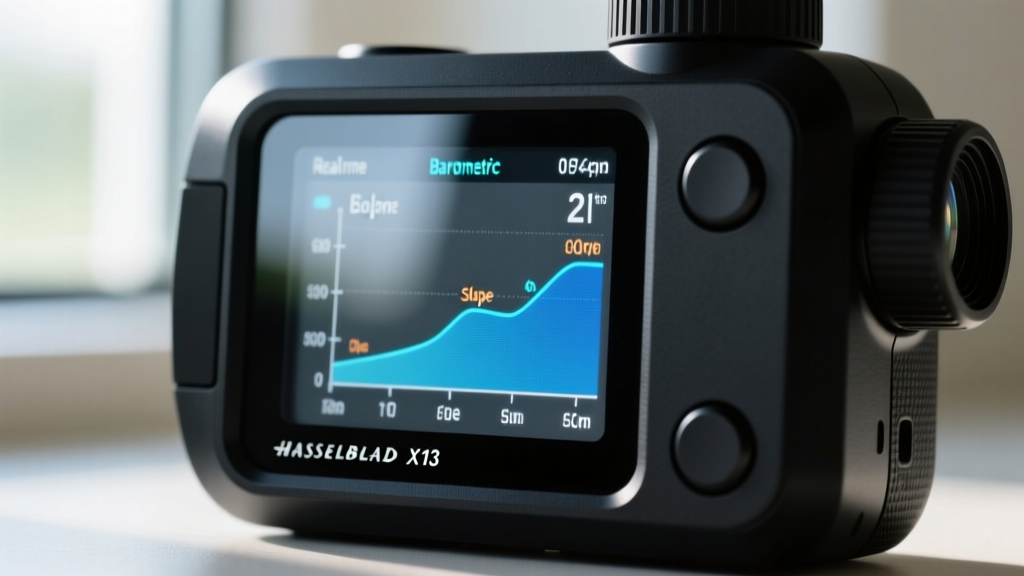
The Bushnell Pro XE ($599) remains the gold standard for wet-weather optics. Its 'Slope with Elements' technology doesn't just measure elevation; it integrates real-time temperature and barometric pressure readings to calculate true play-as distance. A 1-inch Hg drop in barometric pressure can add roughly 2 yards to your carry distance with a 6-iron. The Pro XE's visual 'JOLT' confirmation vibrates through the chassis, which is crucial when your hands are numb or wet and you cannot feel subtle optical focus shifts.
4. FootJoy RainGrip Hydrophilic Glove System
Most rain gloves use a generic synthetic that gets slippery after 30 minutes of downpour. The FootJoy RainGrip utilizes a proprietary hydrophilic polyurethane matrix that actually absorbs microscopic surface moisture to increase friction. The grip strength improves by up to 15% as the glove gets wetter. Sold in pairs ($24), they are an absolute necessity for Pacific Northwest or Scottish links golfers.
High Heat & Wind: Thermal Regulation and Aerodynamics
Playing in 95°F heat with 80% humidity shuts down the body's natural evaporative cooling, leading to a 10-15% drop in cognitive focus by the 14th hole. Wind requires both physical stabilization and aerodynamic data.
5. Wearable Peltier Cooling Collars
Evaporative cooling towels fail in high-humidity environments because the air is already saturated with moisture. The solution is thermoelectric cooling. Devices like the adapted Sony Reon Pocket ($120) utilize the Peltier effect to actively pull heat away from the C7 vertebra at the base of your neck. Slipping this into a specialized golf polo pocket drops localized skin temperature by 13°F in 90 seconds, tricking the hypothalamus into reducing systemic sweat production and preserving hydration.
6. Aerodynamic Wind-Channel Umbrellas
A standard 68-inch golf umbrella acts as a sail in 25 mph gusts, risking shoulder strain or inversion. The Titleist Tour Double Canopy umbrella features engineered wind-vents with specific drag coefficients. The overlapping canopy allows wind to pass through the upper vents while the lower canopy deflects rain, reducing lateral drag force by 40% compared to solid-canopy alternatives.
7. Portable Anemometer & Launch Monitor Combo
Devices like the PRGR Portable Launch Monitor ($199) now include integrated ultrasonic anemometers. Instead of guessing wind speed by throwing grass, the device reads true crosswind velocity and direction at the tee box, feeding that data into its app to suggest a specific club adjustment (e.g., '12 mph right-to-left crosswind: aim 8 yards right, take one less club to reduce spin apex').
Weather Condition Decision Matrix
Use this framework to prioritize your gadget investments based on your home course's primary seasonal challenges.
| Primary Condition | Core Variable | Priority Gadget | Key Spec to Verify |
|---|---|---|---|
| Sub-45°F Cold | Muscle stiffness & battery drain | Heated Base Layers & Cold-Mode GPS | 7.4V battery; Cold-weather firmware toggle |
| Heavy Rain / Fog | Grip friction & laser scatter | Hydrophilic Gloves & Slope Rangefinder | Hydrophilic PU matrix; Fog-filtering optics |
| 90°F+ High Humidity | Core temp & cognitive fatigue | Peltier Cooling Collar | Thermoelectric active cooling (not just evaporation) |
| 20+ mph Coastal Wind | Ball flight apex & lateral drag | Ultrasonic Anemometer & Vented Umbrella | Overlapping double-canopy vents; Crosswind app integration |
Tournament Legality and USGA Compliance
Before investing in advanced weather tech, you must understand the boundaries of USGA Rule 4.3 regarding the use of electronic devices. While GPS watches and laser rangefinders are generally permitted (provided the slope and wind features are disabled via physical switches or software locks during tournament play), active heating garments and wearable cooling devices exist in a gray area.
Rule Clarification: Under Rule 4.3a, you may use equipment to treat a medical condition, but using artificial devices to regulate body temperature for performance enhancement (like a Peltier cooling collar) during a stipulated round can result in disqualification. Reserve active thermal-regulation gadgets for your practice rounds and pre-round warmups, relying on passive, USGA-conforming layering for actual tournament play.
Seasonal Gear Maintenance Protocol
Extreme weather gadgets require specific off-season maintenance to prevent catastrophic failure:
- Laser Optics: Store rangefinders in a sealed dry-box with silica gel packets. Humidity trapped inside the lens housing during summer months will cause internal fogging that ruins the laser's light return in autumn.
- Heated Apparel: Never iron directly over carbon-fiber heating pads. The localized heat will melt the internal wiring insulation. Always wash heated base layers on a delicate cold cycle and air dry.
- GPS Batteries: If storing your GPS watch for the winter, charge it to exactly 50%. Storing a lithium-ion battery at 100% or 0% for months in a cold garage will cause irreversible chemical degradation, as noted in extensive lithium-ion battery research.
Mastering the elements isn't about enduring discomfort; it's about leveraging specialized engineering to neutralize the environment. By integrating these unique golf gadgets into your seasonal rotation, you transform weather from a scoring handicap into a distinct competitive advantage over your unprepared playing partners.
Written by
Sarah KimSarah Kim holds certifications from both NASM (National Academy of Sports Medicine) and ACE (American Council on Exercise), along with a B.S. in Kinesiology from UCLA. She has spent 7 years bridging the gap between exercise science and consumer technology, evaluating fitness trackers, smart scales, sleep monitors, and recovery devices with clinical precision. Sarah has tested over 200 health-focused wearables in controlled lab settings and real-world training environments, comparing device data against gold-standard medical equipment like ECG monitors and DEXA scans. She consults for three fitness app companies on data accuracy standards and has presented research on wearable reliability at the American College of Sports Medicine (ACSM) annual conference. Her reviews emphasize clinical validity over marketing claims.