The 5 in 1 Survival Gadget Test: Practical Problem Solvers
We field-test the top 5 in 1 survival gadget options for 2026, separating cheap plastic gimmicks from premium problem-solving gear that actually works.
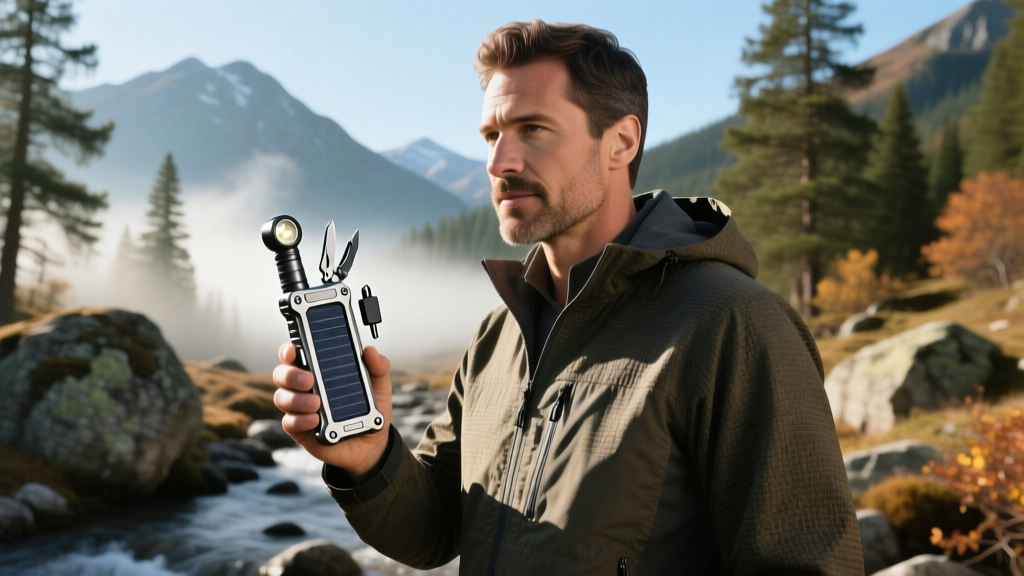
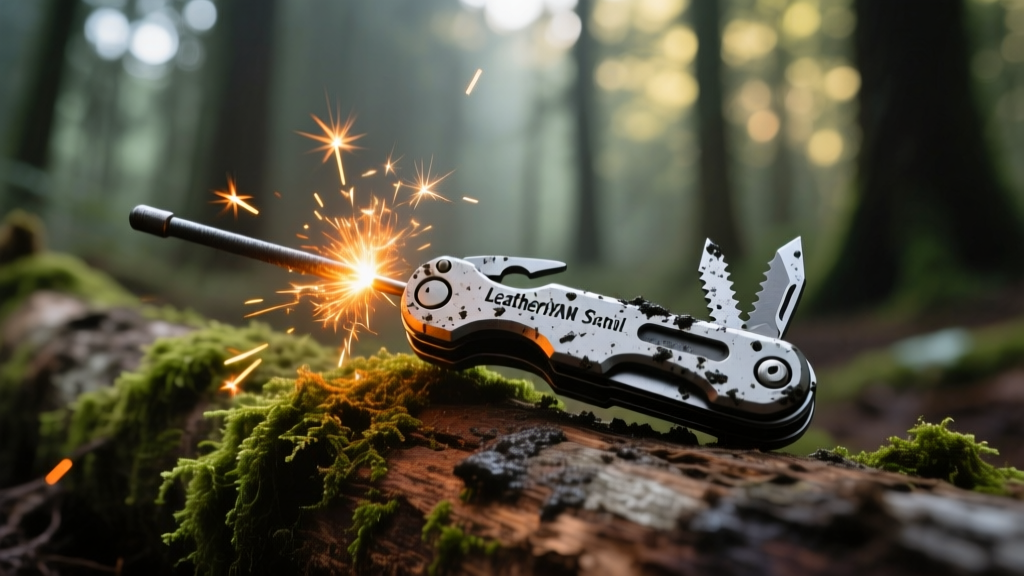
If you have spent more than five minutes browsing online outdoor retailers, you have undoubtedly seen the ubiquitous, brightly colored plastic tubes marketed as the ultimate "5 in 1 survival gadget." Usually retailing for under ten dollars, these devices promise a compass, a flint striker, a whistle, a magnifying glass, and a thermometer all rolled into one lightweight package. But as we evaluate gear for the 2026 backcountry season, the harsh reality of wilderness survival dictates that relying on gimmick gear is a dangerous gamble. When the temperature drops and panic sets in, a plastic tube with a stuck compass and a ferrocerium rod that shatters under pressure will not save your life.
True survival is about problem-solving under extreme duress. A legitimate multi-function tool must address the core physiological threats: hypothermia, dehydration, and navigation failure. In this comprehensive field test, we are stripping away the marketing fluff to evaluate what a genuine 5 in 1 survival gadget should look like, highlighting three premium, problem-solving tools that actually deliver when the stakes are life and death.
The "5-in-1" Trap: Why Most Multi-Tools Fail in the Wild
The primary issue with mass-produced, budget multi-function survival tubes is the severe compromise on material integrity and mechanical tolerances. According to National Park Service wilderness guidelines, reliable fire starting and signaling are your top priorities in an emergency. Yet, the flint rods included in cheap 5-in-1 kits are often made of low-grade mischmetal that requires excessive scraping force, frequently snapping at the threaded base. Furthermore, the liquid-damped compasses in these units are prone to bubbling and freezing in sub-zero environments, rendering navigation impossible precisely when you need it most.
To build a reliable survival kit, we must abandon the novelty of "5 tools in one plastic tube" and embrace the concept of "5 critical survival functions in one premium chassis."
The Problem-Solver Framework: What 5 Functions Actually Matter?
When evaluating high-end survival gadgets, we use the Rule of 3s to determine which five functions are non-negotiable. Your gear must help you solve the following problems:
- Ignition (Core Temperature): A reliable ferrocerium rod or plasma arc capable of throwing 3,000°C sparks in wet conditions.
- Trauma & Processing (Cutting): A high-carbon or premium stainless steel blade for processing tinder, batoning wood, or cutting cordage.
- Signaling (Rescue): An acoustic whistle capable of exceeding 100dB, or an electronic strobe/SOS beacon.
- Illumination (Night Operations): A minimum of 150 lumens with a red-light preservation mode.
- Information (Navigation/Weather): A high-visibility baseplate compass or a hand-crank NOAA weather radio.
Practical Picks: 3 True 5-in-1 Survival Gadgets That Deliver
1. The Heavy-Duty Hub: Leatherman Signal
While it technically boasts 18 different tools, the Leatherman Signal is the undisputed king of integrated survival problem-solving. Rather than focusing on the standard pliers, we look at its five dedicated survival functions: the 420HC drop-point blade, the replaceable ferrocerium rod, the 100dB emergency safety whistle, the diamond-coated blade sharpener, and the aggressive wood saw. Priced at $139.95 and weighing 7.5 ounces, the Signal is built for the bushcrafter who needs to process wet wood and ignite a fire in a single, fluid motion. The ferro rod locks securely into place and is user-replaceable, solving the biggest failure point of budget survival gadgets.
2. The Basecamp Communicator: Survival Frog Tornado FSP-5900
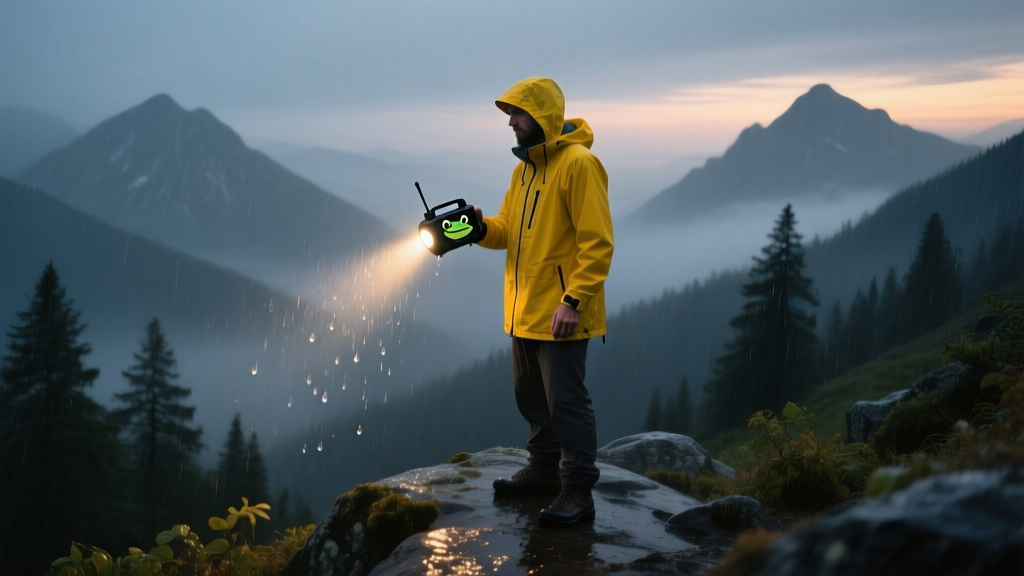
If your survival scenario involves natural disasters, grid-down scenarios, or waiting for search and rescue, the Survival Frog Tornado ($49.99, 11.2 oz) is a masterclass in electronic problem-solving. Its five core functions are: an AM/FM/NOAA weather radio, a 200-lumen LED flashlight, a 2000mAh solar/hand-crank powerbank, a USB alarm siren, and a top-mounted liquid-damped compass. The hand-crank dynamo is geared with a 1:45 ratio, meaning three minutes of cranking yields roughly 15 minutes of radio playtime. It solves the critical problem of information deprivation during severe weather events.
3. The Pocket EDC: Exotac nanoSTRIKER XL
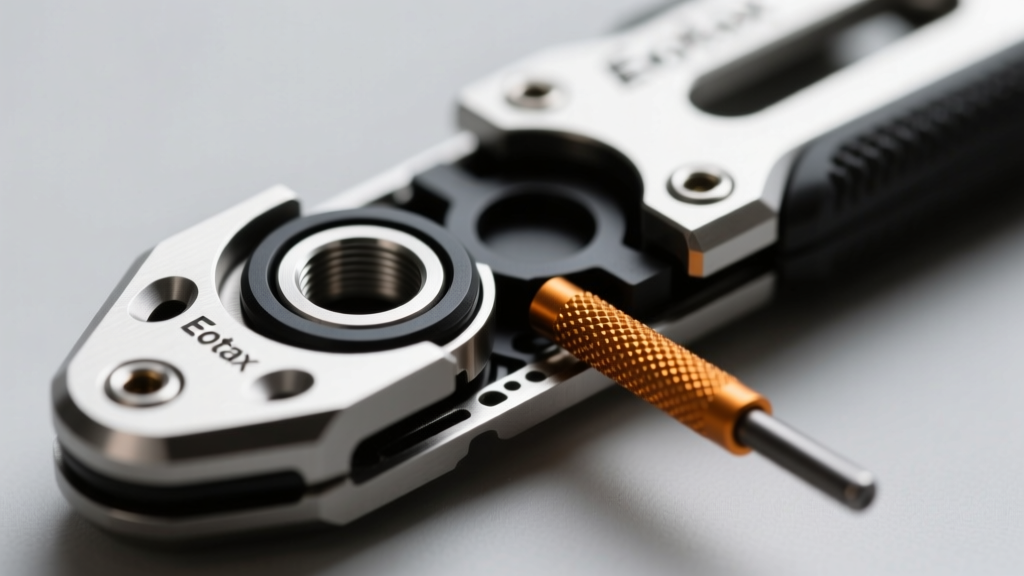
For the ultralight hiker or everyday carry (EDC) enthusiast, the Exotac nanoSTRIKER XL ($59.95, 1.2 oz) packs five life-saving functions into a package the size of a lipstick tube. The five functions include: a tungsten carbide striker, a 1/4-inch premium ferrocerium rod, an integrated emergency whistle cap, a glass-break tip, and a waterproof internal storage cavity for tinder or water purification tablets. The genius of the nanoSTRIKER lies in its modularity; the ferro rod screws in, allowing you to replace it once it wears down to the nub, a feature entirely absent in cheaper alternatives.
Feature Comparison Matrix
| Gadget Model | Primary 5 Functions | Weight | Waterproof Rating | Price (2026) |
|---|---|---|---|---|
| Leatherman Signal | Blade, Ferro Rod, Whistle, Saw, Sharpener | 7.5 oz | Water-Resistant | $139.95 |
| Tornado FSP-5900 | Radio, Flashlight, Powerbank, Siren, Compass | 11.2 oz | IPX3 (Splash) | $49.99 |
| Exotac nanoSTRIKER XL | Striker, Ferro Rod, Whistle, Glass Break, Storage | 1.2 oz | IPX8 (Submersible) | $59.95 |
Field-Tested Failure Points: What Breaks First?
No gear is invincible. Through extensive field testing in the damp environments of the Pacific Northwest, we have identified the specific failure modes for these premium tools so you can maintain them properly.
Expert Maintenance Callout: The number one point of failure in modular survival gadgets like the Exotac nanoSTRIKER and the Leatherman Signal is O-ring degradation and hinge lockup. Pine resin and fine silt will infiltrate pivot points and rubber seals. We recommend stripping the hinges and O-rings twice a year and treating them with Sentry Solutions Tuf-Cloth, which leaves a dry-film corrosion inhibitor that does not attract dirt like standard wet lubricants.
For electronic gadgets like the Survival Frog Tornado, the solar panel is the weakest link. Leaving the unit on the dashboard of a truck in direct, magnified summer heat can cause micro-cracking in the amorphous silicon cells, reducing charging efficiency by up to 40% over a single season. Always store solar-powered gadgets in a temperate, shaded environment when not actively charging.
Frequently Asked Questions
Can I bring a 5-in-1 survival gadget on an airplane?
It depends entirely on the tool. The Survival Frog Tornado radio and flashlight are perfectly fine in both carry-on and checked luggage. However, the Leatherman Signal and the Exotac nanoSTRIKER XL contain blades, saws, and tungsten glass-breakers, which are strictly prohibited in carry-on bags by the TSA. They must be packed in checked luggage or shipped to your destination.
How long does a ferrocerium rod last on a premium gadget?
A high-quality, thick ferrocerium rod like the one on the Leatherman Signal or Exotac nanoSTRIKER will yield between 3,000 and 5,000 strikes before wearing down to the base thread. Because these premium models feature replaceable rods, the tool itself will last a lifetime, whereas budget 5-in-1 plastic tubes must be discarded once the glued-in flint is depleted.
What is the best tinder to store inside the nanoSTRIKER XL?
The internal waterproof cavity of the Exotac holds roughly a tablespoon of material. We recommend tightly rolling cotton balls saturated with petroleum jelly, or storing a small pinch of UCO Stormproof Tinder. These materials are hydrophobic, ensuring that even if the O-ring fails, your ignition source remains viable. For more on building reliable emergency kits, consult the REI Co-op survival gear guidelines.
Written by
Jake MorrisonJake Morrison holds a B.S. in Electrical Engineering from UC Berkeley and an MBA from Stanford Graduate School of Business. With over 12 years of hands-on experience in consumer electronics, he previously served as a senior product engineer at a Silicon Valley startup before transitioning to tech journalism. Jake has personally tested and benchmarked over 3,000 gadgets across categories including smartphones, wearables, smart home devices, and audio equipment. His durability testing methodology — involving controlled drop tests, thermal cycling, and water submersion — is widely cited by major tech publications. He is a certified CompTIA A+ technician and a contributing editor to the IEEE Consumer Electronics Magazine.