7 Practical Survival Gadgets for 2026 Backcountry Trips
Discover 7 practical survival gadgets for 2026 that solve real backcountry emergencies. Expert picks for water, fire, navigation, and trauma.
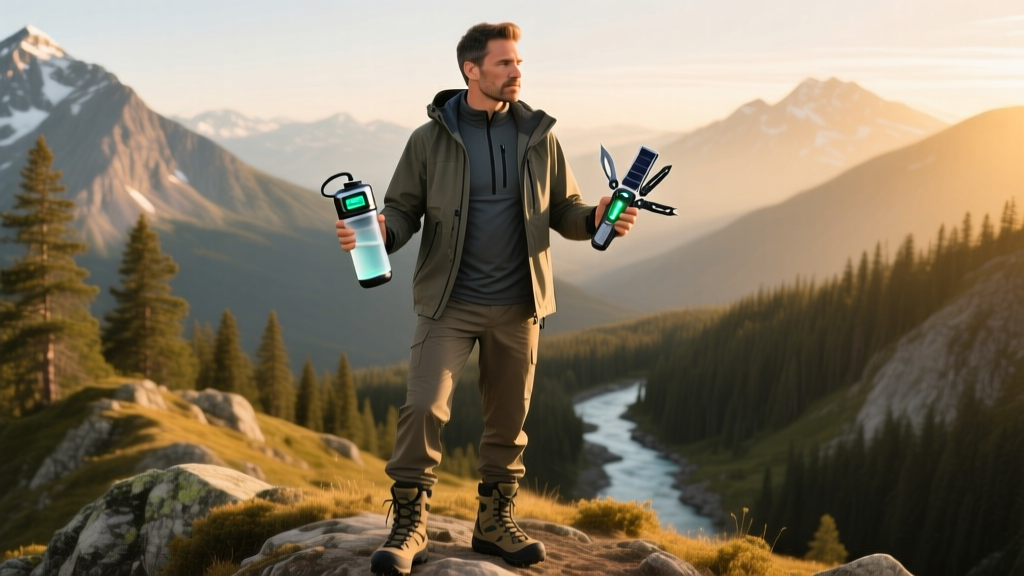
The 'Problem-Solver' Framework for Backcountry Gear
Most survival gear lists are filled with gimmicks that look great on camera but fail when you are shivering in a trench at 2 AM. In 2026, the focus for serious outdoorsmen has shifted entirely from 'apocalypse prepping' to practical problem-solving. When building your kit, every item must address a specific physiological or environmental failure point. We do not carry gear for the sake of carrying it; we carry it to buy time, preserve core temperature, and facilitate rescue.
Below is a curated breakdown of the most reliable survival gadgets on the market today, analyzed not just for their specs, but for their real-world failure modes and field-tested realities.
1. Water Purification: Viral Protection on Demand
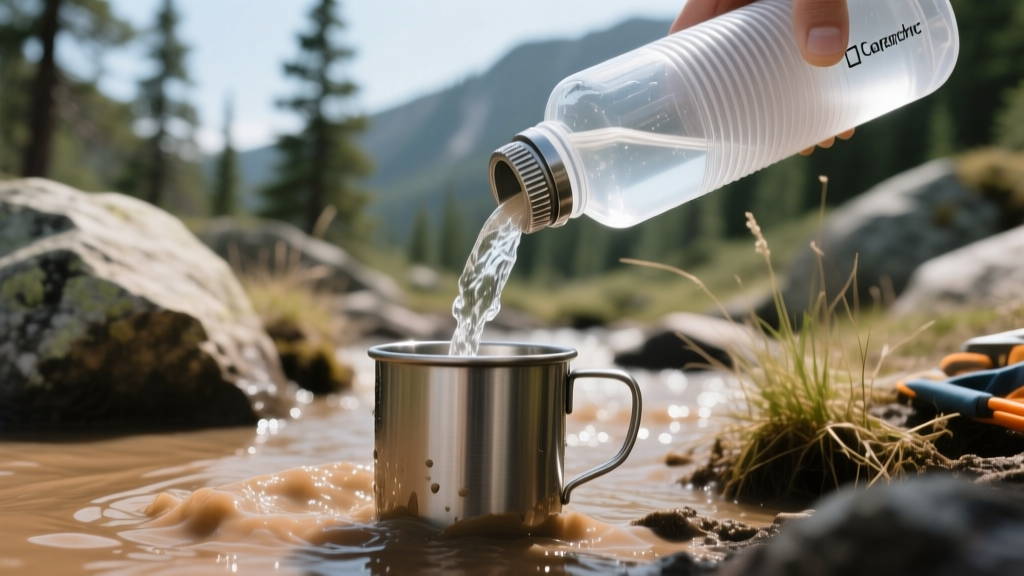
The Gadget: Grayl GeoPress Purifier Bottle (24 oz)
The Problem: Standard microfilters (like the classic LifeStraw or Sawyer Squeeze) remove bacteria and protozoa, but they do not remove viruses. If you are traveling internationally or drawing water from stagnant, high-traffic alpine lakes, viral pathogens like norovirus and hepatitis A are a genuine threat.
Field-Tested Reality: The Grayl GeoPress uses a replaceable purifier cartridge that removes 99.99% of viruses, bacteria, and protozoa. According to the CDC's backcountry water treatment guidelines, purification (not just filtration) is required in areas with human or animal waste contamination.
- Cost: $99.95 (Replacement cartridges ~$29.95)
- Capacity: 24 oz per press (takes about 15 seconds of body weight)
- Critical Failure Mode: Freezing. If water freezes inside the inner press, the ice will expand and crack the microscopic filter matrix, rendering it useless without any visual indication. Solution: Sleep with the inner press inside your sleeping bag in sub-zero temps.
2. Fire Starting: Overcoming Wet Fuel Failure
The Gadget: Überleben Zünden Ferox Ferrocerium Rod (5/16 Inch)
The Problem: Butane lighters lose pressure in the cold and fail at high altitudes. Matches get wet. Standard ferro rods are often too thin (1/4 inch), requiring frantic, imprecise scraping that yields weak sparks.
Field-Tested Reality: The Überleben Zünden is 5/16-inch thick, providing a massive surface area for a 6-inch high-carbon steel striker to bite into. It generates 3,000°C (5,400°F) sparks and is rated for 12,000 strikes. It features a hardwood handle with a built-in lanyard hole, ensuring you can secure it to your belt or pack even when wearing thick winter gloves.
- Cost: $16.99
- Weight: 2.4 oz
- Pro-Tip: A ferro rod is only as good as your tinder. Always pair this with a waterproof tinder stash, such as cotton balls heavily saturated in petroleum jelly, which will burn for 4-5 minutes even in a drizzle.
3. Satellite Comms: The Canopy Penetration Challenge
The Gadget: Garmin inReach Messenger
The Problem: Cell service is a myth in deep backcountry. When a twisted ankle or sudden whiteout occurs, the inability to signal for help turns a minor inconvenience into a body-recovery mission.
Field-Tested Reality: The Garmin inReach Messenger utilizes the Iridium satellite network, offering true global coverage. Unlike older, bulkier models, the 2026 iteration is rugged, pocket-sized, and features a high-contrast e-ink display that remains readable in direct sunlight while preserving battery life for up to 28 days in standard tracking mode.
Satellite Messenger Comparison Matrix
| Device | Network | Weight | Battery Life (Tracking) | Best For |
|---|---|---|---|---|
| Garmin inReach Messenger | Iridium (Global) | 4.0 oz | 28 Days | Solo hikers, hunters, minimalists |
| SPOT Gen4 | Globalstar | 5.0 oz | 17 Days | Basic SOS, open-desert trekking |
| Zoleo Satellite Communicator | Iridium (Global) | 5.3 oz | 200+ Hours | Seamless email-to-SMS bridging |
4. Hypothermia Defense: Trapping Radiant Heat
The Gadget: SOL (Survive Outdoors Longer) Emergency Bivvy
The Problem: Traditional mylar space blankets tear in a 5 mph breeze, are impossibly loud, and offer zero structural integrity. They are essentially useless for active survival scenarios where you need to move or shelter in place for hours.
Field-Tested Reality: The SOL Emergency Bivvy is made from tear-resistant, vacuum-aluminized polyethylene. It reflects 90% of your body heat back to you. Unlike standard mylar, it is completely windproof and waterproof, and the seams are sealed. Weighing just 3.8 ounces, it can be used as a primary emergency shelter or stuffed with dry leaves and pine boughs to create an insulated mattress.
- Cost: $17.00
- Dimensions: 84 x 31 inches
- Critical Failure Mode: Condensation. Because it is non-breathable, your sweat and breath will pool inside. Solution: Keep the face opening clear, and never breathe directly into the bag. Ventilate periodically.
5. Trauma Response: The Counterfeit Tourniquet Crisis
The Gadget: North American Rescue (NAR) C-A-T Gen-7
The Problem: A deep laceration from a hunting knife, a chainsaw kickback, or a femoral artery strike from a fall can cause lethal exsanguination in under three minutes. Pressure dressings are often insufficient for major arterial bleeds.
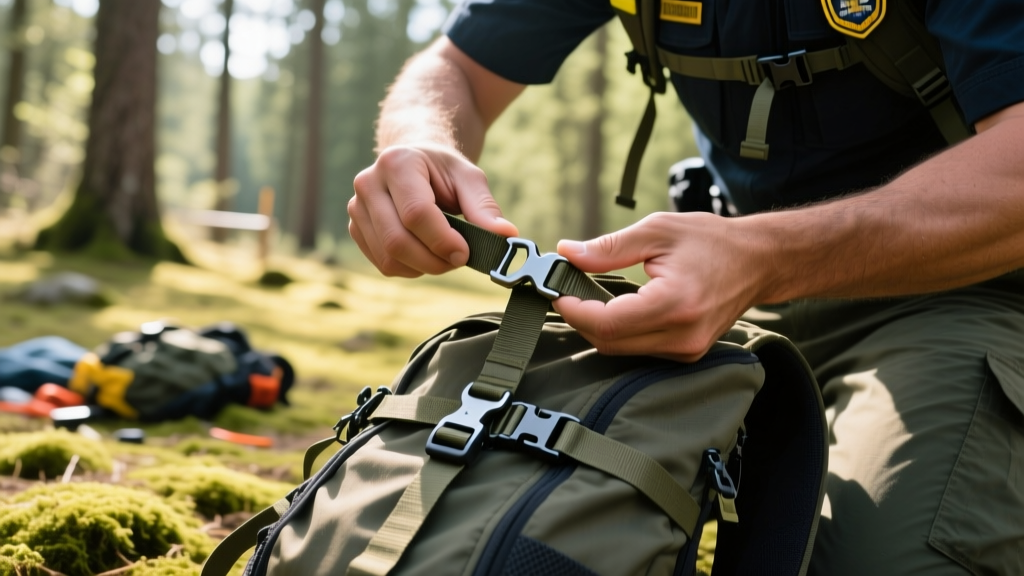
Field-Tested Reality: The Combat Application Tourniquet (C-A-T) Gen-7 is the gold standard for hemorrhage control. The Stop the Bleed campaign mandates that anyone spending time in remote areas with sharp tools or firearms must carry a genuine TQ and know how to apply it one-handed.
WARNING: The market is flooded with counterfeit C-A-Ts from overseas marketplaces. Counterfeit windlasses (the twisting rod) are made of cheap plastic and will snap under the torque required to stop arterial blood flow. Only purchase NAR C-A-Ts from authorized dealers like Tactical Medical Solutions or directly from North American Rescue.
- Cost: $32.00 - $38.00 (Authorized dealers only)
- Application Time: Target under 60 seconds, even one-handed.
Expert FAQs on Survival Gear
Q: Should I prioritize weight or redundancy in my survival kit?
A: Redundancy is critical for life-saving functions (fire, water, navigation), but it must be weight-conscious. The 'Rule of Threes' applies: carry three ways to make fire (lighter, ferro rod, waterproof matches), but ensure the combined weight is under 6 ounces. Do not compromise on the weight of your primary water purifier; dehydration will incapacitate you faster than a heavy pack.
Q: Are battery-dependent survival gadgets a liability in 2026?
A: Yes, if they are your only option. Electronics fail in extreme cold and degrade over time. Always pair battery-dependent gadgets (like the Garmin inReach or a headlamp) with analog backups. A satellite messenger is incredible for calling in a medevac, but a physical topographic map and a lensatic compass require no lithium-ion cells to get you out of the valley.
Final Thoughts: Training Trumps Titanium
The most expensive survival gadgets are useless if you do not know how to deploy them under extreme stress. In 2026, the smartest investment you can make is not just buying the Grayl GeoPress or the NAR C-A-T, but taking a weekend wilderness first aid course and practicing your fire-starting skills in the rain. Gear solves problems, but only when guided by a prepared mind.
Written by
Priya SharmaPriya Sharma holds a Ph.D. in Acoustical Engineering from the University of Southampton and a B.Tech in Electronics from IIT Delhi. She has spent 9 years as a consumer electronics journalist, with deep specialization in audio equipment, camera systems, and assistive technology. Priya is an active member of the Audio Engineering Society (AES) and has co-authored papers on spatial audio perception published in the Journal of the Acoustical Society of America. Her reviews of headphones, portable DACs, and studio monitors include objective measurements using Audio Precision analyzers alongside subjective listening tests. She also serves on the advisory board of the Global Accessibility Reporting Initiative (GARI), evaluating mobile devices for users with visual and hearing impairments.