Eco-Friendly Backpacking Gadgets for Low-Impact Treks in 2026
Discover the best eco-friendly backpacking gadgets for 2026. Reduce your trail footprint with sustainable solar chargers, water filters, and camp stoves.
The Shift Toward Leave No Trace Tech
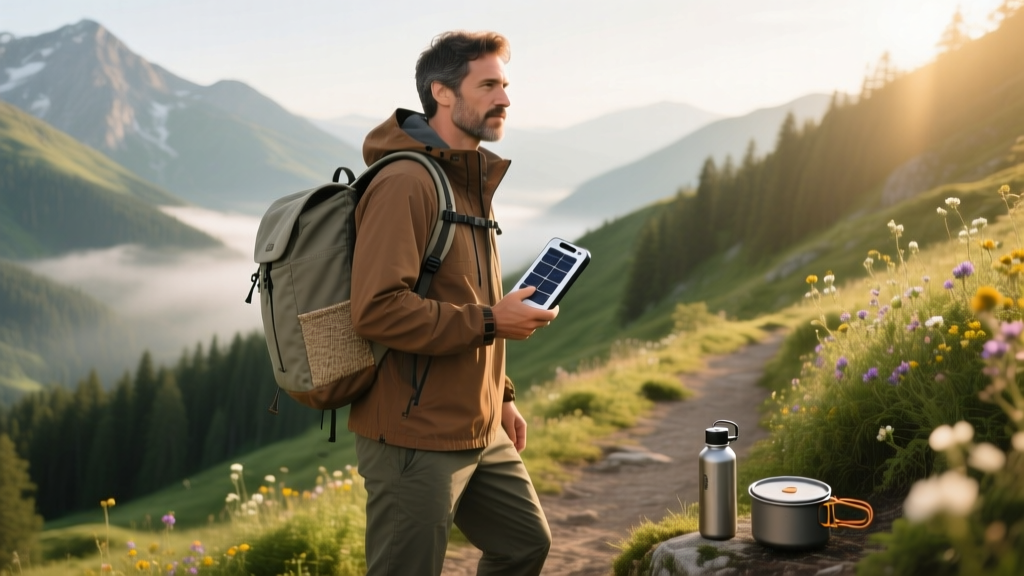
As outdoor recreation continues to surge in 2026, the environmental toll of our gear has never been more apparent. The modern hiker is no longer just concerned with base weight; they are scrutinizing the lifecycle carbon footprint of their equipment. When we talk about backpacking gadgets, the conversation has shifted from pure utility to sustainable utility. According to the Leave No Trace Center for Outdoor Ethics, minimizing campfire impacts and reducing trail waste are paramount. Yet, millions of single-use isobutane canisters and dead lithium batteries end up in landfills annually. This guide breaks down the most reliable, eco-friendly backpacking gadgets that help you maintain a low-impact footprint without sacrificing backcountry comfort.
The Hidden Cost of Traditional Backcountry Fuel
Before diving into sustainable alternatives, it is crucial to understand the problem with standard backpacking stoves. Isobutane-propane canisters are notoriously difficult to recycle. They are made of mixed metals and often retain residual pressurized gas, causing many municipal recycling facilities to reject them. Furthermore, manufacturing and shipping these pressurized vessels carries a heavy carbon footprint. By transitioning to renewable energy gadgets and biomass stoves, backpackers can drastically cut their per-trip waste.
Top Sustainable Backpacking Gadgets Reviewed
1. BioLite CampStove 2+ (Smokeless Wood Burning & Charging)
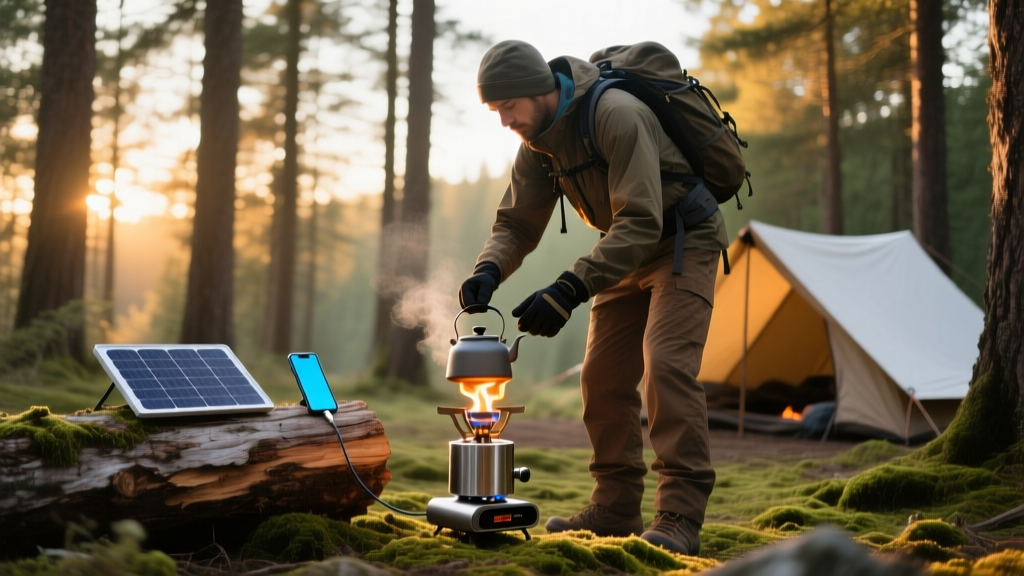
The BioLite CampStove 2+ remains a cornerstone of eco-friendly backcountry cooking. Priced at $179.95 and weighing 33 ounces, it utilizes a patented thermoelectric generator to convert the heat from a wood fire into 3 watts of usable electricity. This means you can charge your phone or GPS device while boiling water, completely eliminating the need for disposable fuel canisters or heavy, toxic power banks.
- Weight: 33 oz (935 g)
- Power Output: 3W continuous via USB-A
- Boil Time: 4.5 minutes for 1 liter
- Eco-Benefit: Zero fossil fuel reliance; uses fallen twigs and biomass.
Expert Insight: The 2026 model features an improved internal fan with 4 speed settings, which drastically reduces particulate smoke. However, in high-alpine environments above the treeline where dry biomass is scarce, you will need to pack a small backup fuel source or rely entirely on solar.
2. Goal Zero Nomad 5 (Recycled Material Solar Panel)
Solar technology has become highly efficient, but the casing materials often lag behind in sustainability. The Goal Zero Nomad 5 ($49.95) addresses this by utilizing post-consumer recycled (PCR) plastics for its ruggedized housing. Delivering 5 watts of power, it is designed to trickle-charge small devices like headlamps, satellite messengers, and smartphones directly from the sun.
- Weight: 11.2 oz (317 g)
- Panel Type: Monocrystalline
- Durability: IPX4 water and dust resistance
- Eco-Benefit: PCR plastic housing reduces petroleum-based manufacturing waste.
Expert Insight: To maximize the Nomad 5, angle it perpendicular to the sun and avoid placing it behind tent mesh, which can reduce efficiency by up to 40%. It pairs perfectly with a small, long-lifespan LiFePO4 (Lithium Iron Phosphate) battery bank, which outlasts standard lithium-ion banks by thousands of charge cycles.
3. Grayl GeoPress (Replaceable Cartridge Purifier)
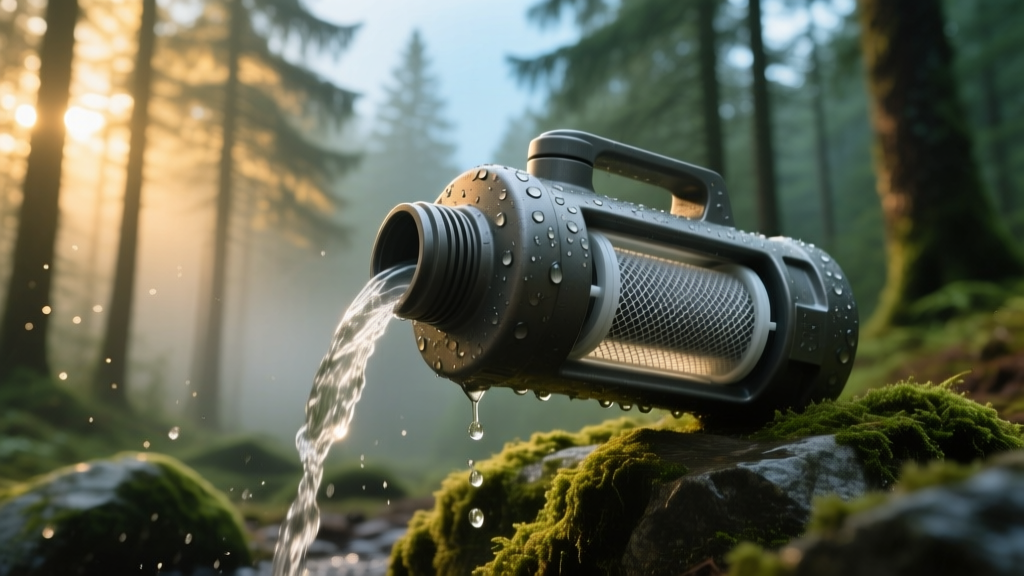
Single-use plastic water bottles are a backcountry plague, and chemical purification tablets leave a chemical taste and create micro-trash. The Grayl GeoPress ($99.95) offers a robust, sustainable solution. It filters viruses, bacteria, and protozoa in just 15 seconds. More importantly, Grayl operates a cartridge return and recycling program, ensuring the spent activated carbon and resin beads do not end up in the ocean.
- Capacity: 24 oz (710 ml)
- Flow Rate: 15 seconds per full press
- Cartridge Life: 350 cycles (approx. 65 gallons)
- Eco-Benefit: Eliminates single-use plastics; cartridge recycling program.
Environmental Impact Matrix: Gear Comparison
When selecting your gear, it helps to visualize the trade-offs between weight, cost, and environmental impact. Below is a comparison matrix of the top eco-friendly backpacking gadgets for 2026.
| Gadget Model | Primary Eco-Benefit | Weight | Retail Price | Best Use Case |
|---|---|---|---|---|
| BioLite CampStove 2+ | Eliminates fossil fuel canisters | 33 oz | $179.95 | Forest & woodland camping |
| Goal Zero Nomad 5 | PCR plastics & renewable energy | 11.2 oz | $49.95 | High desert & alpine treks |
| Grayl GeoPress | Cartridge recycling & zero plastic | 15.9 oz | $99.95 | International & backcountry |
| Biolite HeadLamp 330 | Rechargeable & carbon-neutral shipping | 2.6 oz | $59.95 | Night hiking & camp chores |
Powering Your Trek: Solar vs. Biogas vs. Battery
Choosing the right power source is the most critical decision when assembling sustainable backpacking gadgets. Here is a practical decision framework based on your trekking environment:
- Dense Canopy / Wet Climates (e.g., Pacific Northwest, Appalachians): Solar panels are highly inefficient here due to cloud cover and tree shade. Rely on thermoelectric biomass stoves (like BioLite) or bring a high-density LiFePO4 battery bank charged at home via residential solar.
- High Alpine / Desert (e.g., Sierras, Utah Canyonlands): Solar is king. The Nomad 5 will easily top off your devices during mid-day rest breaks. Biomass stoves are useless above the treeline, so pair your solar setup with a refillable liquid fuel stove (like the MSR WhisperLite) which uses a single, lifelong brass bottle rather than disposable canisters.
- Winter / Freezing Conditions: Standard lithium-ion batteries lose up to 30% of their capacity in sub-freezing temperatures. Keep your devices insulated in your sleeping bag at night, and rely on mechanical gadgets (hand-crank radios, pump filters) where possible to avoid battery failure.
"True sustainability in the outdoors isn't just about buying 'green' products; it's about purchasing high-quality gear that lasts a decade and can be repaired, rather than replaced." — 2026 Outdoor Industry Sustainability Report
Maintenance and End-of-Life Recycling
Even the most eco-friendly backpacking gadgets eventually reach the end of their lifespan. Proper disposal is where many well-meaning hikers fail. According to the EPA guidelines on e-waste, electronics contain heavy metals that can leach into groundwater if tossed in standard trash.
Actionable Recycling Steps:
- Solar Panels: Do not throw cracked panels in the bin. Companies like Goal Zero and specialized e-waste recyclers (like Call2Recycle) accept damaged photovoltaic cells to recover the silicon and copper.
- Water Filters: For hollow-membrane filters (like Sawyer or Katadyn), backflush them regularly with clean water to extend their life from 1,000 to 5,000+ gallons. When they finally fail, cut open the housing to separate the plastic from the internal fibers before recycling the plastic shell.
- Battery Banks: Tape the exposed terminals of dead lithium batteries with electrical tape to prevent fire hazards, and drop them off at designated battery recycling kiosks found in most major outdoor retail stores.
Frequently Asked Questions
Are solar chargers heavy enough to negate their eco-benefits?
No. Modern monocrystalline panels like the 5W Nomad weigh just over 11 ounces. The carbon offset of not manufacturing, shipping, and disposing of dozens of alkaline or single-use lithium batteries over a five-year period far outweighs the 11-ounce manufacturing footprint of the solar panel.
Can I use a wood-burning stove during fire bans?
This is a critical edge case. During Stage 1 and Stage 2 fire restrictions in 2026, most land management agencies prohibit wood-burning stoves, even those with enclosed burn chambers like the BioLite, due to the risk of escaping embers. Always check local US Forest Service alerts before your trip. If a ban is active, you must switch to a pressurized liquid fuel or canister stove, which are generally exempt from fire bans because they can be instantly shut off.
How do I clean a water purifier without using harsh chemicals?
For the Grayl GeoPress, simply rinse the cartridge with clean, filtered water after every trip and let it air dry completely in a well-ventilated area. Never use bleach or soap on the purifier cartridge, as the activated carbon will absorb the chemicals, ruining the filter and introducing toxins into your drinking water on the next trek.
Final Thoughts on Sustainable Trekking
Upgrading to eco-friendly backpacking gadgets is a commitment to the trails we love. By ditching single-use fuel canisters, embracing renewable solar energy, and participating in gear recycling programs, you ensure that the wilderness remains pristine for the next generation of hikers. Evaluate your current gear closet, identify the highest-waste items, and make the swap to sustainable tech for your next 2026 adventure.
Written by
Priya SharmaPriya Sharma holds a Ph.D. in Acoustical Engineering from the University of Southampton and a B.Tech in Electronics from IIT Delhi. She has spent 9 years as a consumer electronics journalist, with deep specialization in audio equipment, camera systems, and assistive technology. Priya is an active member of the Audio Engineering Society (AES) and has co-authored papers on spatial audio perception published in the Journal of the Acoustical Society of America. Her reviews of headphones, portable DACs, and studio monitors include objective measurements using Audio Precision analyzers alongside subjective listening tests. She also serves on the advisory board of the Global Accessibility Reporting Initiative (GARI), evaluating mobile devices for users with visual and hearing impairments.