Best Stores for Kitchen Gadgets: 2026 Outdoor Spice & Grill Gear
Discover the best stores for kitchen gadgets specializing in outdoor spice racks, weather-proof grinders, and BBQ seasoning tools for 2026 patio cooking.
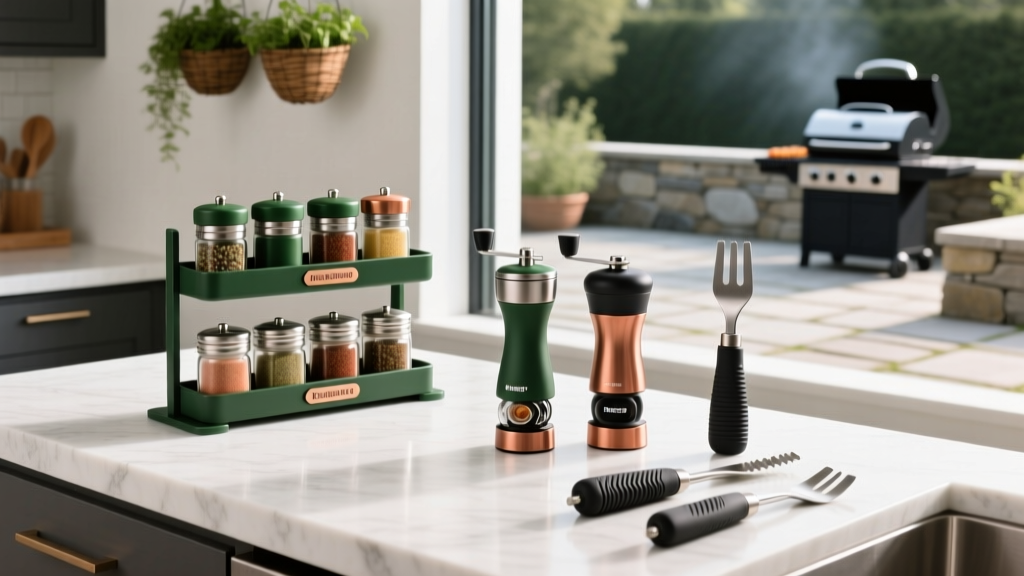
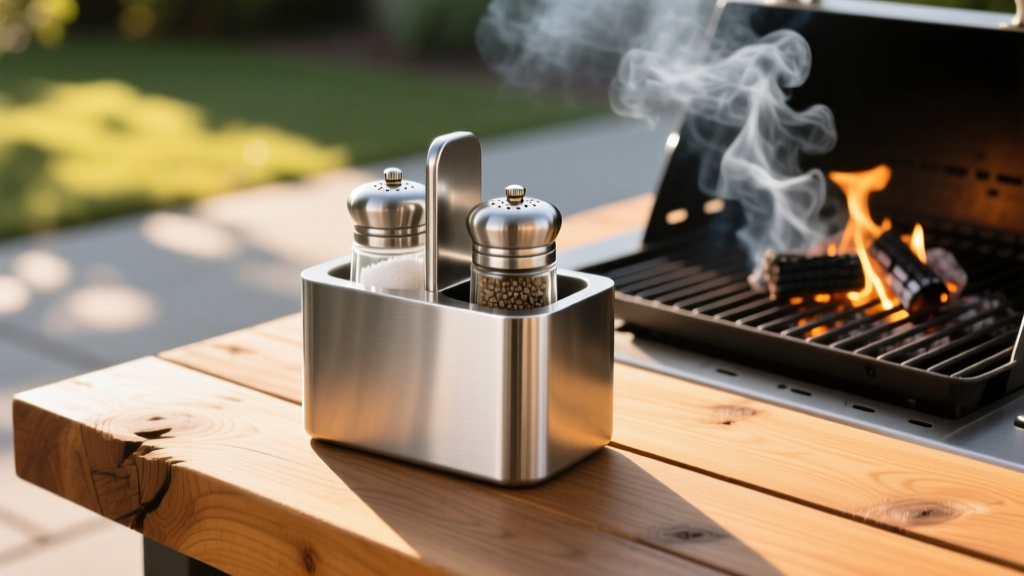
The Outdoor Seasoning Challenge: Why Indoor Gadgets Fail
Taking your indoor seasoning setup to the patio or campsite is a fast track to ruined equipment. The outdoor cooking environment introduces three primary enemies to spice racks and grinders: ambient humidity, extreme temperature fluctuations, and airborne grease. Standard carbon steel pepper mills will rust solid after a single humid July. Shaker tops with large, unsealed holes allow hygroscopic spices like garlic powder and brown sugar to absorb moisture, turning expensive BBQ rubs into solid bricks. When evaluating stores for kitchen gadgets, the critical differentiator for outdoor gear is material science and sealing technology, not just aesthetic design.
Top Stores for Kitchen Gadgets: Sourcing Weather-Resistant Gear
Finding the right equipment requires knowing which retailers specialize in heavy-duty, outdoor-rated culinary tools. Here is a breakdown of the best stores for kitchen gadgets tailored to the outdoor chef.
BBQGuys: The Heavy-Duty Metalwork Specialists
BBQGuys excels in permanent outdoor kitchen integrations. For built-in spice management, they carry the Bull Outdoor Products 304 Stainless Steel Seasoning Caddy (typically priced around $140-$160). This unit is designed to be drop-in mounted into granite or concrete countertops, featuring a sloped drainage base so rainwater or hose runoff never pools around the spice jars. Their inventory focuses strictly on weather-rated metals and UV-resistant polymers.
Williams Sonoma: Premium Wood and Teak Solutions
For freestanding patio tables, Williams Sonoma offers high-end teak and acacia wood racks. Teak contains natural oils (tectoquinones) that repel water and resist rot, making it vastly superior to bamboo for outdoor use. Their Williams Sonoma Teak Condiment Caddy ($90-$110) features deep, partitioned wells that prevent tall grinder bottles from tipping over in high winds, a common failure point with cheaper wire racks.
Penzeys Spices: The Sealing and Storage Authority
While primarily a spice merchant, Penzeys physical and online stores are essential for the hardware they use. They sell heavy-duty glass jars equipped with plastisol-lined continuous thread caps. Unlike standard shaker lids, these caps create a near-vacuum seal when closed, completely blocking ambient humidity. Buying your bulk rubs in these specific containers from Penzeys eliminates the need to transfer them to secondary outdoor storage.
Grinders and Shakers: Engineering for High Humidity
The mechanical burrs inside a grinder dictate its survival outdoors. Ceramic burrs are impervious to rust and salt corrosion, making them mandatory for outdoor salt grinding. However, cheap ceramic burrs often shatter when subjected to the lateral torque of grinding coarse Himalayan salt or dried chili flakes. Carbon steel burrs offer superior sharpness for peppercorns but will oxidize rapidly in high humidity.
The Cole & Mason Derwent Pepper Mill ($55-$65) uses a hardened carbon steel mechanism that stays razor-sharp, but it must be stored in a sealed caddy when not in use. For salt, their Gourmet Precision Salt Mill ($40) utilizes a diamond-sharp ceramic burr that will not corrode or degrade in coastal or humid environments. For high-volume seasoning, the Meat Church Holy Cow Shaker ($12) features a wide-mouth, 304-stainless steel body with oversized holes specifically engineered to pass coarse turbinado sugar and large-flake kosher salt without clogging.
| Gadget / Model | Primary Material | Avg. Price | Best Application | Humidity Resistance |
|---|---|---|---|---|
| Cole & Mason Derwent Mill | Carbon Steel / Acrylic | $60 | Fine to coarse black pepper | Moderate (Store in caddy) |
| OXO Good Grips Contoured | Ceramic Burrs / ABS | $20 | Coarse sea salt & pepper | High (Sealed base) |
| Bull 304 SS Drop-In Caddy | 304 Stainless Steel | $150 | Permanent outdoor kitchens | Extreme (Drainage base) |
| Meat Church Wide Shaker | 304 Stainless Steel | $12 | Coarse BBQ rubs & sugars | High (Screw-top seal) |
Cross-Contamination and Food Safety Outdoors
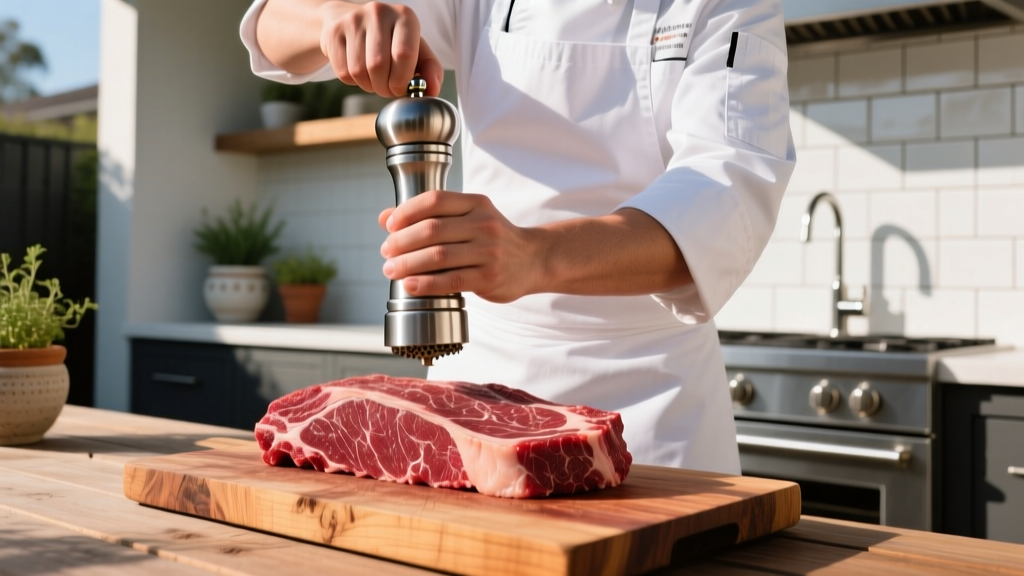
Seasoning raw meats in an outdoor environment introduces severe cross-contamination risks. According to the USDA Food Safety and Inspection Service (FSIS), outdoor cooking setups often lack the immediate access to hot, soapy water required to sanitize hands and tools between handling raw poultry and adjusting seasoning gadgets. Shaking a spice jar directly over raw chicken, then touching the lid with unwashed hands, transfers pathogens like Salmonella to the outside of the shaker, which then contaminates the spice rack and other foods.
Furthermore, when checking internal temperatures after seasoning, ensure your thermometer probe is sanitized. The FoodSafety.gov meat charts dictate that poultry must reach 165°F, but relying on a contaminated shaker to apply a post-cook finishing salt negates the safety achieved by proper grilling temperatures.
Moisture Control: Storing Hygroscopic Spices
Many essential BBQ spices are highly hygroscopic, meaning they actively pull water molecules from the air. Garlic powder, onion powder, paprika, and brown sugar (common in Kansas City-style rubs) will clump into unusable masses if exposed to evening dew or high summer humidity.
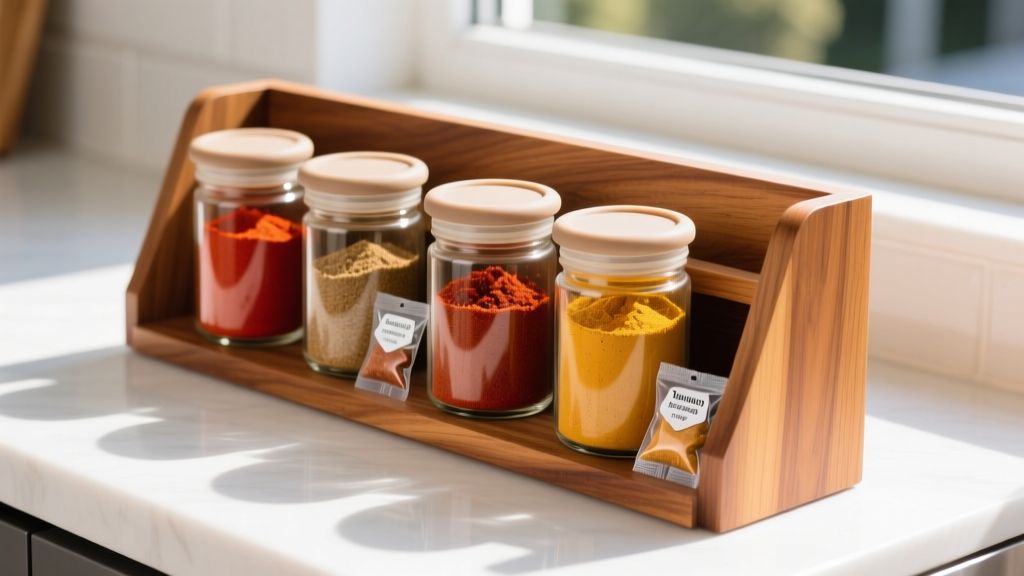
For camping or tailgating where permanent caddies are not an option, the National Park Service recommends keeping all food and prep items in sealed, rigid containers to protect against both moisture and wildlife. Apply this to your spice kit by using hard-sided Pelican cases or locking Tupperware with a gasket seal. Inside this container, drop two or three food-grade silica gel desiccant packets (specifically those indicating color change when saturated). This creates a micro-climate with near-zero ambient moisture, ensuring your paprika remains free-flowing even in the deep South's summer humidity.
Quick-Reference Buying Checklist
Before checking out at your preferred retailer, run your selection through this field-tested checklist to ensure the gadget will survive the outdoor environment:
- Steel Grade Verification: Does the product description explicitly state 304-grade (18/8) stainless steel? If it just says 'stainless', assume it is 430-grade and will rust.
- Burr Material Match: Are you grinding salt? Ensure the mechanism is ceramic or zinc-alloy, never carbon steel.
- Drainage Architecture: If buying a countertop rack, does the base have elevated feet or drainage slots to prevent water pooling from rain or hose spray?
- Seal Integrity: Do the shaker lids feature a silicone or plastisol gasket? Standard plastic snap-on caps will fail to keep moisture out.
- Wind Stability: Is the base weighted or wide enough to resist tipping in a 15 mph cross-breeze common on open patios?
By prioritizing material integrity and sealing mechanics over basic aesthetics, you can build a seasoning station that performs flawlessly through every summer cookout and tailgate season.
Written by
David OkaforDavid Okafor is an ASE (Automotive Service Excellence) Master Certified Technician with 15 years of professional experience in vehicle diagnostics, aftermarket electronics installation, and fleet management. He holds an Associate Degree in Automotive Technology from Universal Technical Institute and certifications in mobile electronics (MECP Certified Installer). David has installed and reviewed over 800 car tech products — from OBD2 scanners and dash cams to full infotainment system retrofits — in vehicles ranging from economy compacts to luxury SUVs. His popular YouTube channel "AutoTech David" has over 150,000 subscribers and features detailed installation tutorials and product teardowns. He is a regular contributor to the SEMA Show's aftermarket technology showcase and advises two automotive tech startups on product development.