Specialty Kitchen Gadgets: Smart Kettles & Water Dispensers Guide
Discover how specialty kitchen gadgets like smart kettles and RO water dispensers solve morning rush problems with precise temps and instant filtration.
The Thermodynamics of the Morning Rush
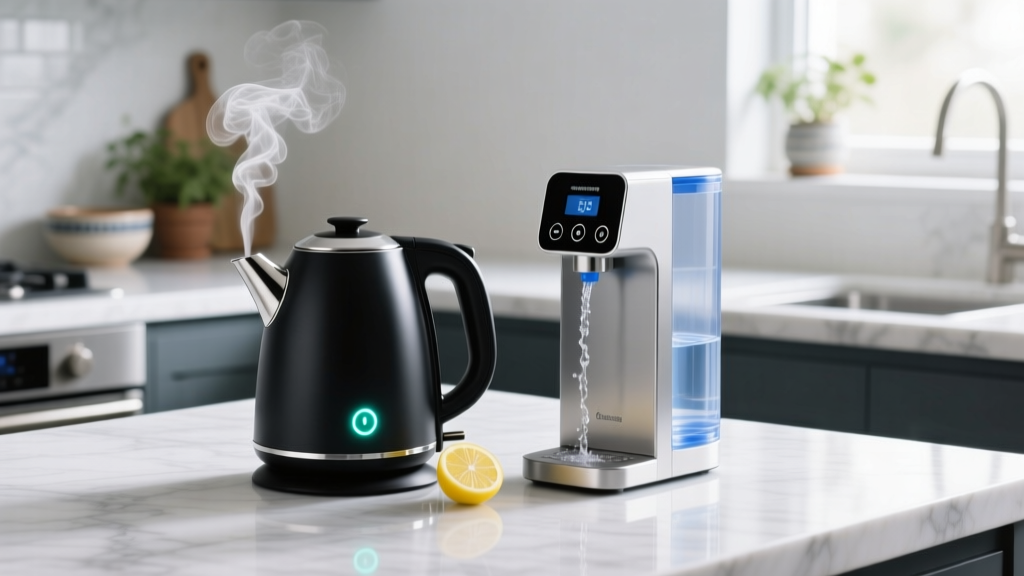
While high-end blenders and automated espresso machines often dominate kitchen conversations, the most critical bottleneck in morning beverage preparation is simply heating water. Waiting for a standard 1500W kettle to boil, only to let it cool down to the proper steeping temperature, wastes both time and electricity. When outfitting a modern home, many cooks overlook how specialty kitchen gadgets dedicated to advanced water management can fundamentally alter their daily routines. By integrating PID temperature controllers, vacuum insulation, and instant-thick-film heating elements, modern water dispensers eliminate the guesswork and thermal inefficiency of traditional stovetop or basic electric kettles.
Precision Pour-Over Kettles vs. High-Capacity Boilers
Selecting the right hardware requires matching the gadget to your specific extraction needs. Pour-over coffee demands precise flow rates and exact temperatures, while a family household requires high-volume, multi-temperature holding capabilities. Below is a technical comparison of the top-tier solutions available in 2026.
| Model | Capacity & Wattage | Temp Accuracy | 2026 Price | Best Use Case |
|---|---|---|---|---|
| Fellow Stagg EKG Pro | 0.9L / 1200W | ±1°F (PID) | $195 | Manual pour-over coffee, matcha |
| Zojirushi CD-LFC40 VE | 4.0L / 750W | ±3°F (Thermostat) | $235 | High-volume tea, instant meals |
| Waterdrop K19 RO | Tankless / 1500W | ±2°F (Thick-Film) | $429 | Purified instant hot/cold water |
Fellow Stagg EKG Pro: The Barista’s Standard
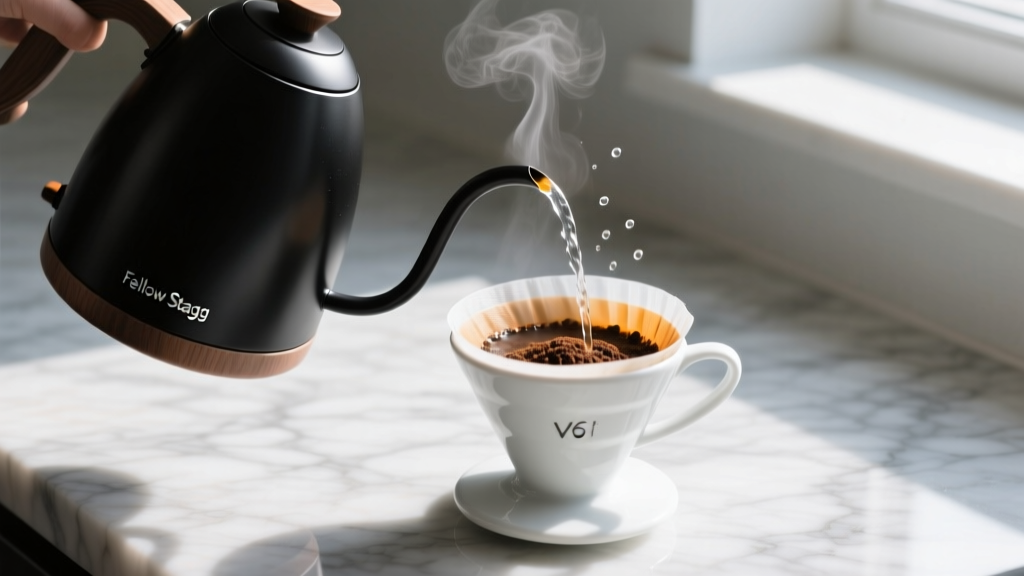
The Fellow Stagg EKG Pro remains the undisputed leader for manual coffee extraction. Its 1200W heating element is paired with a PID (Proportional-Integral-Derivative) controller that pulses power to maintain water temperature within 1°F of the target. According to the Specialty Coffee Association brewing standards, optimal extraction occurs between 195°F and 205°F. The EKG Pro’s gooseneck spout is engineered to deliver a highly controlled flow rate of roughly 4 grams per second at a 45-degree tilt, preventing channeling in the coffee bed. Failure mode to watch: The concealed heating element is susceptible to micro-fissures if the kettle is repeatedly triggered without water; always ensure the 0.9L minimum fill line is respected.
Zojirushi CD-LFC40: The Set-and-Forget Workhorse
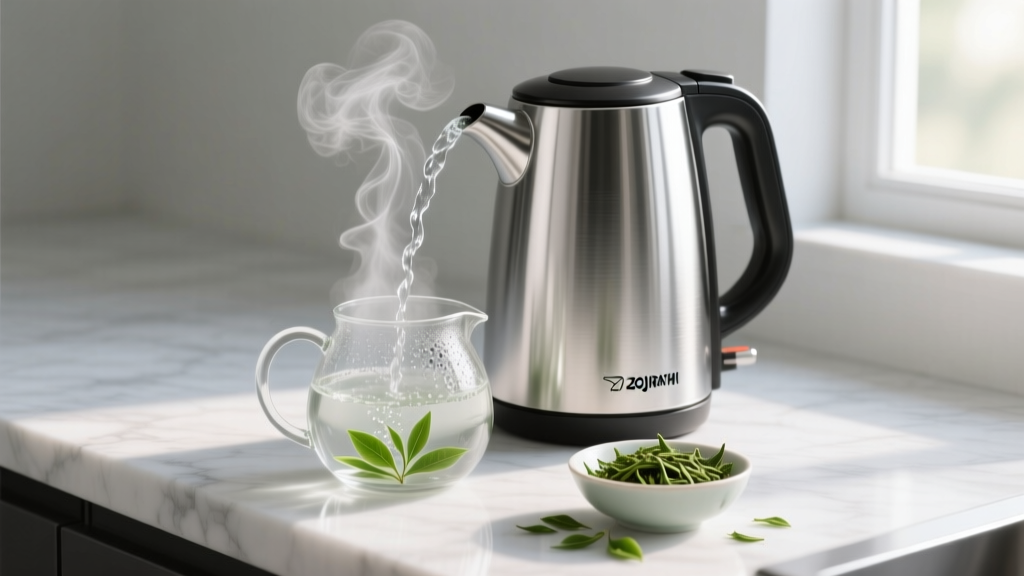
For households that need constant hot water for tea, oatmeal, or sanitizing, the Zojirushi CD-LFC40 utilizes VE (Vacuum Electric) technology. A 2mm vacuum layer between the inner and outer 304-grade stainless steel walls drastically reduces standby thermal loss. While it requires 750W to bring 4 liters to a boil, the vacuum insulation allows it to drop to a mere 17W to maintain a holding temperature of 195°F. This makes it vastly more efficient than standard double-wall kettles that rely purely on active electrical heating to maintain temperature.
Countertop Dispensing: Reverse Osmosis Meets Instant Heat
If your municipal water supply suffers from high Total Dissolved Solids (TDS) or chlorine taste, boiling will not remove these impurities. In fact, boiling concentrates them. The EPA notes that secondary contaminants like high TDS can alter beverage flavor profiles and cause rapid scale buildup in heating elements. This is where tankless countertop Reverse Osmosis (RO) dispensers like the Waterdrop K19 excel.
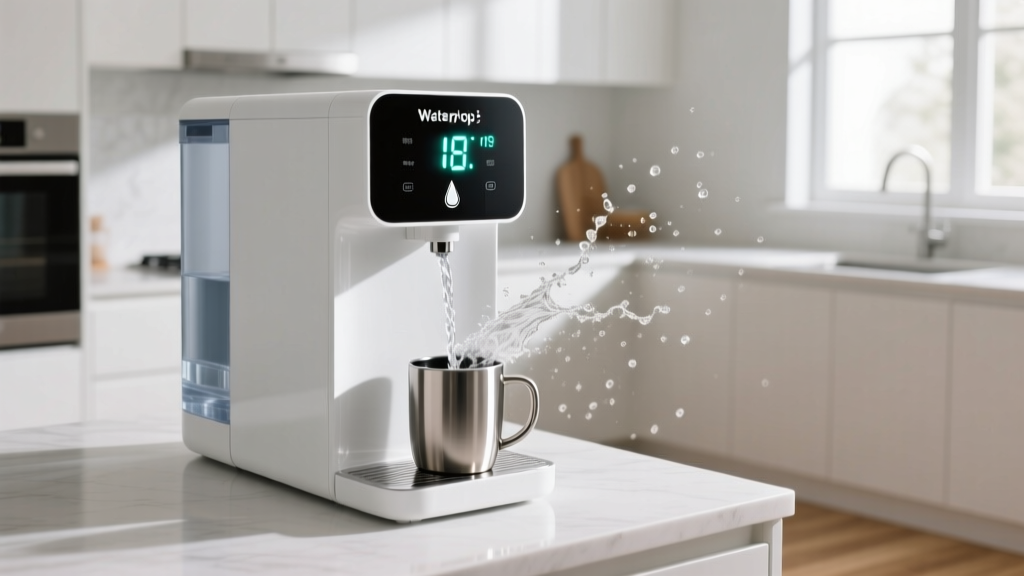
The K19 pushes tap water through a 150-Gallon-Per-Day (GPD) RO membrane, reducing TDS by up to 99%, before passing it through a rare-earth thick-film heating element. This technology heats the water in exactly 3 seconds as it flows through the micro-tubes, meaning you get purified, instant hot water without the energy loss of storing it in a heated tank. Edge case: If your feed water hardness exceeds 300 ppm, you must install an inline water softener before the K19, or the RO membrane will calcify and fail within six months.
Troubleshooting Thermal and Sensor Failures
Even premium specialty kitchen gadgets experience hardware degradation. Understanding the mechanics behind these failures saves you from unnecessary replacements.
The Auto Shut-Off Sensor Drift
Most electric kettles use a bimetallic strip thermostat located at the base to detect the steam spike that occurs at 212°F (100°C). Over time, mineral scale can insulate this sensor, causing a 'delayed shut-off' where the kettle boils for an extra 10–15 seconds, or a 'premature shut-off' where it clicks off at 190°F. If your kettle is failing to reach a rolling boil, descaling the base plate usually recalibrates the thermal transfer rate.
Mineral Scale and Thermal Efficiency Loss
According to the Water Quality Association, calcium carbonate (limescale) acts as a thermal insulator. A 2mm layer of scale on a kettle's heating element can reduce thermal transfer efficiency by up to 12%, forcing the element to run hotter and shortening its lifespan.
Critical Maintenance Warning: Never use white vinegar to descale precision kettles like the Fellow Stagg. The acetic acid can degrade the silicone gaskets sealing the base, and the volatile organic compounds (VOCs) require 4-5 boil cycles to eliminate the odor. Instead, use 15 grams of food-grade citric acid per liter of water, heated to 90°C for 20 minutes. It dissolves calcium carbonate instantly with zero residual odor.
Sizing Your Setup: A Practical Decision Framework
To finalize your purchase, run your household through this diagnostic checklist to ensure you buy the exact tool for your workflow:
- The Single-Origin Purist: If you brew V60 or Chemex daily and weigh your water to the gram, buy the Fellow Stagg EKG Pro. The 0.9L capacity prevents water stagnation, ensuring every pour is freshly oxygenated.
- The High-Volume Family: If you need 200°C water for French press coffee, 175°F for green tea, and boiling water for baby formula throughout the day, the Zojirushi CD-LFC40 is mandatory. The 4L tank and multi-temp holding eliminate wait times entirely.
- The Health & Purity Focused: If your primary concern is microplastics, heavy metals, and PFAS in your tap water, invest the $429 in the Waterdrop K19. The combination of RO filtration and instant thick-film heating solves both water quality and temperature problems in a single footprint.
By aligning your hardware with your specific extraction and volume requirements, you transform water heating from a mundane chore into a precise, efficient, and highly optimized culinary process.
Written by
David OkaforDavid Okafor is an ASE (Automotive Service Excellence) Master Certified Technician with 15 years of professional experience in vehicle diagnostics, aftermarket electronics installation, and fleet management. He holds an Associate Degree in Automotive Technology from Universal Technical Institute and certifications in mobile electronics (MECP Certified Installer). David has installed and reviewed over 800 car tech products — from OBD2 scanners and dash cams to full infotainment system retrofits — in vehicles ranging from economy compacts to luxury SUVs. His popular YouTube channel "AutoTech David" has over 150,000 subscribers and features detailed installation tutorials and product teardowns. He is a regular contributor to the SEMA Show's aftermarket technology showcase and advises two automotive tech startups on product development.