Cute Kitchen Gadgets 2026: Silicone Bakeware & Non-Stick Trends
Explore the 2026 trends in cute kitchen gadgets, focusing on LFGB-certified silicone bakeware and PFAS-free non-stick tools for safe, aesthetic cooking.
The Aesthetic Shift: Material Science Meets 'Cute' Design
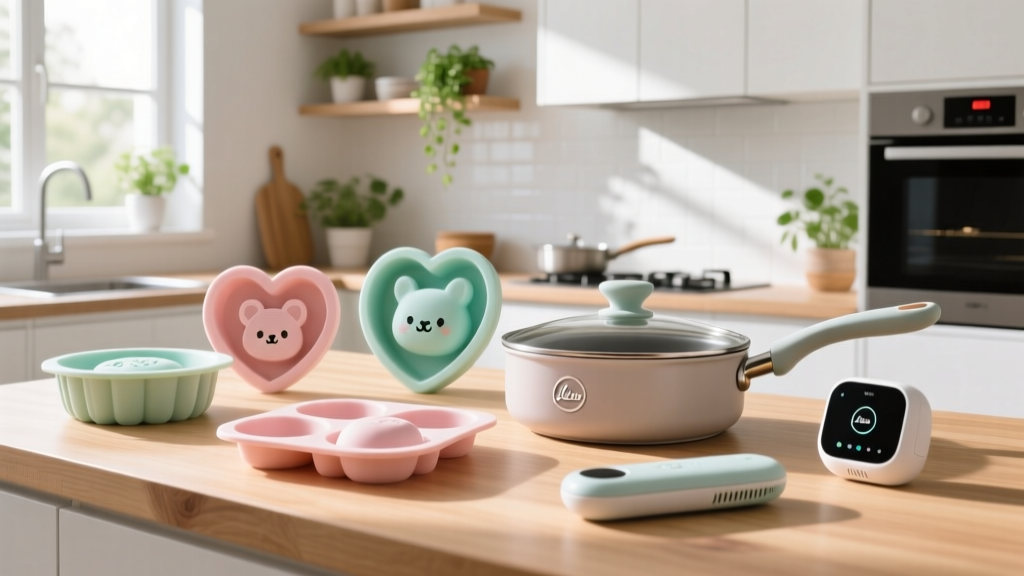
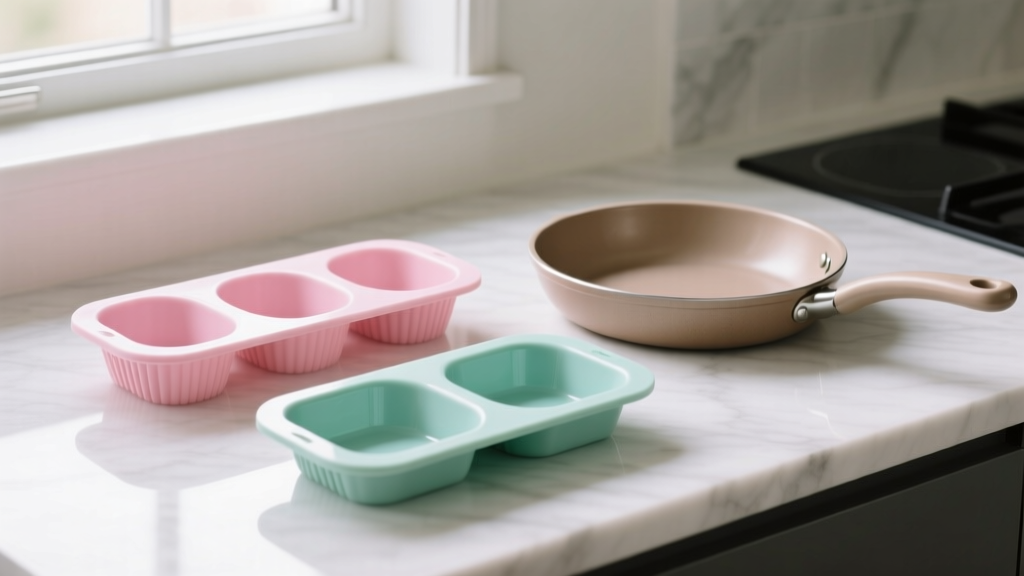
The global bakeware and kitchen gadget market has undergone a radical transformation. Historically, the demand for cute kitchen gadgets prioritized whimsical shapes and pastel colors over material safety, resulting in a flood of cheap, easily degraded plastics and poorly cured silicones. In 2026, the aesthetic-driven kitchen movement has matured. Consumers are no longer willing to compromise on chemical safety for the sake of a visually pleasing Instagram feed. The intersection of high-end material science and playful, ergonomic design is now the defining trend in culinary tools.
This shift is heavily regulated by recent environmental and health mandates. With the EPA accelerating the phase-out of PFAS (per- and polyfluoroalkyl substances) in consumer goods, the non-stick sector has been forced to innovate beyond traditional PTFE (Teflon). Simultaneously, European and American food safety agencies have cracked down on chemical migration in flexible bakeware. The result is a new generation of kitchen tools that look adorable on open shelving but perform like industrial-grade equipment.
Platinum vs. Peroxide: The Hidden Chemistry of Silicone
Not all silicone is created equal. The vibrant, flexible molds and spatulas that dominate the 'cute' aesthetic are manufactured using one of two curing processes: peroxide-catalyzed or platinum-catalyzed. Understanding this distinction is the single most important factor in buying silicone bakeware.
Platinum-catalyzed (addition-cure) silicone uses a platinum catalyst that leaves zero toxic byproducts. It boasts superior thermal stability (safely withstanding up to 500°F/260°C without off-gassing) and resists yellowing over time. When shopping for pastel silicone macaron mats or animal-shaped muffin molds, always look for explicit 'Platinum-Cured' or 'LFGB-Certified' labeling. According to the German Federal Institute for Risk Assessment (BfR), silicones for food contact must meet stringent migration limits that peroxide-cured goods frequently fail without extensive post-processing.
The 'Pinch Test' and Its Limitations
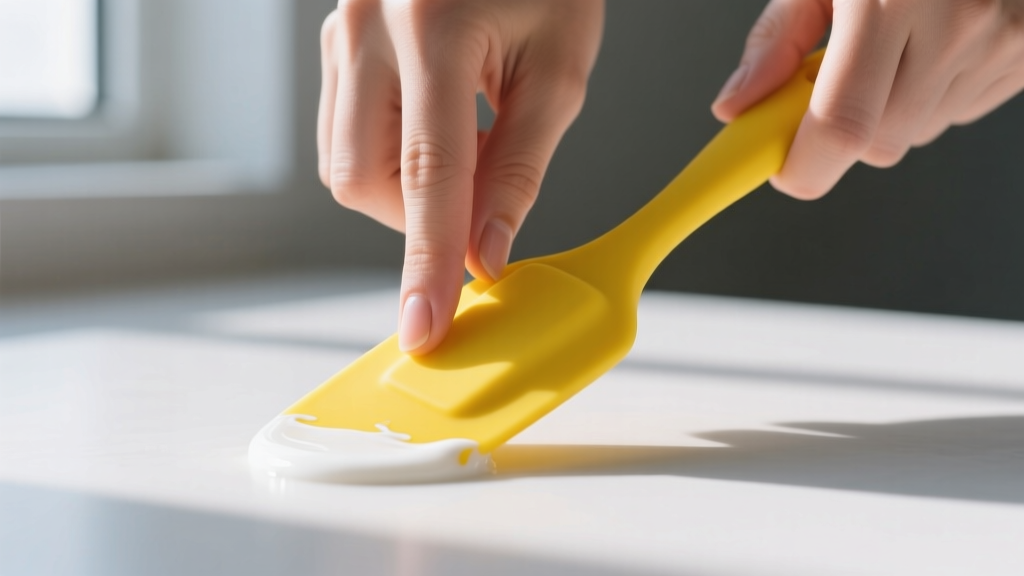
A common heuristic in culinary forums is the 'pinch test': twisting or pinching the silicone to see if a white streak appears. A white streak supposedly indicates the presence of silica fillers used to cut costs. While this test can identify heavily loaded, low-grade peroxide silicones, it is not foolproof. High-quality platinum silicones can sometimes exhibit slight whitening under extreme mechanical stress due to the crystalline structure of the polymer chains. Relying on third-party LFGB certification logos is a far more reliable metric for material purity than visual stress tests.
Non-Stick Beyond PTFE: The Sol-Gel and Ceramic Revolution
The cute kitchen gadget trend has also heavily influenced cookware. Brands like Our Place and Caraway popularized the 'aesthetic cookware' movement, utilizing sol-gel ceramic non-stick coatings instead of PTFE. As the EPA's PFAS regulations continue to tighten through 2026, PTFE-based non-stick pans are being rapidly replaced in consumer kitchens.
Sol-gel coatings (often branded as Thermolon or similar proprietary names) are derived from a silica (sand) base. They are entirely free of PFOA, PFAS, and PTFE, and can withstand higher heat spikes (up to 800°F) without blistering. However, they have a notorious Achilles' heel: micro-abrasion and thermal shock degradation.
| Material Type | Max Safe Temp | Aesthetic Versatility | Avg. Lifespan | Price Range (2026) |
|---|---|---|---|---|
| Platinum Silicone | 500°F (260°C) | High (Molds, Pastels) | 10+ Years | $15 - $35 |
| Sol-Gel Ceramic | 800°F (425°C) | High (Enamel Colors) | 2 - 4 Years | $90 - $150 |
| Seasoned Carbon Steel | 1200°F (650°C) | Low (Matte Black/Blue) | Lifetime | $40 - $80 |
| Enameled Cast Iron | 500°F (260°C) | Very High (Glossy) | Lifetime | $150 - $300+ |
Extending the Life of Ceramic Non-Stick
To maintain the non-stick properties of aesthetic ceramic pans, users must abandon high-heat searing. Sol-gel coatings become brittle when subjected to rapid temperature changes. Never plunge a hot ceramic pan into a sink of cold water; the thermal shock will cause microscopic fractures in the coating, leading to premature sticking. Furthermore, avoid aerosol cooking sprays (like Pam), which contain soy lecithin that polymerizes onto the ceramic surface at low temperatures, creating a gummy, unremovable residue. Use liquid avocado oil or clarified butter applied with a silicone basting brush instead.
Market Leaders vs. Dropshipped Fads: A Buyer’s Matrix
When outfitting a kitchen with visually appealing, safe tools, brand provenance matters. Here is how the current market leaders stack up against generic alternatives:
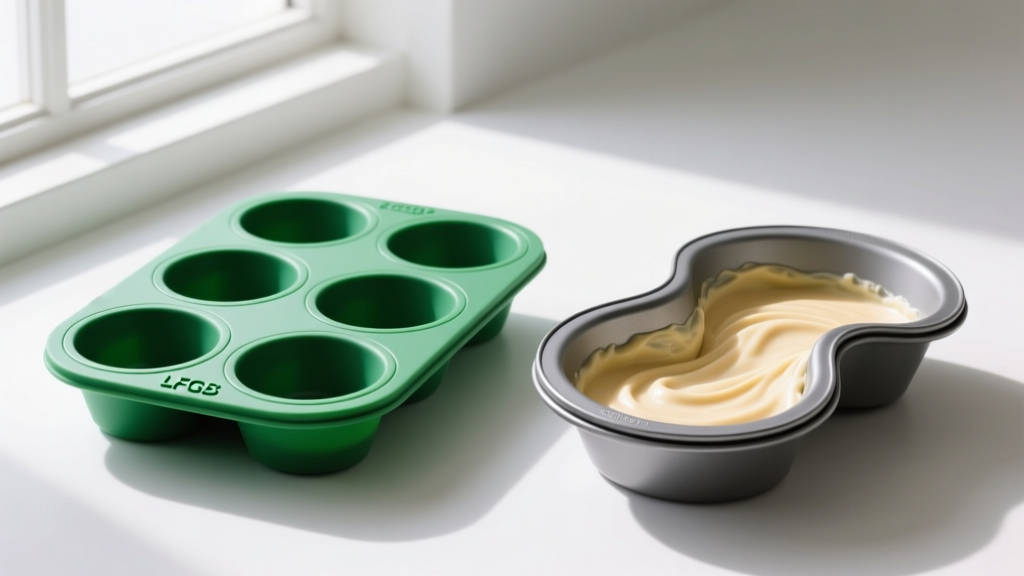
- Lékué (Premium Silicone): A pioneer in platinum-cured silicone. Their flexible molds and steam cases are LFGB-certified, dishwasher safe, and feature reinforced rims that prevent the 'floppy' degradation seen in cheaper brands after repeated oven cycles. Expect to pay $20-$35 per item.
- Silpat (Baking Mats): The gold standard for non-stick baking. Unlike solid silicone sheets, Silpat mats utilize a fiberglass mesh core. This prevents the mat from stretching or warping at high temperatures and ensures perfectly even heat distribution for delicate items like macarons. Price: $20-$25.
- Generic 'Cute' Molds (Marketplaces): Often priced between $5-$10, these items frequently lack material transparency. While they may pass basic FDA food-contact requirements, they rarely meet LFGB migration limits and are prone to absorbing odors (like garlic or fish) due to a more porous polymer structure.
Future Outlook: Bio-Silicones and Thermochromic Gadgets
Looking ahead, the material science behind kitchen gadgets is pivoting toward sustainability and smart feedback loops. Two major innovations are slated to dominate the aesthetic kitchen space by late 2026 and into 2027:
Manufacturers are now embedding thermochromic pigments into platinum silicone spatulas and baking molds. These gadgets change color (e.g., from pastel pink to deep magenta) when they reach critical temperature thresholds, such as 350°F. This provides a visual, non-digital cue to prevent melting or scorching, blending the 'cute' aesthetic with functional safety.
Additionally, the push for decarbonization is driving research into bio-silicones. Traditional silicone is derived from quartz sand and fossil-fuel-based methyl chloride. New bio-based precursors derived from rice husks and agricultural waste are currently in late-stage beta testing, promising a lower carbon footprint without sacrificing the thermal stability or flexibility required for high-end bakeware.
Actionable Framework: Building a Safe, Aesthetic Kitchen
If you are upgrading your kitchen tools to balance visual appeal with rigorous safety standards, follow this procurement checklist:
- Audit Existing Silicone: Check the undersides of your current spatulas and molds. If they lack a certification mark or exhibit a strong chemical odor when heated to 350°F, replace them immediately.
- Demand LFGB Certification: For any silicone item that will be in direct contact with high-fat foods (like butter-based batters or oils), insist on LFGB certification. Fats act as solvents and are more likely to extract uncured chemical residues from inferior silicone than water-based foods.
- Transition to Sol-Gel or Carbon Steel: Phase out scratched PTFE pans. Replace everyday egg skillets with aesthetic sol-gel ceramic pans (used strictly on low-to-medium heat), and reserve seasoned carbon steel for high-heat searing where aesthetics are secondary to performance.
- Invest in Structural Cores: For baking mats and flexible pan liners, always choose products with a fiberglass or nylon structural core to prevent mechanical stretching and ensure dimensional stability in convection ovens.
The era of sacrificing material integrity for pastel colors is over. By understanding the polymer chemistry and thermal limits of modern kitchen tools, home cooks can build spaces that are both visually stunning and fundamentally safe.
Written by
Tom ReynoldsTom Reynolds holds a CFA (Chartered Financial Analyst) designation and a B.S. in Finance from the University of Texas at Austin. Before entering tech journalism, he spent 6 years as a quantitative analyst at a hedge fund, building cost-benefit models for consumer product investments. Tom has maintained a proprietary database of over 10,000 tech deals for the past 8 years, developing his signature "penny-per-feature" evaluation framework that calculates the true value proposition of every gadget. His budget gadget reviews are known for their financial rigor — he tracks price history across 15+ retailers, calculates cost-per-use over 3-year lifespans, and identifies the exact inflection point where premium features justify their markup. Tom's deal alerts have saved his readers an estimated .3 million since 2018.