Where to Buy Kitchen Gadgets: Top Outdoor Thermometers 2026
Discover exactly where to buy kitchen gadgets for outdoor cooking. We review the best 2026 smart thermometers and timers for grilling and smoking.
The Anatomy of an Outdoor-Ready Thermometer
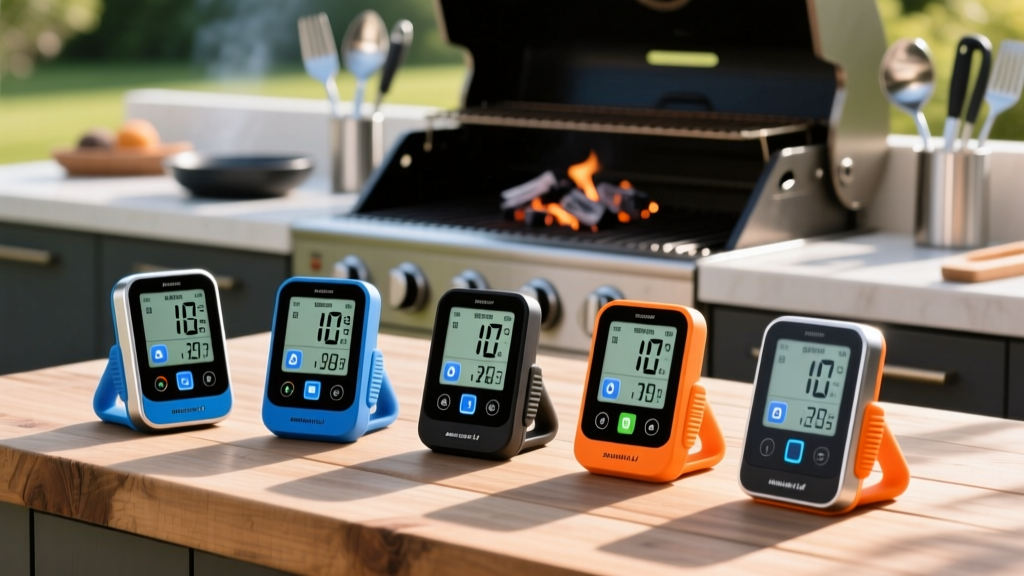
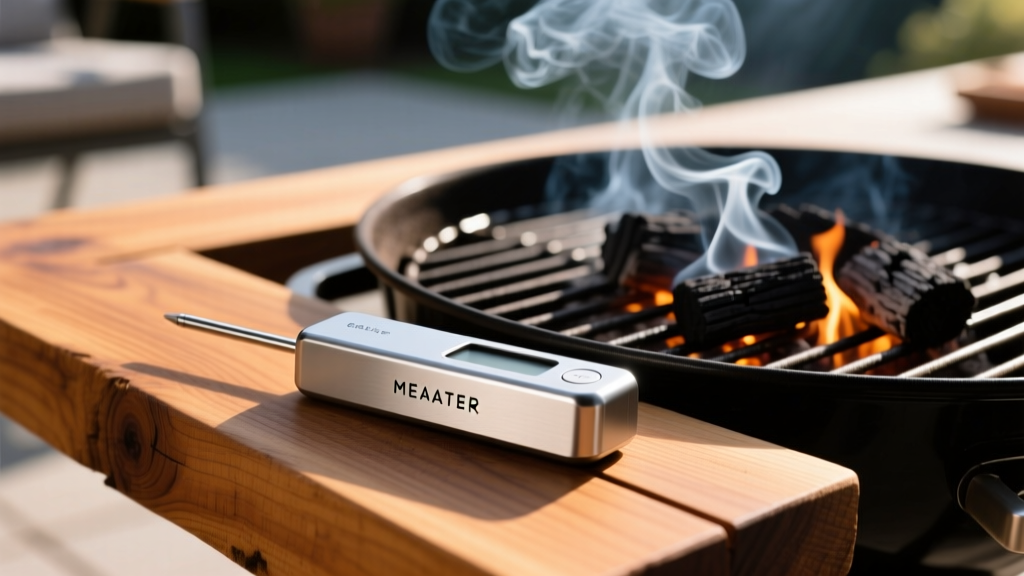
Taking indoor kitchen electronics onto the patio is a fast track to hardware failure. Outdoor cooking environments subject sensors to extreme ambient heat, corrosive smoke, and sudden temperature drops. When evaluating leave-in probes and instant-read timers for grilling or smoking, the internal sensor type dictates the gadget's survival. Thermistors offer exceptional accuracy (±0.5°F) for internal meat temperatures but typically degrade when exposed to ambient grill temperatures exceeding 600°F. Conversely, Type-K thermocouples can withstand ambient flare-ups up to 1,300°F, making them mandatory for high-heat searing stations and wood-fired pizza ovens.
Furthermore, wireless connectivity behaves differently outdoors. Bluetooth 5.2 signals attenuate rapidly when passing through dense materials like brick exterior walls or insulated smoker lids. If your grill sits more than 40 feet from your router or behind a masonry wall, a pure Bluetooth timer will drop packets, resulting in missed alarms. You need a dual-antenna system utilizing WiFi 2.4GHz for cloud routing or a dedicated RF bridge.
Elite Smart Probes & Timers for 2026 Grill Masters
The market for wireless meat probes has consolidated around a few high-performance architectures. Below is a technical breakdown of the top-tier models dominating the 2026 outdoor cooking season, based on sensor response times and thermal limits.
| Model | Max Internal Temp | Max Ambient Temp | Connectivity | Est. Price |
|---|---|---|---|---|
| MEATER Block | 212°F (100°C) | 527°F (275°C) | WiFi / BT 5.0 | $329 |
| ThermoWorks Thermapen ONE | N/A (Instant Read) | IP67 Rated Body | None (Manual) | $105 |
| FireBoard 2 Drive | 212°F (100°C) | 600°F (315°C) | WiFi / Cloud | $219 |
| Yummly Smart Thermometer | 212°F (100°C) | 527°F (275°C) | Dedicated RF Hub | $129 |
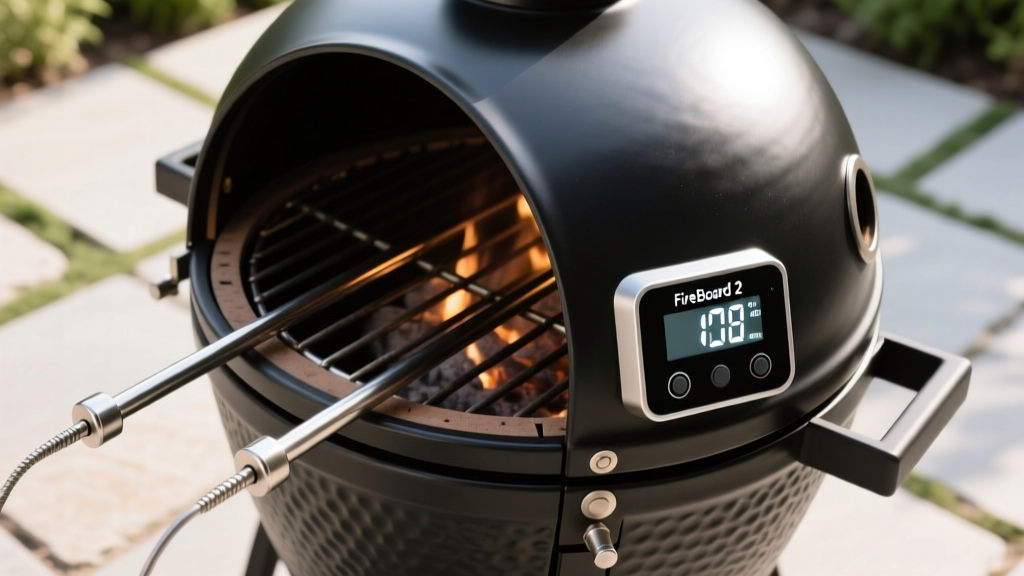
According to extensive field testing by the AmazingRibs thermometer lab, the ThermoWorks Thermapen ONE remains the undisputed king of instant-reads due to its thermocouple sensor that achieves full thermal equilibrium in just 2 seconds. For true set-and-forget smoking, the FireBoard 2 Drive offers unparalleled data logging and blower-fan integration, allowing you to automate your charcoal smoker's airflow based on real-time pit temperature deviations.
Where to Buy Kitchen Gadgets for the Patio
Figuring out where to buy kitchen gadgets designed for harsh outdoor environments requires navigating a fragmented retail landscape. Unlike standard indoor spatulas or mixing bowls, smart thermometers contain lithium-ion batteries and precision microchips that dictate strict supply chain handling. Here is a breakdown of the best purchasing channels for outdoor thermal gear:
1. Direct-to-Consumer (DTC) Manufacturers
Brands like MEATER and ThermoWorks primarily sell through their own websites. Advantage: You receive the latest firmware-flashed hardware and direct access to specialized warranty support. Drawback: DTC shipping often involves ground transport due to lithium-ion air freight restrictions, meaning delivery to remote rural areas (where many large offset smokers are located) can take 5-7 business days.
2. Specialty Outdoor & BBQ Retailers
Stores like BBQ Guys or local dedicated smokehouses carry premium brands like FireBoard and Thermoworks. Advantage: Expert staff can demonstrate probe braiding durability in person, and you avoid shipping delays. Drawback: Inventory is often limited to legacy models, and you may miss out on 2026 software-bundled releases.
3. Big Box Home Improvement Stores
Home Depot and Lowe's have vastly expanded their outdoor culinary tech aisles. Advantage: Immediate availability and easy local returns if a probe arrives with a dead battery. Drawback: Stock is heavily skewed toward entry-level, silicone-wired analog dial thermometers that fail to meet the IP67 and thermal threshold requirements of serious pitmasters.
Calibration and Creosote Mitigation
Outdoor cooking introduces heavy smoke and vaporized fats that coat thermometer probes in creosote. This black, tarry buildup acts as a thermal insulator, artificially delaying sensor response times by up to 15 seconds and causing you to overcook expensive cuts of meat.
Step-by-Step Ice Bath Calibration
Even a $300 smart probe will drift out of spec after a season of heavy use. Before every major holiday cook, perform this calibration:
- Fill a tall glass with crushed ice and add just enough cold water to fill the gaps (do not let the ice float).
- Stir the mixture for 30 seconds to ensure thermal equilibrium at exactly 32.0°F (0.0°C).
- Insert the probe tip into the center of the slurry, ensuring it does not touch the glass walls or bottom.
- Wait for the reading to stabilize. If it deviates by more than ±0.9°F, use the manufacturer's companion app to apply a manual offset calibration.
For creosote removal, never use steel wool, which will scratch the stainless steel sheath and create microscopic pits where bacteria can harbor. Instead, soak the probe tips in a 50/50 solution of distilled white vinegar and hot water for 10 minutes, then wipe clean with a microfiber cloth.
Quick-Reference Buying Decision Tree
Use this framework to select the exact thermal gadget your outdoor setup requires:
- If you cook low-and-slow brisket (12+ hours) on a WiFi-enabled patio: Buy the MEATER Block. The cloud connectivity allows you to monitor the stall phase from inside the house without losing signal.
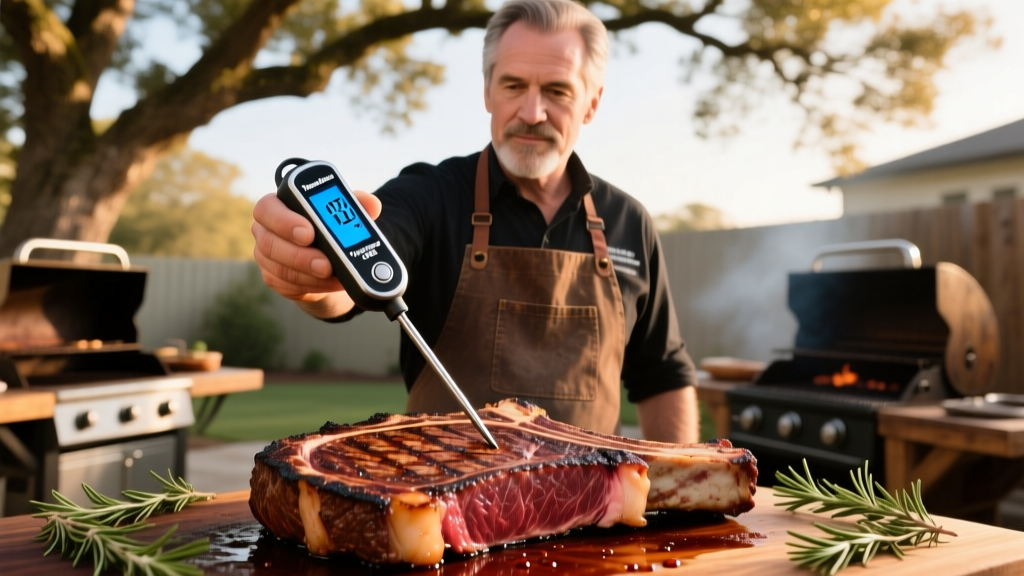
- If you sear steaks over a 900°F wood fire: Buy the ThermoWorks Thermapen ONE. Instant reads are mandatory here; leave-in probes will have their internal wires incinerated by the radiant heat of a direct wood flame.
- If you run a competitive BBQ team with multiple smokers: Buy the FireBoard 2 Drive. Its 6-probe capacity and integrated blower control allow you to manage multiple pits simultaneously from a single tablet dashboard.
Frequently Asked Questions
Can I use my indoor oven probe on the outdoor grill?
No. Indoor oven probes typically use PVC or standard silicone wiring that will melt or off-gas toxic chemicals when exposed to the direct, uneven heat of charcoal or gas flare-ups. Outdoor probes require braided stainless steel or high-temp PTFE (Teflon) sleeving rated for at least 600°F ambient exposure.
What is the safe internal temperature for smoked poultry?
According to the USDA safe temperature chart, all poultry (including ground chicken and turkey) must reach a minimum internal temperature of 165°F. However, for smoked chicken thighs, pulling the meat at 175°F to 180°F yields a superior texture by fully rendering the dense connective tissues and intramuscular fat.
Why does my Bluetooth thermometer keep disconnecting?
Bluetooth signals operate on the 2.4GHz spectrum, which is easily disrupted by physical obstacles and interference. If your smoker is made of thick steel or ceramic, the metal acts as a Faraday cage. To fix this, position the Bluetooth receiver (or your phone) in a direct line of sight with the transmitter, or upgrade to a WiFi-enabled hub that routes data through your home's mesh network.
Written by
David OkaforDavid Okafor is an ASE (Automotive Service Excellence) Master Certified Technician with 15 years of professional experience in vehicle diagnostics, aftermarket electronics installation, and fleet management. He holds an Associate Degree in Automotive Technology from Universal Technical Institute and certifications in mobile electronics (MECP Certified Installer). David has installed and reviewed over 800 car tech products — from OBD2 scanners and dash cams to full infotainment system retrofits — in vehicles ranging from economy compacts to luxury SUVs. His popular YouTube channel "AutoTech David" has over 150,000 subscribers and features detailed installation tutorials and product teardowns. He is a regular contributor to the SEMA Show's aftermarket technology showcase and advises two automotive tech startups on product development.