Best Wooden Utensils & Bamboo Tools for Kitchen Electronic Gadgets
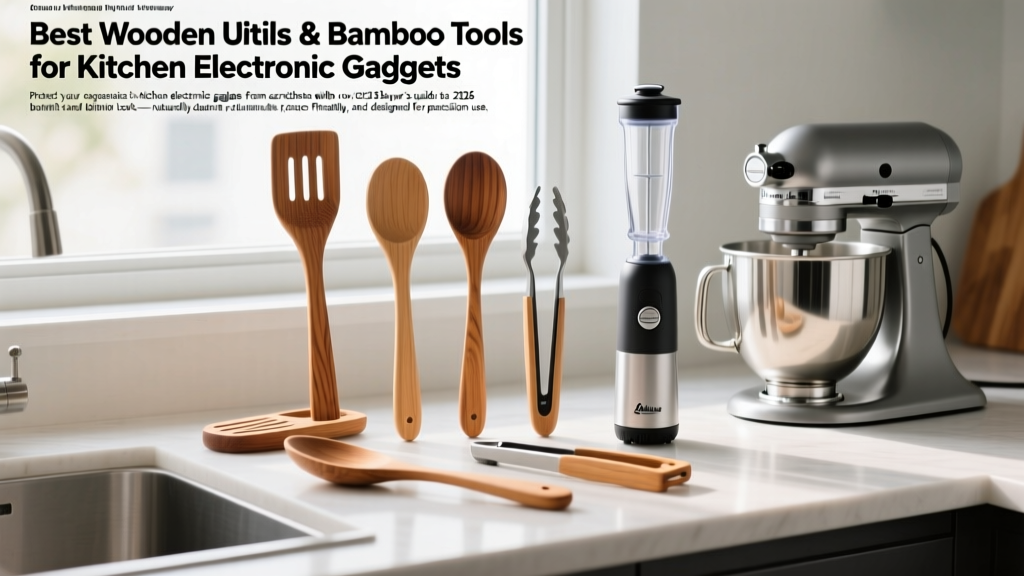
Protect your expensive kitchen electronic gadgets from scratches with our 2026 buyer's guide to the best wooden utensils and bamboo cooking tools.
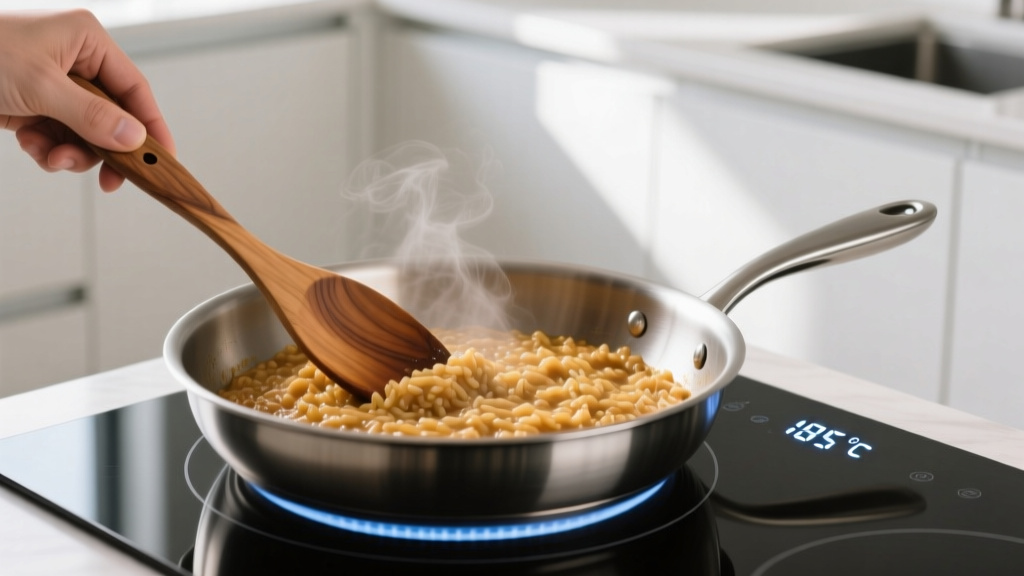
Investing in premium kitchen electronic gadgets—ranging from $1,500 smart induction ranges with glass-ceramic surfaces to $300 air fryers with delicate ceramic non-stick baskets—requires a fundamental shift in how you interact with your cookware. Metal utensils cause micro-abrasions on glass-ceramic induction zones and permanently scar ceramic non-stick coatings, voiding warranties and destroying the precise heat conduction these devices rely on. To protect your investment, transitioning to high-quality wooden kitchen utensils and bamboo cooking tools is not just a stylistic choice; it is a technical necessity.
This comprehensive buyer's guide cuts through the marketing fluff to evaluate the material science, thermal limits, and specific gadget pairings for botanical utensils in the modern smart kitchen.
Material Science: Bamboo vs. Hardwood for High-Tech Cookware
Not all wood is created equal. When scraping the bottom of a smart multi-cooker or flipping food on a precision griddle, the utensil must possess enough rigidity to move heavy proteins without splintering, yet remain softer than the cookware's surface. We measure this using the Janka Hardness Scale, which tests the force required to embed a steel ball into the wood.
| Material | Janka Hardness (lbf) | Thermal Limit | Best Gadget Pairing | Moisture Resistance |
|---|---|---|---|---|
| Olivewood | 2,710 | 400°F (204°C) | Smart Induction Cooktops | Exceptional (Tight grain) |
| Moso Bamboo | 1,380 | 350°F (176°C)* | Air Fryers & Smart Ovens | Moderate (Prone to splitting) |
| Teak | 1,155 | 380°F (193°C) | Sous Vide & Precision Pots | High (Natural silica oils) |
| Beechwood | 1,300 | 375°F (190°C) | Automated Soup Makers | Low (Requires frequent oiling) |
*Note: Bamboo's thermal limit is dictated by the adhesives used to bind the grass strips, not the bamboo itself. According to the Forest Stewardship Council (FSC), always verify that bamboo products use food-safe, formaldehyde-free polyurethane or soy-based glues, which degrade at higher temperatures than solid hardwoods.
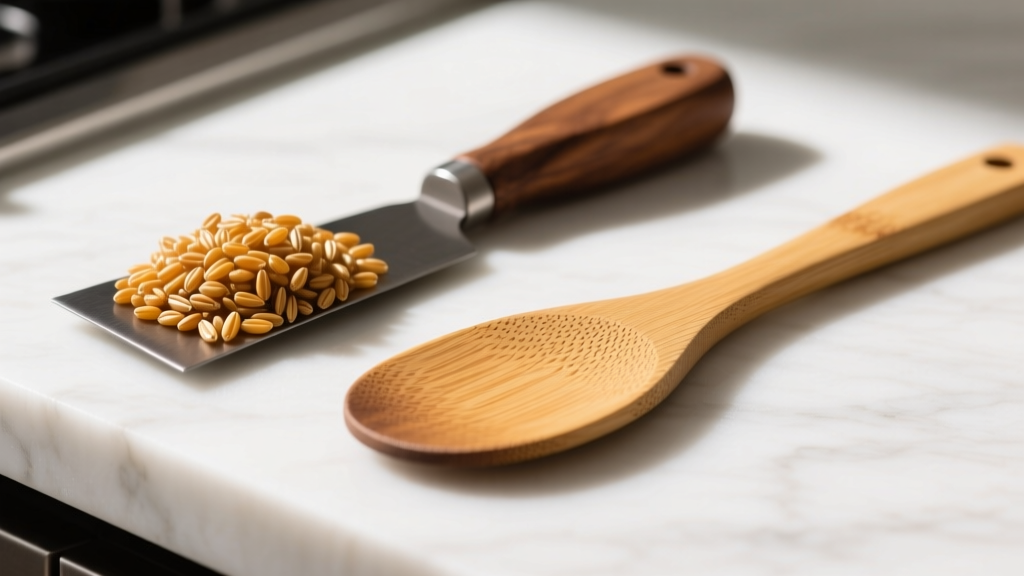
The 2026 Buyer’s Matrix: Top Tools for Specific Gadgets
Matching the utensil to the specific kitchen electronic gadget ensures optimal performance and surface preservation. Here are the exact models and specifications we recommend for today's leading smart appliances.
1. Smart Induction Cooktops (e.g., Breville Control Freak, Hestan Cue)
Induction cooktops rely on Schott Ceran glass-ceramic surfaces. Metal spatulas create microscopic scratches that can lead to thermal shock cracking when the glass rapidly heats or cools.
- The Pick: Jonathan's Spatula (Olivewood Fish Turner) - $38 - $45
- Why it Works: Carved from a single piece of Italian olivewood, it features an ultra-thin, flexible leading edge that slides under delicate proteins without scraping the glass. Its natural oils repel water, preventing the warping that occurs with cheaper woods when exposed to the intense, localized heat of induction zones.
2. Smart Air Fryers & Countertop Ovens (e.g., Ninja Foodi, June Oven)
Modern air fryers use ceramic non-stick coatings (PTFE-free) on their crisper plates. These coatings are highly susceptible to chipping when struck by rigid utensils.
- The Pick: Tojiro Bamboo Cooking Tongs (8-inch) - $18 - $22
- Why it Works: Unlike scalloped metal tongs that act like saw blades on non-stick surfaces, these bamboo tongs feature smooth, sanded, flat tips. The 8-inch length is specifically calibrated for the 5-to-8-quart baskets of standard smart air fryers, keeping your hands safely away from the 400°F convection heating elements.
3. Precision Sous Vide Cookers (e.g., Anova Precision, Breville Joule)
When managing large polycarbonate or stainless steel water baths for sous vide cooking, you need extended reach and high moisture resistance.
- The Pick: Helen's Asian Kitchen Bamboo Skimmer (15-inch handle) - $12 - $15
- Why it Works: Teak or high-density bamboo skimmers with brass wire mesh allow you to retrieve vacuum-sealed bags or blanch vegetables without transferring the metallic taste or risking a short-circuit if the utensil accidentally taps the electronic heating element's exposed casing.
⚠️ Edge Case Warning: Deep Frying & High-Heat Searing
Never use bamboo or wooden utensils for deep frying (oil temperatures exceeding 375°F/190°C) or when searing in a carbon steel wok on a high-BTU smart burner. At these temperatures, the food-safe mineral oils and natural resins in the wood will polymerize, smoke, and eventually cause the utensil to splinter or char, introducing carbon particulates into your food. Switch to high-grade silicone or stainless steel for these specific, high-heat applications.
Hygiene and Maintenance Protocol
A common misconception is that wood harbors more bacteria than plastic or metal. Research published by the USDA Food Safety and Inspection Service demonstrates that wood's capillary action actually draws bacteria down into the grain, where they die off, whereas plastic cutting boards and utensils harbor bacteria in deep knife scars. However, this requires proper maintenance to prevent the wood from drying out and cracking.
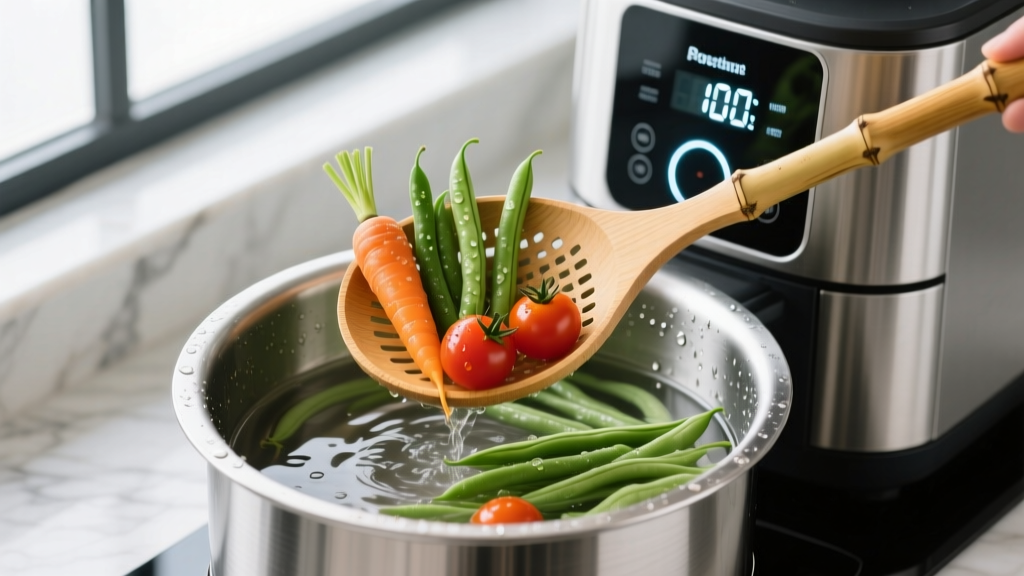
The 4-Step Mineral Oiling Framework
Do not use cooking oils (olive, canola, or vegetable oil) to treat your utensils. These oils contain unsaturated fats that will oxidize, turn rancid, and transfer a foul odor to your food. Use 100% food-grade mineral oil or fractionated coconut oil.
- Cleanse: Wash the utensil with warm water and a pH-neutral dish soap. Never use a dishwasher; the prolonged heat and harsh detergents will strip the wood's cellular structure and melt bamboo adhesives.
- Dry: Towel dry immediately, then stand the utensil upright in a well-ventilated rack for 2 hours to ensure the end-grain is completely moisture-free.
- Apply: Rub exactly 1 tablespoon of food-grade mineral oil (e.g., Howard's Cutting Board Oil, ~$12 for 8oz) into the wood using a lint-free cloth, moving in the direction of the grain. Pay special attention to the leading edges and end-grains, which act as moisture sponges.
- Cure: Let the utensil rest horizontally on a wire rack for a minimum of 4 hours (overnight is optimal) to allow the oil to penetrate the cellular walls. Buff off any excess with a dry cloth.
Sourcing and Sustainability Certifications
When purchasing bamboo cooking tools, the environmental and health impact of the manufacturing process is paramount. Bamboo is a rapidly renewable grass, but the chemical binders used to press it into solid utensils can be problematic. Always look for the FSC (Forest Stewardship Council) logo, which guarantees the bamboo was harvested responsibly and processed without toxic urea-formaldehyde resins. For hardwoods like teak and olivewood, seek brands that utilize reclaimed wood from retired orchards or furniture, ensuring no old-growth forests are depleted to manufacture your kitchen tools.
Frequently Asked Questions
Can I use wooden spoons in a smart soup maker or automated blender?
No. Automated soup makers and smart blenders (like the Thermomix or Vitamix A3500) rely on high-speed, razor-sharp stainless steel blades. A wooden spoon caught in the vortex will be instantly shredded, ruining the food and potentially damaging the motor. Only use the manufacturer-provided silicone or hard plastic spatulas designed with safety clearances for these specific gadgets.
How often should I oil my bamboo tongs?
Bamboo is technically a grass and is more porous than dense hardwoods like teak or olive. If you use your bamboo tongs daily, oil them once every three weeks. If the bamboo starts to look pale, gray, or feels rough to the touch, it has lost its moisture barrier and requires immediate conditioning.
Are wooden utensils safe for non-stick smart griddles?
Yes, hardwood utensils with smoothly sanded, rounded edges are the safest option for non-stick smart griddles (like the Zojirushi electric griddle). They provide the rigidity needed to flip pancakes and burgers without the scratching risk associated with metal, and they won't melt against the griddle's surface like cheap plastic or nylon alternatives.
Written by
Sarah KimSarah Kim holds certifications from both NASM (National Academy of Sports Medicine) and ACE (American Council on Exercise), along with a B.S. in Kinesiology from UCLA. She has spent 7 years bridging the gap between exercise science and consumer technology, evaluating fitness trackers, smart scales, sleep monitors, and recovery devices with clinical precision. Sarah has tested over 200 health-focused wearables in controlled lab settings and real-world training environments, comparing device data against gold-standard medical equipment like ECG monitors and DEXA scans. She consults for three fitness app companies on data accuracy standards and has presented research on wearable reliability at the American College of Sports Medicine (ACSM) annual conference. Her reviews emphasize clinical validity over marketing claims.