Smart Entry Security 2026: Best USB Gadgets NZ Hubs For Smart Locks
Explore 2026 smart lock trends in New Zealand. Discover how USB gadgets, NZ-specific hubs, and UWB tech are revolutionizing home entry security.
The Evolution of Entry-Point Security in Aotearoa
As we navigate through 2026, the New Zealand smart home market has matured significantly, shifting away from cloud-reliant novelties toward robust, locally processed security ecosystems. For Kiwi tech enthusiasts, the front door is no longer just a physical barrier; it is a highly orchestrated digital checkpoint. The days of Wi-Fi-enabled deadbolts that drain batteries in three months and fail during broadband outages are behind us. Today, the focus is on ultra-low-latency protocols like Thread and Matter 1.3, combined with Ultra-Wideband (UWB) spatial awareness.
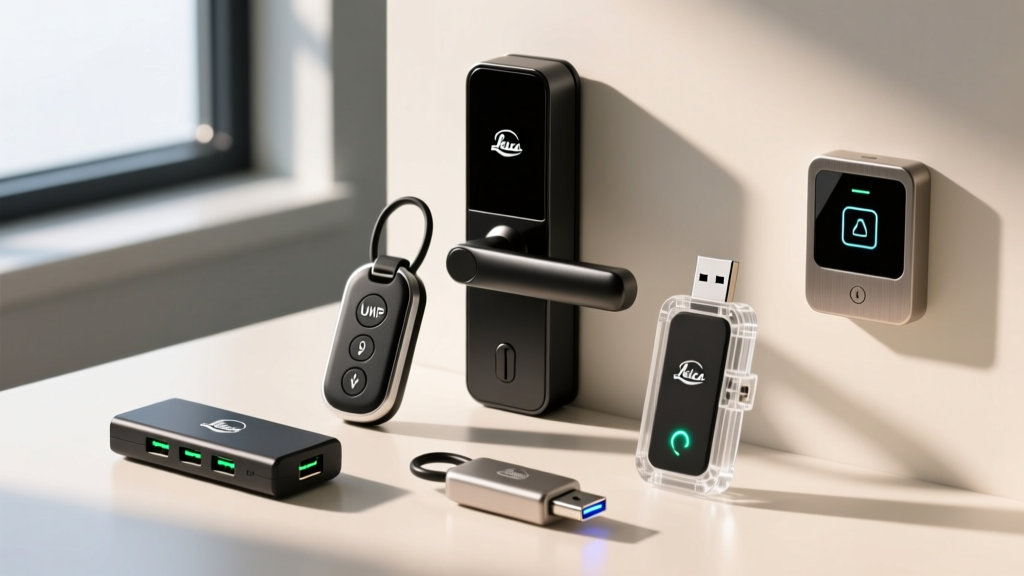
However, integrating these advanced locks into a local mesh network requires the right bridging hardware. This necessity has driven a massive spike in local search queries for usb gadgets nz as enthusiasts hunt for local Zigbee and Thread dongles to anchor their home automation setups. In this trend report, we break down the current state of smart entry-point gadgets, the critical role of USB-powered hubs, and what the future holds for home security in New Zealand.
Why Local USB Hubs Are the Missing Link
While the smart locks themselves are typically battery-powered, the infrastructure that makes them secure and responsive relies heavily on USB-powered border routers and mesh coordinators. According to recent market analyses covered by Stuff.co.nz Technology, New Zealand homeowners are increasingly prioritizing local control over cloud-based ecosystems to mitigate latency and privacy concerns.
The Shift from Cloud to Edge
When you purchase a premium lock like the Aqara U200 or the Yale Linus L2, you are buying into a low-power mesh network (Thread or Zigbee). These protocols cannot communicate directly with your IP router. They require a border router. For the serious enthusiast running Home Assistant or a localized smart home server, dedicated USB coordinators are the gold standard.
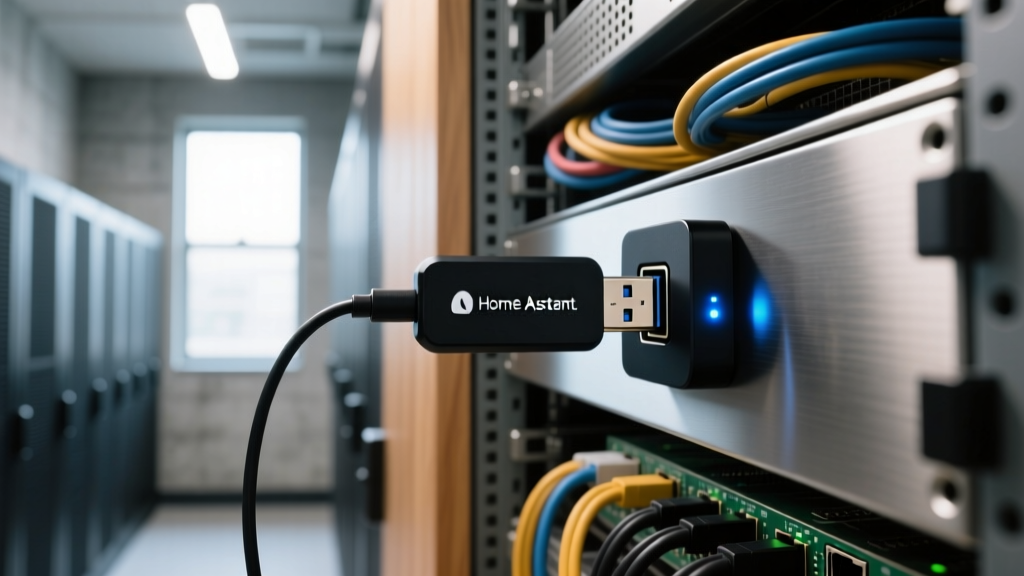
- Home Assistant Connect ZBT-1: Powered by the Silicon Labs EFR32MG24 chip, this USB-C dongle is currently the premier choice for NZ enthusiasts running Thread and Zigbee concurrently. It plugs directly into a Raspberry Pi 5 or an Intel NUC acting as a local server.
- Sonoff Zigbee 3.0 USB Dongle Plus (CC2652P): A budget-friendly but highly reliable alternative, featuring an external antenna that punches through the insulated walls of modern NZ builds, ensuring your front door lock never drops off the mesh.
These specific USB gadgets act as the central nervous system for your entryway security, translating the lock's encrypted mesh signals into actionable automations on your local network without ever pinging an overseas server.
2026 Smart Lock & USB Hub Comparison Matrix
To help you navigate the current hardware landscape, we have compiled a decision framework based on the most popular entry-point setups available through local retailers like PB Tech and Mighty Ape. Prices are estimated in NZD and reflect early 2026 market rates.
| Ecosystem | Lock Model | Required USB Hub / Gadget | Protocol | Approx. NZD Price (Total) |
|---|---|---|---|---|
| Home Assistant | Aqara U200 | Connect ZBT-1 (USB-C) | Matter / Thread | $750 - $820 |
| Apple Home | Yale Linus L2 | Apple TV 4K (Internal Thread) | Thread | $650 - $700 |
| SwitchBot | Lock Pro | SwitchBot Hub 2 (USB-C Powered) | BLE / Matter | $450 - $520 |
| Zigbee2MQTT | Danfoss Ally / Generic | Sonoff CC2652P USB Dongle | Zigbee 3.0 | $300 - $380 |
UWB and Edge AI: The Next Frontier
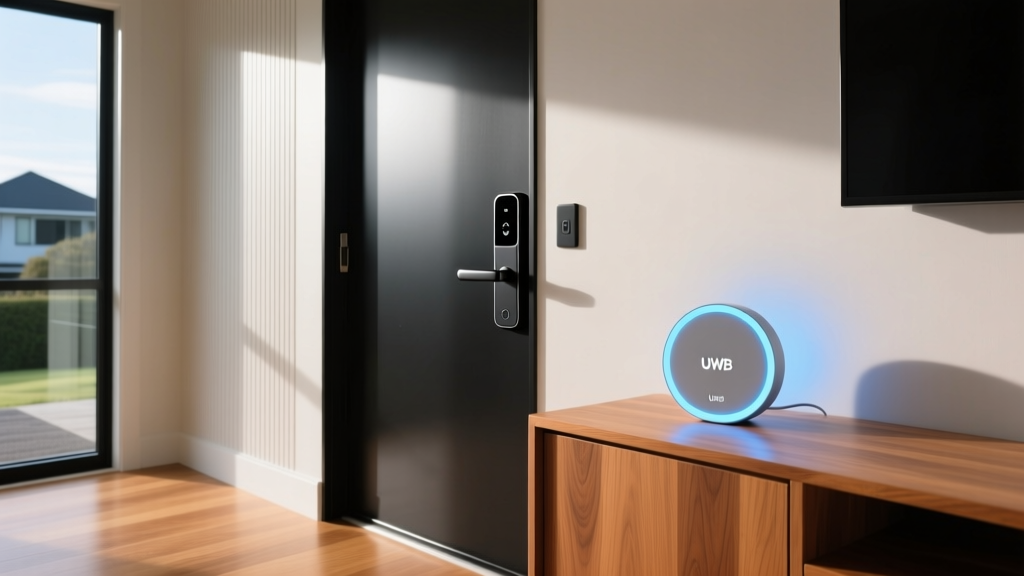
The most significant leap in 2026 entry security is the widespread adoption of Ultra-Wideband (UWB) technology. Unlike Bluetooth Low Energy (BLE), which can be spoofed and suffers from signal degradation, UWB offers centimeter-level spatial accuracy. This means your door will only unlock when your phone or UWB key fob is literally within 10 centimeters of the lock face, completely eliminating 'relay attacks' where thieves amplify your car or house key signal from inside your home.
'The integration of UWB in residential smart locks is the most critical security upgrade since the invention of the anti-snap cylinder. It transitions the lock from a passive receiver to an active spatial sensor.' - Ars Technica Gadgets Security Review, 2026.
Desktop UWB Dongles for Access Management
For enthusiasts who manage property access via desktop dashboards or run localized security nodes, the market has seen an influx of USB-C UWB anchors. These small USB gadgets plug into local terminals to create an indoor positioning mesh, allowing the home automation system to know exactly who is approaching the door based on their unique UWB wearable or smartphone, adjusting interior lighting and HVAC zones before the door even opens.
Power Resilience: USB-C Backup Solutions
New Zealand's unique environmental challenges, from severe weather events in the North Island to seismic shifts in the South Island, demand resilience. A smart lock is useless if the internal battery dies and you are locked out. While most modern locks feature emergency mechanical key overrides, the 2026 trend is USB-C emergency power delivery.
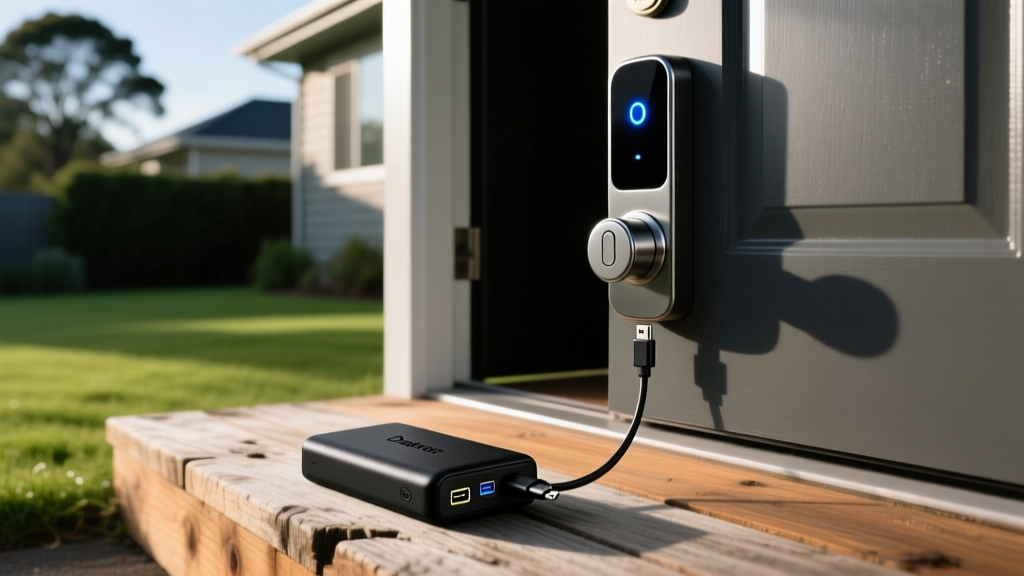
Leading manufacturers now include concealed, weather-sealed USB-C ports on the exterior escutcheon. If the internal 4x CR123A lithium batteries fail, you can plug in any standard USB-C power bank to temporarily power the lock's motor and Bluetooth module, allowing you to authenticate and retract the 60mm deadbolt. For continuous off-grid setups, some enthusiasts are even wiring low-voltage USB-C solar trickle chargers to exterior gates, ensuring 100% uptime for secondary entry points.
The Backset Challenge in NZ Homes
A crucial, often overlooked detail for local buyers is the door backset. US-standard smart locks are typically designed for a 70mm (2-3/4 inch) backset. However, standard New Zealand residential doors predominantly use a 60mm backset. Importing a 'global' version of a US lock without verifying the latch assembly will result in a misaligned deadbolt that binds against the strike plate, draining the lock's battery in weeks due to motor strain. Always verify the inclusion of a 60mm adjustable latch when sourcing entry gadgets locally.
FAQ: Upgrading Your NZ Entryway
Do I need a USB hub if my smart lock supports Matter over Thread?
Yes, Thread devices require a Thread Border Router to bridge the mesh network to your IP network. While some smart speakers have this built-in, dedicated USB coordinators plugged into a local server offer vastly superior range, stability, and privacy for enthusiast-grade setups.
Are smart locks legal for fire egress in New Zealand?
Under the NZ Building Code, any lock on a primary egress door must be operable from the inside without a key. All reputable smart locks sold locally feature a mechanical thumb-turn on the interior escutcheon to comply with fire safety regulations, ensuring you can exit instantly during an emergency.
How does Matter 1.3 improve smart lock security?
As detailed by the Connectivity Standards Alliance (CSA), Matter 1.3 introduces enhanced device attestation and localized credential management, ensuring that even if your broader home network is compromised, the cryptographic keys governing your smart lock remain isolated and secure.
Written by
Emma LarssonEmma Larsson holds an M.A. in International Relations from Sciences Po Paris and a B.A. in Communications from Stockholm University. A digital nomad since 2017, she has worked from over 45 countries across six continents, building deep expertise in portable power solutions, travel routers, compact computing, and connectivity gadgets that survive international travel. Emma is a certified member of the Travel Technology Association and has advised three travel gear startups on product-market fit for remote workers. Her reviews evaluate products against real travel scenarios — TSA compliance, voltage compatibility across 200+ countries, durability through 50+ checked bag cycles, and battery life under airplane mode vs. active use. She has been featured in Condé Nast Traveler's "Tech-Savvy Traveler" series and speaks at Remote Work Summit events.