Unique Gadgets in Portable Audio: Solving Real Sound Problems
Discover unique gadgets in portable audio that solve real-world sound problems. From open-ear acoustics to modular Bluetooth speakers, find practical picks.
The Core Flaws of Standard Portable Audio
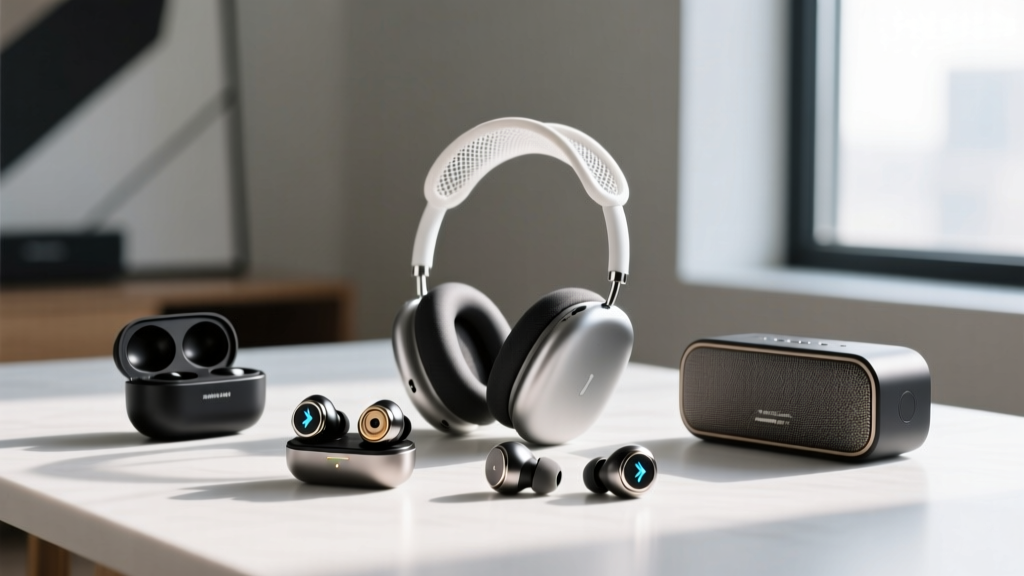
Most consumer Bluetooth speakers fail in three specific scenarios: off-grid battery depletion, environmental destruction, and situational audio blindness. Standard 20W cylindrical speakers with glued-in lithium-ion cells and basic IP54 splash resistance are fundamentally insufficient for rigorous tech enthusiasts. In 2026, the portable audio market has shifted toward modular power systems, open-ear acoustics, and advanced LE Audio broadcasting. This guide bypasses generic roundup lists to diagnose specific audio friction points and pair them with unique gadgets engineered to solve them.
Problem 1: The Off-Grid Battery Cliff
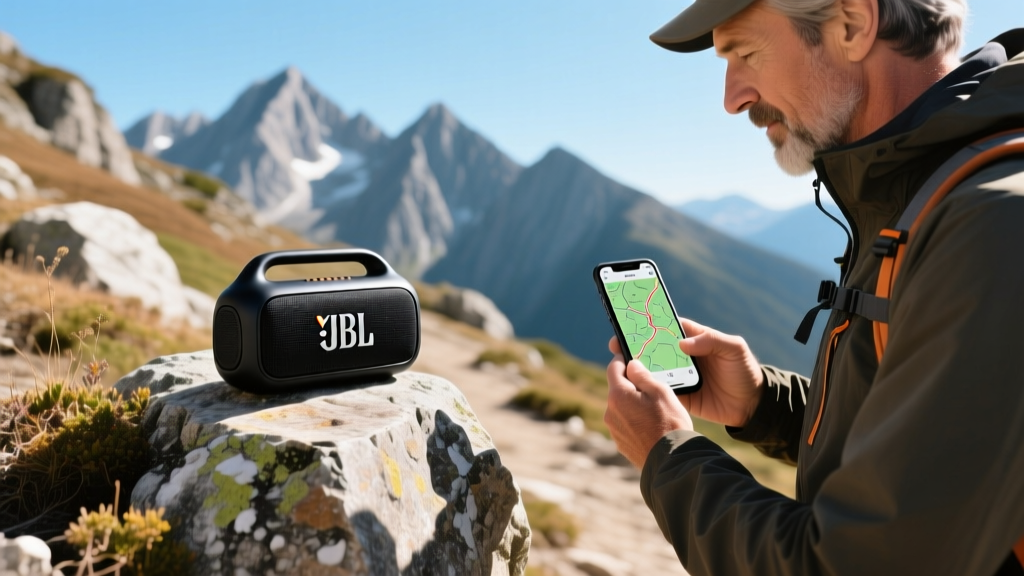
The Fix: JBL Xtreme 4 (User-Replaceable Power)
The most common failure point for portable audio on multi-day trips is the non-replaceable lithium-ion cell. Once a standard speaker degrades or dies in the field, the entire unit becomes e-waste. The JBL Xtreme 4 ($379) solves this with a user-swappable 36Wh (7500mAh equivalent) battery pack.
- Capacity & Runtime: Delivers up to 24 hours of playback at 30% volume, or roughly 6 hours at 80% volume with AI Sound Boost engaged.
- Powerbank Functionality: The removable battery features integrated USB-C output, allowing it to charge a smartphone at 15W independently of the speaker.
- Edge Case Warning: While third-party replacement batteries are available on aftermarket sites for around $40, they often lack the internal thermistor calibration required by JBL's BMS (Battery Management System). Using uncertified cells can trigger thermal throttling, reducing max volume by 50% to prevent overheating. Stick to the official $79 replacement cells for full performance.
Problem 2: Audio Bleed and Situational Blindness
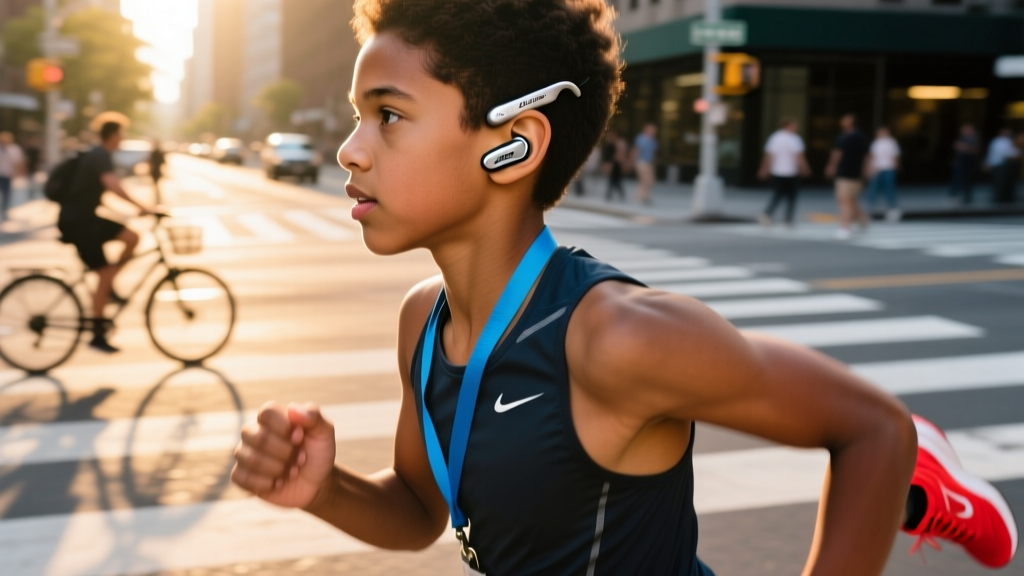
The Fix: Bose Ultra Open Earbuds (Acoustic Transparency)
Bone conduction headphones have long been the default for trail runners and cyclists needing situational awareness, but they suffer from severe bass cancellation and cheekbone vibration fatigue above 70dB. The Bose Ultra Open Earbuds ($299) bypass the skull entirely, using a clip-on dipole acoustic design that fires sound directly into the ear canal while leaving the tympanic membrane open to ambient noise.
By utilizing a rear-facing port with inverted phase output, these earbuds cancel out backward sound leakage. This solves the 'annoying coworker' problem in open offices, where standard open-ear designs bleed high frequencies into shared spaces. However, the IPX4 rating means they can handle sweat and light rain, but submersion will destroy the internal micro-acoustic mesh.
With the widespread 2026 rollout of Bluetooth Auracast, you no longer need to hand over your phone to share audio. Auracast allows a single source device to broadcast uncompressed audio to an unlimited number of receivers in the vicinity. If you are traveling with a companion, look for portable speakers and earbuds that support LE Audio broadcasting to sync your listening experience without the latency of traditional Bluetooth pairing.
Problem 3: Environmental Destruction (Water, Dust, Drops)
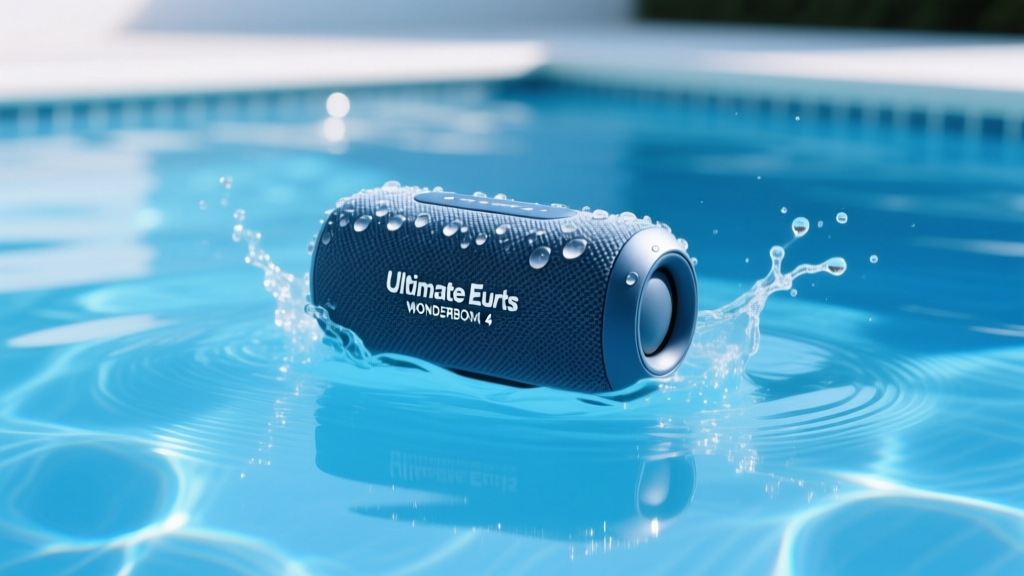
The Fix: Ultimate Ears WONDERBOOM 4
Many manufacturers claim 'waterproof' status, but fail to account for hydrostatic pressure changes or physical impacts. The Ultimate Ears WONDERBOOM 4 ($99) is engineered specifically for chaotic environments, featuring a true IP67 rating and a 100-foot drop certification.
- IP67 vs IP68: Under IEC 60529 standards, IP67 guarantees survival at 1 meter of depth for 30 minutes. While IP68 sounds superior, it requires the manufacturer to define the depth, and the thicker acoustic membranes required for deep-water pressure often muffle high frequencies. IP67 is the optimal sweet spot for audio fidelity and water resistance.
- Acoustic Buoyancy: The internal chassis is sealed with micro-cellular foam, allowing the 420g speaker to float upright, keeping the passive radiators above the water line for uninterrupted sound.
- Outdoor Boost 2.0: A dedicated DSP profile that increases mid-range output by 3dB and extends high-frequency roll-off, compensating for the lack of boundary reinforcement when placed in open fields.
Portable Audio Problem-Solver Matrix
| Gadget | Primary Problem Solved | Key Spec | Price (2026) |
|---|---|---|---|
| JBL Xtreme 4 | Off-grid battery depletion | 36Wh Swappable Cell | $379 |
| Bose Ultra Open | Situational blindness / Audio bleed | Dipole Open-Ear Design | $299 |
| UE WONDERBOOM 4 | Hydrostatic / Impact destruction | IP67 / 100ft Drop | $99 |
Edge Cases: Codec Mismatches and Multipoint Failures
Even the most advanced unique gadgets will suffer from poor audio quality or connection drops if the underlying Bluetooth protocols are mismanaged. Understanding LE Audio and legacy codec limitations is critical for troubleshooting.
The Multipoint Ping Drop
Bluetooth multipoint allows a speaker or headset to connect to two devices simultaneously. However, a common failure mode occurs when a secondary device (like a laptop) receives a background notification. The Bluetooth stack prioritizes the Hands-Free Profile (HFP) over the Advanced Audio Distribution Profile (A2DP). This forces the primary media stream to pause or drop to mono telephone quality, even if you don't interact with the notification. The Fix: Disable system sounds and background notifications on your secondary multipoint device, or restrict multipoint to one primary media device and one dedicated communication device.
Codec Stacking and Bitrate Starvation
High-res codecs like LDAC (up to 990kbps) and aptX Adaptive require pristine RF environments. In crowded 2.4GHz spaces (like festivals or transit hubs), attempting to force a 990kbps LDAC connection will result in aggressive packet loss and audio stuttering. Modern Android devices utilize 'Adaptive Bitrate' scaling, but iOS devices do not natively support LDAC or aptX, defaulting to AAC (256kbps). If you are an iOS user, spending a premium on LDAC-certified speakers yields zero information gain; prioritize speakers with excellent AAC implementation and custom DSP tuning instead.
Before taking any new portable audio gadget off-grid, perform a full firmware update while connected to stable Wi-Fi and a wall charger. Interrupting a DSP firmware flash due to a low battery is the leading cause of logic board bricking in modern smart speakers, rendering the unit completely unresponsive to hard resets.
Final Verdict: Match the Gadget to the Friction Point
Stop buying portable audio based on wattage claims. Identify the exact environmental friction point you face most often. If you are consistently running out of power in the backcountry, the modular architecture of the JBL Xtreme 4 is mandatory. If you need to maintain spatial awareness without sacrificing bass response, the Bose Ultra Open's dipole engineering is currently unmatched. For pure, chaotic environmental abuse, the UE WONDERBOOM 4 remains the most cost-effective insurance policy against water and gravity. Select the tool that solves your specific acoustic problem.
Written by
Emma LarssonEmma Larsson holds an M.A. in International Relations from Sciences Po Paris and a B.A. in Communications from Stockholm University. A digital nomad since 2017, she has worked from over 45 countries across six continents, building deep expertise in portable power solutions, travel routers, compact computing, and connectivity gadgets that survive international travel. Emma is a certified member of the Travel Technology Association and has advised three travel gear startups on product-market fit for remote workers. Her reviews evaluate products against real travel scenarios — TSA compliance, voltage compatibility across 200+ countries, durability through 50+ checked bag cycles, and battery life under airplane mode vs. active use. She has been featured in Condé Nast Traveler's "Tech-Savvy Traveler" series and speaks at Remote Work Summit events.