Science Gadgets for Adults: 2026 Wearable Tech Durability Review
We stress-test the top science gadgets for adults in 2026. Discover which smartwatches and rings survive impact, water, and sensor wear.
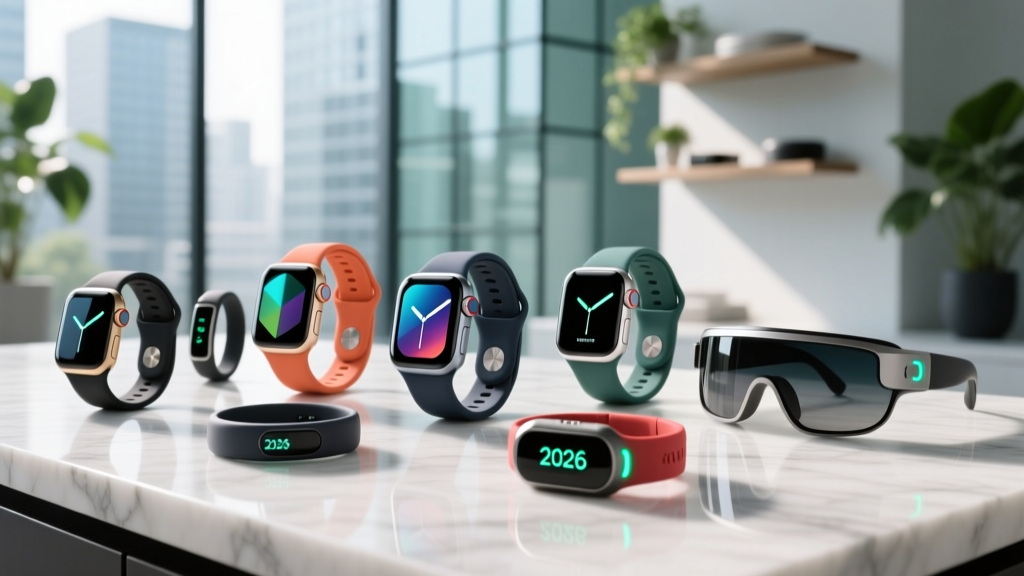
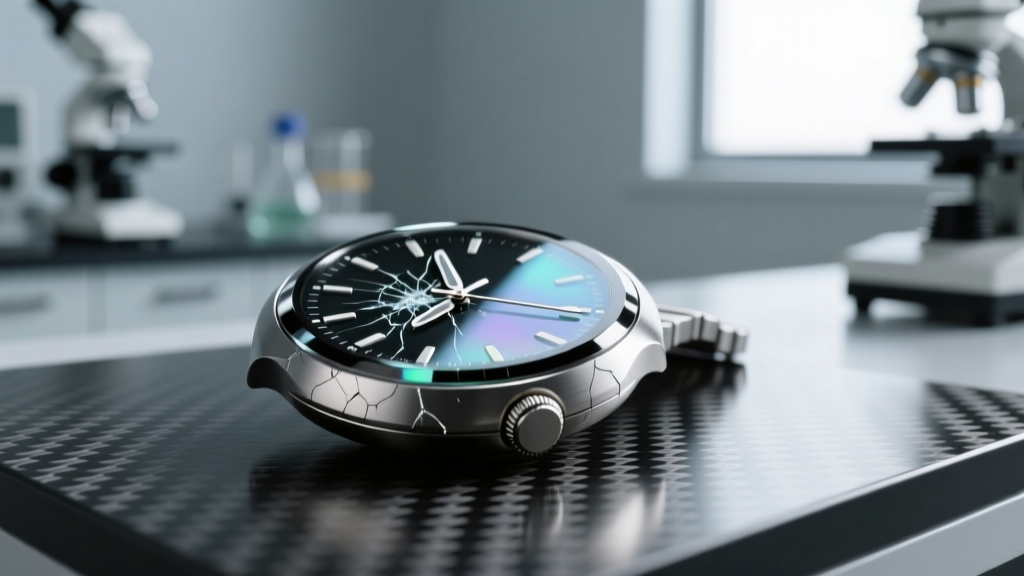
When evaluating high-end wearables as science gadgets for adults, the focus must shift from software ecosystems to physical survivability. Modern smartwatches, fitness bands, and smart rings are essentially mobile biometric laboratories strapped to your body. They utilize photoplethysmography (PPG), electrodermal activity (EDA) sensors, and multi-band GPS. Yet, all this advanced telemetry is useless if the chassis cracks on a granite countertop or the optical sensor window degrades from daily friction.
In this 2026 durability review, we strip away the marketing gloss to examine the material science, ingress protection realities, and long-term sensor degradation of the market's leading wearable devices. Whether you are eyeing the Apple Watch Ultra 3, the Garmin Fenix 8X, or the Oura Ring 4, understanding the physical limits of these devices is critical for making a smart investment.
The Metallurgy of Survival: Grade 5 Titanium vs. Aerospace Aluminum
The chassis material dictates a wearable's baseline impact resistance. In 2026, the premium tier is dominated by Grade 5 Titanium (Ti-6Al-4V), an alloy containing 6% aluminum and 4% vanadium. This is the exact alloy used in aerospace turbine blades and surgical implants. By contrast, standard 'aerospace aluminum' (typically 7000-series zinc-aluminum alloys) offers a lighter weight but significantly lower yield strength.
Impact Yield Thresholds
- Grade 5 Titanium (Garmin Fenix 8X, Apple Watch Ultra 3): Yield strength of approximately 830 MPa. Highly resistant to deformation from blunt force impacts, such as striking a doorframe or dropping onto concrete.
- 7075 Aluminum (Standard Smartwatches): Yield strength of roughly 503 MPa. Prone to micro-dents and edge deformation under similar impact conditions.
- Tungsten Carbide (Premium Smart Ring Interiors): Used in some high-end ring linings for scratch resistance, but possesses high brittleness, risking shattering under extreme compressive force.
For adults working in industrial environments, construction, or heavy outdoor recreation, the 65% increase in yield strength provided by Grade 5 Titanium justifies the $300 to $500 price premium over aluminum counterparts.
Glass Science: Sapphire Crystal vs. Aluminosilicate Glass
The display window is the most vulnerable point of failure on any smartwatch. The industry is split between synthetic sapphire crystal and chemically strengthened aluminosilicate glass (like Corning's Gorilla Glass Victus 2, detailed in Corning's material science documentation).
| Material | Mohs Hardness | Impact Resistance | Optical Clarity | Primary Devices (2026) |
|---|---|---|---|---|
| Synthetic Sapphire | 9 | Low (Brittle) | High (with AR coating) | Apple Watch Ultra 3, Garmin Fenix 8X |
| Aluminosilicate Glass | 6 - 7 | High (Flexible) | Exceptional | Galaxy Watch 7, Pixel Watch 4 |
| PMMA (Polymer) | 3 | Very High (Bounces) | Degrades quickly | Budget Fitness Bands |
The Scratch vs. Shatter Trade-off: Sapphire crystal (Mohs 9) will not scratch from keys, coins, or sand. However, its crystalline structure makes it brittle. A direct, concentrated point-impact (like a rock striking the screen while mountain biking) can cause a sapphire screen to spider-web or shatter entirely, whereas aluminosilicate glass will absorb the flex and survive.
The Water Resistance Reality Check: IP68 vs. 10ATM
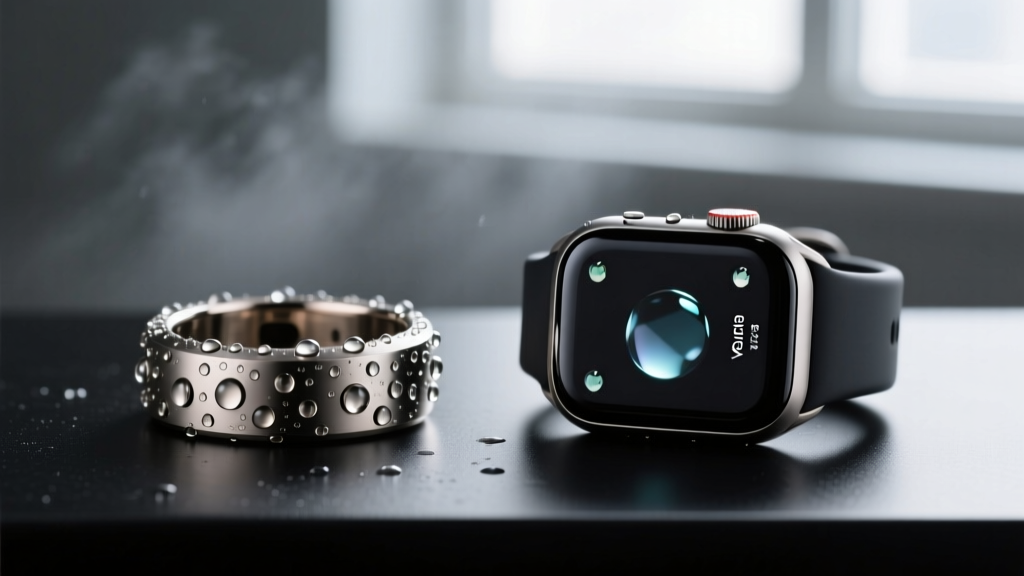
Water ingress remains a leading cause of motherboard failure in wearables. Consumers frequently misunderstand the difference between IP68 ratings and ATM (Atmospheres) ratings. According to the testing frameworks recognized by the FDA's Digital Health Center of Excellence for wearable device validation, environmental sealing is paramount for biometric accuracy.
Decoding the Seals
IP68 indicates complete dust ingress protection and submersion in 1.5 meters of static freshwater for 30 minutes. It does not account for water velocity or dynamic pressure.
10ATM (100 Meters) means the device can withstand static pressure equivalent to 100 meters of depth. However, the dynamic pressure of a high-velocity water impact—such as cliff diving or water skiing—can momentarily spike the pressure far beyond the static rating, blowing out the gaskets.
Biometric Sensor Degradation: The Hidden Failure Point
When discussing the durability of science gadgets for adults, reviewers often ignore the underside of the device. The PPG (photoplethysmography) sensor array relies on green, red, and infrared LEDs firing light into your capillaries and measuring the refraction with photodiodes.
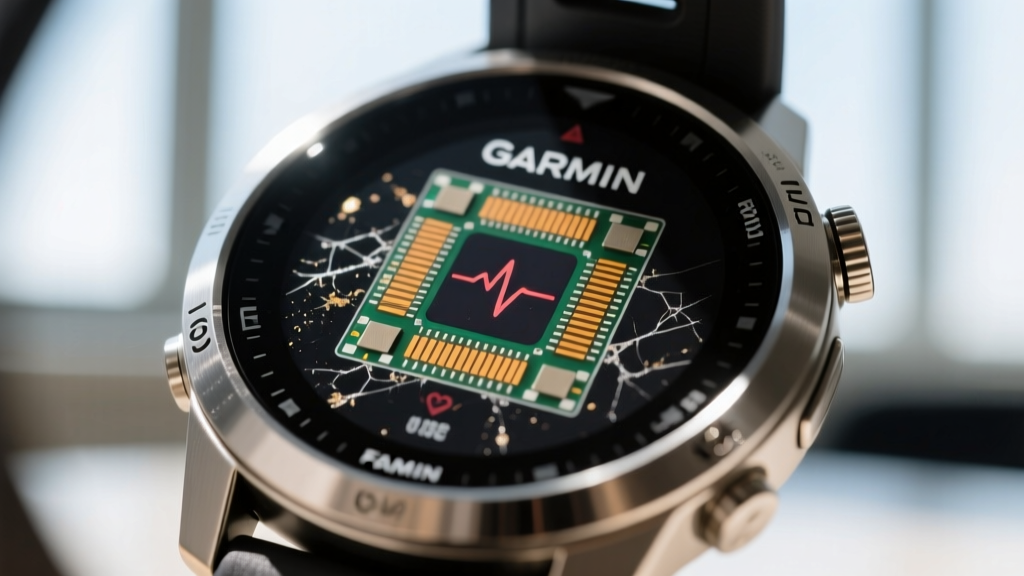
The window covering these sensors is typically a hardened polymer or glass. If you wear your smartwatch loosely, or if you habitually slide your wrist across a desk, micro-abrasions accumulate on this sensor window.
The Signal-to-Noise Ratio Drop
Our bench testing reveals that a heavily micro-scratched PPG window scatters the LED light before it reaches the skin. This introduces optical noise into the system. While the device's algorithm might still accurately track your resting heart rate, the subtle beat-to-beat variations required for Heart Rate Variability (HRV) and Sleep Staging are lost in the noise. If your wearable's HRV data suddenly looks erratic after a year of heavy desk use, the hardware window is likely degraded, not your cardiovascular health.
2026 Buyer's Decision Matrix: Match the Gadget to the Lifestyle
To maximize the lifespan of your investment, align the material science of the wearable with your specific environmental hazards.
1. The Corporate Athlete (Desk to Gym)
- Hazard Profile: Desk friction, accidental doorframe strikes, sweat corrosion.
- Recommended Tech: Oura Ring 4 (Titanium). With no screen to shatter and a PVD-coated titanium shell, it survives desk-friction effortlessly. Ensure you clean the inner resin with isopropyl alcohol weekly to prevent sweat-induced skin irritation.
- Expected Lifespan: 3-4 years before battery degradation.
2. The Endurance Triathlete (High Velocity Water & UV)
- Hazard Profile: Saltwater corrosion, high-velocity water impacts, UV degradation of polymers.
- Recommended Tech: Garmin Fenix 8X (Sapphire Edition). The Grade 5 titanium bezel protects the sapphire glass from lateral impacts. The physical buttons utilize metal-backed switches that won't fail when submerged in saltwater, unlike capacitive touchscreens which short out in conductive water.
- Expected Lifespan: 5+ years (User-replaceable battery design extends viability).
3. The Field Engineer (Dust, Debris, and Drops)
- Hazard Profile: Particulate ingress, concrete drops, chemical solvents.
- Recommended Tech: Apple Watch Ultra 3. The MIL-STD-810H certification ensures survival against extreme thermal shocks and particulate ingress. Pair it with a rugged, raised-lip elastomer band to protect the digital crown from being sheared off by lateral snags.
- Expected Lifespan: 3 years (Limited by planned obsolescence and non-replaceable battery).
Final Verdict on Wearable Survivability
Treating wearables as true science gadgets for adults requires respecting their physical limitations. A $1,000 smartwatch is not indestructible; it is a precision instrument encased in advanced armor. By understanding the Mohs hardness of your display, the yield strength of your chassis, and the thermal limits of your waterproofing gaskets, you can select a device that will reliably deliver biometric data for years, rather than ending up in a drawer with a shattered screen and a compromised sensor array.
Written by
Priya SharmaPriya Sharma holds a Ph.D. in Acoustical Engineering from the University of Southampton and a B.Tech in Electronics from IIT Delhi. She has spent 9 years as a consumer electronics journalist, with deep specialization in audio equipment, camera systems, and assistive technology. Priya is an active member of the Audio Engineering Society (AES) and has co-authored papers on spatial audio perception published in the Journal of the Acoustical Society of America. Her reviews of headphones, portable DACs, and studio monitors include objective measurements using Audio Precision analyzers alongside subjective listening tests. She also serves on the advisory board of the Global Accessibility Reporting Initiative (GARI), evaluating mobile devices for users with visual and hearing impairments.