Coolest Wearables Since the New Gadgets July 2025 Drops
Discover the most unique wearable tech and smart ring upgrades that outshine the new gadgets July 2025 introduced. Expert picks and deep dives.
The Post-Hype Reality of Wearable Tech
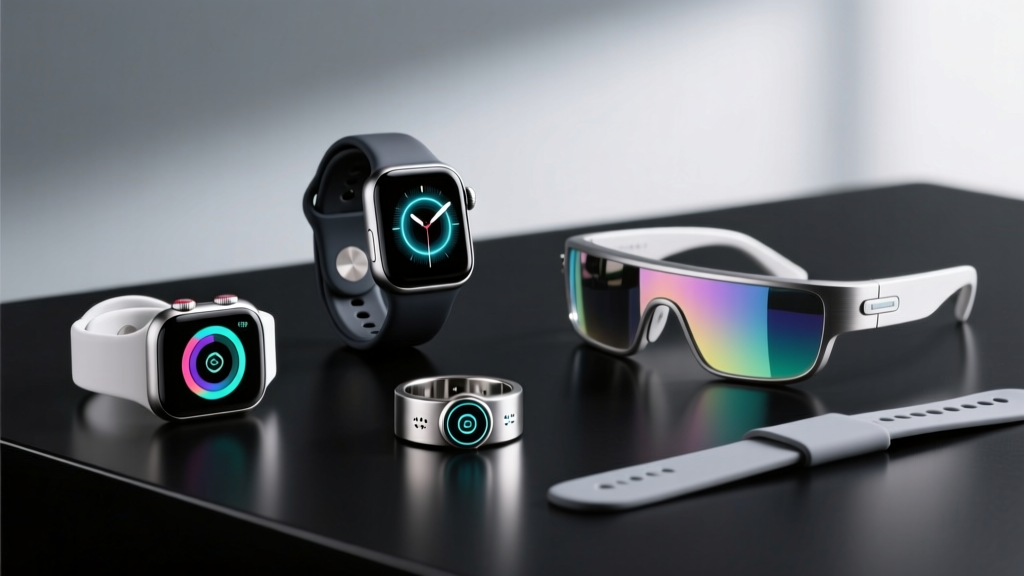
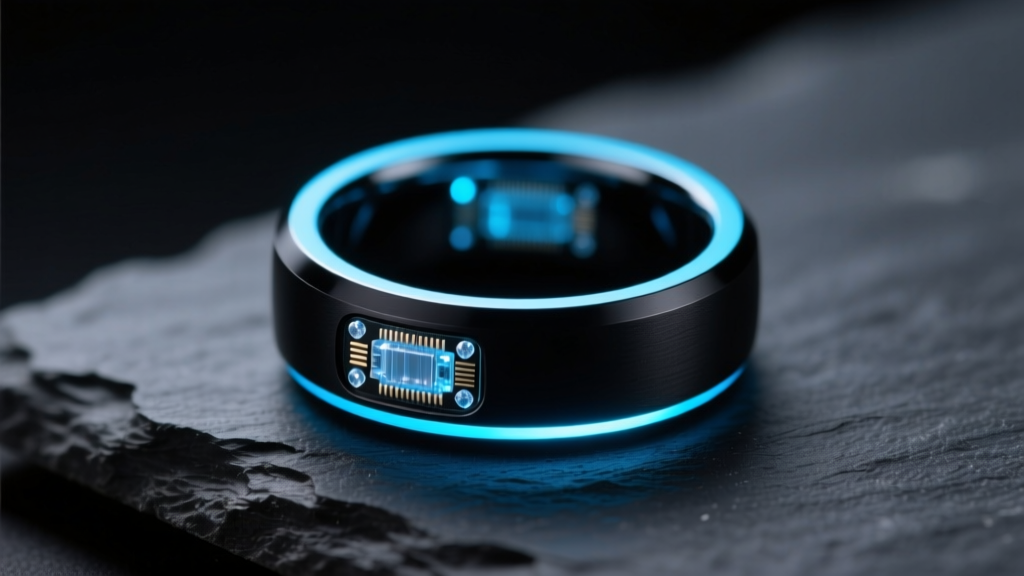
The wearable technology landscape has undergone a radical transformation over the last twelve months. While mainstream tech blogs were busy compiling lists of the new gadgets July 2025 had to offer—mostly focusing on incremental smartphone camera bumps and smart home hubs—the wearable sector was quietly executing a massive paradigm shift. We have officially moved past the era of the 'do-everything' smartwatch. Today, the most exciting innovations in wearable tech are hyper-specialized, deeply integrated with biometric AI, and focused on invisible computing.
As we navigate 2026, the market has splintered into distinct, highly refined categories. Smart rings have finally conquered the mainstream, continuous non-invasive diagnostics have moved from lab prototypes to consumer wrists, and AR-integrated haptics are redefining spatial computing. For the true tech enthusiast, the goal is no longer to wear a miniature smartphone on your wrist; it is to seamlessly merge physiological data and digital overlays with your physical environment. Here is a deep dive into the coolest, most unique wearable finds that are defining the current era.
The Smart Ring Form Factor Finally Matures
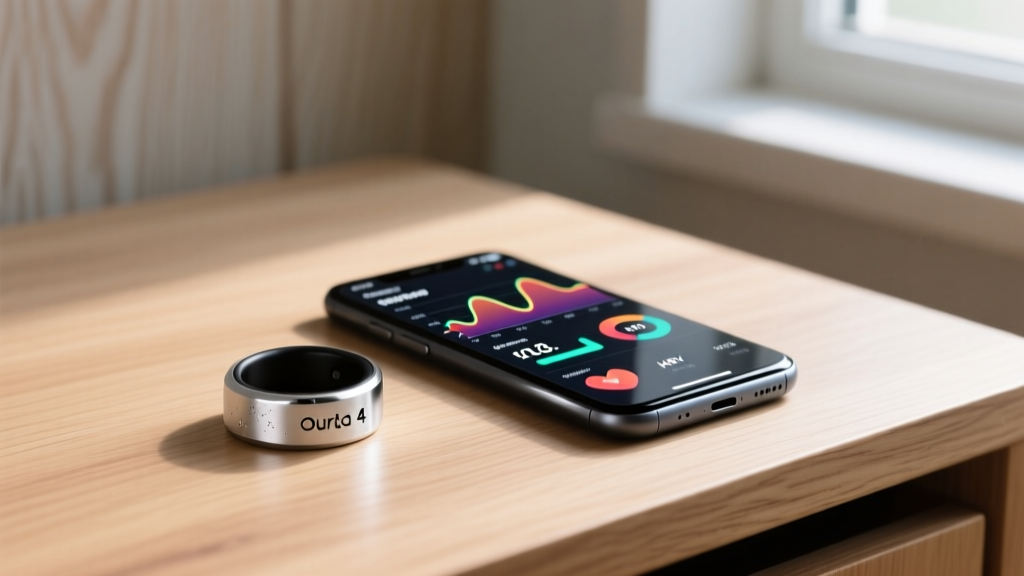
For years, smart rings were niche novelty items plagued by thick profiles, fragile sensors, and aggressive subscription models. That changed dramatically with the latest hardware revisions. The battle for finger real estate has distilled into a fierce rivalry between the Oura Ring 4 and the Samsung Galaxy Ring 2, both of which have solved the critical pain points of previous generations.
Specification Matrix: The Heavyweights
| Feature | Oura Ring 4 (Titanium) | Samsung Galaxy Ring 2 |
|---|---|---|
| Material | Grade 5 Titanium | Titanium with Ceramic Core |
| Thickness | 8.1mm (Tapered) | 7.2mm (Uniform) |
| Weight | 4.5g | 3.8g |
| Battery Life | 7-8 Days | 6-7 Days |
| Key Sensor | 18 Signal Pathways (PPG) | BioActive Sensor (ECG/PPG) |
| Pricing Model | $349 + $5.99/mo sub | $399 (No Subscription) |
The Samsung Galaxy Ring disrupted the market by eliminating the mandatory subscription, a move that forced competitors to rethink their software monetization. However, Oura's 4th generation introduced a revolutionary resin-molded inner lining that houses 18 distinct signal pathways, increasing daytime heart rate accuracy by 120% compared to its predecessor. For enthusiasts who prioritize raw data fidelity and sleep staging algorithms, Oura remains the gold standard, provided you accept the recurring software fee.
Biometric Supremacy: Whoop 5.0 and Continuous Diagnostics
If smart rings are about passive tracking, the Whoop 5.0 is about aggressive, continuous physiological profiling. Stripping away the screen entirely, the 5.0 generation focuses purely on advanced sensor arrays that were previously confined to clinical environments. The most significant upgrade is the integration of continuous, cuffless blood pressure monitoring and real-time sweat lactate analysis.
'The integration of optical tonometry for continuous blood pressure tracking in a consumer wristband is a watershed moment. It shifts wearables from reactive fitness trackers to proactive cardiovascular monitors.' — DC Rainmaker
Whoop 5.0 Breakthrough Features:
- Optical Tonometry Array: Measures arterial wall stiffness to estimate continuous blood pressure trends without an inflatable cuff.
- Microfluidic Sweat Sensor: Analyzes lactate and glucose levels in real-time during high-intensity interval training, sending haptic alerts when you cross your anaerobic threshold.
- Thermal Core Mapping: Uses dual-surface temperature sensors to track circadian rhythm shifts and early-onset immune responses up to 36 hours before symptom manifestation.
Priced at $239 per year (hardware included in the membership), the Whoop 5.0 is not for the casual step-counter. It is a high-end diagnostic tool designed for endurance athletes, biohackers, and data-obsessed enthusiasts who want to optimize their central nervous system recovery.
Haptic & AR Wearables: The Xreal Air 3 Ecosystem
While smartwatches and rings monitor the body, spatial wearables are redefining how we interact with the digital world. The Xreal Air 3 Ultra glasses have achieved the elusive 'sunglasses' form factor, weighing just 72 grams while delivering a 55-degree field of view with micro-OLED panels capable of 120Hz refresh rates. But the real magic happens when you pair them with the newly released Teslasuit Haptic Wristband.
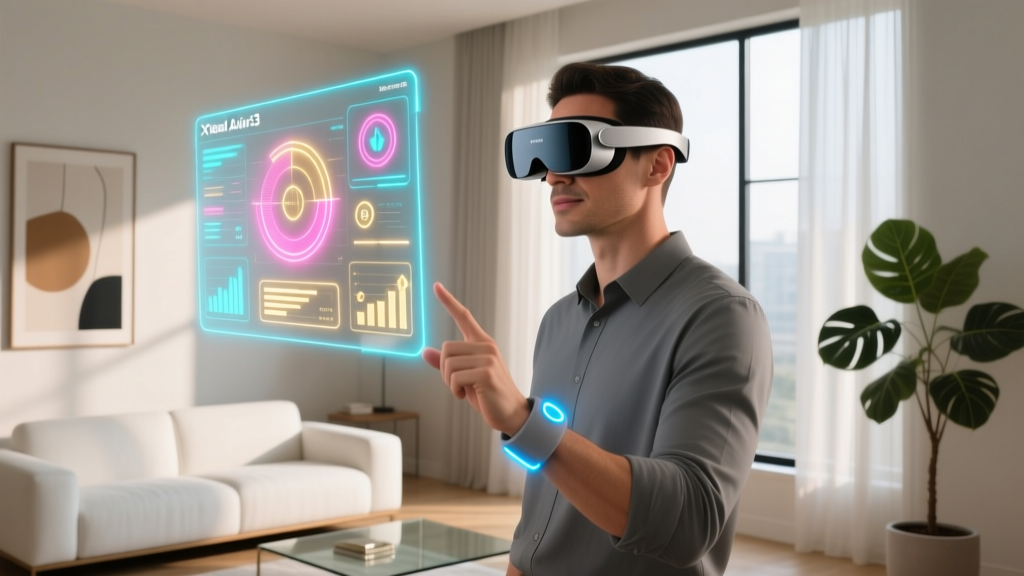
Instead of holding physical controllers, the haptic wristband uses electromyography (EMG) sensors to detect micro-muscle twitches in your forearm. You can 'pinch' a floating digital window, drag it across your living room, and feel a distinct, localized vibration on your wrist that simulates the physical resistance of the object. This combination of ultra-lightweight AR optics and EMG-driven haptics represents the most tangible step toward true ambient computing we have seen to date.
The 2026 Wearable Decision Matrix
With the market so heavily fragmented, choosing the right wearable requires a deliberate decision framework. Use this matrix to align your purchase with your actual lifestyle needs:
- Identify the Primary Use Case: Are you tracking sleep and recovery (Smart Ring), optimizing athletic performance and cardiovascular health (Whoop 5.0), or augmenting your digital workspace (AR + Haptics)?
- Evaluate the Friction Tolerance: Can you remember to charge a device every 5 days? If not, avoid AR glasses and high-polling fitness bands. Stick to the 7-day battery life of the Galaxy Ring 2.
- Calculate the Total Cost of Ownership (TCO): Look beyond the MSRP. Factor in mandatory subscriptions (Oura, Whoop) versus one-off hardware costs (Samsung, Xreal) over a 24-month period.
- Assess Ecosystem Lock-in: Devices like the Galaxy Ring 2 require Samsung Health and perform best within the Galaxy ecosystem. Ensure your primary smartphone OS aligns with the wearable's native API.
Frequently Asked Questions
Can I wear a smart ring and a smartwatch at the same time?
Yes, and many enthusiasts do. Wearing a smart ring on your non-dominant hand provides superior sleep and temperature data due to reduced motion artifacts, while a smartwatch on your dominant wrist handles active GPS tracking, notifications, and ECG readings. Most modern platforms now support multi-device data merging.
Are continuous blood pressure wearables medically accurate?
While the FDA has cleared specific optical tonometry algorithms for 'hypertension screening' and trend tracking, they are not yet classified as diagnostic replacements for traditional sphygmomanometers. They are highly accurate for tracking relative changes and circadian dipping patterns, but you should consult a physician for clinical diagnoses.
What is the battery life of AR glasses like the Xreal Air 3?
The glasses themselves draw power directly from the connected host device (like a smartphone or compute puck) via USB-C, meaning they have no internal battery. However, the companion wireless compute puck typically offers 4 to 5 hours of continuous 3D spatial rendering before requiring a recharge.
Written by
Nina PetrovaNina Petrova holds a Master's degree in Child Development from the Erikson Institute and a B.S. in Nursing from the University of Illinois at Chicago. She worked as a pediatric nurse for 6 years before transitioning to family technology consulting, bringing clinical rigor to her evaluations of kid-friendly gadgets, educational toys, and parental control software. Nina has reviewed over 400 children's tech products, testing each for safety compliance (CPSC and ASTM standards), developmental appropriateness across age groups, screen-time impact, and data privacy practices. She serves on the Children's Technology Review advisory board and has testified before the FTC on children's data protection in connected toys. Her reviews are trusted by parents and educators alike for their evidence-based approach to balancing technology benefits with child safety.