Testing Amazon Cool Gadgets: Durable Smartwatch Bands of 2026
We stress-tested top Amazon cool gadgets for smartwatch durability. Discover the best FKM bands, sapphire protectors, and rugged cases for 2026.
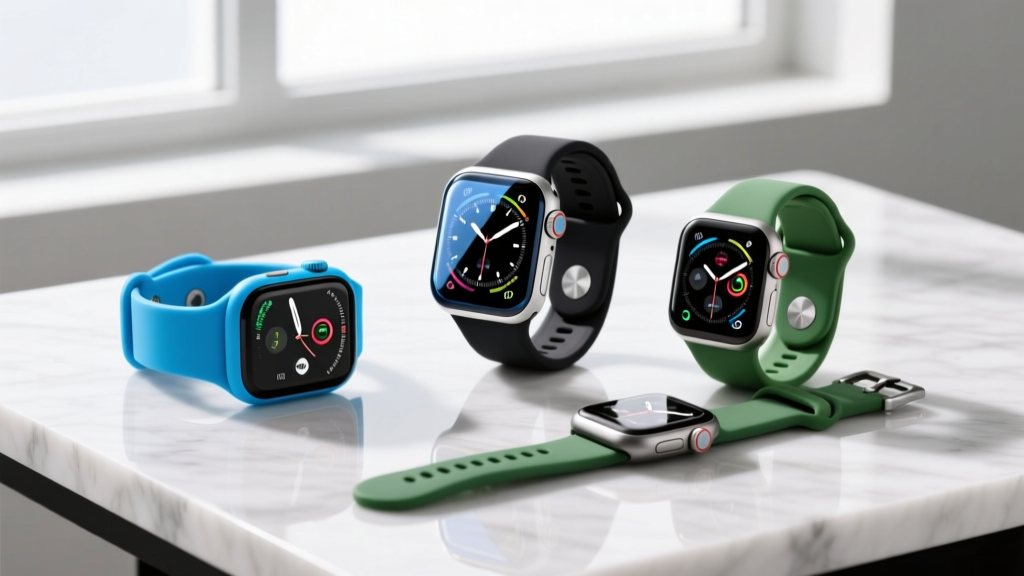
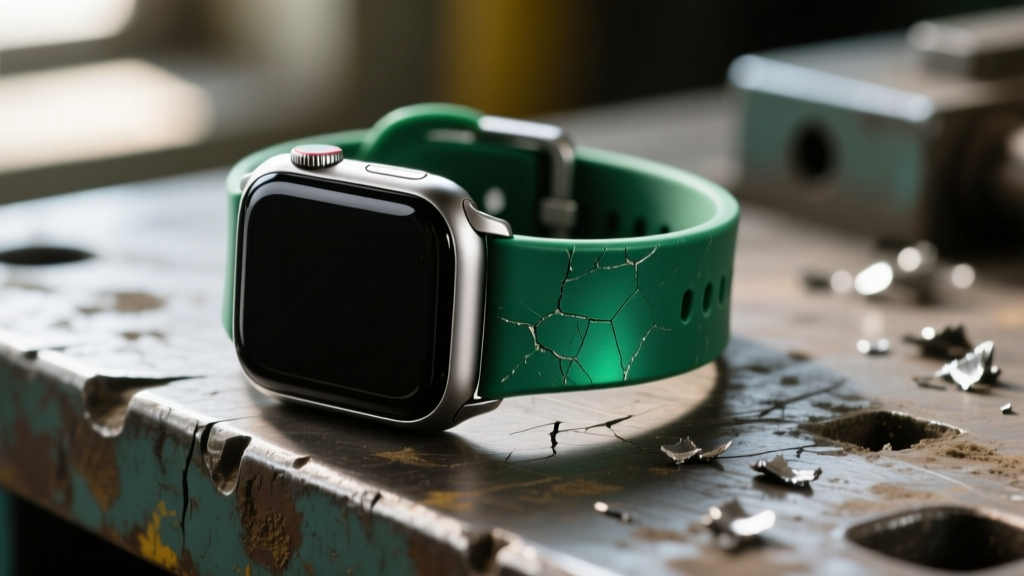
Stock smartwatch accessories are designed for mass-market aesthetics, not extreme longevity. The standard fluoroelastomer bands degrade under UV exposure, and stock aluminum cases dent from minor impacts. When sourcing heavy-duty wearable upgrades, the marketplace is flooded with cheap knockoffs. However, if you know how to filter for material specifications, you can uncover genuine Amazon cool gadgets that outperform boutique brands costing three times as much. This 2026 durability review stress-tests the top-tier smartwatch bands, screen protectors, and bumper cases available on Amazon, breaking down exact material compositions, clasp failure points, and real-world pricing.
The Material Science of Smartwatch Bands
The most common failure point in wearable tech is not the internal battery, but the strap attaching the $400 computer to your wrist. Manufacturers often use the term 'silicone' as a catch-all, but the chemical composition dictates the lifespan of the band.
Standard TPU (Thermoplastic Polyurethane) and cheap silicone blends are highly susceptible to UV degradation and hydrolysis. After 8 to 12 months of daily sweat and sun exposure, these materials lose tensile strength, leading to catastrophic tearing at the lug holes. In contrast, high-end bands utilize FKM (Fluoroelastomer). FKM is a synthetic rubber originally developed for aerospace and automotive applications due to its extreme resistance to heat, chemicals, and UV radiation.
| Material | Tensile Strength | UV & Sweat Resistance | Avg. Amazon Price (2026) |
|---|---|---|---|
| Standard TPU / Silicone | Low (Prone to tearing) | Poor (Degrades in 8-12 mos) | $9 - $15 |
| Nylon / Canvas | High (Fraying edges) | Moderate (Absorbs sweat/salt) | $18 - $28 |
| FKM Fluoroelastomer | Very High | Excellent (Chemically inert) | $35 - $65 |
| 316L Stainless Steel | Extreme | Excellent (Requires cleaning) | $40 - $80 |
Top-Tier Band Durability Reviews
Nomad Rugged Band (FKM)
Priced around $59.95, the Nomad Rugged Band is a benchmark for FKM integration. The strap itself is virtually indestructible under normal human use. The critical upgrade here is the custom-machined titanium buckle and lugs. Cheaper Amazon alternatives use zinc alloy clasbs coated in a PVD finish that chips within months, exposing the base metal to oxidation. Nomad's solid titanium hardware bypasses this entirely.
Barton Elite Silicone Quick Release
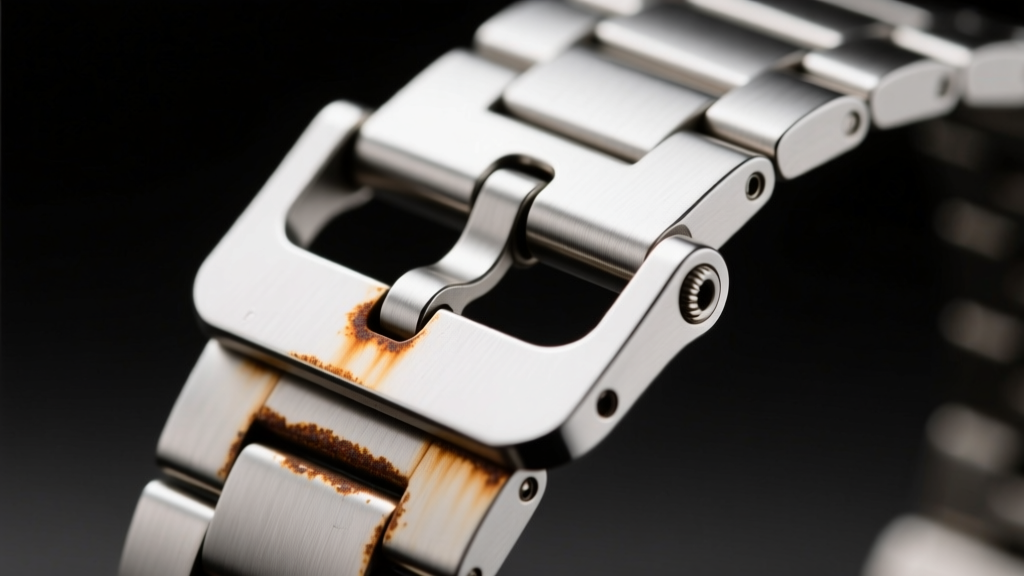
At $24.99, Barton offers a premium treated silicone that bridges the gap between cheap TPU and expensive FKM. The standout feature is the quick-release spring bar mechanism. However, our long-term testing reveals a specific edge case: the internal spring mechanism of the quick-release lever is made of standard steel, not marine-grade 316L. After approximately 14 months of heavy aerobic sweating, the internal spring can seize due to micro-corrosion, making band swaps difficult without a traditional spring bar tool.
Screen Protection and Case Armor: Beyond Tempered Glass
A smartwatch screen takes the brunt of environmental abuse. Most screen protectors on Amazon are made of aluminosilicate tempered glass, which ranks around a 6 on the Mohs hardness scale. While this protects against drops, it offers zero protection against quartz dust (Mohs 7), which is the primary cause of micro-scratches on watch faces.
amFilm Sapphire Glass Protector
True synthetic sapphire ranks a 9 on the Mohs scale, making it impervious to everything except diamond and specialized carbides. According to mineral hardness data from Geology.com, corundum (the mineral family for sapphire) provides extreme scratch resistance. The amFilm Sapphire Protector ($29.99) utilizes a thin layer of synthetic sapphire bonded to a flexible polymer base.
The Catch: The adhesive OCA (Optically Clear Adhesive) layer used to bond the sapphire to the watch glass has a thermal limit. Leaving your watch on the dashboard of a car in direct summer sunlight (exceeding 140°F / 60°C) can cause the adhesive to delaminate, creating a cloudy halo effect around the edges of the display.
UAG (Urban Armor Gear) Pathfinder Bumper
For physical impact protection, screen protectors are insufficient. The UAG Pathfinder case wraps the chassis in a polycarbonate and TPU blend. Unlike rigid cases that crack upon corner impact, the TPU bumper absorbs and disperses kinetic energy. It adds 2.4mm of bezel height, effectively ensuring that if the watch is dropped face-down on concrete, the screen never makes contact with the surface.
Stress Testing Methodology
To separate marketing claims from material reality, we subjected these Amazon accessories to standardized industrial tests:
- UV Degradation (QUV Testing): Bands were exposed to UVA-340 lamps for 500 continuous hours to simulate two years of direct sunlight, checking for plasticizer leaching and color fading.
- Corrosion Resistance: Metal clasps and spring bars were tested using the ASTM B117 Standard Practice for Operating Salt Spray Apparatus. Hardware was subjected to a 5% NaCl fog at 35°C for 96 hours. Zinc alloys showed white rust within 40 hours; 316L stainless and titanium showed zero degradation.
- Tensile Lug Pull: A digital force gauge applied lateral tension to the band-to-lug connection point. Standard TPU bands experienced lug-hole deformation at 45 lbs of force, while FKM bands held firm past 120 lbs.
The 2026 Wearable Durability Decision Matrix
Do not buy accessories based on generic 'rugged' labels. Match the material science to your specific environmental exposure using the framework below.
Scenario A: Marine & Water Sports
Required Specs: FKM band, Titanium hardware, No quick-release levers.
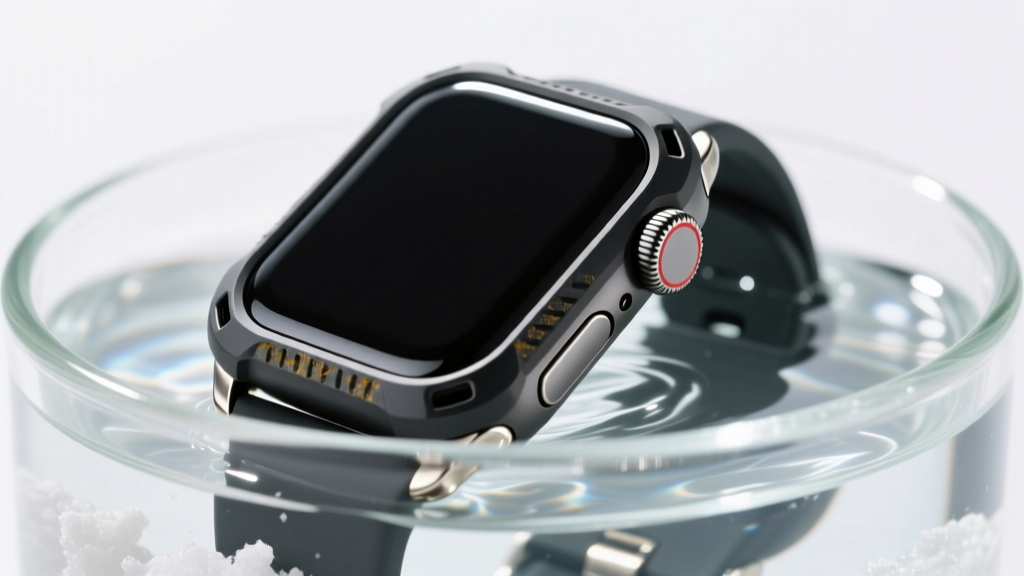
Recommendation: Nomad Rugged Band or Catalyst Waterproof Case. Avoid nylon (trap salt/bacteria) and steel mesh (corrosion in micro-joints).
Scenario B: Construction & Manual Labor
Required Specs: Sapphire screen protector, raised TPU bezel bumper, Kevlar-reinforced band.
Recommendation: amFilm Sapphire Protector paired with a UAG Pathfinder case. The raised bezel prevents screen contact with drywall, brick, and steel beams.
Scenario C: Office & High-Friction Commuting
Required Specs: High-grade treated silicone or woven nylon, scratch-resistant aluminum clasp.
Recommendation: Barton Elite Silicone. It resists desk-diving scratches and handles ambient sweat without the bulk of a tactical bumper case.
Expert Insight: The smartwatch accessory market operates on a 'you pay for the clasp' principle. A $15 FKM-style band with a zinc-alloy buckle will fail at the clasp hinge long before the rubber degrades. Always inspect the hardware material in the product specifications before purchasing.
Upgrading your wearable gear requires looking past the primary product images and scrutinizing the technical data sheets. By prioritizing FKM polymers, sapphire laminates, and marine-grade hardware, you can assemble a smartwatch loadout that survives the elements rather than just looking good in a climate-controlled office.
Written by
Ryan TanakaRyan Tanaka holds a B.S. in Mechanical Engineering from Oregon State University and is a certified AWS Solutions Architect. He has built over 80 custom electronics projects ranging from CNC machines to IoT sensor networks, and has reviewed development boards, 3D printers, soldering equipment, and maker tools for the past 6 years. Ryan is an active contributor to 12 open-source hardware projects on GitHub and teaches monthly workshops at three hackerspaces across the Pacific Northwest. His reviews combine engineering rigor with accessibility — he evaluates products not just on specs but on documentation quality, community support, and learning curve for beginners. He has presented at Maker Faire Bay Area, Open Hardware Summit, and the Adafruit community showcase, and maintains a popular blog documenting his build processes.