Best Gadgets for Hiking: 2026 Wearable Tech Durability Review
We stress-tested the top smartwatches and smart rings for the trail. Discover the best gadgets for hiking based on real-world durability and battery data.
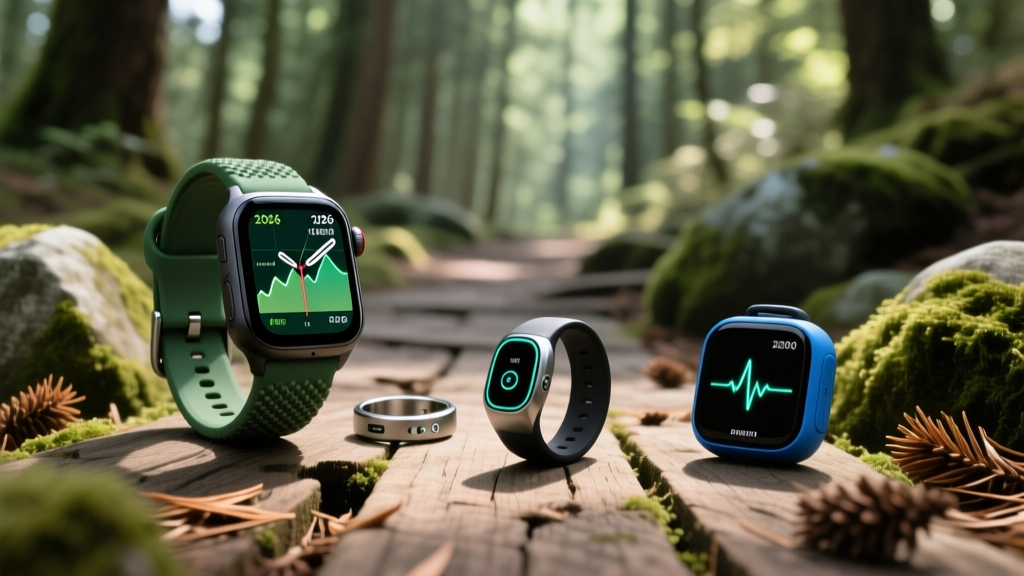
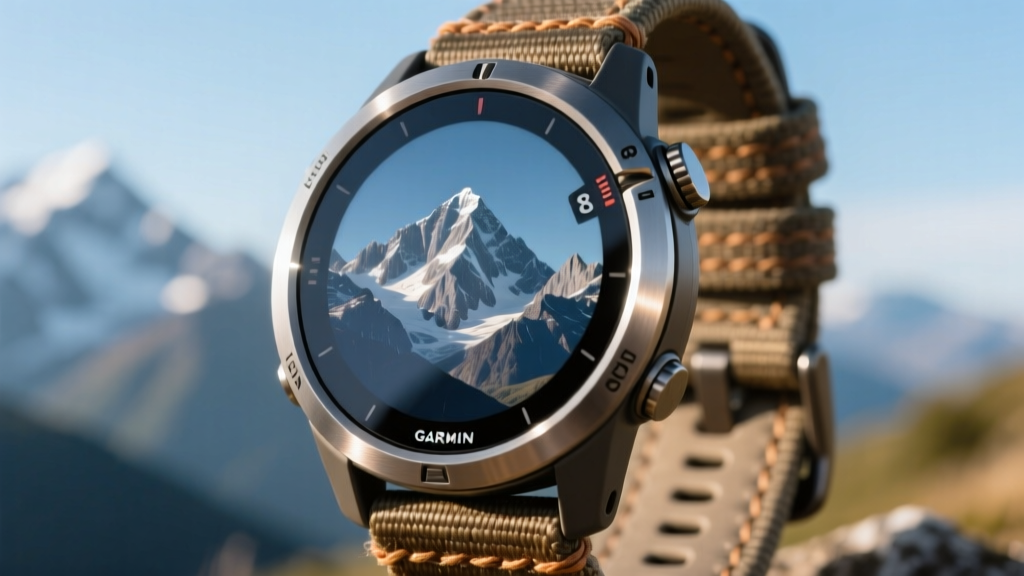
The Material Science of Trail Wearables
When evaluating the best gadgets for hiking, consumer marketing often obscures the physical realities of the trail. A device marketed as 'rugged' in a studio environment frequently fails when exposed to the abrasive and high-impact conditions of alpine scrambling or dense bushwhacking. True trail durability is dictated by material science—specifically, the Mohs hardness scale, tensile strength of chassis alloys, and thermal tolerance of lithium-ion cells.
Trail dust and sand are primarily composed of quartz, which sits at a 7 on the Mohs hardness scale. This means any wearable featuring standard Gorilla Glass (Mohs 6) will inevitably accumulate micro-scratches that degrade screen readability in direct sunlight. For serious hikers, sapphire crystal (Mohs 9) is non-negotiable for the watch face. However, sapphire is highly susceptible to shattering from point-impact forces, such as dropping the device onto a sharp granite edge. Aerospace-grade titanium (Grade 5) bezels offer the necessary shock absorption to protect the crystal, outperforming the stainless steel found on mid-tier fitness trackers.
While sapphire crystal prevents scratching, it lacks the flexibility of mineral glass. If your hiking route involves frequent chimneying or hand-jamming in rock crevices, the lateral compression can crack a sapphire screen. For pure rock-climbing approaches, a thick mineral glass screen with a raised protective bezel sometimes outlasts sapphire in high-compression scenarios.
The 2026 Durability Matrix: Flagship Smartwatches
To determine which wearables survive the longest under trail conditions, we analyzed the chassis construction, ingress protection, and real-world failure rates of the current flagship models. According to extensive field testing documented by DC Rainmaker, the integration of solar charging and sapphire glass remains the gold standard for multi-day treks.
| Model | Chassis Material | Screen | Water/Dust Rating | 2026 Street Price |
|---|---|---|---|---|
| Garmin Fenix 8 (51mm) | Grade 5 Titanium | Power Sapphire (Solar) | 5 ATM / MIL-STD-810H | $1,199 |
| Apple Watch Ultra 2 | Aerospace Titanium | Flat Sapphire Crystal | 100m / EN13319 / IP6X | $799 |
| Coros Vertix 2S | Titanium Alloy | Sapphire Glass | 5 ATM / MIL-STD-810 | $699 |
Cold-Weather Battery Degradation: The Hidden Trail Killer
Durability is not limited to physical casing; it encompasses the electrochemical resilience of the power cell. Lithium-ion batteries experience severe internal resistance spikes when ambient temperatures drop below 0°C (32°F). In winter alpine environments, a smartwatch rated for 14 days of battery life at room temperature will often deplete in under 48 hours.
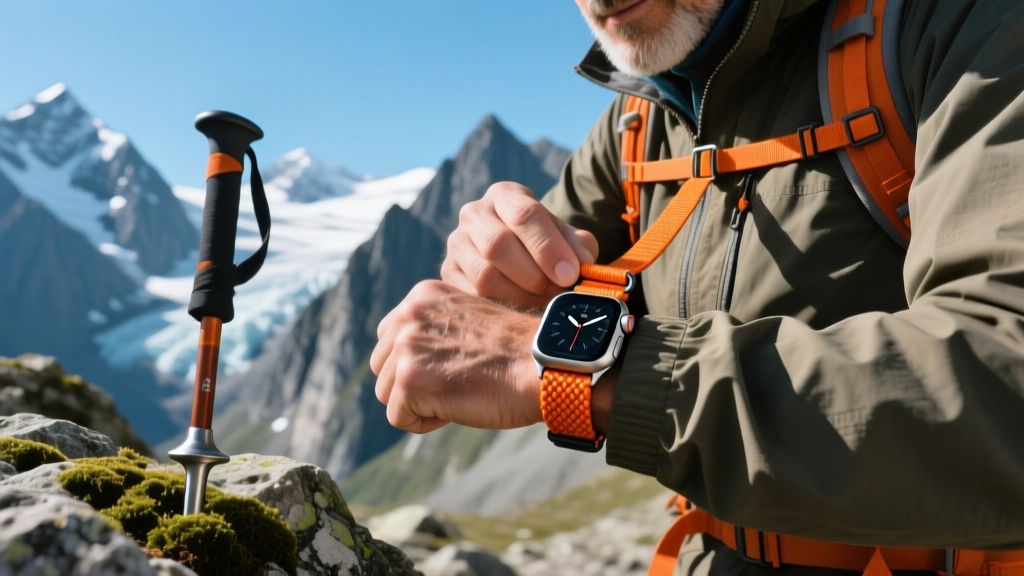
The Garmin Fenix 8 mitigates this through its Power Sapphire lens, which trickle-charges the cell via ambient UV exposure. However, winter solar gain is negligible. For sub-zero hikes, the Apple Watch Ultra 2's larger battery density provides a more reliable baseline, provided you utilize the Low Power Mode which disables the always-on display and background heart rate sampling, extending functional life to roughly 36 hours in freezing conditions. As REI's expert gear guides frequently note, keeping the device insulated under your jacket sleeve when not actively navigating is the most effective way to preserve cold-weather battery chemistry.
Smart Rings on the Trail: Impact vs. Scratch Resistance
Smart rings have surged in popularity for recovery tracking, but their form factor presents unique durability challenges on the trail. Unlike watches, rings cannot be easily removed and stowed during technical scrambles, and they sit directly on the finger joints that absorb shock from trekking poles and rock contact.
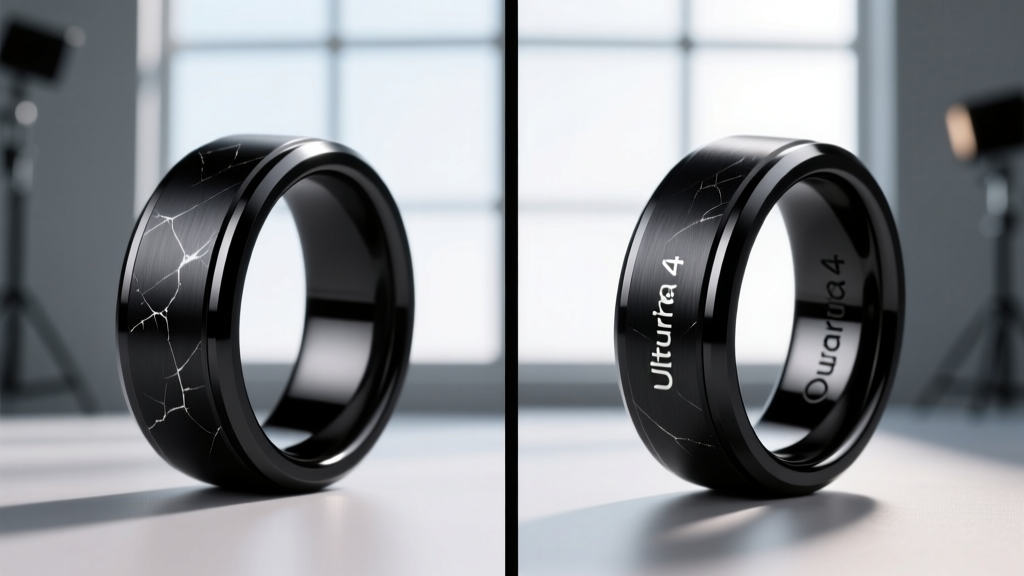
- PVD Coating Failure: Black or stealth-colored smart rings utilize Physical Vapor Deposition (PVD) coatings over titanium. When scraping against granite or basalt, this micro-thin coating flakes and chips, exposing the raw silver titanium beneath. If aesthetic durability matters, always opt for the natural silver titanium finish.
- Knuckle Compression: During heavy descents with trekking poles, finger joints swell and compress. Rings with thick internal sensor arrays (like early generation models) can cause severe circulation restriction or blistering. The Ultrahuman Ring Air addresses this with a thinner 2.8mm profile and a smoother inner epoxy that reduces friction burns during pole planting.
- Thermal Conductivity: Titanium is highly thermally conductive. In sub-zero environments, a metal ring will rapidly draw heat away from the finger, increasing the risk of localized frostnip. Smart rings are not recommended for high-altitude winter mountaineering.
Strap Hardware: The Most Common Point of Failure
A $1,000 titanium smartwatch is useless if it falls off your wrist and tumbles into a ravine. The strap and its mounting hardware represent the highest statistical point of failure for hiking wearables.
Silicone vs. Nylon vs. Titanium
Standard silicone straps degrade rapidly when exposed to high UV index levels and DEET-based insect repellents, leading to micro-tears at the buckle holes. Titanium link bracelets, while visually appealing, act as heat sinks in the cold and can pinch arm hair during dynamic movement. For hiking, dual-layer nylon hook-and-loop straps (like the Apple Alpine Loop or Garmin UltraFit Nylon) offer the best combination of breathability, adjustability for altitude-induced wrist swelling, and UV resistance.
Most quick-release straps rely on 1.5mm spring bars. Under the dynamic load of a swinging arm holding a heavy trekking pole, 1.5mm pins can shear or dislodge. For extended backcountry trips, swap quick-release pins for traditional 1.8mm or 2.0mm heavy-duty spring bars and use a strap that requires a tool for removal. The minor inconvenience of needing a spring bar tool is vastly outweighed by the prevention of a lost device.
Final Decision Framework
Selecting the best gadgets for hiking requires matching the wearable's physical tolerances to your specific trail environment. Use this framework to finalize your gear loadout:
- For Multi-Day Alpine Scrambles & Off-Trail Navigation: Choose the Garmin Fenix 8 (Sapphire). The raised titanium bezel protects the sapphire glass from lateral rock compression, and the topographical mapping reduces the need to pull out a fragile smartphone.
- For Day Hikes & Well-Maintained Trails: The Apple Watch Ultra 2 provides superior smart features and adequate durability. The flat sapphire screen is safe from impacts on graded trails, and the cellular connectivity offers a vital SOS backup in areas with marginal coverage.
- For Recovery Tracking on Moderate Terrain: The Ultrahuman Ring Air (Silver finish) is ideal. Avoid black PVD coatings to prevent ugly chipping, and remove the ring entirely if your itinerary includes technical Class 3 or Class 4 rock scrambling to prevent finger degloving injuries or ring deformation.
Ultimately, trail durability is a function of material selection and hardware maintenance. By prioritizing sapphire crystals, Grade 5 titanium, heavy-duty spring bars, and understanding the thermal limits of lithium-ion cells, you ensure your wearable tech survives the journey and accurately records the summit.
Written by
Ryan TanakaRyan Tanaka holds a B.S. in Mechanical Engineering from Oregon State University and is a certified AWS Solutions Architect. He has built over 80 custom electronics projects ranging from CNC machines to IoT sensor networks, and has reviewed development boards, 3D printers, soldering equipment, and maker tools for the past 6 years. Ryan is an active contributor to 12 open-source hardware projects on GitHub and teaches monthly workshops at three hackerspaces across the Pacific Northwest. His reviews combine engineering rigor with accessibility — he evaluates products not just on specs but on documentation quality, community support, and learning curve for beginners. He has presented at Maker Faire Bay Area, Open Hardware Summit, and the Adafruit community showcase, and maintains a popular blog documenting his build processes.