Curating the Perfect 8 Piece Kitchen Gadget Tool Kit for Italian Pasta
Ditch the cluttered drawer. Discover the ultimate 8 piece kitchen gadget tool collection for authentic Italian pasta, from bronze dies to gnocchi boards.
The Philosophy of the Curated 8 Piece Kitchen Gadget Tool Collection
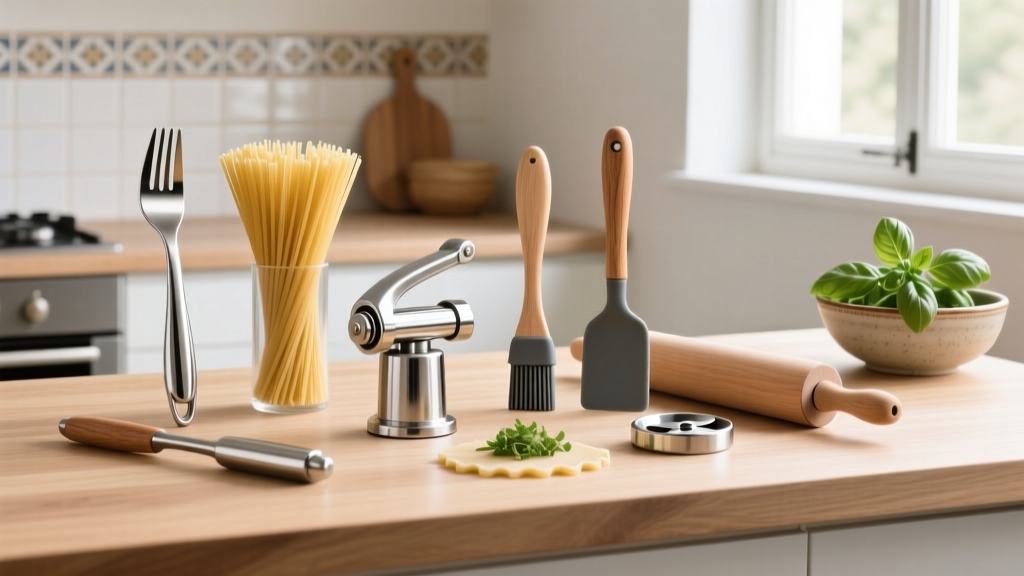
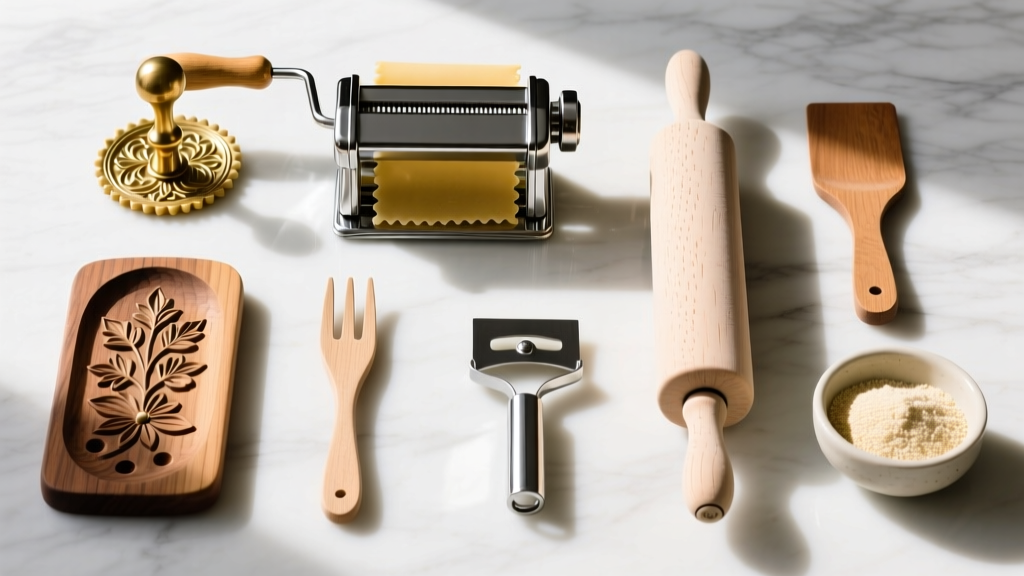
Most home kitchens suffer from gadget bloat—drawers jammed with unitaskers and flimsy utensil sets that fail at the first sign of rigorous dough kneading. For serious home cooks focusing on Italian cuisine, the solution is not buying more, but buying better. By stripping away the novelty items and focusing on precision engineering, you can assemble an 8 piece kitchen gadget tool kit dedicated entirely to pasta making. This hyper-focused collection replaces generic rolling pins and dull cutters with specialized equipment designed to manipulate hydration, develop gluten networks, and create micro-textures that trap sauce.
According to extensive testing by Serious Eats, the difference between mediocre and restaurant-quality fresh pasta almost always comes down to the mechanical advantage provided by specialized tools. Below is the exact blueprint for building this specialized kit in 2026, complete with specific model recommendations, material science, and real-world pricing.
The Core Engine: Rolling and Extruding
The foundation of any pasta kit is the mechanism used to flatten or extrude the dough. You need tools that offer precise, incremental thickness adjustments without tearing the gluten matrix.
1. Marcato Atlas 150 Manual Pasta Roller
Despite the influx of expensive electric stand-mixer attachments, the manual Marcato Atlas 150 (currently retailing around $105) remains the gold standard. The critical advantage lies in its dual-gear steel mechanism. Cheap clones use plastic cogs that strip under the torque required for high-hydration doughs. The Atlas 150 offers nine distinct thickness settings, ranging from 4.8mm down to 0.6mm. For delicate ravioli, you will roll down to setting 7 or 8 (approx. 1mm), while fettuccine requires a thicker setting 5 or 6 to maintain structural integrity when boiled.
2. Eppicotispai Potato Ricer (The Gnocchi Engine)
Fluffy gnocchi requires ricing potatoes while they are still piping hot to prevent the starches from turning gummy. The Eppicotispai Stainless Steel Ricer ($42) features a 3mm micro-perforated disc that creates a light, snow-like potato base. This tool is non-negotiable; using a standard masher leaves lumps that force you to over-knead the dough with excess flour, resulting in dense, rubbery gnocchi.
Shaping and Texturing: Where Art Meets Engineering
Once the dough is prepped, the goal shifts to creating shapes that optimize sauce adhesion. This is where the 8 piece kitchen gadget tool kit separates itself from basic beginner sets.
3. Bronze Extrusion Die (Trafile al Bronzo)
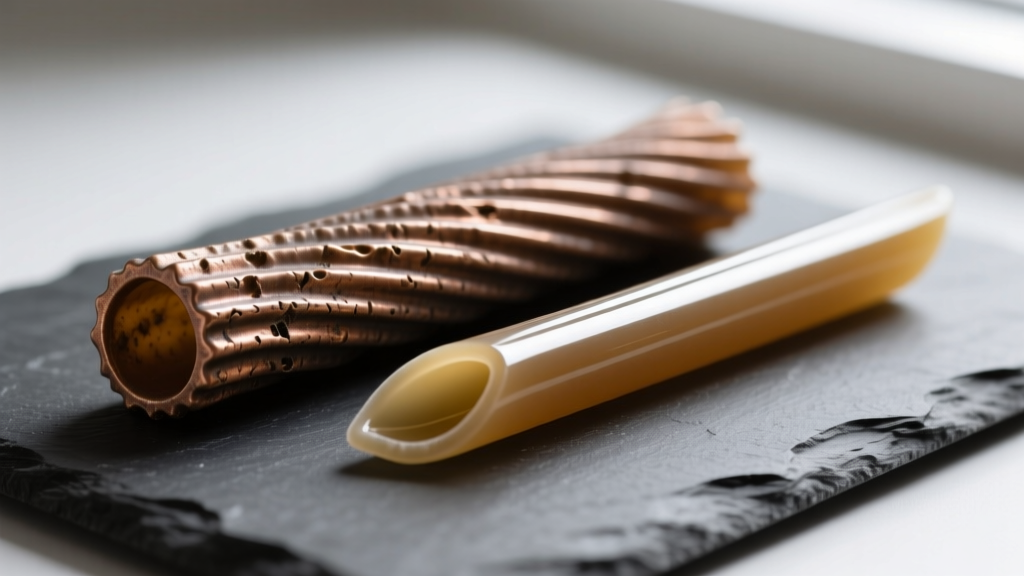
If you own a stand mixer with an extrusion attachment (like the KitchenAid Gourmet Pasta Press), swapping the default Teflon die for a Bronze Die (such as the bronze rigatoni or macaroni disc, ~$60) is the single greatest upgrade you can make. As noted in America's Test Kitchen's pasta science guides, bronze is a softer metal that creates microscopic fissures and a rough, chalky surface on the pasta. This texture increases starch release during boiling and improves sauce adhesion by up to 40% compared to slick, Teflon-extruded pasta.
4. Hand-Carved Beechwood Gnocchi Board (Rigagnocchi)
A Rigagnocchi ($18) is a small, ridged wooden board used to roll gnocchi dough into 'cavatelli' or ridged gnocchi shapes. Beechwood is the preferred material because its tight grain wicks away excess surface moisture from the dough without sticking. The ridges create a concave shape that acts as a tiny cup, trapping heavy ragù or pesto inside the pasta.
5. Solid Brass Ravioli Stamp
Forget the rolling pin-style ravioli trays that trap air bubbles and cause pasta to burst in the boil. A heavy Solid Brass Ravioli Stamp ($25) cuts and seals individual pockets simultaneously. The weight of the brass does the work, ensuring a hermetic seal around the filling while minimizing dough scrap waste.
| Tool / Die Material | Surface Finish | Best Sauce Pairing | Starch Release |
|---|---|---|---|
| Bronze Die (Extruded) | Rough, porous, chalky | Heavy ragù, thick cheese sauces | High |
| Teflon Die (Extruded) | Smooth, slick, yellow-hued | Light tomato, oil-based broths | Low |
| Beechwood Board (Rolled) | Ridged, moisture-wicking | Pesto, butter and sage | Medium |
Boiling, Drying, and Prepping: The Support Cast
The final three tools in our 8 piece kitchen gadget tool kit manage the pasta after it leaves the shaping board, ensuring it reaches the plate in perfect condition.
6. Expandable Beechwood Pasta Drying Rack
The Eppicotispai Expandable Rack ($48) features multiple tiered arms that fold flat for storage. Drying cut pasta like pappardelle or tagliatelle for just 15-20 minutes before boiling prevents the strands from clumping together in the water. The wooden dowels are unvarnished to prevent chemical off-gassing onto the wet dough.
7. Brass Wire Spider Skimmer (Ragno)
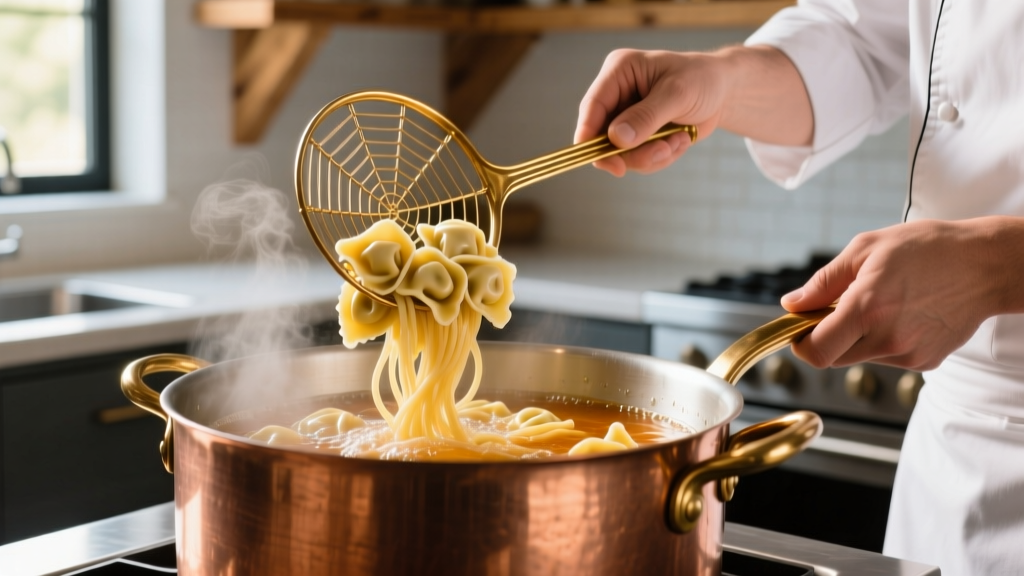
Never pour delicate fresh pasta into a colander; the weight of the water and pasta will crush shapes like agnolotti or tortellini. A traditional Brass Spider Skimmer ($22) features a wide, shallow wire mesh that gently lifts the pasta directly from the boiling water and transfers it straight into the sauté pan with the sauce, carrying over a crucial amount of starchy pasta water to help emulsify the dish.
8. Marble Mortar and Pestle (For Pesto & Sauces)
While not strictly for the dough, a heavy Carrara Marble Mortar and Pestle ($55) completes the Italian pasta experience. Blenders oxidize basil and generate heat, turning pesto brown and bitter. Crushing garlic, pine nuts, and basil manually in marble keeps the temperature low and creates a creamy, stable emulsion that perfectly coats your freshly extruded bronze-die pasta.
Cost Breakdown: Investing in the 8-Piece Kit
Building this specialized 8 piece kitchen gadget tool collection requires a targeted investment, but it eliminates the need to replace broken, low-quality utensils every few years. Below is the estimated 2026 pricing for authentic, durable models.
| Tool | Recommended Brand/Model | Est. Cost (USD) |
|---|---|---|
| Manual Roller | Marcato Atlas 150 | $105 |
| Potato Ricer | Eppicotispai Stainless | $42 |
| Bronze Extrusion Die | KitchenAid / Kenwood Bronze Disc | $60 |
| Gnocchi Board | Hand-Carved Beechwood Rigagnocchi | $18 |
| Ravioli Stamp | Solid Brass 2-Inch Stamp | $25 |
| Drying Rack | Eppicotispai Expandable Beech | $48 |
| Spider Skimmer | Traditional Brass Wire Ragno | $22 |
| Mortar & Pestle | Carrara Marble (Large) | $55 |
| Total Estimated Investment | $375 | |
Maintenance and Edge Cases
One common edge case when using the Marcato Atlas 150 is dough tearing at the thinnest settings (7-9). This rarely indicates a machine defect; rather, it means the dough was not rested long enough. The gluten network must relax for at least 30 minutes at room temperature. If the dough snaps back when pulled, wrap it and wait another 15 minutes.
Frequently Asked Questions
Can I use all-purpose flour instead of '00' flour for this kit?
You can, but the results will differ. '00' flour is milled to a fine talc-like consistency with a protein content around 11-12%, which yields a silky, tender bite. Standard US All-Purpose flour has a coarser grind and variable protein levels, which can result in a chewier, less refined texture. If using AP flour, reduce the hydration slightly by 5% as it absorbs water differently.
Do I need a stand mixer to use the bronze extrusion die?
Yes, extruding semolina dough requires immense torque that is difficult to achieve manually without a specialized, expensive hand-cranked torchio press. The bronze die listed in this 8 piece kitchen gadget tool kit is designed to attach to the motorized pasta press attachments of major stand mixer brands.
How do I store the bronze die to prevent corrosion?
After cleaning and thoroughly drying the bronze die, store it in a sealed zip-top bag with a small food-safe silica gel packet. Bronze is highly susceptible to humidity, and preventing oxidation ensures the micro-textures that grip your sauce remain sharp and effective for decades.
Written by
David OkaforDavid Okafor is an ASE (Automotive Service Excellence) Master Certified Technician with 15 years of professional experience in vehicle diagnostics, aftermarket electronics installation, and fleet management. He holds an Associate Degree in Automotive Technology from Universal Technical Institute and certifications in mobile electronics (MECP Certified Installer). David has installed and reviewed over 800 car tech products — from OBD2 scanners and dash cams to full infotainment system retrofits — in vehicles ranging from economy compacts to luxury SUVs. His popular YouTube channel "AutoTech David" has over 150,000 subscribers and features detailed installation tutorials and product teardowns. He is a regular contributor to the SEMA Show's aftermarket technology showcase and advises two automotive tech startups on product development.