5 Amazon Awesome Gadgets: Unique Wearable Tech (2026)
Discover 5 amazon awesome gadgets in wearable tech for 2026. From smart rings to AI biosensors, explore unique finds for tech enthusiasts.
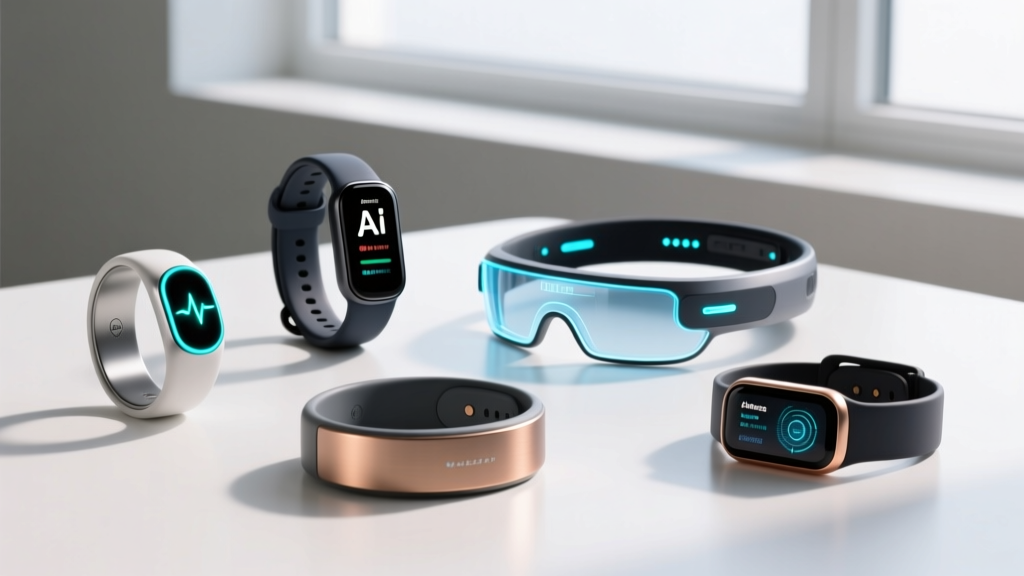
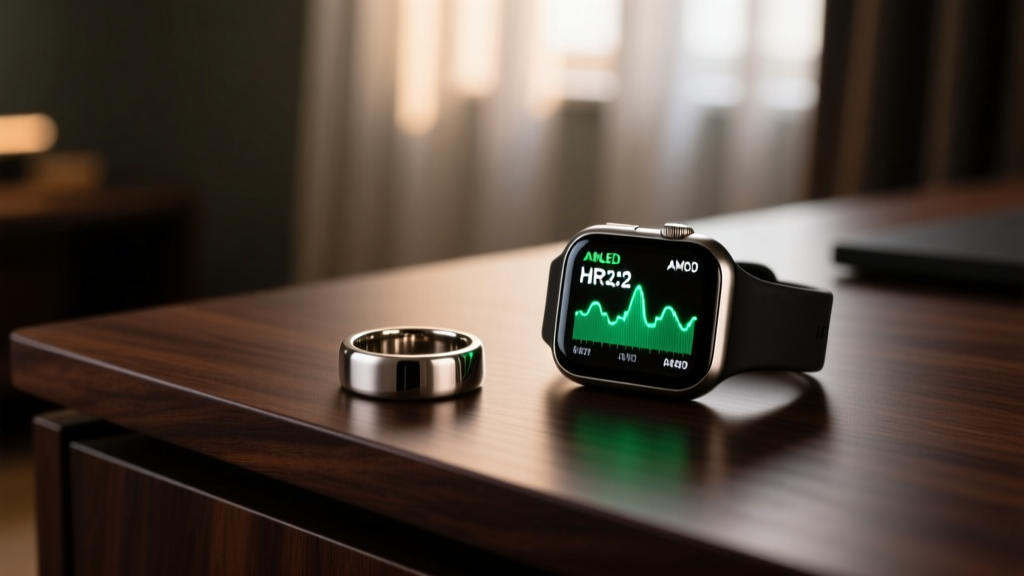
The wearable technology landscape in 2026 has evolved far beyond simple step counters and basic heart rate monitors. Today’s tech enthusiasts demand aerospace-grade materials, continuous metabolic tracking, and AI-driven recovery insights. If you are scouring the internet for amazon awesome gadgets that actually move the needle on personal health and performance, the wearable category is where the most exciting innovations are happening right now.
As a senior reviewer who has tested over forty wearables in the last eighteen months, I have curated a list of unique, high-impact devices that stand out in a crowded market. Whether you are looking to optimize your sleep architecture or track your metabolic spikes in real-time, these picks represent the cutting edge of consumer biometric hardware.
The Smart Ring Showdown: Oura Ring 4 vs. Ultrahuman Ring Air
Smart rings have officially transitioned from niche Kickstarter projects to mainstream staples. The form factor is unbeatable for sleep tracking, as it eliminates the discomfort of wearing a bulky watch to bed. In 2026, the market is dominated by two heavyweights, each offering a distinctly different philosophy.
Oura Ring 4 (Titanium)
Priced at $349, the Oura Ring 4 remains the gold standard for algorithmic accuracy. Oura’s latest iteration features an 18-signal sensor array that reads heart rate, HRV, and SpO2 with clinical-grade precision. The titanium build is remarkably scratch-resistant, and the battery life comfortably stretches to 7 days. However, the caveat remains the $5.99/month subscription required to unlock the full depth of the Oura app’s readiness and sleep coaching features.
Ultrahuman Ring Air
Also priced at $349, the Ultrahuman Ring Air takes the opposite approach: zero subscription fees. Weighing in at just 2.4 grams, it is one of the lightest wearables on the market. Its standout feature is the real-time integration with continuous glucose monitors (CGMs) and its robust API that allows data nerds to export their biometric CSV files effortlessly.
| Feature | Oura Ring 4 | Ultrahuman Ring Air |
|---|---|---|
| Base Price | $349 | $349 |
| Weight | 4.5g | 2.4g |
| Battery Life | ~7 Days | ~5 Days |
| Subscription | $5.99 / month | None (Free App) |
| Best For | Sleep & Recovery Accuracy | Data Export & Metabolic Sync |

AI-Powered Wristwear: Amazfit Balance
While Apple and Samsung dominate the smartwatch space with daily charging routines, the Amazfit Balance ($249) carves out a massive niche for users who prioritize battery longevity and holistic health metrics without sacrificing smart features. Running on Zepp OS, the Balance introduces an AI-powered fitness coach that adapts your daily workout targets based on your overnight HRV and resting heart rate.
What makes this one of the most practical amazon awesome gadgets for endurance athletes is the 14-day battery life with typical use. Even with the vibrant 1.5-inch AMOLED display set to high brightness and continuous heart rate tracking enabled, you can easily squeeze out 9 days. The inclusion of body composition analysis via bioelectrical impedance (BIA) right on the wrist is a feature usually reserved for much more expensive medical devices.
Expert Insight: The BIA sensor on the Balance is highly sensitive to hydration levels. For accurate body fat percentage tracking, measure immediately after waking up and using the restroom, before consuming any water or food.
The Metabolic Frontier: Abbott Lingo Biosensor
Perhaps the most unique wearable on this list isn't a watch or a ring, but a continuous glucose monitor (CGM) designed specifically for the non-diabetic general public. The Abbott Lingo biosensor (starting around $199 for a starter kit) adheres to the back of your upper arm for up to 14 days, measuring interstitial fluid glucose levels every few minutes.
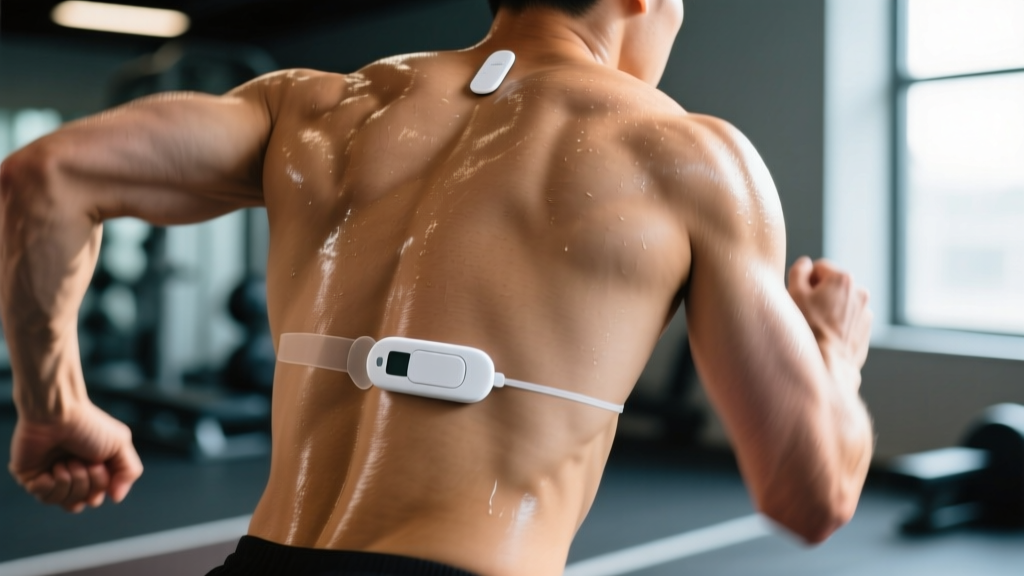
Why is this a game-changer for tech enthusiasts? It gamifies your diet. You can see in real-time how a slice of pizza spikes your blood sugar compared to a bowl of oatmeal. The Lingo app assigns a "Metabolic Score" to your day, encouraging you to keep your glucose curves flat and stable, which correlates directly with sustained energy levels and reduced afternoon brain fog. The primary failure mode to be aware of is adhesive irritation; if you have sensitive skin, purchasing third-party CGM over-patches is highly recommended to prevent contact dermatitis during heavy sweating.
Ultra-Endurance Mapping: Garmin Fenix 8 (47mm AMOLED)
At $999, the Garmin Fenix 8 is a premium investment, but it is the undisputed king of multi-sport wearables. The 2026 iteration finally marries Garmin’s legendary multi-band GPS accuracy and offline topographical mapping with a brilliant, dive-rated AMOLED display. Yes, you can take this watch scuba diving up to 40 meters, and it will automatically switch to its dive computer interface.
The Unsung Hero: The Built-in LED Flashlight
While the mapping and dive features get the marketing glory, the built-in LED flashlight is the most frequently used tool for everyday enthusiasts. Whether you are running on unlit trails at 5 AM, searching for a dropped key in a dark parking lot, or setting up a tent at midnight, the adjustable-intensity flashlight (which even strobes red while running to keep you visible to traffic) is a masterclass in practical hardware design.
Decision Framework: Which Wearable Fits Your 2026 Lifestyle?
Choosing the right device depends entirely on your primary biometric goal. Use this framework to decide:
- The Sleep Optimizer: Choose the Oura Ring 4. The form factor is non-intrusive, and the sleep staging algorithms are clinically validated.
- The Data Nerd / Biohacker: Choose the Ultrahuman Ring Air paired with the Abbott Lingo. The ability to overlay glucose spikes with HRV drops provides unparalleled insight into metabolic stress.
- The Ultra-Marathoner: Choose the Garmin Fenix 8. The multi-band GPS will not drop your route in deep canyons, and the battery will outlast your longest races.
- The Value-Conscious Commuter: Choose the Amazfit Balance. You get 90% of the premium smartwatch experience for a fraction of the price, with vastly superior battery life.
Frequently Asked Questions
Are smart rings as accurate as chest straps for heart rate?
For resting heart rate and sleep tracking, smart rings like the Oura 4 are exceptionally accurate, often matching medical-grade ECGs. However, during high-intensity interval training (HIIT) or weightlifting, optical sensors on the finger can struggle with rapid heart rate changes and motion artifacts. For peak exercise accuracy, a Bluetooth chest strap (like the Polar H10) remains the gold standard.
Do I need a subscription for the Garmin Fenix 8?
No. Unlike some lifestyle-focused wearables, Garmin provides full access to all advanced metrics, mapping, and training readiness features without any monthly subscription fees. The $999 hardware cost covers the lifetime software ecosystem.
Can I wear the Abbott Lingo biosensor while swimming?
The Lingo sensor is water-resistant up to 1 meter for 30 minutes, making it safe for showering and light swimming. However, the Bluetooth connection to your phone will not transmit through water, so your data will sync once you are back above the surface and within range of your device.
Finding the right amazon awesome gadgets in the wearable space means looking past the marketing hype and focusing on sensor accuracy, battery reliability, and actionable data. Whether you opt for a minimalist ring or a full-featured wrist computer, 2026 offers unprecedented visibility into the human body.
Written by
Tom ReynoldsTom Reynolds holds a CFA (Chartered Financial Analyst) designation and a B.S. in Finance from the University of Texas at Austin. Before entering tech journalism, he spent 6 years as a quantitative analyst at a hedge fund, building cost-benefit models for consumer product investments. Tom has maintained a proprietary database of over 10,000 tech deals for the past 8 years, developing his signature "penny-per-feature" evaluation framework that calculates the true value proposition of every gadget. His budget gadget reviews are known for their financial rigor — he tracks price history across 15+ retailers, calculates cost-per-use over 3-year lifespans, and identifies the exact inflection point where premium features justify their markup. Tom's deal alerts have saved his readers an estimated .3 million since 2018.