Basic Kitchen Gadgets: Outdoor Thermometers & Timers for Summer BBQs
Master summer grilling with the best basic kitchen gadgets for outdoors. Compare top wireless meat thermometers and magnetic BBQ timers for perfect results.
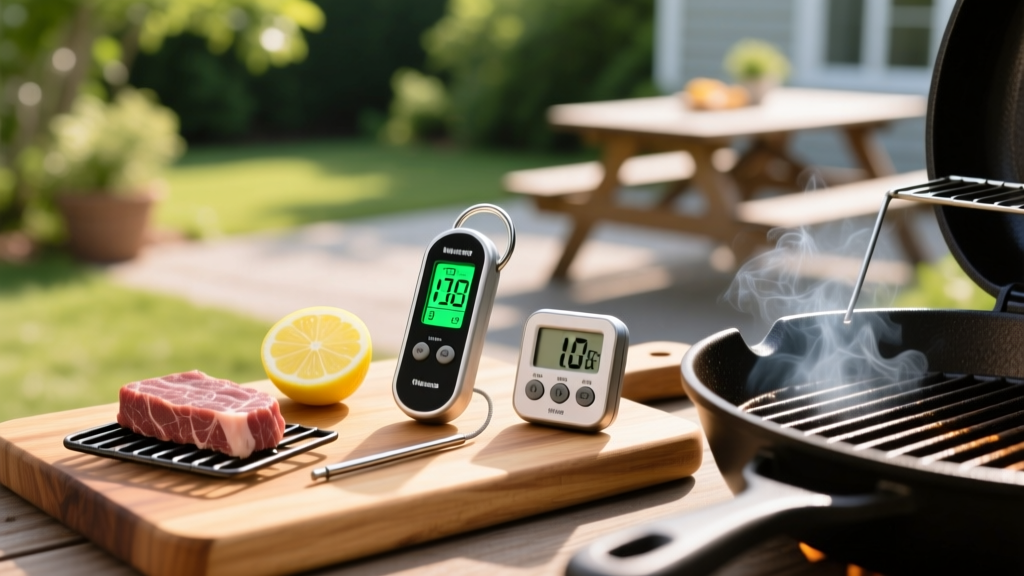
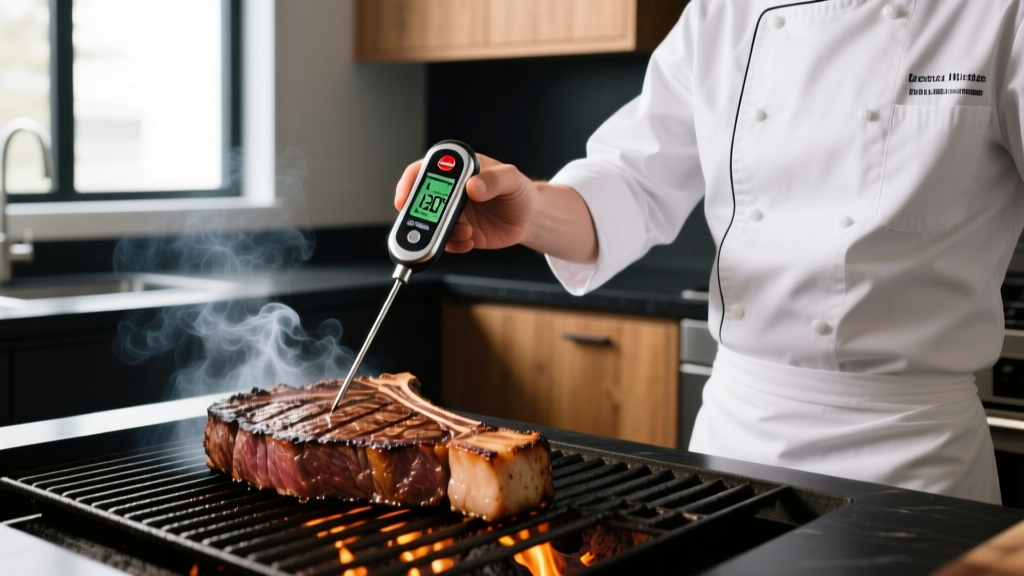
When transitioning from a climate-controlled kitchen to the unpredictable backyard, your standard toolkit falls short. The category of basic kitchen gadgets must be entirely re-evaluated for outdoor environments where ambient temperature swings, direct sunlight, and high-decibel noise render indoor tools useless. Precision in outdoor cooking—whether smoking a 14-pound brisket or searing a reverse-seared tomahawk—relies entirely on thermal tracking and time management. Using an indoor glass dial thermometer or a standard 70-decibel magnetic timer on a windy patio is a recipe for overcooked meat and missed resting windows.
The Environmental Failure Points of Indoor Tools
Indoor kitchen gadgets are engineered for 72°F rooms with controlled lighting. The backyard introduces three critical failure points:
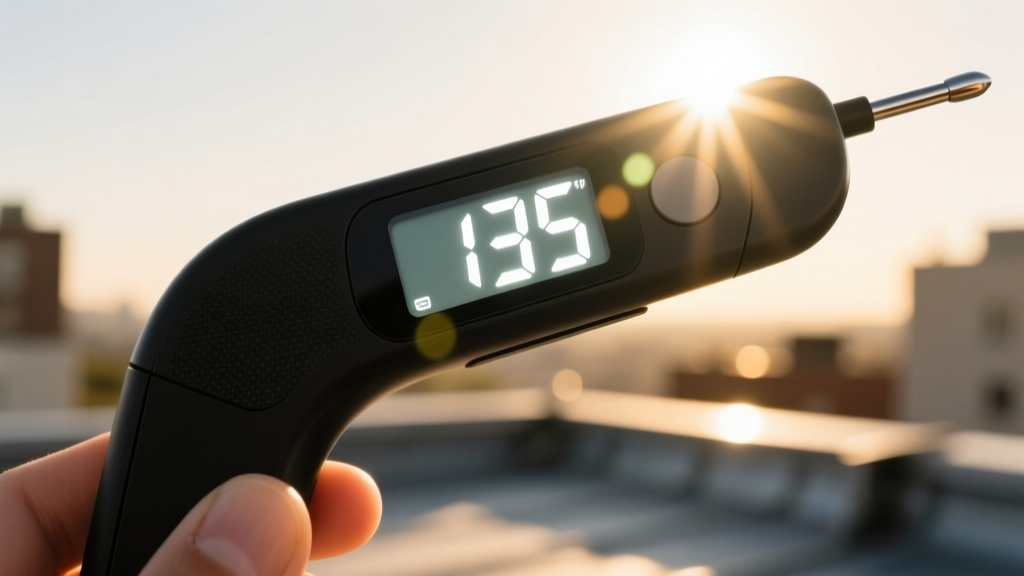
- Optical Glare: Standard LCD screens output roughly 200 nits of brightness. In direct summer sunlight (which can exceed 10,000 lux), these screens wash out completely, making temperature readings impossible without casting a shadow over the display.
- Audio Masking: A standard kitchen timer emits an alarm at roughly 70-75 decibels (dB). A running gas grill, a nearby lawnmower, or a backyard gathering easily generates 85-95 dB of ambient noise, completely masking the timer's beep.
- Moisture and Particulate Ingress: Flour and steam are one thing; flying grease, sudden rain squalls, and ash from a charcoal chimney are another. Basic kitchen gadgets lacking an IP67 (Ingress Protection) rating will short-circuit or suffer from sticky button membranes after a single summer season.
Cheaper indoor thermometers use basic thermistors that are highly susceptible to radiant heat. If you hold a non-insulated indoor thermometer over a 500°F charcoal bed, the ambient radiant heat will skew the internal sensor, giving you a false reading before the probe even touches the meat.
2026 Thermometer Matrix: Instant-Read vs. Leave-In Wireless
Upgrading your basic kitchen gadgets for the grill means choosing between rapid spot-checking and continuous wireless monitoring. Below is a technical comparison of the top-performing models currently dominating the outdoor cooking space.
| Model | Sensor Type | Response Time | Wireless Range | Price (2026) |
|---|---|---|---|---|
| ThermoWorks ThermoPop 2 | High-precision Thermistor | 3 Seconds | N/A (Instant-Read) | $35.00 |
| MEATER Plus | Internal Thermocouple / External Thermistor | Continuous (App) | 165 ft (Bluetooth) | $99.00 |
| ThermoPro TP25 | 4x Pro-Series Thermistors | Continuous (App) | 500 ft (Optimal LOS) | $60.00 |
According to extensive testing by the Serious Eats thermometer testing methodology, the ThermoPop 2 remains the gold standard for spot-checking due to its IP67 waterproof rating and backlit, auto-rotating display, which solves the outdoor glare issue. For low-and-slow smoking, the MEATER Plus utilizes a dual-sensor architecture: an internal thermocouple at the tip measures the meat's core, while an external thermistor near the ceramic handle monitors the grill's ambient temperature, alerting you if your fire dies down.
Timers Engineered for High-Decibel Backyards
Time management outdoors requires hardware that bypasses auditory limitations. Standard magnetic microwave timers are useless when mounted on the metal side shelf of a Weber Genesis grill due to weak magnets and low-volume piezoelectric buzzers.
The Wearable Solution
The most effective outdoor timer setup involves haptic feedback. Wearable vibrating timers, such as the ThermoWorks TimerBOSS or generic silicone wristband alarms, deliver a 100-decibel audio alarm combined with a physical vibration against your wrist. This ensures you feel the alert even if you are wearing noise-canceling headphones or operating a loud wood chipper in the adjacent yard.
App-Based Push Notifications
If you are using a wireless leave-in probe like the ThermoPro TP25, the companion app acts as your primary timer. By setting target temperature alerts rather than strict time limits, you accommodate the unpredictable nature of outdoor cooking, where wind and humidity constantly alter thermal dynamics.
Carryover Cooking: The Thermodynamics of Resting Meat
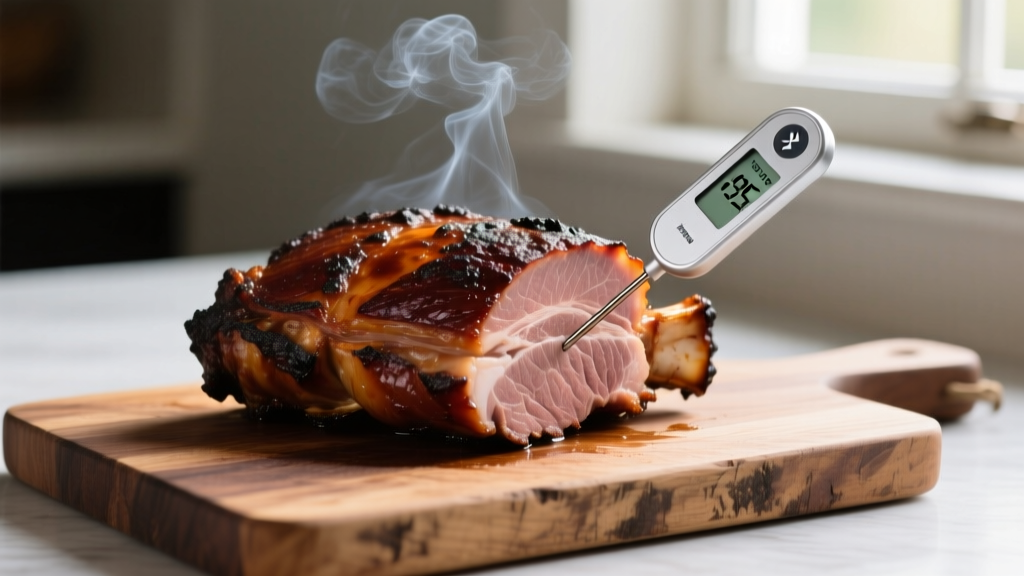
The most misunderstood concept in outdoor grilling is carryover cooking. When you pull a thick cut of meat off the grill, the exterior is significantly hotter than the core. Following the laws of thermodynamics, thermal energy migrates from the hot exterior to the cooler center, raising the internal temperature by 5°F to 15°F during the resting phase. Failing to account for this results in overcooked meat.
For large roasts and thick steaks (over 1.5 inches thick), always pull the meat off the grill exactly 10°F to 12°F below your final target temperature. Let it rest on a warm wooden board—never a cold ceramic plate, which will rapidly siphon heat from the bottom crust.
The USDA Food Safety and Inspection Service mandates specific minimum internal temperatures for food safety, particularly for poultry and ground meats. Below is a matrix correlating USDA safety targets with optimal pull temperatures for carryover cooking.
| Protein Cut | USDA Safe Target Temp | Optimal Pull Temp (Grill) | Minimum Rest Time |
|---|---|---|---|
| Whole Cuts Beef/Pork (Medium-Rare) | 145°F | 130°F - 135°F | 3 Minutes |
| Poultry (Breast & Thigh) | 165°F | 155°F - 158°F | 5 Minutes |
| Ground Meats (Burgers) | 160°F | 155°F (Carryover is minimal) | 1 Minute |
| Smoked Brisket / Pork Shoulder | 203°F (For tenderness) | 195°F | 60 - 120 Minutes |
Troubleshooting Wireless Signal Degradation
When utilizing Bluetooth-enabled basic kitchen gadgets outdoors, signal dropout is the most common point of failure. Bluetooth operates on the 2.4 GHz frequency band, which is highly susceptible to attenuation from physical barriers and electromagnetic interference.
- The Brick Wall Problem: 2.4 GHz signals struggle to penetrate dense masonry. If your grill is on the patio and your phone is inside the kitchen behind a brick or stucco exterior wall, expect a 90% signal loss. Stucco often contains a wire mesh lattice that acts as a Faraday cage, completely blocking the signal.
- Line of Sight (LOS): Always maintain a direct visual line between the transmitter (the grill base unit) and the receiver (your phone). A 165-foot advertised range drops to roughly 30 feet when obstructed by the metal chassis of a large offset smoker.
- Wi-Fi Congestion: If you are hosting a backyard party with 20 guests connected to your home's 2.4 GHz Wi-Fi network, the RF congestion will cause your thermometer app to lag or disconnect. Switch your home devices to the 5 GHz band to clear the airspace for your grilling gadgets.
"The difference between a good backyard cook and a master pitmaster isn't just the quality of the fire; it's the relentless, data-driven tracking of thermal mass. Treat your thermometer not as an accessory, but as the primary instrument of your craft." — Competition BBQ Circuit Veteran
By replacing fragile, indoor-only tools with IP-rated, high-decibel, and dual-sensor alternatives, you transform your outdoor cooking from a guessing game into a precise science. Investing in these specialized basic kitchen gadgets ensures that every summer BBQ yields restaurant-quality results, regardless of the weather or ambient noise.
Written by
Priya SharmaPriya Sharma holds a Ph.D. in Acoustical Engineering from the University of Southampton and a B.Tech in Electronics from IIT Delhi. She has spent 9 years as a consumer electronics journalist, with deep specialization in audio equipment, camera systems, and assistive technology. Priya is an active member of the Audio Engineering Society (AES) and has co-authored papers on spatial audio perception published in the Journal of the Acoustical Society of America. Her reviews of headphones, portable DACs, and studio monitors include objective measurements using Audio Precision analyzers alongside subjective listening tests. She also serves on the advisory board of the Global Accessibility Reporting Initiative (GARI), evaluating mobile devices for users with visual and hearing impairments.