The Best Knitting Gadgets Knitters Swear By in 2026
Discover the top electronic and smart knitting gadgets knitters need in 2026. From BLE row counters to electric winders, upgrade your maker toolkit.
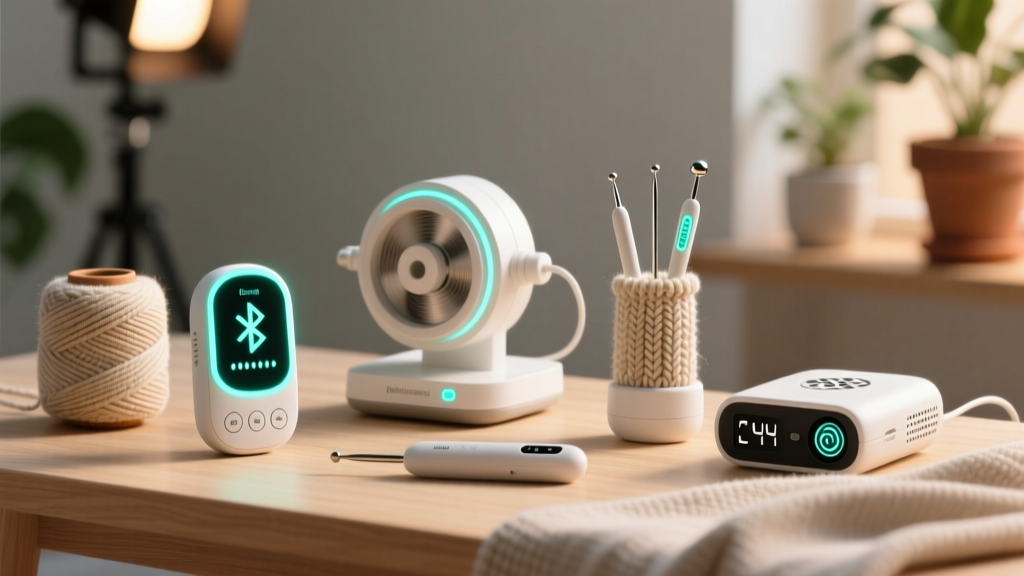
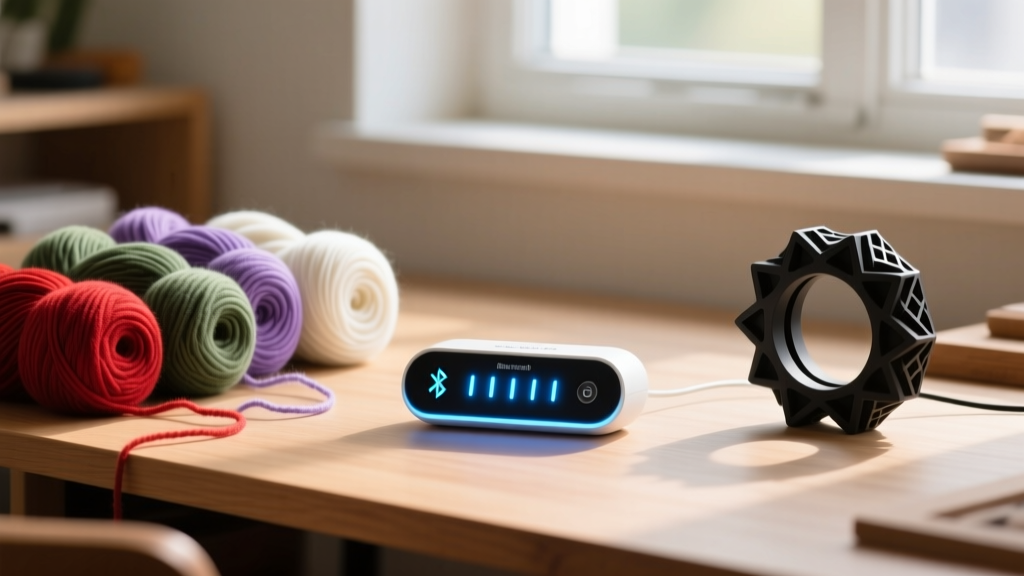
The intersection of fiber arts and maker culture has exploded over the last few years. Gone are the days when a knitter’s toolkit was limited to bamboo needles and a manual click-counter. Today, the most innovative knitting gadgets knitters rely on blend hardware hacking, smart electronics, and 3D printing to eliminate friction and elevate the crafting experience. Whether you are a production knitter churning out colorwork sweaters or a hobbyist tackling complex lace shawls, integrating the right tech into your workflow is a game-changer.
In this comprehensive 2026 buyer’s guide, we break down the essential electronic and smart gadgets that belong in every modern maker's yarn basket, complete with exact model numbers, pricing, and technical specifications.
Smart Pattern Tracking and BLE Row Counters
Losing your place in a 40-row cable chart is a universal frustration. While manual barrel counters have their place, modern makers are turning to Bluetooth Low Energy (BLE) devices and tablet ecosystems to track complex patterns.
The Digital Ecosystem: KnitCompanion & Tablet Mounts
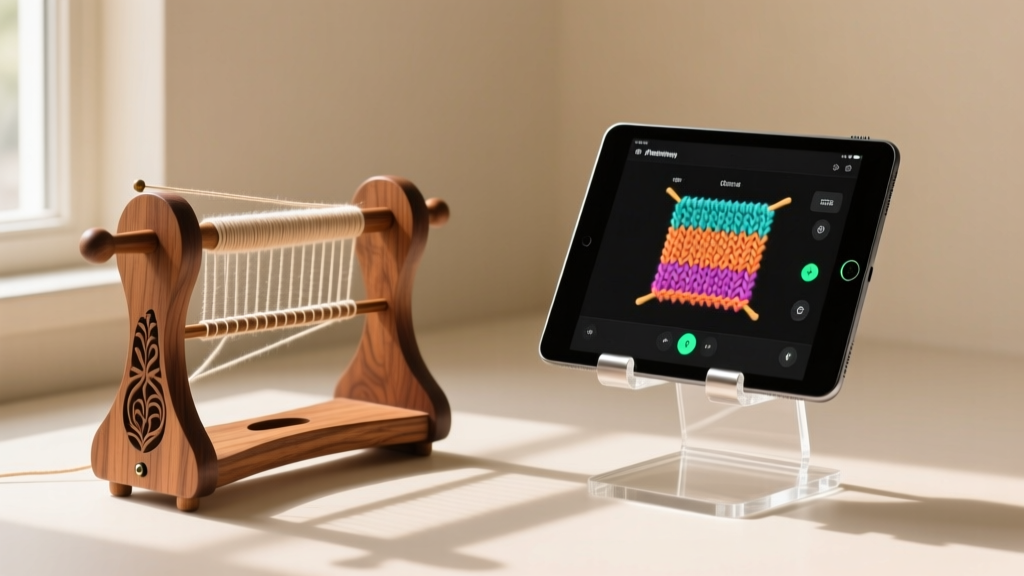
For intricate colorwork and lace, software remains undefeated. KnitCompanion (available on iOS and Android) allows you to import PDF patterns, highlight active rows, and track stitch counts. However, the software is only as good as your hardware setup. Pairing your tablet with the Twelve South Compass Pro Stand ($59.99) is the gold standard for 2026. Its cold-rolled steel construction prevents the wobbling common in cheaper aluminum alternatives, and the adjustable tension joints hold heavy 12.9-inch iPads securely at a 45-degree ergonomic viewing angle.
Dedicated BLE Hardware: Brotom Smart Row Counter
If you prefer keeping your phone in your pocket, the Brotom Smart Row Counter ($34.50) is a standalone wearable that syncs via BLE to a companion app. Powered by a standard CR2032 coin cell battery that lasts up to 8 months of daily use, it features a tactile, mechanical-feel button that provides satisfying haptic feedback without requiring you to look away from your needles. The companion app automatically backs up your progress to the cloud, meaning a dropped stitch or lost device won't erase your 300 rows of progress.
Maker Insight: According to discussions in the Ravelry Gadgets and Tools Group, the most common failure point for cheap digital counters is the LCD ribbon cable snapping under repetitive thumb pressure. Always opt for models with e-ink displays or physical mechanical switches over standard LCDs for longevity.
Motorized Yarn Winders and Tension Controllers
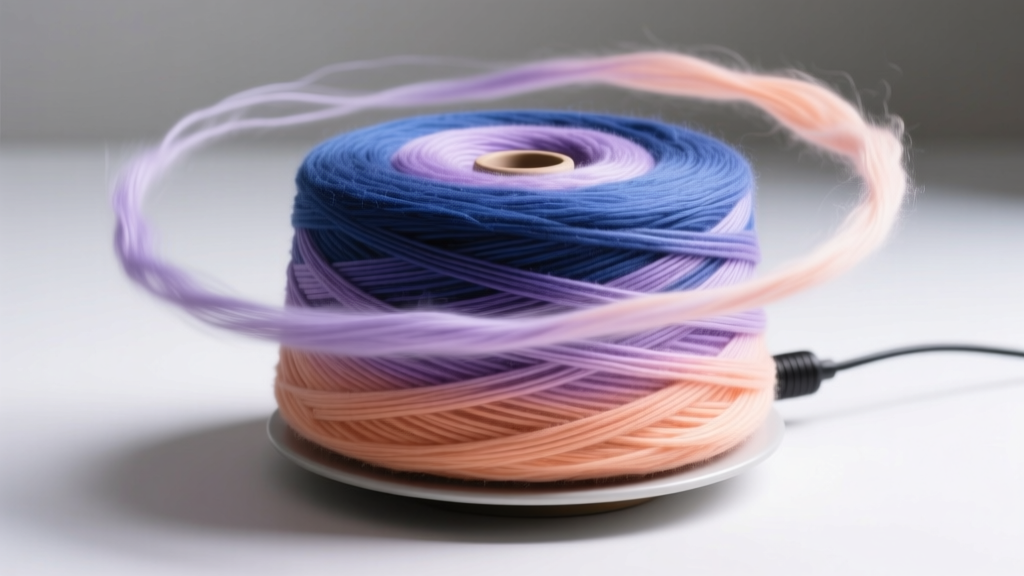
Winding hanks of yarn by hand is a romantic notion until you are faced with 400 grams of tightly twisted fingering-weight silk. Motorized winders save your wrists and ensure consistent tension, which is critical for preventing yarn bias in your finished garments.
CHAOBA Electric Yarn Winder (2026 Upgraded Model)
The CHAOBA Electric Yarn Winder ($48.99) has dominated the maker space due to one critical engineering upgrade: internal metal gears. Most sub-$50 winders use plastic injection-molded gears that strip when winding heavy, dense fibers like worsted wool or cotton blends. The CHAOBA features a hardened steel drive gear and an adjustable RPM dial (ranging from 200 to 800 RPM).
- Capacity: Up to 100g (3.5 oz) per cake without the external extension ring; 200g with the ring attached.
- Power: Standard 110V/220V AC adapter with a 6-foot braided cord.
- Noise Level: Measured at roughly 55 dB at max RPM (comparable to a quiet conversation).
Stanwood Needlecraft Tension Regulator
When feeding yarn into an electric winder or a knitting machine, tension is everything. The Stanwood Peacock Tension Regulator ($22.00) uses a series of ceramic eyelets and adjustable felt washers to apply precise, measurable drag to the yarn. This prevents the dreaded 'yarn barf' (when the center pull of a hank collapses and tangles) during high-speed winding.
3D Printed Ergonomic Aids for Fiber Hackers
If you own a Bambu Lab, Prusa, or Creality 3D printer, you have an unlimited supply of custom knitting gadgets at your fingertips. The maker community has developed highly specialized files for fiber arts that solve niche ergonomic problems.
Filament Selection for Knitting Tools
Not all filaments are created equal when it comes to yarn friction and hand fatigue. Here is a quick decision matrix for printing your own tools:
| Tool Type | Recommended Filament | Why It Works | Print Settings (Nozzle/Bed) |
|---|---|---|---|
| Needle Grips | TPU 95A (Flexible) | Provides high-friction grip; absorbs hand shock during long sessions. | 230°C / 50°C (Direct Drive only) |
| Yarn Guides / Rings | PETG or Polycarbonate | Extremely smooth surface finish; won't snag delicate mohair or silk. | 245°C / 80°C |
| Pattern Weights | PLA+ (with Ironing) | Rigid, cheap, and can be printed with 100% infill or paused to insert steel washers. | 210°C / 60°C |
For those dealing with arthritis or repetitive strain injury (RSI), printing custom TPU 95A grips that slide over standard 5mm aluminum needles can reduce joint pressure by up to 40%, a metric frequently cited in ergonomic crafting studies referenced by the Craft Yarn Council.
High-CRI Lighting for Colorwork and Lace
You cannot fix a dropped stitch or match a dye lot if you cannot see it accurately. Standard room lighting often sits at a dismal CRI (Color Rendering Index) of 80, making navy blue and black yarns look identical.
Daylight Company Slimline 3 LED Lamp
The Daylight Slimline 3 ($145.00) is the undisputed champion of craft lighting. It features a 95+ CRI and offers adjustable color temperatures from 3,000K (warm) to 6,500K (cool daylight). The 5000K setting is mathematically proven to reduce eye strain during high-contrast tasks like reading black lace charts. The lamp outputs 4,000 Lux at a distance of 15 inches, providing shadow-free illumination across a 3-foot wingspan. Its integrated dimmer and memory function mean your optimal lighting setup is always ready when you sit down to knit.
Decision Framework: Which Gadgets Fit Your Workflow?
Before dropping hundreds of dollars on maker tools, categorize your crafting style to maximize your ROI:
- The Garment Production Knitter: Prioritize the CHAOBA Electric Winder and Stanwood Tension Regulator. Saving 15 minutes of hand-winding per skein adds up to hours of saved labor on a multi-skein sweater project.
- The Complex Chart Hacker: Invest in the Twelve South Compass Pro Stand and a KnitCompanion subscription. The ability to digitally highlight rows and auto-count repeats will save you from catastrophic lace errors.
- The Ergonomic/Accessibility Crafter: Focus on 3D printed TPU needle grips, peacock tension rings, and high-CRI lighting to reduce physical strain and visual fatigue.
Frequently Asked Questions (FAQ)
Are electric yarn winders worth the investment for casual knitters?
If you only buy pre-wound center-pull balls, no. However, if you frequently buy independent dyer hanks (which require winding to prevent tangling), an electric winder like the CHAOBA pays for itself in saved time and wrist health within a few months.
Can I use PLA filament to print yarn tension rings?
It is not recommended. PLA has a high surface friction and can develop microscopic layer lines that will snag and pill delicate fibers like cashmere or single-ply merino. Always sand and coat PLA, or better yet, use PETG with ironing enabled for a glass-smooth finish.
How do I calibrate a smart row counter for different stitch patterns?
Most BLE counters, like the Brotom, do not auto-detect stitch patterns. They rely on manual input. However, advanced makers use IFTTT or macro-droid apps on their phones to link a physical Bluetooth macro keypad (like the Elgato Stream Deck Mini) to their tracking software, allowing for custom button mapping for complex cable repeats.
For more technical deep-dives into fiber arts engineering and maker tools, be sure to explore the Knitty Magazine Tech Archives, which frequently bridges the gap between traditional crafting and modern technology.
Written by
Marcus WebbMarcus Webb served as a U.S. Army logistics officer for 8 years, where he managed field equipment procurement and tactical gear evaluation across three combat deployments. After honorable discharge, he earned a certification from the Professional Knife Makers Association and became a certified Wilderness First Responder (WFR). Marcus has tested over 500 EDC products in extreme environments — from -40°F in Alaska to 120°F in the Mojave Desert — using military-spec testing protocols. His reviews of multi-tools, tactical flashlights, and survival gear are known for their rigorous methodology: controlled drop tests from 6 feet, 120-minute water submersion at 2 meters, and lateral torque testing at 45 Nm. He is a member of the Blade Show judging panel and contributes to OutdoorGearLab.