Compact Dash Cam Gadgets: Wine Transport & Space-Saver Vehicle Monitoring
Discover how space-saving dash cams and OBD2 vehicle monitoring gadgets protect delicate cargo like wine collections during transit with climate tracking.
The Intersection of High-End Cargo and Micro Tech
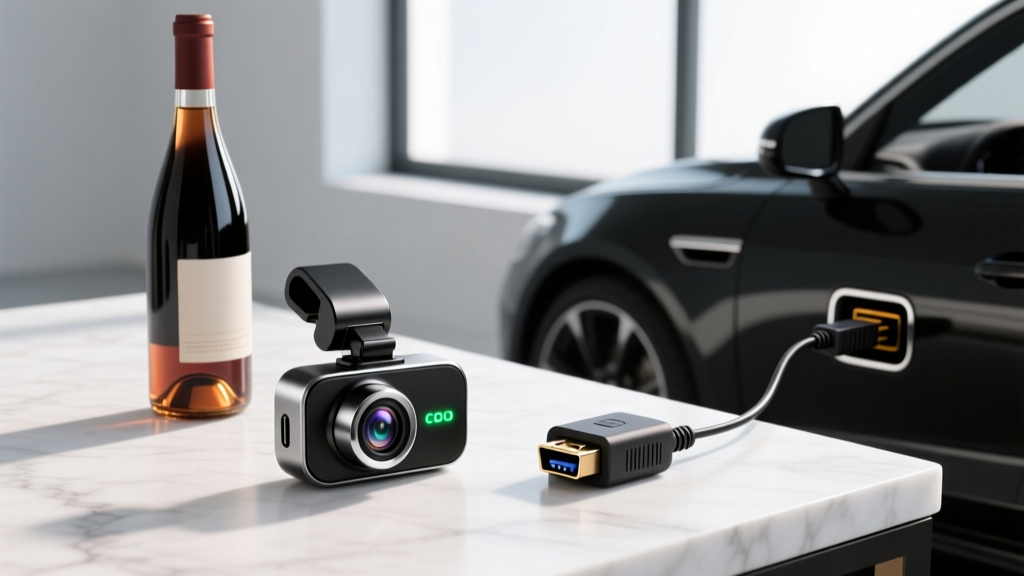
For enthusiasts whose passions bridge the gap between high-tech automotive gadgets, wine collecting, and road-tripping, cargo safety is paramount. Transporting a $500 bottle of 2010 Bordeaux or a delicate case of Willamette Valley Pinot Noir requires far more care than simply tossing it into the trunk. Heat, vibration, and sudden G-force impacts can ruin a vintage in minutes. Yet, traditional vehicle monitoring setups often involve bulky dash cams that obstruct your windshield and take up valuable cabin space.
As of 2026, the market for space-saver vehicle tech has matured beautifully. Micro dash cams and hidden OBD2 telematics now allow you to monitor cabin temperature, track harsh braking, and record incidents without sacrificing an inch of cargo space. Here is how to leverage compact vehicle monitoring gadgets to protect your most delicate investments on the road.
The Hidden Dangers of Transporting Delicate Vintages
Before diving into the hardware, it is crucial to understand the exact failure modes of wine transport. According to Wine Spectator, the ideal storage temperature for wine is 55°F (13°C). When a vehicle cabin or trunk exceeds 80°F (26.6°C), the wine begins to "cook"—a process known as maderization. The liquid expands, pushing the cork upward and breaking the seal, which leads to rapid oxidation.
Beyond temperature, physical agitation is a silent killer of aged wines. Wine Enthusiast notes that excessive vibration can disturb the sediment in older red wines, resulting in a gritty texture and muted flavor profile upon opening. Sudden stops (harsh braking events exceeding 0.4g) can jolt bottles enough to compromise the cork seal over long journeys.
Top Space-Saver Dash Cams for Unobstructed Cargo Hauling
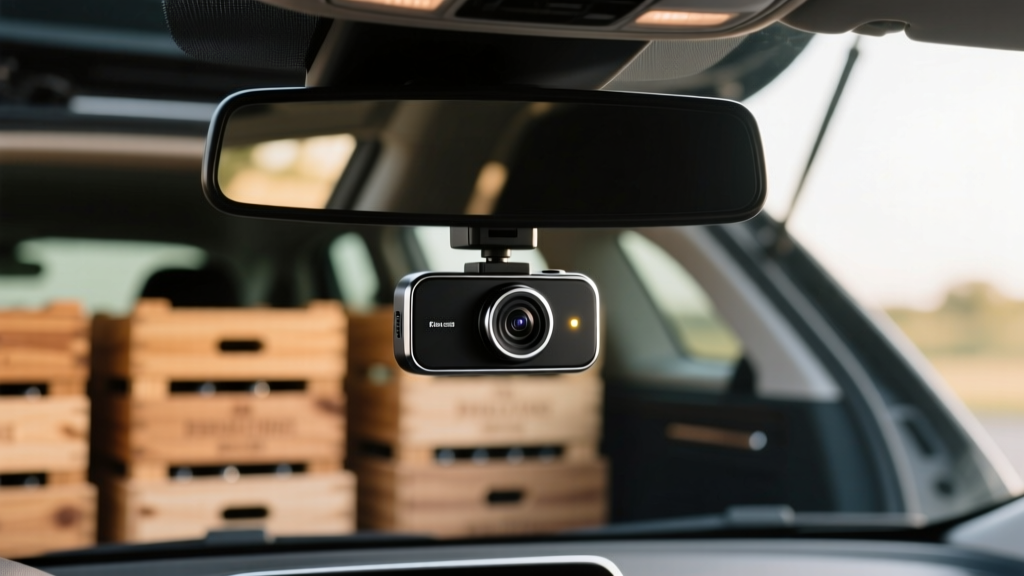
When your trunk and backseat are loaded with wooden wine crates or insulated shippers, you need a dash cam that disappears. Bulky 4-inch screens block your A-pillar visibility and create a claustrophobic cabin environment. The following micro-cams offer premium telemetry and recording capabilities with a near-zero footprint.
| Model | Dimensions | Resolution | Space-Saver Feature | Est. Price |
|---|---|---|---|---|
| Garmin Dash Cam Mini 3 | 3.13 x 2.09 x 0.83 in | 1080p | Screenless design, hides behind mirror | $149.99 |
| BlackVue DR970X-2CH LTE | 4.2 x 1.5 x 1.5 in (Cylindrical) | 4K UHD | Tubular shape tucks into headliner | $549.00 |
| Nextbase iQ | 3.9 x 1.8 x 1.4 in | 2K QHD | Smart cabin view, compact wedge shape | $499.99 |
Why the Garmin Mini 3 Wins for Pure Space Saving
The Garmin Dash Cam Mini 3 is roughly the size of a car key fob. Weighing just 1.4 ounces, it mounts directly behind the rearview mirror, rendering it completely invisible from the driver's seat. While it lacks built-in temperature sensors, its voice-control features and ultra-compact hardwire kit mean you have zero cables dangling across your dashboard, maximizing the usable space for navigating tight cabin environments.
OBD2 & Hidden Telematics: Tracking Climate and G-Forces
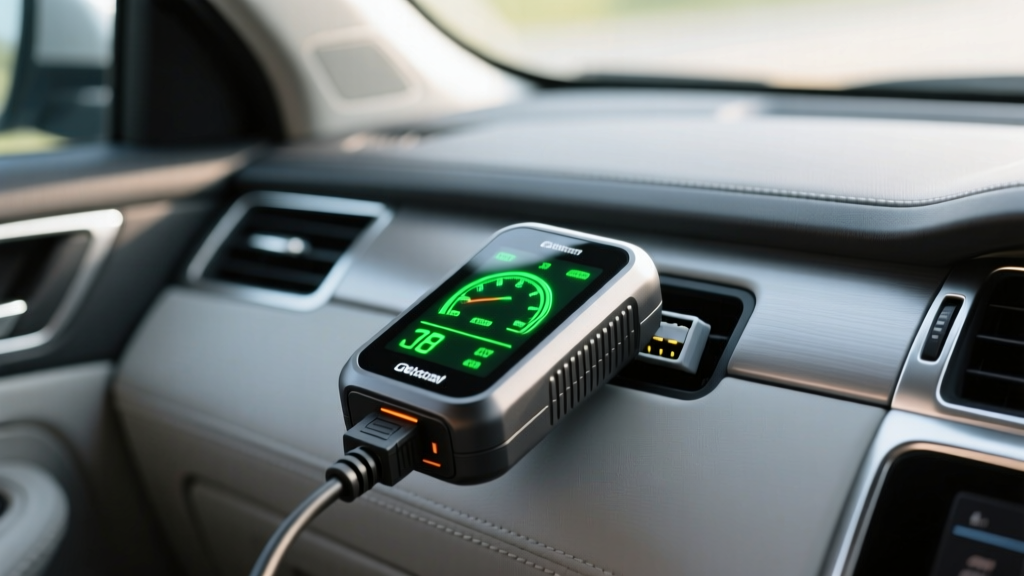
If your primary goal is monitoring the physical environment of your cargo rather than recording video, hidden OBD2 (On-Board Diagnostics) trackers are the ultimate space-saver. These devices plug directly into your vehicle's under-dash diagnostic port, requiring zero windshield real estate.
Pro Tip: Pair an OBD2 tracker with a Bluetooth-enabled cabin temperature sensor. Place the sensor directly inside your insulated wine shipper or trunk area to get real-time telemetry on your cargo's exact micro-climate, independent of the car's HVAC system.
Bouncie vs. Vyncs for Cargo Monitoring
- Bouncie OBD2 Tracker ($29 + $9/mo): Excellent for tracking driving habits. Bouncie's accelerometer accurately logs harsh braking and rapid acceleration events. If your app notifies you of a 0.5g braking event, you know your trunk cargo just experienced a significant jolt, allowing you to inspect your wine shippers at your next stop.
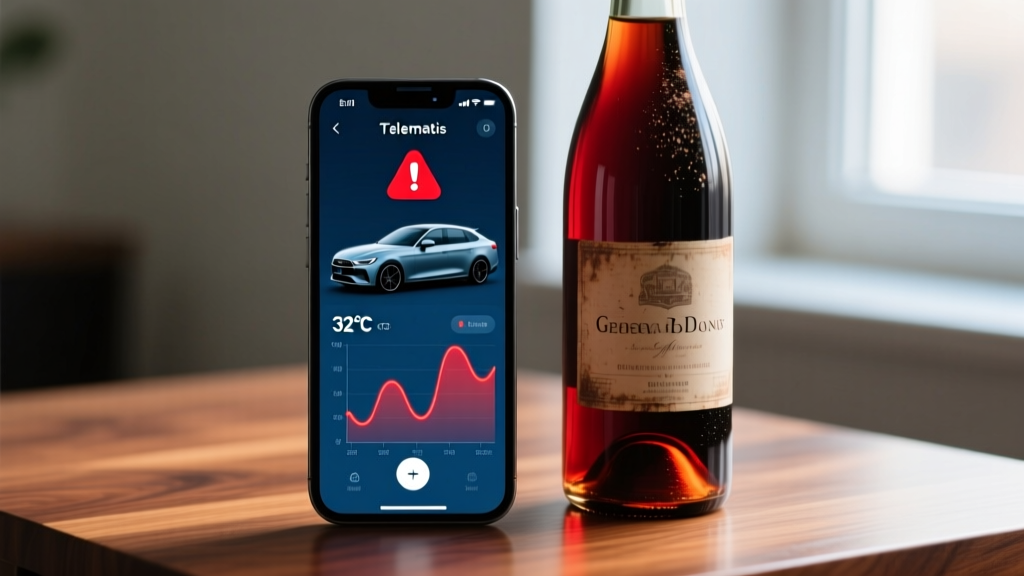
- Vyncs Prime 4G ($89.99/yr): Vyncs offers an optional temperature and humidity sensor add-on. This is critical for wine transport. You can set custom geofences and climate alerts, receiving a push notification the second your trunk temperature breaches the dangerous 75°F threshold.
Step-by-Step: Configuring Alerts for High-Value Cargo
To create a seamless, space-saving monitoring network for your next transport, follow this configuration framework:
- Install the Hardwire Kit First: Use a low-profile hardwire kit (like the Garmin GWL 1.0) routed through the A-pillar to the fuse box. This eliminates the need for a bulky 12V cigarette lighter adapter, freeing up your center console for armrest storage.
- Mount the Micro-Cam: Place the camera within the dotted matrix (frit band) behind the rearview mirror. Ensure the lens is centered but the body is tucked high enough to avoid reflecting on the dashboard.
- Calibrate the G-Sensor: Set your dash cam's G-sensor sensitivity to "High." Wine cargo is sensitive; you want the camera to lock and save footage even during minor pothole impacts that might not trigger a standard "Medium" setting.
- Set Climate Thresholds: In your OBD2 companion app, set a hard alert for 78°F (25.5°C). This gives you a 2-degree buffer before the wine enters the danger zone, allowing you to adjust the vehicle's rear AC vents or crack a window before damage occurs.
Real-World Failure Modes to Avoid
Even the best compact gadgets have edge cases. Be aware of these common failure modes when transporting sensitive cargo:
- Wi-Fi Sync Failures in Rural Areas: Many micro-cams rely on Wi-Fi to download clips to your phone. If you are driving through rural wine country (e.g., the winding roads of Sonoma), you may not be able to verify footage until you reach a cell signal. Opt for LTE-enabled models if real-time verification is mandatory.
- OBD2 Port Power Drain: Hidden trackers draw continuous power. If your vehicle sits for more than 48 hours after a wine-picking trip, an OBD2 tracker can drain a weak 12V battery. Always unplug the device or use a model with an integrated low-voltage cutoff.
- Trunk Heat Soak: Cabin AC does not always reach the trunk effectively. Relying on the dash cam's internal temperature sensor (which measures the front cabin) will give you a false sense of security regarding trunk-stored wine. Always use a secondary Bluetooth probe in the cargo area.
Frequently Asked Questions
Can I legally mount a dash cam behind the rearview mirror?
Yes, in most jurisdictions, mounting a compact dash cam behind the rearview mirror is not only legal but recommended, as it prevents the device from obstructing the driver's line of sight. Always check local windshield obstruction laws, but micro-cams like the Garmin Mini 3 easily comply with federal and state visibility guidelines.
Do I need a dual-channel dash cam for wine transport?
A rear-facing camera is highly recommended. If a rear-end collision occurs, the impact will directly affect your trunk cargo. A compact rear-window camera (like the BlackVue DR970X-2CH) provides crucial evidence for insurance claims regarding damaged high-value goods.
Will the infrared (IR) LEDs on cabin-facing cams affect the wine?
No. The IR LEDs used for night-vision parking mode emit negligible heat and zero UV radiation. They pose absolutely no risk to the chemical stability of your wine, even if the camera is pointed directly at an exposed bottle in the backseat.
Written by
Lena ChenLena Chen earned her M.S. in Human-Computer Interaction from Carnegie Mellon University and a B.S. in Electrical Engineering from the University of Washington. She has spent the past decade specializing in smart home architecture and IoT ecosystems, helping over 200 homeowners design fully connected living spaces. Lena is a certified Matter protocol consultant and has published peer-reviewed research on voice-first interface design in the ACM Digital Library. Her reviews of smart home products combine deep technical analysis with real-world usability testing, evaluating everything from Zigbee mesh stability to Alexa skill responsiveness. She regularly speaks at CEDIA Expo and CES smart home panels.