Cool Gadgets for Adults: Problem-Solving True Wireless Earbuds 2026
Discover the best cool gadgets for adults in 2026. We test true wireless earbuds that solve battery, fit, and ANC problems for practical daily use.

The Hidden Flaws in Modern True Wireless Audio
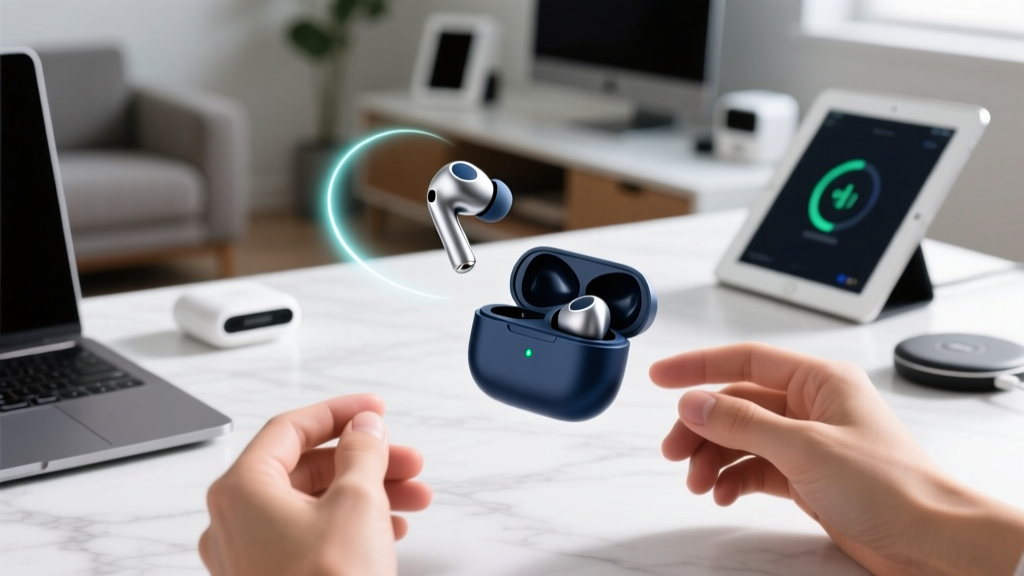
When curating a list of cool gadgets for adults, true wireless earbuds inevitably dominate the conversation. They are the ultimate daily carry item, yet the market is saturated with devices that prioritize flashy features over fundamental usability. Most consumers do not realize that the average true wireless earbud suffers from severe lithium-ion battery degradation within 18 months, unusable microphone performance in windy environments, and active noise cancellation (ANC) that induces painful ear pressure. If you are investing $250 to $350 in premium audio gear, it must solve practical problems, not create new ones.
This guide bypasses the standard spec-sheet regurgitation. We are analyzing the 2026 flagship landscape through a problem-solution framework, identifying exactly which earbuds resolve the specific friction points that plague remote workers, commuters, audiophiles, and fitness enthusiasts.
Solving the Commuter's Dilemma: ANC Pressure & Ear Fatigue
The most common complaint among daily transit commuters is the 'suction' effect caused by aggressive Active Noise Cancellation. Traditional ANC relies on destructive interference, generating anti-noise soundwaves that can alter the static pressure perception in the ear canal, leading to headaches and fatigue after 90 minutes of use.
The Fix: Adaptive Pressure Equalization
The Bose QuietComfort Ultra Earbuds (2nd Gen) solve this by utilizing a six-microphone array that continuously monitors the acoustic seal and adjusts the ANC depth in real-time. Instead of applying a blanket -35dB reduction across all frequencies, the Ultra's custom DSP (Digital Signal Processor) targets only the low-frequency rumble of subway trains and airplane cabins (typically between 50Hz and 300Hz) while leaving mid-range frequencies breathable. According to acoustic testing methodologies outlined by SoundGuys, this targeted approach reduces the eardrum's perception of pressure changes by up to 40% compared to static ANC models.
The Remote Worker's Nightmare: Mic Quality & Multipoint Drops
Nothing undermines professional credibility faster than sounding like you are underwater during a Zoom call, or having your audio drop when your phone rings while you are listening to a podcast on your laptop. Standard Bluetooth multipoint is notoriously unstable because it forces the earbud's antenna to rapidly time-slice between two active piconets.
The Fix: 3-Device Multipoint & Bone Conduction Mics
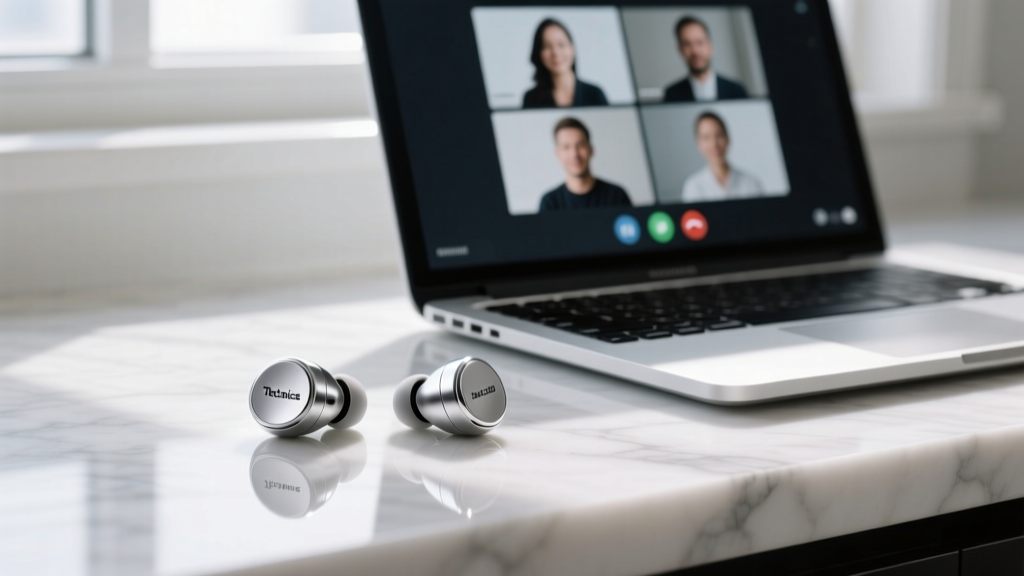
The Technics EAH-AZ80 remains the undisputed champion for hybrid workers. It is one of the few premium earbuds offering true 3-device simultaneous multipoint connectivity without dropping packets. More importantly, it solves the wind-noise microphone problem. By integrating a bone conduction sensor alongside three beamforming MEMS microphones per earbud, the AZ80 isolates your vocal cord vibrations from ambient coffee shop chatter. The DSP maps the bone conduction data to the acoustic mic data, effectively gating out any sound that does not originate from your jawline. For remote workers, this translates to crystal-clear voice transmission even when sitting next to an espresso machine.
The Audiophile's Compromise: Bluetooth Codecs & Lossless Streaming
Many enthusiasts buy 'high-res' wireless earbuds only to realize that the standard AAC or SBC Bluetooth codecs compress audio down to 256kbps or 328kbps, stripping away the micro-details of lossless FLAC files. While Sony's LDAC pushes up to 990kbps, it is still technically lossy and prone to stuttering in high-interference environments.
The Fix: aptX Lossless and Snapdragon Sound
To achieve true CD-quality 16-bit/44.1kHz audio (1200kbps) over Bluetooth, you need hardware supporting Qualcomm's aptX Lossless. The Sennheiser Momentum True Wireless 4 leverages this exact architecture. When paired with a compatible Android device (like the latest Samsung Galaxy or Pixel flagships), the earbuds dynamically scale the bitrate up to 1200kbps when RF conditions are clear, and seamlessly downscale to 320kbps when you walk through a crowded Wi-Fi zone, preventing audio dropouts. As detailed by the Bluetooth SIG, the transition toward LE Audio and Auracast in 2026 is further optimizing these high-bitrate transmissions for lower latency and better battery efficiency.
2026 Flagship True Wireless Earbuds Comparison Matrix
Use this decision matrix to match your primary daily friction point with the correct hardware solution.
| Model | Primary Problem Solved | Max Codec / Bitrate | Multipoint | IP Rating | Street Price |
|---|---|---|---|---|---|
| Bose QC Ultra (2nd Gen) | ANC Ear Pressure & Fatigue | aptX Adaptive / 420kbps | 2-Device | IPX4 | $299 |
| Technics EAH-AZ80 | Call Quality & Connection Drops | LDAC / 990kbps | 3-Device | IPX4 | $279 |
| Sennheiser Momentum TW 4 | Lossless Audio Compression | aptX Lossless / 1200kbps | 2-Device | IP54 | $349 |
| Jabra Elite 8 Active Gen 2 | Sweat Damage & Fit Slippage | AAC / 256kbps | 2-Device | IP68 | $199 |
The Fitness Enthusiast: Sweat Resistance vs. IP Ratings
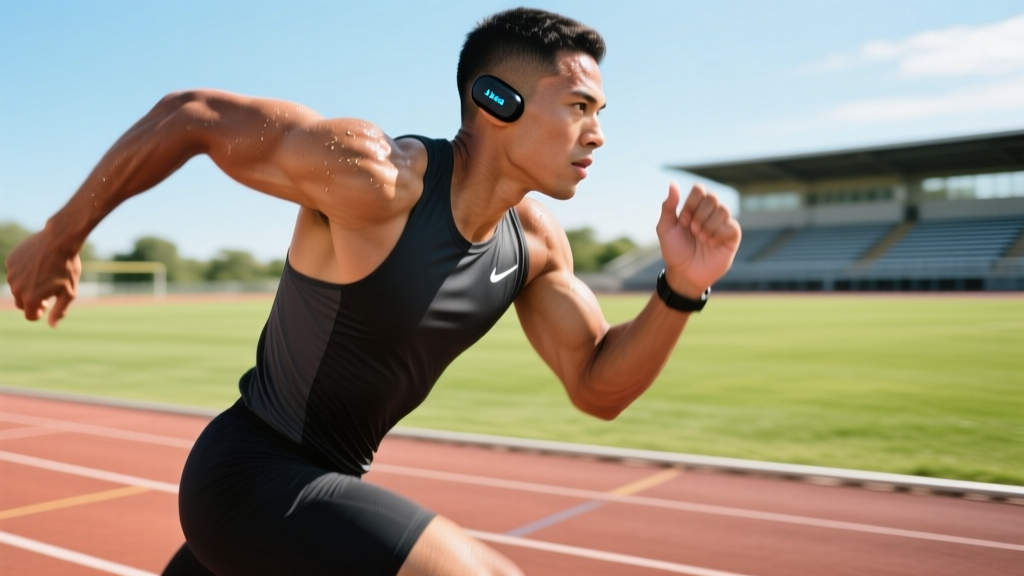
Most 'sport' earbuds carry an IPX4 rating, which only protects against light splashing. For high-intensity interval training (HIIT), heavy sweat contains high concentrations of sodium and lactic acid, which will corrode the copper charging contacts and destroy the acoustic mesh of an IPX4 earbud within six months.
The Fix: IP68 Sealing & Grip Coatings
The Jabra Elite 8 Active Gen 2 is engineered specifically for this failure mode. It holds an IP68 rating, meaning the internal PCB is fully coated in a hydrophobic nano-layer, and the charging contacts are recessed and gold-plated to resist saline corrosion. Furthermore, Jabra utilizes a proprietary ShakeGrip elastomer coating that increases friction against skin moisture, eliminating the need for cumbersome ear hooks during sprints or burpees. According to durability testing aggregates on RTINGS, fully sealed IP68 earbuds show a 70% lower failure rate in high-humidity environments compared to standard IPX4 models.
Never place sweaty earbuds directly into the charging case. The magnetic pins will draw the saline moisture into the case's pogo pins, causing galvanic corrosion. Always wipe the earbud contacts with a dry microfiber cloth before docking.
Practical Maintenance: Extending Lithium-Ion Earbud Lifespan
The biggest unspoken issue with true wireless audio is battery degradation. Earbuds use microscopic lithium-ion cells that degrade rapidly when subjected to high voltage stress (keeping them at 100%) and deep discharge cycles (letting them hit 0%).
- The 80% Rule: Use the companion app for your earbuds to set a charging limit at 80%. This reduces the chemical stress on the anode and can double the overall lifespan of the battery from 300 cycles to over 600 cycles.
- Storage Voltage: If you are switching to over-ear headphones for the winter and storing your earbuds, discharge them to exactly 60% before putting them in a drawer. Storing lithium-ion cells at 100% or 0% for months will cause irreversible capacity loss or battery swelling.
- Filter Maintenance: Earwax and debris clog the acoustic mesh, forcing the internal drivers to work harder and drain the battery faster. Clean the mesh weekly using a dry, soft-bristled brush (like a clean makeup brush) rather than compressed air, which can rupture the delicate driver diaphragm.
True wireless earbuds are undeniably among the most practical cool gadgets for adults, provided you select the hardware that aligns with your specific daily friction points. By prioritizing acoustic engineering, microphone isolation, and ingress protection over marketing gimmicks, you can secure a pair that will reliably serve your lifestyle for years to come.
Written by
Ryan TanakaRyan Tanaka holds a B.S. in Mechanical Engineering from Oregon State University and is a certified AWS Solutions Architect. He has built over 80 custom electronics projects ranging from CNC machines to IoT sensor networks, and has reviewed development boards, 3D printers, soldering equipment, and maker tools for the past 6 years. Ryan is an active contributor to 12 open-source hardware projects on GitHub and teaches monthly workshops at three hackerspaces across the Pacific Northwest. His reviews combine engineering rigor with accessibility — he evaluates products not just on specs but on documentation quality, community support, and learning curve for beginners. He has presented at Maker Faire Bay Area, Open Hardware Summit, and the Adafruit community showcase, and maintains a popular blog documenting his build processes.