Cool Japanese Gadgets: Custom Mechanical Keyboards for 2026
Discover the best cool Japanese gadgets for your desk. Our 2026 buyer's guide covers Topre switches, JIS layouts, and premium custom mechanical keyboards.
The Allure of Japanese Input Engineering
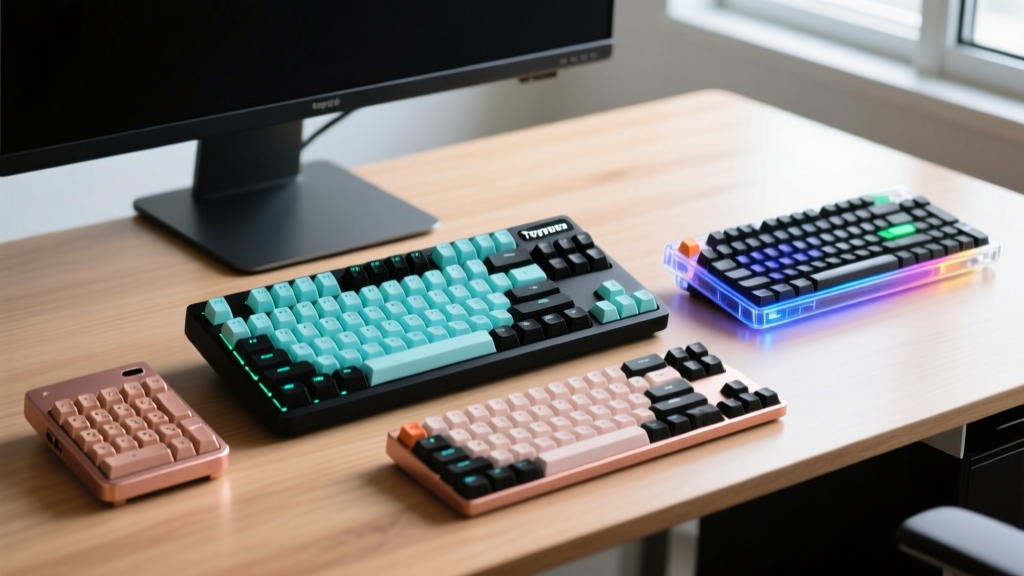
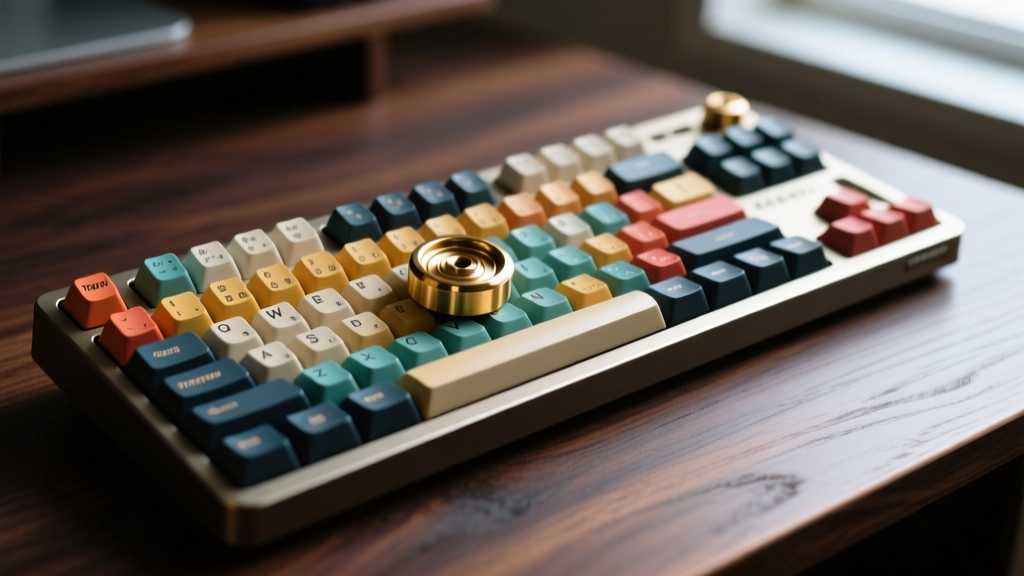
When enthusiasts search for cool Japanese gadgets, the conversation often defaults to cameras, audio equipment, or gaming consoles. However, the most tactile and deeply engineered consumer electronics emerging from Japan today are custom mechanical keyboards and input devices. The Japanese peripheral market operates on a fundamentally different philosophy than Western mass-market brands: prioritizing ergonomic longevity, precise tactile feedback, and legacy manufacturing techniques over RGB lighting and aggressive gamer aesthetics.
In 2026, the custom keyboard hobby has matured into a highly technical pursuit. Japanese manufacturers like PFU Limited, Topre Corporation, and boutique Akihabara-based design houses continue to set the global benchmark for typing acoustics and build quality. Whether you are a programmer seeking the ultimate coding tool or a hardware enthusiast looking to build a bespoke JIS-layout input device, understanding the nuances of Japanese switch mechanics and layout standards is mandatory before spending upwards of $300 on premium hardware.
Topre vs. Mechanical: Understanding the Switch Philosophy
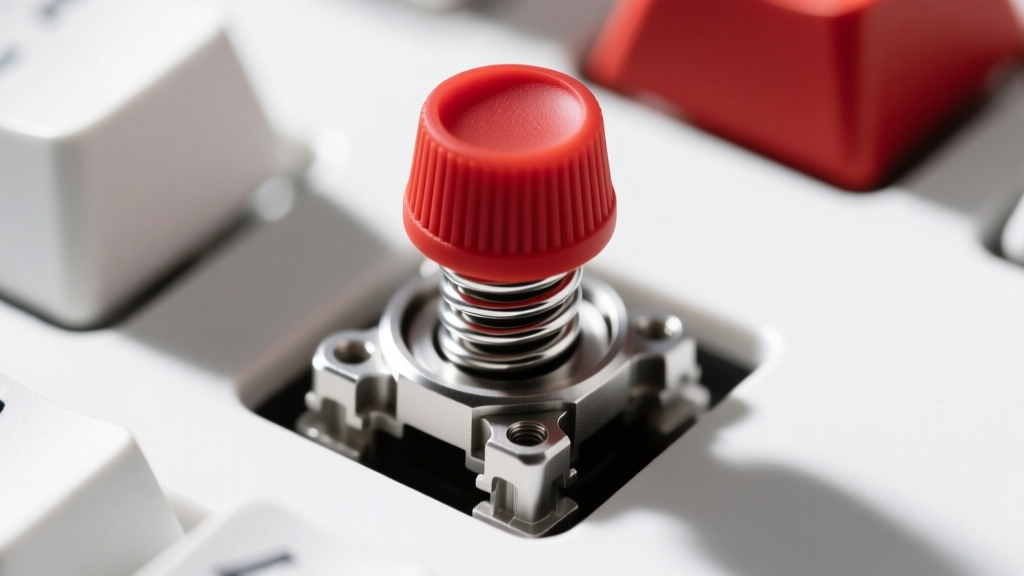
The cornerstone of high-end Japanese input devices is the electrostatic capacitive switch, most notably manufactured by Topre Corporation. Unlike traditional Cherry MX-style mechanical switches that rely on physical metal leaf contacts to register a keystroke, Topre switches utilize a conical steel spring beneath a silicone rubber dome.
When a key is pressed, the spring compresses, changing the electrical capacitance between the PCB pad and the spring itself. This non-contact actuation yields several distinct advantages:
- Zero Contact Bounce: Eliminates the need for software debouncing, resulting in theoretically lower latency at the hardware level.
- Acoustic Profile: The silicone dome absorbs high-frequency bottom-out noise, producing the deep, resonant 'thock' highly prized in the custom keyboard community.
- Durometer Tuning: Topre offers highly specific dome stiffness ratings (30g, 45g, and 55g) that dictate the tactile bump's prominence.
Actuation and Tactility Matrix
| Switch Type | Actuation Force | Tactile Event | Expected Lifespan | Best Use Case |
|---|---|---|---|---|
| Topre 30g | 30g (Bottom-out) | Very subtle dome collapse | 30+ Million presses | Light-touch typists, RSI prevention |
| Topre 45g | 45g (Bottom-out) | Pronounced, rounded tactile bump | 30+ Million presses | General programming, office environments |
| Topre 55g | 55g (Bottom-out) | Sharp, heavy tactile resistance | 30+ Million presses | Heavy-handed typists, dedicated writing |
| Standard MX Brown | 45g (Bottom-out) | Scratchy, linear-feeling bump | 50+ Million presses | Budget gaming, mixed-use |
2026 Buyer's Matrix: Premium Japanese Keyboards
If you are entering the market for authentic Japanese input devices, these three models represent the current apex of production and semi-custom manufacturing.
1. HHKB Professional Hybrid Type-S
Produced by PFU Limited, the Happy Hacking Keyboard (HHKB) remains the gold standard for Unix programmers and Vim users. The Hybrid Type-S (Silent) integrates Bluetooth 5.2 LE alongside USB-C, solving the historical latency complaints of earlier wireless Topre boards. It features a unique 60% layout that eliminates the dedicated arrow cluster and function row, relying on chorded key combinations (e.g., Fn + [ for Backspace). Price: ~$315 USD. Weight: 540g. Keycaps: Dye-sublimated PBT.
2. Realforce R3 (APC Model)
The Realforce R3 is the flagship full-size offering from Topre's own consumer division. The defining feature of the R3 is the Actuation Point Changer (APC), which allows users to physically adjust the switch actuation depth via software to 1.5mm, 2.2mm, or 3.0mm. This makes it one of the only Topre boards capable of transitioning from a rapid-response gaming profile to a deep-travel typing profile on the fly. The chassis utilizes a heavy zinc die-cast top plate, weighing in at a massive 1.4kg. Price: ~$285 USD. Layout: 104-key ANSI or 109-key JIS.
3. Tokyo60 (Rev 4 Barebones Kit)
For the true custom builder, the Tokyo60 is a 60% barebones PCB and case kit designed specifically to house Topre switches natively, without requiring the expensive and fragile Topre-to-MX adapters used in the past. The Rev 4 introduces a gasket-mounted polycarbonate plate for a softer typing feel and enhanced acoustic dampening. You must source your own Topre housing, sliders, and domes to complete the build. Price: ~$140 USD (Barebones kit only).
Navigating the JIS Layout Paradigm
When sourcing cool Japanese gadgets from domestic retailers like Yusha Kobo or KBDfans Japan, you will frequently encounter the JIS (Japanese Industrial Standards) keyboard layout. Understanding the physical differences between ANSI (US standard) and JIS is critical before importing hardware, as standard US keycap sets will not fit a JIS board.
The JIS layout features 109 keys compared to the ANSI 104. Key physical deviations include a smaller 1.5U right Shift key, a 1U Backspace key (instead of 2U), and a smaller 1.75U left Shift. Furthermore, the bottom row includes dedicated Henkan (convert) and Muhenkan (no convert) keys flanking a shrunken spacebar. Unless you specifically type in Japanese or require these extra macro keys, it is highly recommended to filter your searches for 'ANSI' variants when buying Japanese-manufactured boards.
For a comprehensive breakdown of the historical and physical specifications of the JIS standard, the Deskthority Wiki's JIS layout documentation provides exact millimeter measurements and scan-code mappings for custom firmware programming via QMK or VIA.
Sourcing Artisan Keycaps and Custom Switches
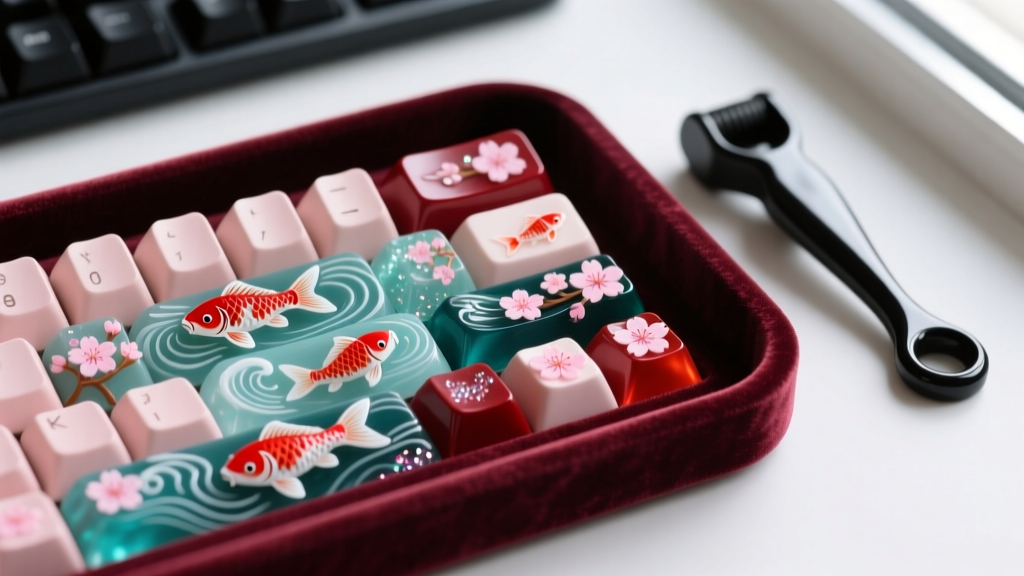
Beyond complete keyboards, Japan is the undisputed global hub for artisan keycaps and boutique switch lubrication services. Brands like Artisan (famous for their Hako and Kingly keys resin keycaps) and GMK (whose high-end PBT keycap sets are often manufactured or designed by Japanese firms) command massive secondary market premiums.
Step-by-Step: Importing from Japanese Proxy Services
- Identify the Retailer: Target specialized Japanese hobby shops like Yusha Kobo, Tenkey, or the Japanese domestic version of KBDfans.
- Use a Proxy Forwarder: Most domestic Japanese sites do not ship internationally or accept foreign credit cards. Register with a proxy service like Buyee, ZenMarket, or Neokyo.
- Consolidate Shipping: Warehousing your items at the proxy's Japanese facility allows you to combine multiple small orders (e.g., a PCB from one shop, artisan caps from another) into a single DHL or EMS parcel, saving up to 40% on international freight.
- Declare Accurately: Japanese customs export laws are strict. Ensure your proxy declares the exact contents (e.g., 'PCB and plastic keycaps') rather than generic 'electronics' to avoid import holds in your destination country.
Frequently Asked Questions
Does the HHKB Hybrid Type-S suffer from Bluetooth latency for gaming?
Yes. While the 2026 firmware updates have improved polling rates to 125Hz over Bluetooth, the inherent latency of wireless Topre actuation (roughly 12ms-15ms) makes it unsuitable for competitive esports. For gaming, use the included USB-C cable, which drops latency to sub-3ms levels.
Can I put standard Cherry MX switches in a Realforce R3?
No. The Realforce R3 PCB and top plate are engineered exclusively for Topre electrostatic capacitive housings. The physical footprint and electrical sensing pads are entirely incompatible with mechanical metal-leaf switches.
Are Japanese domestic market (JDM) keyboards covered by international warranties?
Generally, no. Brands like PFU and Topre typically enforce region-locked warranties. If you import a JDM Tokyo60 or HHKB via a proxy service, you are responsible for return shipping to Japan for any RMA claims, which often exceeds the cost of the device itself.
Written by
Ryan TanakaRyan Tanaka holds a B.S. in Mechanical Engineering from Oregon State University and is a certified AWS Solutions Architect. He has built over 80 custom electronics projects ranging from CNC machines to IoT sensor networks, and has reviewed development boards, 3D printers, soldering equipment, and maker tools for the past 6 years. Ryan is an active contributor to 12 open-source hardware projects on GitHub and teaches monthly workshops at three hackerspaces across the Pacific Northwest. His reviews combine engineering rigor with accessibility — he evaluates products not just on specs but on documentation quality, community support, and learning curve for beginners. He has presented at Maker Faire Bay Area, Open Hardware Summit, and the Adafruit community showcase, and maintains a popular blog documenting his build processes.