Do It Yourself Spy Gadgets for Women's Outdoor & Camping Safety
Learn how to build do it yourself spy gadgets for outdoor safety. Discover budget-friendly DIY perimeter alarms and hidden trail cameras for camping.
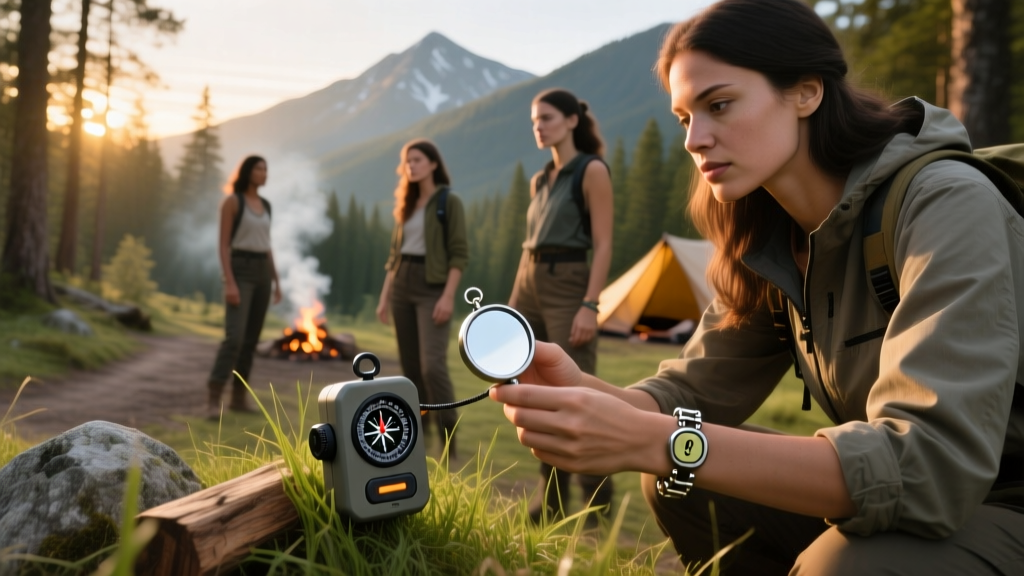
The surge in solo female camping and overlanding has been one of the most empowering outdoor trends of the decade. However, venturing into remote areas alone requires more than just a good tent and a first-aid kit; it demands situational awareness and tactical preparation. While commercial security systems are great for suburban homes, they are useless in the deep woods where Wi-Fi and power grids don't exist. This is where learning to build do it yourself spy gadgets becomes a critical survival skill.
By repurposing everyday electronics and leveraging off-grid communication protocols, you can create a sophisticated, multi-layered perimeter defense system for under $100. In this guide, we will explore three highly effective, field-tested DIY spy gadgets designed specifically for women's outdoor safety, complete with exact component lists, failure modes, and deployment strategies.
Why Outdoor Safety Requires a Tactical Approach
According to the National Park Service, most campsite incidents occur during low-light hours when visibility is compromised and fatigue sets in. Traditional safety advice often relies on passive measures like locking car doors or keeping a flashlight nearby. A tactical approach, however, focuses on early warning and information gathering. By deploying DIY surveillance and perimeter alarms, you shift the advantage in your favor, transforming your campsite from a vulnerable target into a monitored fortress.
3 Do It Yourself Spy Gadgets for Campsite Security
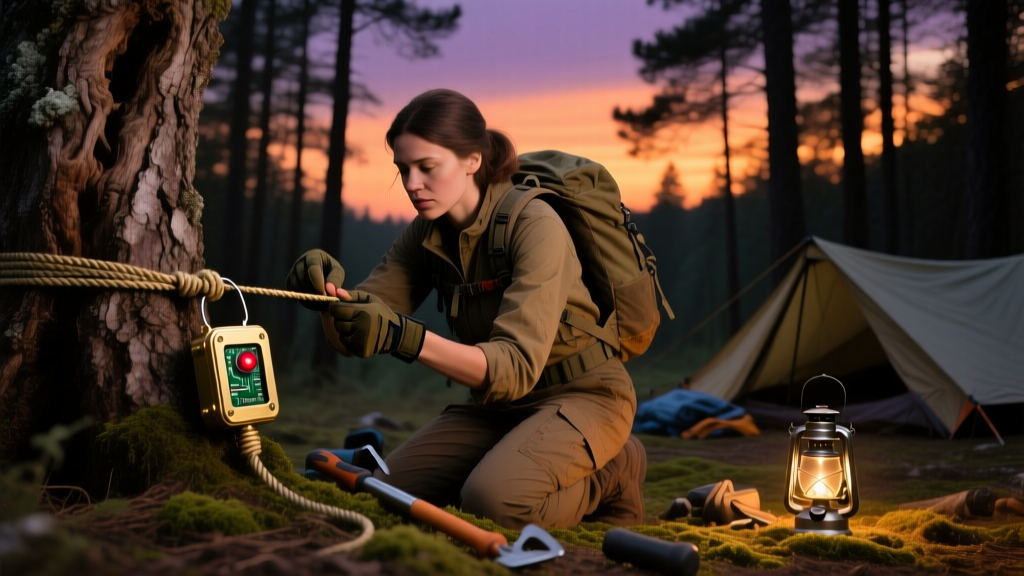
1. The Paracord 'Silent Tripwire' (Luggage Alarm Hack)
Commercial tripwires are expensive and often rely on loud, easily disabled sirens. For a stealthier approach, we hack a standard anti-theft travel alarm. The Lewis N. Clark Anti-Theft Travel Lock Alarm (approx. $15) features a retractable pin that triggers a 105dB siren when pulled.
The Build:
- Disable the internal speaker by opening the casing and placing a piece of electrical tape over the piezoelectric buzzer, or desolder it entirely if you are comfortable with a soldering iron.
- Wire a small 3.3V vibrating pager motor (available in bulk online for pennies) to the alarm circuit.
- Attach 50 feet of 550 paracord to the retractable pin using a bowline knot.
Deployment: String the paracord across the main approach vectors to your tent at ankle height (about 6 inches off the ground). Clip the vibrating motor to your sleeping bag or pillow. If a person or large animal breaches the perimeter, the pin pulls, and you receive a silent, haptic wake-up call, allowing you to grab your bear spray or emergency satellite communicator without alerting the intruder that they've been detected.
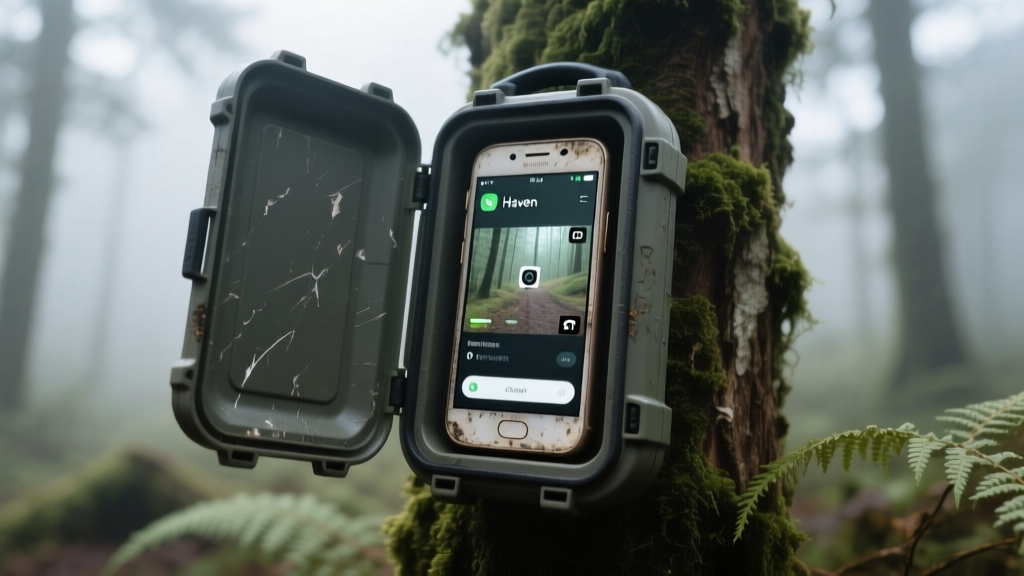
2. The Upcycled Smartphone Trail Camera (Haven App)
Dedicated trail cameras cost upwards of $150 and only capture still images. You can build a vastly superior, real-time surveillance node using an old Android smartphone and the Haven app, developed by the Guardian Project.
The Build:
- Factory reset an old Android device and install the Haven app.
- Configure the app to monitor the camera, microphone, and accelerometer.
- Power the device using an Anker 325 Power Bank (20,000mAh) ($45), which provides roughly 72 hours of continuous standby time.
- Seal the phone and battery inside an O-ring sealed dry box (like the Pelican 1010, approx. $25) with two silica gel desiccant packs to prevent lens fogging.
Deployment: Mount the dry box at a 15-degree downward angle, strapped to a tree about 5 feet off the ground, facing your campsite's blind spots. If you have cellular service, Haven will instantly send photos and audio clips to a secure Signal chat. If you are off-grid, it logs everything to the phone's local SD card, providing you with crucial evidence of any tampering or stalking behavior upon your return.
3. The Off-Grid Mesh Perimeter Node (Meshtastic)
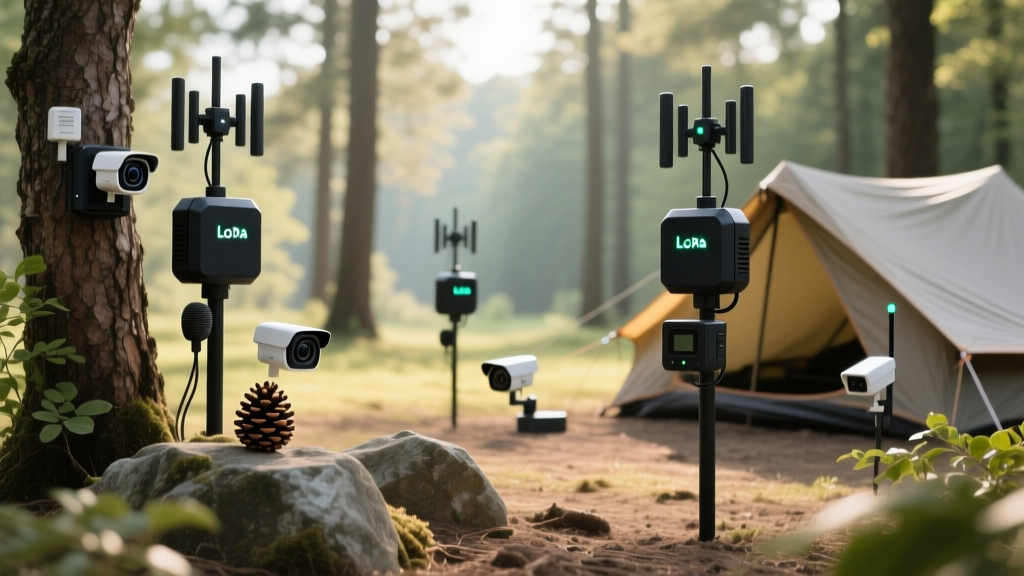
For the ultimate tech-savvy outdoor enthusiast, building a Meshtastic node provides off-grid, encrypted text communication and sensor alerts without relying on cellular networks. Meshtastic uses LoRa (Long Range) radio frequencies to create a mesh network.
The Build:
- Purchase a Heltec WiFi LoRa 32 V3 development board (approx. $28).
- Flash the Meshtastic firmware via your computer.
- Wire a basic magnetic reed switch (like those used for home windows) to the board's GPIO pins.
- House the board in a 3D-printed, camouflaged enclosure.
Deployment: Hide the node in a tree or bush 100 yards from your tent. When the magnetic switch is disturbed (e.g., tied to a gate or a trip-line), the LoRa radio sends an encrypted text packet directly to your main Meshtastic node or your smartphone (via Bluetooth) inside the tent. LoRa can easily penetrate dense forest canopies for up to 500 meters, giving you an unparalleled early warning system.
Component Sourcing & Cost Breakdown
Building these do it yourself spy gadgets is remarkably cost-effective compared to buying tactical-grade commercial gear. Below is a breakdown of the estimated costs and power requirements for a complete DIY campsite security suite.
| Gadget Type | Core Components | Est. Cost | Standby Time | Best Use Case |
|---|---|---|---|---|
| Silent Haptic Tripwire | Luggage Alarm, 550 Paracord, Pager Motor | $18 | 6+ Months | Immediate, silent wake-up alerts |
| Smart Trail Cam | Old Android, Haven App, 20k mAh Bank | $70* | 72 Hours | Visual evidence & blind-spot monitoring |
| LoRa Mesh Node | Heltec V3 Board, Reed Switch, 18650 Battery | $45 | 5-7 Days | Long-range, off-grid perimeter breaches |
*Assumes you already own an old smartphone to repurpose. If purchasing a used budget Android, add ~$40.
Failure Modes: What Happens When DIY Gadgets Fail?
Expertise means anticipating failure. The wilderness is harsh on electronics. Here are the most common edge cases and how to mitigate them:
Pro-Tip: Never rely on a single point of failure. Always pair your electronic DIY gadgets with analog backups, such as a physical bear bell or a whistle attached to your tent zipper.
- Condensation in the Dry Box: Temperature drops at night cause internal condensation, blinding your smartphone trail cam. Fix: Always seal the box during the heat of the day when humidity is lowest, and use rechargeable silica gel packs.
- False Positives from Wildlife: Deer and wild turkeys will trigger your paracord tripwires. Fix: Raise the tripwire to 4 feet (chest height for humans) in known wildlife corridors, or use the Haven app's AI motion filtering to ignore small animals.
- LoRa Signal Degradation: Heavy rain and wet foliage absorb radio frequencies, reducing your Meshtastic node's range by up to 40%. Fix: Mount your LoRa antennas as high as possible using a lightweight telescoping fiberglass pole.
Legal and Ethical Boundaries for DIY Surveillance
While securing your campsite is paramount, you must navigate the legal landscape of surveillance. Audio recording laws vary wildly. In 'two-party consent' states (like California or Florida), recording audio of conversations without the knowledge of the parties involved is a felony, even if they are trespassing near your tent.
When configuring the Haven app or your Meshtastic nodes, disable audio recording and rely strictly on motion-activated photography and physical trip-sensors. Furthermore, ensure your gadgets are purely observational or deterrent-based. Booby traps designed to cause physical harm (e.g., rigged firearms, explosive devices, or harmful snare traps) are strictly illegal on all public and private lands and carry severe criminal penalties.
Frequently Asked Questions
Can I use an Apple AirTag as a perimeter alarm?
While AirTags are great for tracking stolen gear, they are poor perimeter alarms. They do not trigger instant alerts when moved; they only update their location when another Apple device passes within Bluetooth range. In remote wilderness areas, the 'Find My' network is virtually non-existent, rendering AirTags useless for real-time campsite security.
How do I camouflage my DIY trail camera?
Avoid using bright tactical tape. Instead, use matte camo spray paint (like Krylon Camouflage) on the exterior of your dry box, and wrap the lens area in a piece of burlap or fake foliage mesh. Position the camera against the rough bark of a pine tree rather than a smooth birch, as the irregular textures hide the geometric shape of the box.
Are these DIY gadgets waterproof?
The Lewis N. Clark alarm and bare Heltec LoRa boards are not inherently waterproof. You must house all electronic components in IP67-rated enclosures. For the Heltec board, use a waterproof ABS plastic junction box and drill a small hole for the antenna, sealing it with marine-grade silicone sealant.
By mastering these do it yourself spy gadgets, you reclaim your peace of mind. The wilderness should be a place of solitude and empowerment, and with the right tactical preparation, you can ensure it stays that way.
Written by
Emma LarssonEmma Larsson holds an M.A. in International Relations from Sciences Po Paris and a B.A. in Communications from Stockholm University. A digital nomad since 2017, she has worked from over 45 countries across six continents, building deep expertise in portable power solutions, travel routers, compact computing, and connectivity gadgets that survive international travel. Emma is a certified member of the Travel Technology Association and has advised three travel gear startups on product-market fit for remote workers. Her reviews evaluate products against real travel scenarios — TSA compliance, voltage compatibility across 200+ countries, durability through 50+ checked bag cycles, and battery life under airplane mode vs. active use. She has been featured in Condé Nast Traveler's "Tech-Savvy Traveler" series and speaks at Remote Work Summit events.