Real Spy Gadgets for Women: 2026 Outdoor Safety Guide
Discover the best real spy gadgets for women's outdoor safety in 2026. From covert satellite trackers to hidden camp cameras, gear up securely.

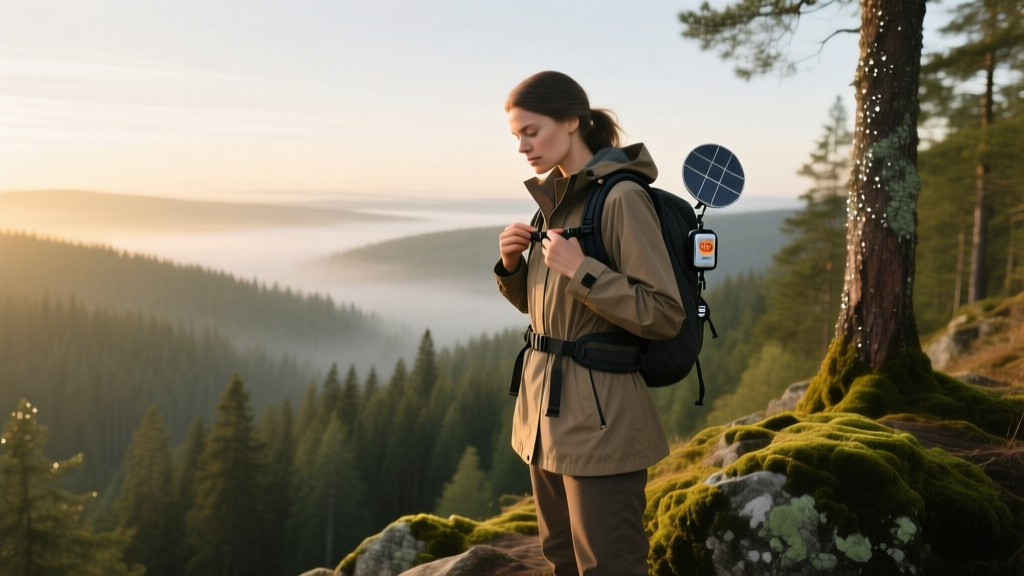
Beyond the Gimmicks: What Makes a 'Real Spy Gadget' for the Outdoors?
Solo hiking, trail running, and backcountry camping offer incredible freedom, but they also demand rigorous safety protocols. When most people hear the term "real spy gadgets," they picture cinematic espionage tools or cheap novelty items sold online. However, for women navigating remote trails, isolated seasonal campsites, or unfamiliar trailheads in 2026, covert technology has evolved into essential, life-saving survival gear.
True tactical spy gear for outdoor enthusiasts is defined by three metrics: stealth, extreme durability, and off-grid reliability. A neon-pink personal alarm is great for urban jogging, but it fails to provide covert documentation or silent SOS capabilities when you are miles away from cell service and need to avoid drawing unwanted attention from aggressive individuals or wildlife. According to the National Park Service, preparation and reliable communication devices are the primary mitigators of backcountry risk. Let us break down the covert tech that actually works when the pavement ends.
Covert Tracking & Satellite SOS: The Lifeline Matrix
The most common mistake outdoor enthusiasts make is relying on Bluetooth mesh trackers (like the Apple AirTag) for deep wilderness safety. While excellent for recovering stolen gear in urban areas, AirTags are entirely useless in remote backcountry where there are no passing iPhones to ping the Bluetooth signal. For genuine off-grid tracking and covert SOS capabilities, you need satellite-backed hardware that blends into your kit.
The Heavyweight: Garmin inReach Mini 2
Priced at $399, the Garmin inReach Mini 2 is the gold standard for backcountry tracking. Weighing just 3.5 ounces, it can be tucked into a hydration bladder sleeve or strapped discreetly to a sternum strap. It utilizes the Iridium satellite network, providing true global coverage. The SOS button requires a deliberate multi-step deployment to prevent accidental triggers, and its IPX7 water resistance ensures it survives sudden alpine downpours. Battery life stretches up to 14 days in 10-minute tracking mode.
The Wearable: Invisawear Smart Jewelry
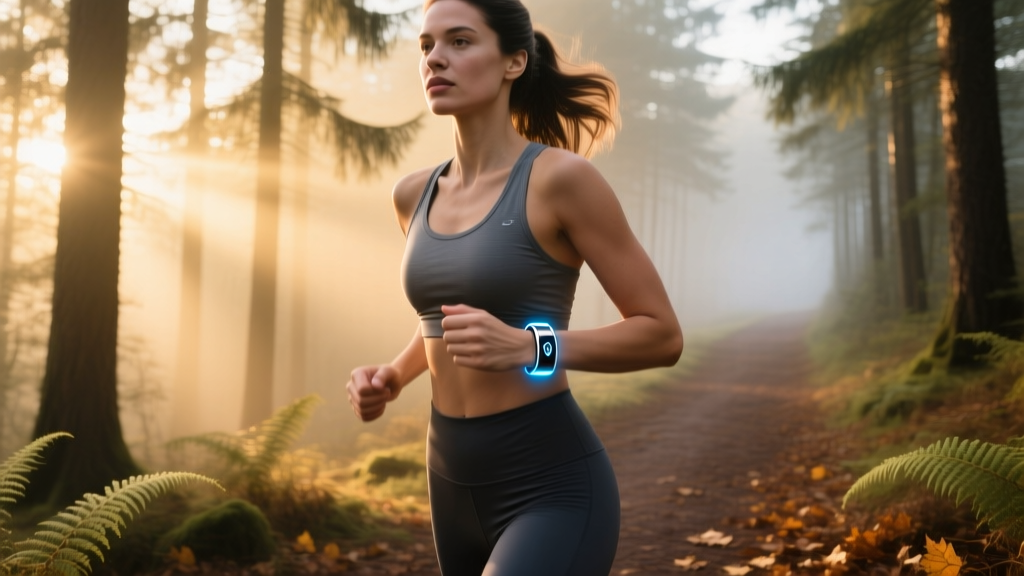
For trail runners or day-hikers who want zero bulk, the Invisawear Smart Bracelet ($149) masquerades as elegant athletic jewelry. By double-clicking the hidden clasp, it silently sends your GPS coordinates to emergency contacts and local authorities via your phone's cellular connection. Failure mode caveat: This relies on cellular service, making it ideal for front-country trails and state parks, but not for deep backcountry expeditions.
| Device | Covert Form Factor | Network / Range | Battery Life | 2026 Price |
|---|---|---|---|---|
| Garmin inReach Mini 2 | Rugged Mini Beacon | Iridium Satellite (Global) | Up to 14 days | $399 |
| Invisawear Smart Bracelet | Athletic Jewelry | Cellular / Bluetooth | 365 days (standby) | $149 |
| Apple AirTag | Coin Disc (Hidden in pack) | Apple Find My Mesh | 1 year (CR2032) | $29 |
Perimeter Security: Hidden Optics for Campsites
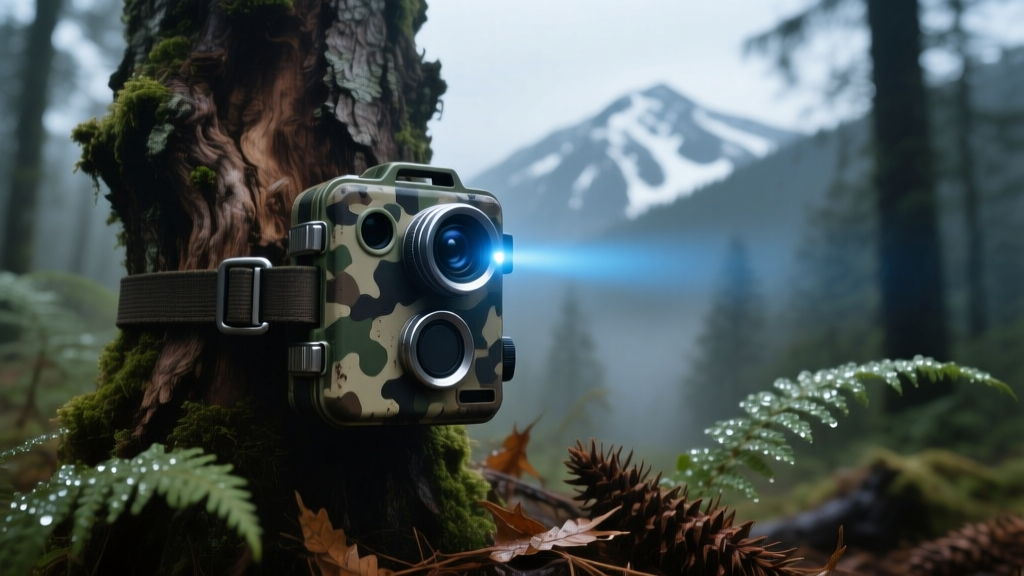
Setting up a solo campsite in a dispersed camping area or a remote seasonal hunting zone can feel vulnerable. Trail cameras are no longer just for tracking deer; they are vital perimeter security tools for solo female campers. The goal is to monitor your blind spots without advertising that you are recording.
The Browning Strike Force Apex ($180) is a top-tier choice for covert campsite security. It features a 0.3-second trigger speed and utilizes "No-Glow" invisible infrared LEDs. Unlike older trail cams that emit a faint red flash at night—which can attract unwanted human attention or spook wildlife—the Apex's night vision is entirely undetectable to the naked eye up to 80 feet away. Mount it 7 feet high on a tree trunk using a Python security cable lock to prevent tampering, angling it toward your vehicle or the main trail approach.
Pro-Tip for Campsite Placement: Never point your hidden trail camera directly at your tent. Instead, angle it toward the natural choke points of your campsite, such as the fire ring or the path leading from the nearest road. This captures approach vectors without filling your SD card with motion-triggered shots of you shifting in your sleep.
Audio Documentation: Discreet Recorders for Trail Harassment
Encountering aggressive individuals, aggressive off-leash dog owners, or suspicious loiterers at remote trailheads is an unfortunate reality for many solo female hikers. Pulling out a smartphone to record video can escalate a volatile situation. Covert audio documentation is a safer, legally sound alternative for gathering evidence for park rangers or local law enforcement.
The Sony ICD-UX570 Digital Voice Recorder ($65) is engineered to look exactly like a standard USB flash drive or a sleek metallic pen. It features a highly sensitive, focus-directional microphone that isolates voices even in windy outdoor environments. A critical feature for outdoor deployment is its "Quick Charge" capability: a mere 3-minute charge via USB-C yields a full hour of continuous recording. Clip it to the brim of your hat or the strap of your pack, and it will passively document threats without drawing the ire of an aggressor.
Tactical Illumination & Disguised Defense
When navigating seasonal transitions—like the sudden darkness of late autumn or the deep shadows of winter canyons—illumination is a defensive tool. The Olight Warrior Mini 3 ($70) is a tactical flashlight that delivers a blinding 1,750 lumens. Its strobe mode is specifically calibrated to disrupt the night vision and balance of a potential attacker or aggressive wildlife, buying you the 4 to 6 seconds needed to deploy bear spray or retreat.
Pair this with Mace Brand Pepper Gel ($18). Unlike traditional pepper spray aerosols, which suffer from severe blowback in the high winds common on alpine ridges or coastal bluffs, pepper gel shoots a focused, sticky stream up to 18 feet. The gel formulation also prevents cross-contamination if you are forced to deploy it near your own tent or gear.
Seasonal Variables: Weatherproofing Your Covert Gear
Real spy gadgets must survive the elements. A device that fails in a seasonal freeze is a liability. Here is how to weatherproof your covert kit based on the season:
- Winter (Sub-Zero Deployment): Alkaline batteries lose up to 50% of their capacity in freezing temperatures. Always swap alkaline AAs in your trail cams and audio recorders for Energizer Ultimate Lithium batteries, which maintain full voltage down to -40°F.
- Summer (High Heat & UV): Leaving pepper gel or lithium-ion power banks in a parked car at a desert trailhead can lead to pressure leaks or battery swelling. Store chemical deterrents in an insulated pouch at the bottom of your pack, away from direct solar radiation.
- Spring (Mud & Water Submersion): Ensure all O-rings on your trail cameras and satellite beacons are lubricated with dielectric silicone grease before the spring thaw to prevent water ingress from melting snow.
Quick-Reference Outdoor Spy Gear Checklist
Before you head to the trailhead, run through this covert safety audit:
- Satellite SOS: Is the Garmin inReach subscription active, and is the device fully charged?
- Perimeter Optics: Is the SD card formatted, and are the lithium batteries fresh in the hidden trail cam?
- Audio Evidence: Does the Sony voice recorder have at least 4GB of free space?
- Chemical Deterrent: Is the pepper gel expiration date valid, and is the safety zip-tie removed but the flip-cap secured?
- Itinerary Drop: Have you shared your GPS waypoints and expected return time with a trusted contact?
As highlighted by the REI Co-op Journal, the psychological comfort of carrying reliable, discreet safety gear allows you to remain present and confident in the wilderness. By integrating these real spy gadgets into your outdoor kit, you transform vulnerability into tactical awareness, ensuring that your focus remains on the beauty of the trail ahead.
Written by
Emma LarssonEmma Larsson holds an M.A. in International Relations from Sciences Po Paris and a B.A. in Communications from Stockholm University. A digital nomad since 2017, she has worked from over 45 countries across six continents, building deep expertise in portable power solutions, travel routers, compact computing, and connectivity gadgets that survive international travel. Emma is a certified member of the Travel Technology Association and has advised three travel gear startups on product-market fit for remote workers. Her reviews evaluate products against real travel scenarios — TSA compliance, voltage compatibility across 200+ countries, durability through 50+ checked bag cycles, and battery life under airplane mode vs. active use. She has been featured in Condé Nast Traveler's "Tech-Savvy Traveler" series and speaks at Remote Work Summit events.