Gogo Gadget Field Kit: 2026 Outdoor Phone Accessories
Build the ultimate Gogo Gadget field kit for 2026. We review rugged Qi2 chargers, AI-tracking gimbals, and cinematic lens kits for outdoor creators.
The 'Gogo Gadget' Philosophy for Outdoor Tech
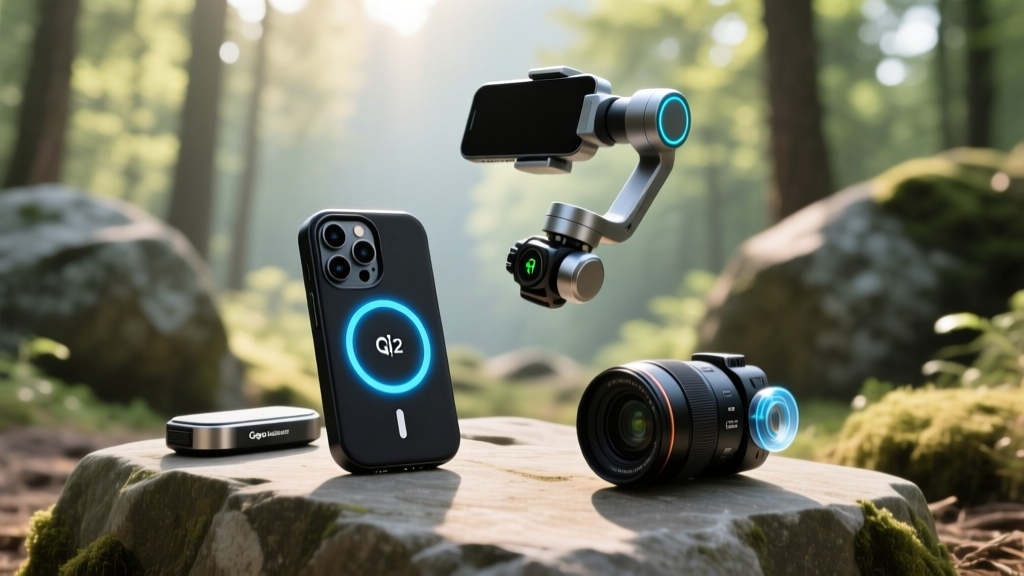
When Inspector Gadget called upon his array of hidden tools, he was decades ahead of the curve. Today, the modern outdoor enthusiast requires a similarly versatile, deploy-on-demand ecosystem right in their pocket. Building the perfect gogo gadget setup for the backcountry isn't about hoarding gear; it is about selecting highly specialized, modular phone accessories that solve specific field problems. As we move through 2026, the smartphone has entirely replaced the point-and-shoot camera and the dedicated GPS unit for 90% of hikers, bikers, and climbers. But a bare phone is fragile, power-hungry, and optically limited.
To transform your daily driver into a rugged survival and content-creation powerhouse, you need to look at the intersection of Qi2 magnetic standards, on-device AI stabilization, and computational glass. This guide breaks down the essential wireless chargers, motorized gimbals, and add-on lens kits that define the 2026 seasonal outdoor loadout, complete with exact weights, pricing, and real-world failure modes.
Powering the Trail: Qi2 Wireless Chargers & Power Banks
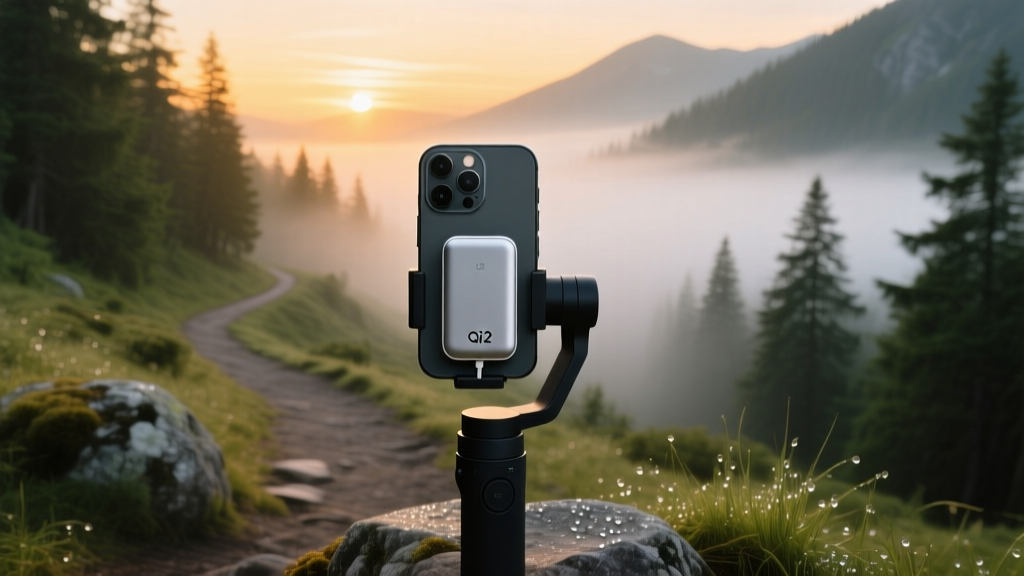
The universal adoption of the Qi2 standard has been a game-changer for outdoor tech. The magnetic alignment ring means you no longer have to fiddle with micro-cables while wearing thick gloves or balancing on a scree field. However, not all wireless power banks are created equal when the temperature drops or the rain starts.
The Daily Driver: Anker MagGo Power Bank (10K, Qi2)
At roughly $60 and weighing 215g, the Anker MagGo 10,000mAh is the baseline for weekend warriors. It delivers a full 15W wireless charge and supports 30W wired USB-C passthrough. The 2026 firmware update finally allows it to negotiate power delivery simultaneously while magnetically attached, meaning you can top off your phone and a headlamp via the USB-C port at the same time. Edge Case: The glossy finish attracts micro-scratches from trail dust, so keep it in a dedicated mesh sleeve.
The Rugged Survivor: BioLite Charge 40 PD
Wireless charging is a luxury; wired survival is a necessity. When you are navigating monsoon-season treks or alpine scrambles, the $80 BioLite Charge 40 PD (10,000mAh, 220g) is mandatory. It boasts an IP67 waterproof rating, meaning it can survive a drop into a glacial stream. It lacks wireless charging, but its 20W wired output and extreme weather sealing make it the ultimate fail-safe.
Field Note: Lithium-ion cells in Qi2 power banks experience severe voltage sag below 0°C (32°F). Never leave your wireless charger in an unheated tent overnight. Store it in an inner jacket pocket to maintain a 15°C+ microclimate, ensuring the 15W fast-charge handshake succeeds when you need it most.
Stabilizing the Shot: Gimbals for Rugged Environments
Optical Image Stabilization (OIS) in modern flagship phones is incredible for static shots, but it falls apart during dynamic trail running or mountain biking. Motorized gimbals remain essential for cinematic panning and, more importantly, for AI-driven subject tracking when you are shooting solo.
Insta360 Flow vs. DJI Osmo Mobile 6
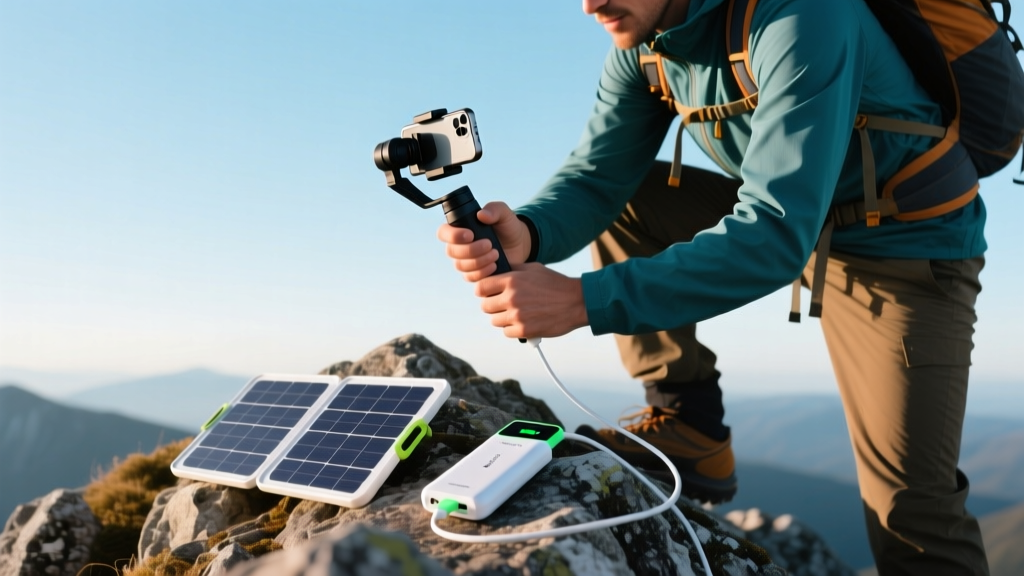
The 2026 gimbal market is a duopoly, and both contenders offer distinct advantages for the outdoors. The Insta360 Flow Official Specs highlight its Deep Track 3.0 AI, which runs entirely on-device via a dedicated NPU chip. This is crucial in remote canyons where cellular signals for cloud-tracking fail. Conversely, the DJI Osmo Mobile 6 Documentation points to its superior side-wheel focus control, which is invaluable for macro nature photography.
| Feature | Insta360 Flow | DJI Osmo Mobile 6 |
|---|---|---|
| Price (2026) | $159 | $159 |
| Weight | 369g | 309g |
| AI Tracking | Deep Track 3.0 (On-device NPU) | ActiveTrack 6.0 |
| Built-in Power | 2900mAh (Doubles as power bank) | None (Drains phone battery) |
| Deployment | 1-step rapid deploy | 3-step manual unfold |
| Best For | Multi-day hikes, solo vlogging | Quick urban trails, macro focus |
Failure Mode Analysis: In dense pine forests, branch occlusion will break older tracking algorithms. Insta360's Deep Track 3.0 excels here by predicting your trajectory and re-acquiring you once you pass the tree line, whereas DJI's ActiveTrack 6.0 occasionally locks onto high-contrast foliage instead of the subject.
Expanding Your Vision: Weather-Sealed Lens Kits
Computational photography has its limits. When you want true optical compression, macro detailing, or cinematic aspect ratios, you must put physical glass in front of your phone's massive 1-inch type sensors. The challenge in 2026 is that larger camera bumps require lenses with wider image circles to prevent vignetting.
Moment T-Series Anamorphic (1.55x Squeeze)
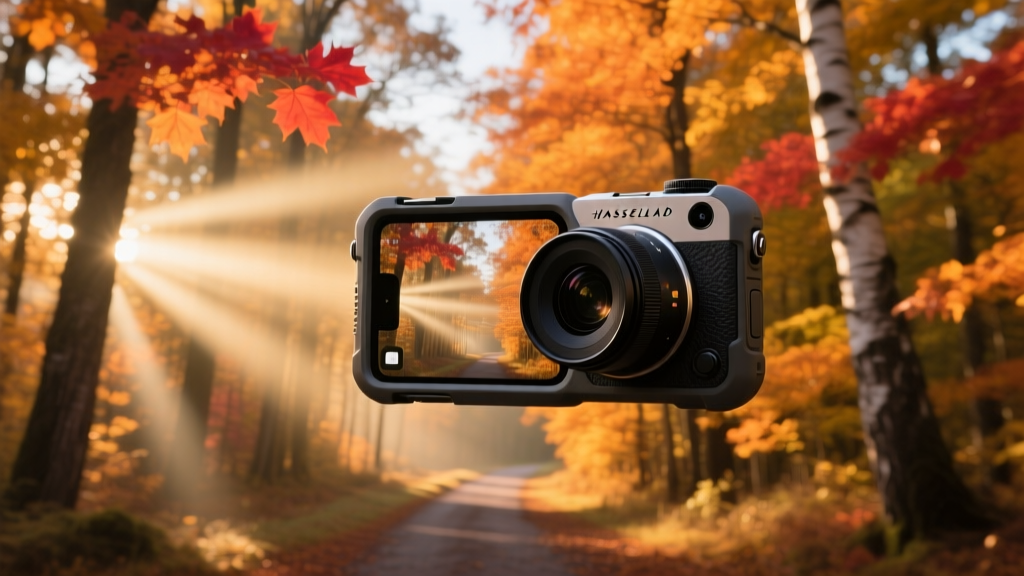
Priced at $199, the Moment T-Series Lens Guide remains the gold standard for outdoor filmmakers. The 1.55x squeeze ratio captures a massive 2.40:1 widescreen field of view without cropping your sensor's resolution. The aerospace-grade aluminum housing can withstand minor impacts, but the real star is the multi-coated glass that produces those iconic, horizontal blue flares when shooting directly into the golden hour sun.
Sandmarc Pro Macro Lens
For the botanists and macro-enthusiasts, the $109 Sandmarc Pro Macro offers 10x magnification with a built-in diffuser hood. Pro Tip: When shooting in high alpine winds, avoid clip-on lens mounts. The wind shear will vibrate the clip, ruining your focus. Always use a dedicated threaded or bayonet-mount case system to lock the lens flush against the phone's native glass.
The Ultimate Seasonal Loadout Matrix
Different seasons demand different gear priorities. Use this decision framework to pack your kit based on the environment you are tackling.
| Season | Primary Accessory | Use Case & Environment | Weight Penalty |
|---|---|---|---|
| Spring | BioLite Charge 40 PD | Wet conditions, muddy trails, river crossings (IP67) | 220g |
| Summer | Insta360 Flow | Long golden-hour vlogs, solo desert hikes (AI tracking) | 369g |
| Autumn | Moment T-Series Anamorphic | Cinematic foliage, capturing horizontal sun flares | 45g |
| Winter | Anker MagGo 10K (Qi2) | Cold-weather power, glove-friendly magnetic attachment | 215g |
Frequently Asked Questions
Can I use a Qi2 wireless charger while my phone is in a rugged waterproof case?
Generally, no. Standard rugged cases (like OtterBox Defenders) are too thick and lack the integrated magnetic ring, which will block the Qi2 handshake and cause the charger to overheat. You must use a Qi2-compatible rugged case, such as the UAG Monarch Pro, which embeds the necessary N52 neodymium magnets to bridge the gap.
Do gimbals drain the phone battery faster during outdoor shoots?
Yes, but indirectly. The gimbal itself draws power from its own internal battery to run the motors. However, the phone's CPU works overtime to process the AI tracking algorithms and stabilize the feed, which generates heat and drains the phone's battery 20-30% faster than static shooting. This is why the Insta360 Flow's built-in 2900mAh power bank feature is so critical for all-day shoots.
Are anamorphic lenses worth it if my phone already shoots in 'Cinematic Mode'?
Absolutely. Software-based cinematic modes rely on depth-mapping, which frequently fails on complex outdoor elements like pine needles, chainlink fences, or falling snow, resulting in ugly artifacting. An anamorphic lens provides true optical edge-to-edge sharpness and natural depth of field, completely bypassing the phone's computational guesswork.
Written by
Tom ReynoldsTom Reynolds holds a CFA (Chartered Financial Analyst) designation and a B.S. in Finance from the University of Texas at Austin. Before entering tech journalism, he spent 6 years as a quantitative analyst at a hedge fund, building cost-benefit models for consumer product investments. Tom has maintained a proprietary database of over 10,000 tech deals for the past 8 years, developing his signature "penny-per-feature" evaluation framework that calculates the true value proposition of every gadget. His budget gadget reviews are known for their financial rigor — he tracks price history across 15+ retailers, calculates cost-per-use over 3-year lifespans, and identifies the exact inflection point where premium features justify their markup. Tom's deal alerts have saved his readers an estimated .3 million since 2018.