Setup Guide: Great New Kitchen Gadgets for Meal Prep Portions
Learn how to calibrate, set up, and use great new kitchen gadgets for precise meal prep portioning. Master macro tracking with 2026 tools.
Calibrating Smart Nutrition Scales for Macro Accuracy
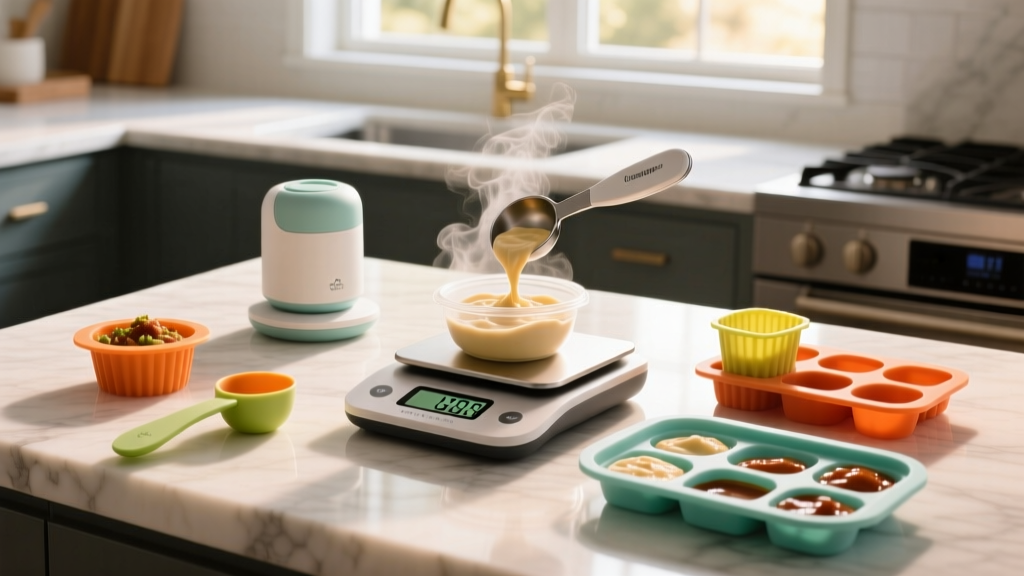
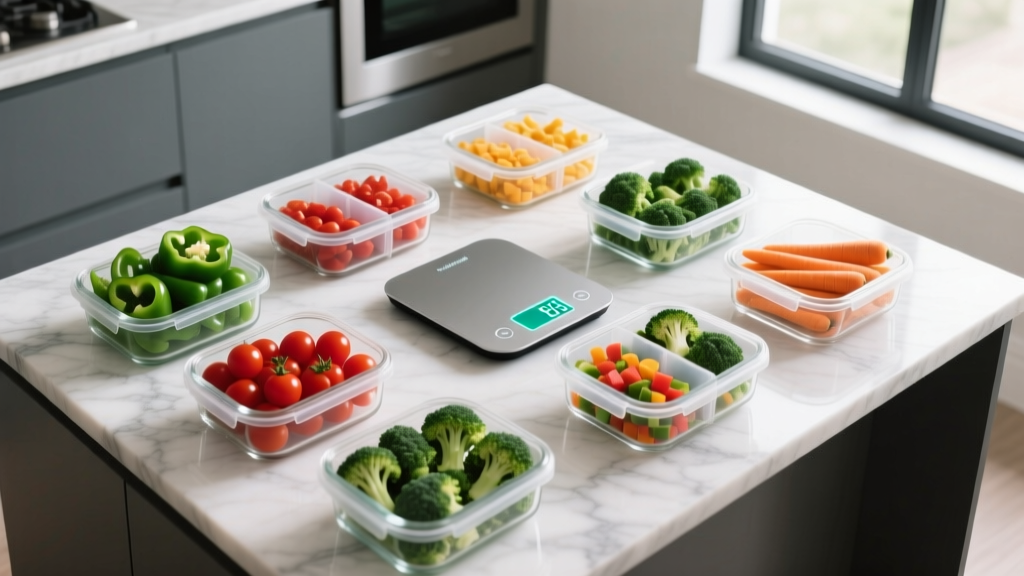
Precision in meal preparation separates successful dietary adherence from guesswork. While traditional volume measuring cups leave room for compaction errors—especially with dense foods like oats or nut butters—modern smart scales utilize high-sensitivity load cells to measure mass down to the single gram. To integrate these great new kitchen gadgets into your weekly batch-cooking routine, proper initial calibration and app synchronization are mandatory.
The Renpho Smart Nutrition Scale (Model RS02, typically priced around $49.99) connects via Bluetooth 5.0 to track macros directly into apps like MyFitnessPal or Cronometer. Out of the box, the load cell sensors may exhibit a 1 to 3-gram drift due to shipping vibrations. Follow this exact calibration sequence before your first prep session:
- Surface Selection: Place the scale on a rigid, perfectly level surface. Avoid quartz or granite countertops with uneven under-mounting, as micro-flexing introduces variance.
- Zeroing: Power on the scale and wait for the display to read '0.0g'. Do not place a bowl on it yet.
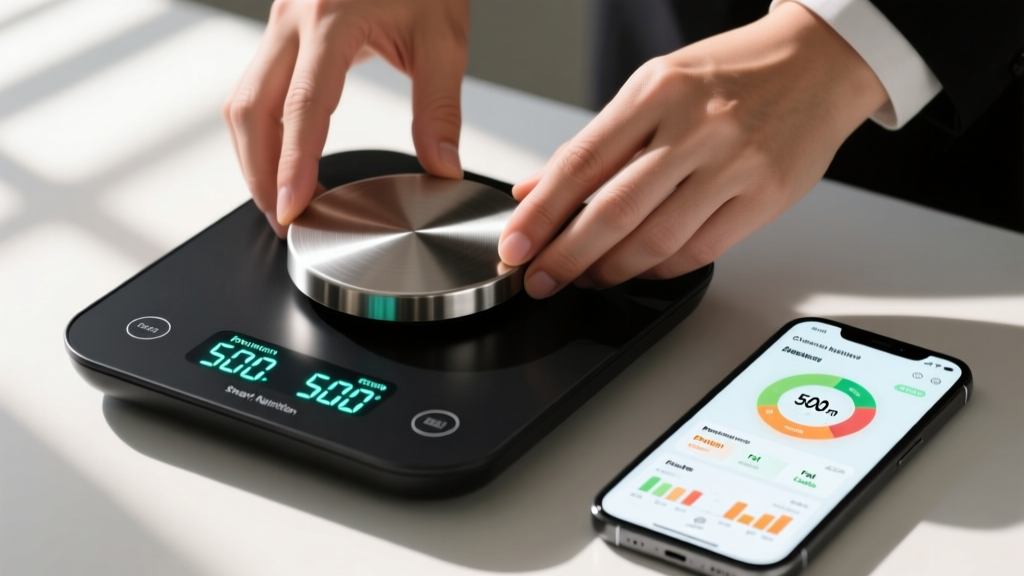
- Calibration Weight: Place a certified 500g stainless steel calibration weight (or a sealed, unopened 500g bag of dry beans) in the exact center of the weighing platform.
- Verification: If the display reads between 499g and 501g, the sensor is within factory tolerance. If it deviates further, press and hold the 'Unit' and 'Tare' buttons simultaneously for 3 seconds to enter calibration mode, then confirm the 500g mass.
Configuring Adjustable Baffle Measuring Tools
For high-volume, low-precision ingredients like chopped leafy greens, whole almonds, or brown rice, mass measurement can be unnecessarily slow. This is where adjustable baffle measuring cups excel. The OXO Good Grips Stainless Steel Adjustable Measuring Cup ($15.99) uses a sliding internal plunger to alter the volume cavity from 1/4 cup up to 1 full cup.
To ensure the baffle track remains accurate and free of cross-contamination during heavy meal prep:
- Locking the Slider: Push the stainless steel slider until the indicator line aligns with your desired metric or imperial marking. Engage the side-lock switch to freeze the volume. This prevents the plunger from shifting when you scrape dense ingredients like peanut butter or coconut oil out of the cup.
- Track Maintenance: After measuring sticky fats, the baffle track will accumulate residue that hardens and pushes the plunger out of alignment by 2-3mm (altering volume by roughly 5%). Use a bamboo skewer dipped in hot, soapy water to clear the side rails immediately after use. Never place this tool in a dishwasher; the high-heat drying cycle will warp the internal silicone gaskets.
Portioning Matrix: Mass vs. Volume vs. Automated
Selecting the correct portioning method depends entirely on the physical state of the ingredient and your required precision level. Reference this decision matrix when setting up your prep station:
| Method | Tool Example | Accuracy Margin | Prep Speed | Best Application |
|---|---|---|---|---|
| Mass (Weight) | Renpho Smart Scale | ±1g | Moderate | Proteins, protein powders, baking flours |
| Volume (Baffle) | OXO Adjustable Cup | ±5% | Fast | Whole grains, chopped vegetables, nuts |
| Automated Pump | Digital Oil Dispenser | ±2ml | Instant | Olive oil, liquid aminos, vinegars |
Vacuum Sealing Wet Preps Without the Mess
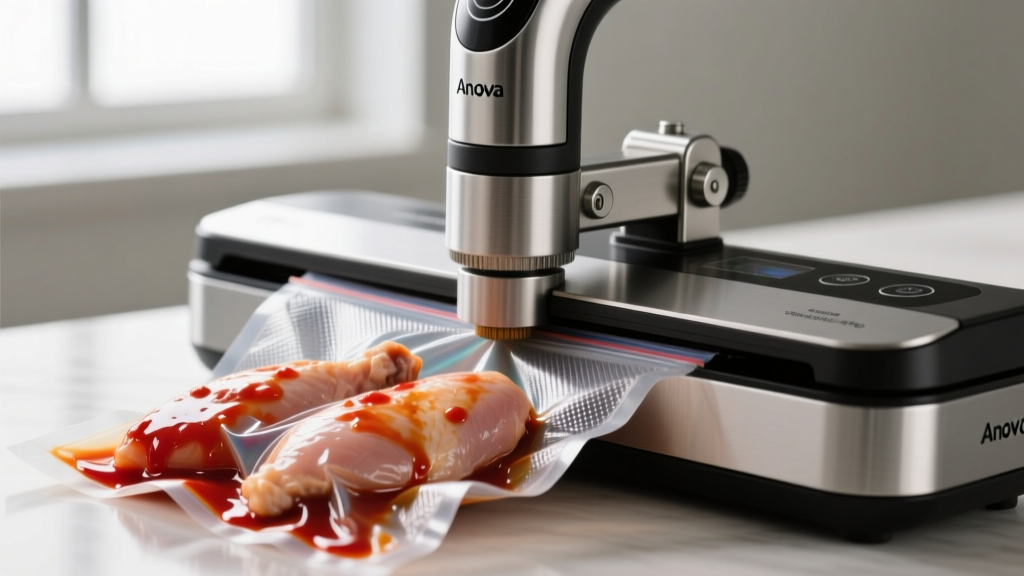
Batch prepping proteins often involves marinades, but liquid inside a vacuum bag gets sucked into the sealer's pump, ruining the motor and compromising the seal. The Anova Precision Vacuum Sealer Pro ($129.00) features a dedicated 'Moisture' mode, but hardware settings alone cannot overcome fluid dynamics if the bag is packed incorrectly.
Follow this two-step thermal preparation method to seal wet marinades perfectly every time:
Step 1: The Pre-Freeze Technique
Pour your liquid marinade into a silicone ice cube tray and freeze for 90 minutes until solid. Place your raw chicken or beef into the textured vacuum bag, then drop in the frozen marinade cubes. Because the liquid is in a solid state, the vacuum pump will extract the air without pulling the moisture into the machine's drip tray.
Step 2: Setting the Pressure Parameters
For delicate proteins like fish fillets, standard vacuum pressure (-0.8 bar) will crush the flesh, altering the texture and forcing out natural juices. Switch the Anova sealer to 'Gentle' mode, which stops the pump at -0.6 bar before triggering the heat seal wire. This preserves the cellular structure of the protein while still removing enough oxygen to prevent freezer burn for up to 6 months.
According to the FDA's core food safety guidelines, perishable foods must be refrigerated within two hours of preparation. Vacuum sealing accelerates the cooling process by removing the insulating layer of air around the food, allowing batch-prepped meals to drop below the 40°F danger zone threshold significantly faster in your refrigerator.
Troubleshooting Common Portioning Errors
Even the best equipment fails if environmental variables are ignored. Use this diagnostic guide to resolve common issues encountered during high-volume Sunday prep sessions.
Scale Drift Troubleshooting
- Symptom: Scale reads 2g to 4g before placing any items on the platform. Fix: Press the tare button. If the ghost weight persists, remove the AAA batteries for 60 seconds to reset the load cell microcontroller. Ensure the scale's rubber feet are not resting on a countertop seam or grout line.
- Symptom: App sync drops halfway through logging ingredients. Fix: Bluetooth 5.0 struggles to penetrate dense kitchen appliances. Ensure your smartphone is placed within 3 feet of the scale, unobstructed by the microwave or refrigerator chassis.
Silicone Lid Stain and Odor Removal
Meal prep containers with silicone sealing rings (like the Snapware 3-Cup Glass sets) are notorious for absorbing lycopene from tomato-based sauces and retaining allium odors from garlic and onions. Dishwashers merely bake these compounds into the porous silicone.
To restore your lids:
- Create a paste using 2 tablespoons of baking soda and 1 tablespoon of water.
- Scrub the silicone gasket aggressively with a stiff-bristled toothbrush, focusing on the inner retention groove.
- Rinse, then place the lids in direct UV sunlight for 4 hours. UV radiation breaks down the chemical bonds of lycopene, naturally bleaching the red stains out of the silicone without the need for harsh chemical solvents.
By standardizing your equipment calibration, utilizing the correct portioning matrix for specific ingredient densities, and employing thermal tricks for vacuum sealing, you transform meal prep from a chaotic chore into a highly efficient, data-driven assembly line. Consistent execution with these tools ensures you hit your exact caloric and macronutrient targets week after week, maintaining strict adherence to your nutritional goals.
For detailed baselines on standard serving sizes and balancing your prepped macros across food groups, reference the USDA MyPlate personalized planning tools to ensure your portioned containers align with current dietary recommendations.
Written by
Sarah KimSarah Kim holds certifications from both NASM (National Academy of Sports Medicine) and ACE (American Council on Exercise), along with a B.S. in Kinesiology from UCLA. She has spent 7 years bridging the gap between exercise science and consumer technology, evaluating fitness trackers, smart scales, sleep monitors, and recovery devices with clinical precision. Sarah has tested over 200 health-focused wearables in controlled lab settings and real-world training environments, comparing device data against gold-standard medical equipment like ECG monitors and DEXA scans. She consults for three fitness app companies on data accuracy standards and has presented research on wearable reliability at the American College of Sports Medicine (ACSM) annual conference. Her reviews emphasize clinical validity over marketing claims.