Best EDC Gadgets 2026: Cool & Unique Finds You Need
Discover the best EDC gadgets for 2026. We review unique, cool finds like the NexTool Flagship, Emisar D4V2.5, and Boker Kihon for your daily pockets.
Beyond the Basics: Why Your Pocket Dump Needs an Upgrade
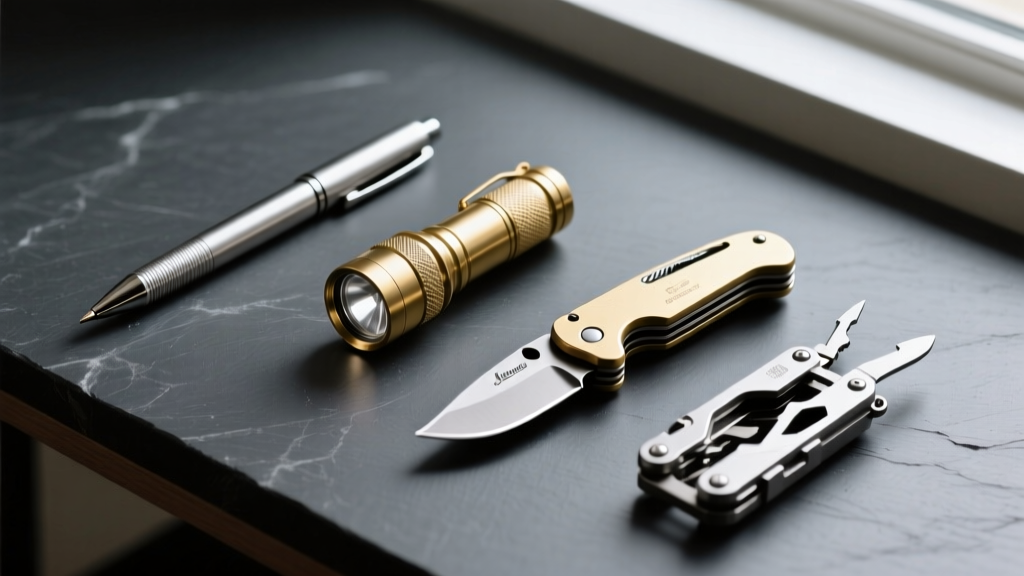
If your everyday carry still consists of the same mass-market multitool and generic tactical folder you bought five years ago, you are missing out on the golden age of boutique engineering. The landscape of pocket gear has shifted dramatically. In 2026, the best EDC gadgets are no longer defined by sheer tool count or aggressive tactical aesthetics. Instead, the most coveted pieces prioritize specialized metallurgy, enthusiast-driven user interfaces, and mechanical anomalies that spark joy every time you deploy them.
According to trend analyses on EverydayCarry.com, there is a massive pivot toward 'micro-batch' manufacturing and niche deployment mechanisms. Carriers are trading heavy, belt-sagging leather sheaths for ultra-dense, high-utility pocket clips. Below, we have curated a highly specific, non-traditional roster of cool and unique finds that break the mold, complete with exact specifications, real-world pricing, and edge-case performance data.
The 2026 'Cool & Unique' EDC Roster
1. NexTool Flagship Pro (The Multitool Disruptor)
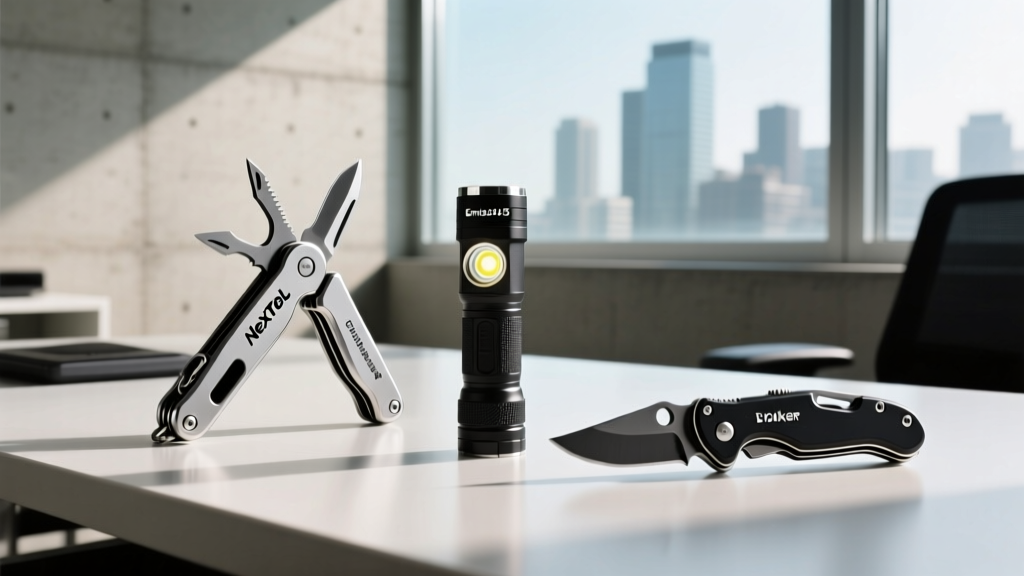
Forget the standard butterfly-fold pliers. The NexTool Flagship Pro (Model NE20025) utilizes a proprietary slide-and-lock chassis that deploys the pliers with a single, satisfying thumb-push. But the real mechanical marvel is the integrated magnetic bit driver. Unlike competitors that force you to use proprietary, fragile micro-bits, the Flagship Pro features a standard 1/4-inch hex collet lined with N52 neodymium magnets.
- Weight: 238g (8.4 oz) — heavy, but perfectly balanced for palm use.
- Steel: 8Cr13MoV for the blades, 420 stainless for the plier jaws.
- Price: ~$75 USD.
- The Edge Case: The magnetic bit holder is so strong it can hold a 2-inch Philips bit horizontally without snapping, making it a legitimate workshop screwdriver replacement, not just a pocket toy.
2. Emisar D4V2.5 (The Enthusiast Pocket Sun)
Mainstream flashlight brands cap their output to prevent thermal throttling, resulting in boring, predictable beam profiles. The Emisar D4V2.5, designed by Hank Wang, is a quad-emitter beast built for the hardcore enthusiast. Machined from solid copper or brass (which develops a unique, personalized patina over months of pocket carry), it runs the open-source Anduril 2 UI.
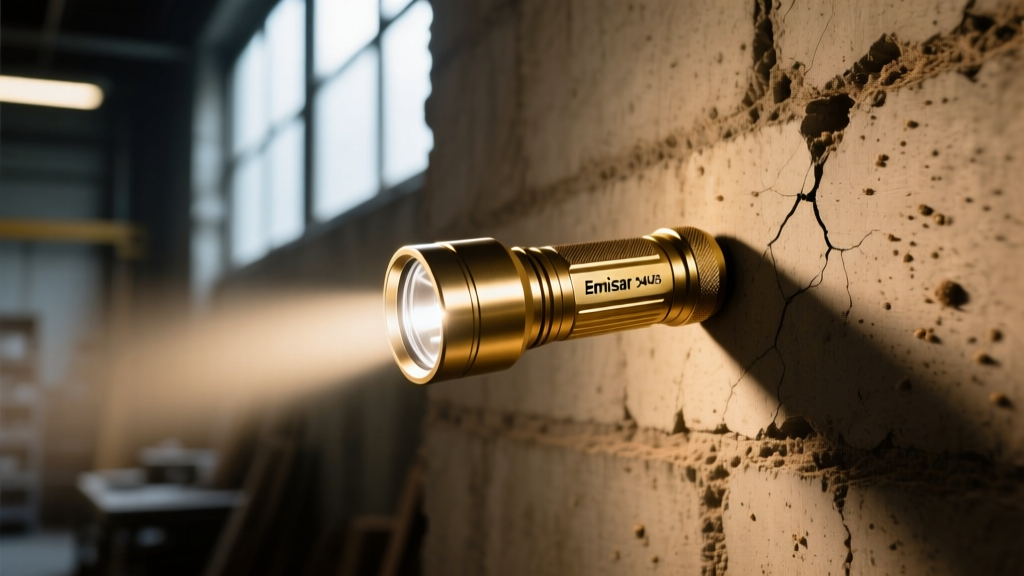
As detailed in deep-dive reviews on BudgetLightForum, the Anduril UI allows for infinite ramping. One click turns it on; holding the button ramps the brightness; two clicks engages a 4,000+ lumen 'Turbo' mode that can literally melt a plastic bag at three feet. You can configure the thermal ceiling via a hidden 'Config Mode' (clicking the button 14 times), allowing you to push the copper body to 130°F before it steps down.
3. Boker Plus Kihon (The Crossbar Lock Anomaly)
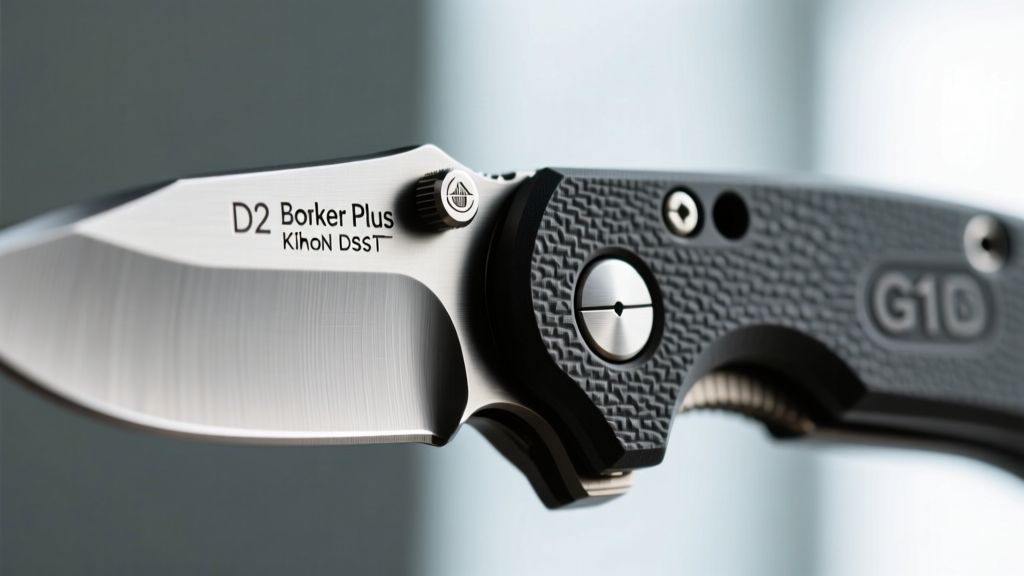
The crossbar lock (popularized by Benchmade's Axis) was locked behind patents for decades. Now that it is open-source, brands are iterating wildly. The Boker Plus Kihon is a masterclass in utilitarian minimalism. It strips away the tactical jimping and skeletonized liners, offering a smooth, 3.15-inch drop-point blade in D2 tool steel that deploys via a ceramic ball-bearing pivot and an ambidextrous crossbar lock.
Expert Insight: D2 steel is notorious for being hard to sharpen but excellent at holding an edge. The Kihon's flat grind and 18-degree edge bevel mean it slices cardboard and zip-ties with zero binding, a common failure mode in thicker, hollow-ground tactical blades.
Priced at an astonishing ~$55, the Kihon weighs just 3.8 oz. Discussions on BladeForums frequently highlight the Kihon's G10 scales, which offer a grippy, almost sandpaper-like texture that excels in wet or gloved conditions where smooth titanium fails.
4. Big Idea Design Ti Arto (The Machined Inkwell)
A pen might seem mundane until you examine the collet mechanism of the Big Idea Design (BID) Ti Arto. Machined from Grade 5 Titanium on Swiss CNC lathes, the Arto features an auto-adjusting collet that securely grips over 100 different ink refills (ranging from 2.1mm to 2.4mm in diameter) without the rattle or play found in standard twist pens.
- Deployment: Knurled twist mechanism with a satisfying, damped click.
- Finish: Stonewashed or raw bead-blasted Titanium.
- Price: ~$125 USD.
- Unique Factor: The internal spring tension is calibrated to provide exact resistance, preventing the refill from wobbling during rapid field notes or technical sketching.
Pocket Weight & Utility Matrix
When building a unique carry, weight distribution across your pockets is critical to avoid belt fatigue. Use this matrix to balance your loadout.
| Gadget | Weight | Primary Material | Price Range | Best Use Case |
|---|---|---|---|---|
| NexTool Flagship Pro | 238g (8.4 oz) | 420 SS / 8Cr13MoV | $70 - $80 | Heavy mechanical repair, bit driving |
| Emisar D4V2.5 | 82g (2.9 oz) | Copper / Brass | $85 - $95 | High-lumen flood, enthusiast tinkering |
| Boker Plus Kihon | 107g (3.8 oz) | D2 Steel / G10 | $50 - $60 | Daily slicing, ambidextrous utility |
| BID Ti Arto | 34g (1.2 oz) | Grade 5 Titanium | $120 - $130 | Technical writing, multi-refill swapping |
The 'Rule of Three' Framework for Niche EDC
When integrating cool and unique gadgets into your routine, avoid the 'kitchen sink' approach. Apply the Rule of Three to ensure every item earns its pocket real estate:
- The Anchor (Mechanical Advantage): This is your primary problem solver. It must offer leverage, cutting, or turning force. (e.g., The NexTool Flagship Pro or Boker Kihon).
- The Illuminator (Information Gathering): You cannot fix what you cannot see. A niche light like the Emisar provides not just photons, but specific beam profiles (flooder vs. thrower) tailored to your environment.
- The Recorder (Data Capture): In an age of dead smartphone batteries and locked screens, a mechanical, weatherproof recording device like the Ti Arto ensures you can capture measurements, coordinates, or ideas instantly.
Sourcing and Authenticity
Because these items are enthusiast-focused, buying from big-box retailers often results in receiving outdated batches or overpriced stock.
For the Emisar D4V2.5, purchase directly from Hanklight's official storefront to ensure you receive the latest Anduril 2 firmware and genuine emitters. For the NexTool and Boker lines, authorized knife and tool dealers like Knifecenter or direct-from-manufacturer sites guarantee the warranty remains intact. Avoid third-party marketplace sellers offering 'too good to be true' pricing on Grade 5 Titanium pens, as counterfeit BID products frequently use lower-grade Ti-6Al-4V alloys that cross-thread under pressure.
Frequently Asked Questions
Are niche EDC gadgets worth the premium over standard hardware store tools?
Yes, but only if you value the specific mechanical advantages they offer. A $15 hardware store multi-plier will turn a screw, but it lacks the N52 magnetic retention and 1/4-inch hex compatibility of the NexTool Flagship, which turns a frustrating 5-minute job into a 30-second task.
How do I maintain a copper or brass flashlight like the Emisar?
Copper and brass oxidize (patina) when exposed to the oils in your skin and the oxygen in the air. If you prefer the shiny, machined look, polish it monthly with a mild abrasive like Brasso or a baking soda and lemon juice paste. If you prefer the dark, vintage look, simply let it ride in your pocket.
Is D2 steel on the Boker Kihon prone to rust?
D2 is a 'semi-stainless' tool steel. It has high carbon content for edge retention but lower chromium than true stainless steels like 14C28N or S30V. Wipe the blade down with a microfiber cloth after cutting acidic materials (like fruit or zip-ties with chemical residues) and apply a micro-thin coat of mineral oil or Tuf-Glide once a month to prevent pitting.
Written by
Lena ChenLena Chen earned her M.S. in Human-Computer Interaction from Carnegie Mellon University and a B.S. in Electrical Engineering from the University of Washington. She has spent the past decade specializing in smart home architecture and IoT ecosystems, helping over 200 homeowners design fully connected living spaces. Lena is a certified Matter protocol consultant and has published peer-reviewed research on voice-first interface design in the ACM Digital Library. Her reviews of smart home products combine deep technical analysis with real-world usability testing, evaluating everything from Zigbee mesh stability to Alexa skill responsiveness. She regularly speaks at CEDIA Expo and CES smart home panels.